
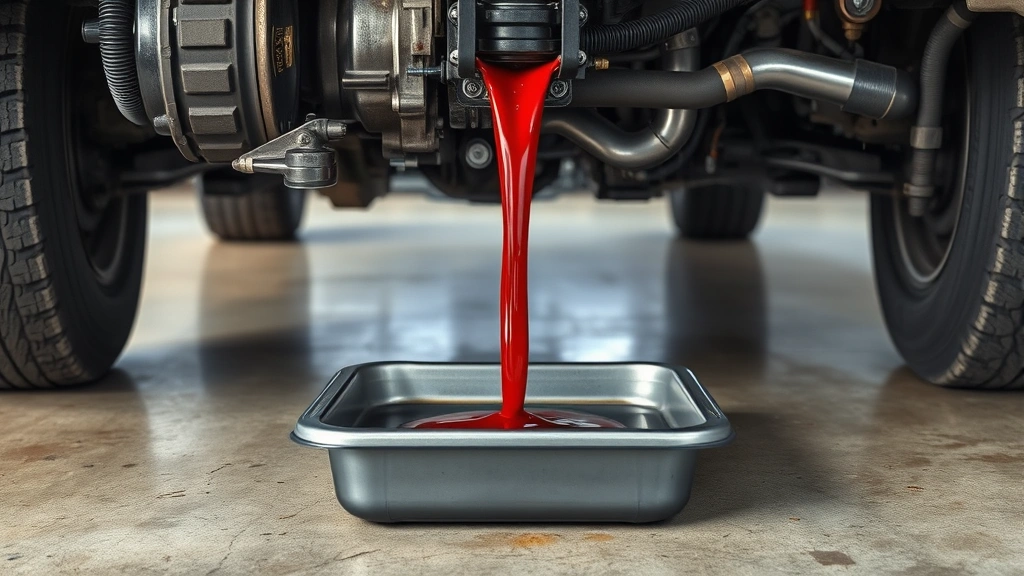
Figuring out how much to change transmission fluid costs depends on whether you’re doing it yourself or taking it to a shop, what type of vehicle you drive, and whether you need a full flush or just a fluid top-up. In this guide, we’ll break down the real costs, walk you through the process, and help you decide if this is a DIY job or one to hand off to the pros.
Table of Contents
Fluid Cost Breakdown
The transmission fluid itself is the cheapest part of this equation. A single quart of quality transmission fluid runs anywhere from $8 to $20, depending on the brand and type. Most vehicles need between 4 to 17 quarts for a complete fluid change—yes, that’s a huge range, and it matters.
Budget-friendly synthetic blends cost less upfront but wear out faster. Full synthetic transmission fluid costs more per quart but lasts significantly longer and protects your transmission better. For a DIY job, expect to spend $40 to $200 just on fluid, depending on your vehicle’s transmission size and your fluid choice.
Don’t cheap out here. Using the wrong fluid type or a low-quality brand can damage your transmission’s internal components. Check your owner’s manual for the exact specification your vehicle needs.
Shop Service Pricing
Taking your vehicle to a dealership or independent shop for a transmission fluid change typically costs between $150 and $400 for a standard drain-and-fill service. Dealerships run higher—usually $200 to $400—because they use OEM (original equipment manufacturer) fluid and charge premium labor rates. Independent mechanics usually charge $150 to $250.
A full transmission flush, which uses specialized equipment to push out all the old fluid and replace it completely, costs significantly more: $200 to $500 at independent shops, $300 to $600 at dealerships. Some shops charge by the hour for labor (typically $85 to $150 per hour) plus the cost of fluid.
Always get a quote before committing. Call three shops and compare. Some offer package deals if you’re doing other maintenance at the same time, like an oil change or filter replacement.
DIY Transmission Fluid Change
If you’re mechanically inclined and have basic tools, changing transmission fluid yourself saves serious money. You’ll spend $40 to $200 on fluid and maybe $20 to $50 on supplies like a drain pan, new gaskets, and a filter if your transmission has one. Total DIY cost: $60 to $250.
The catch? This only works for drain-and-fill jobs on vehicles with accessible drain plugs. Some transmissions are sealed units or require dropping the transmission pan—that’s not a weekend warrior job. Check your vehicle’s service manual first.
You’ll need: a drain pan, socket set, new gasket material or a new pan gasket, fresh transmission fluid (the correct type), a funnel, and jack stands if you’re getting under the vehicle. Don’t skip the jack stands—safety first. This is similar in scope to how often to change tires, another maintenance task you can tackle yourself with the right tools and patience.
Flush vs. Drain Fill
A drain-and-fill service removes the old fluid from the pan and refills it with fresh fluid. This replaces about 50% to 70% of the fluid because some remains in the torque converter and transmission lines. Cost: $150 to $300 at a shop, or $60 to $150 DIY.
A transmission flush uses a machine that connects to your transmission cooler lines and circulates new fluid through the entire system, removing nearly 100% of the old fluid and contaminants. Cost: $200 to $500 at independent shops, $300 to $600 at dealerships. It’s more thorough but also more aggressive on older transmissions with heavy sludge buildup.
For preventive maintenance on a vehicle with normal mileage, a drain-and-fill is usually sufficient. For a high-mileage transmission that’s been neglected, a flush might be worth the extra cost—but consult a mechanic first. Flushing a transmission with severe internal wear can sometimes cause more problems.
Transmission Type Matters
Automatic transmissions typically need 4 to 17 quarts of fluid, depending on whether it’s a 4-speed, 6-speed, 8-speed, or 10-speed unit. Modern vehicles with more gears hold more fluid. A 4-speed automatic might only need 5 quarts; a modern 10-speed might need 12 to 15.
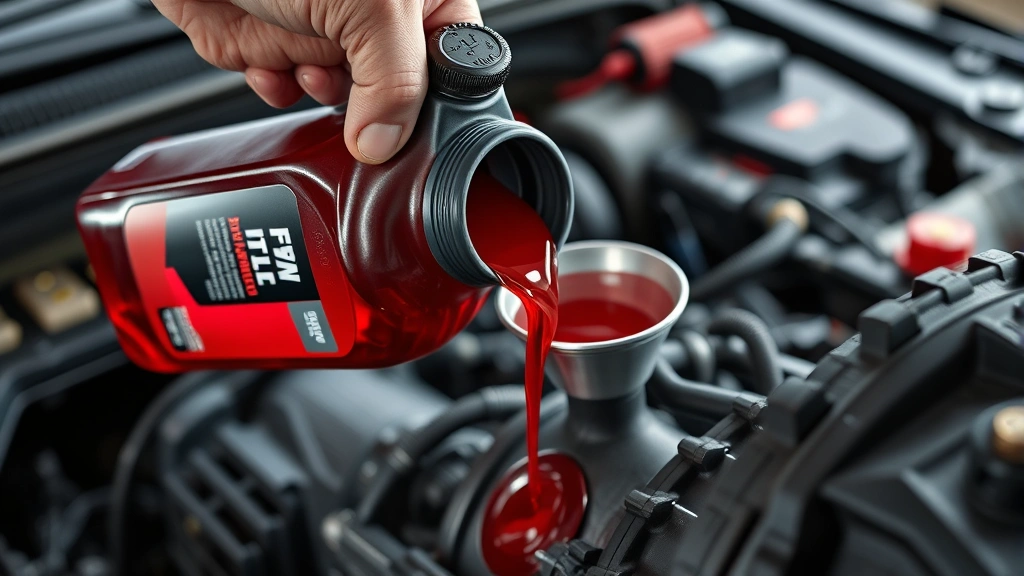
Manual transmissions are simpler and cheaper. They typically hold 2 to 4 quarts of gear oil, which is different from automatic transmission fluid. A manual transmission fluid change is usually a DIY-friendly job and costs $50 to $150 at a shop.
CVT (continuously variable transmission) vehicles need specialized CVT fluid—don’t substitute. CVT fluid changes cost $150 to $300 at shops because the fluid is pricier and the service is more involved. Check your owner’s manual; some CVTs are sealed and never need service.
Labor Time Estimate
At a shop, a standard drain-and-fill takes 1 to 2 hours of labor. A transmission flush takes 1.5 to 3 hours because the machine needs to run and cycle through the system. If you’re paying $100 per hour, that’s $100 to $300 just in labor for a drain-and-fill, or $150 to $450 for a flush.
DIY drain-and-fill on an accessible transmission takes 1 to 3 hours if you’re careful and take your time. If the transmission pan is hard to reach or you’re doing this for the first time, budget 3 to 4 hours. Rushing leads to spills and mistakes—transmission fluid stains everything and smells terrible.
Transmission flushes require special equipment, so this isn’t a DIY job unless you own a flush machine (which costs $1,500 to $3,000). Not worth it unless you’re a shop.
When to Change Fluid
Check your owner’s manual for the manufacturer’s recommended interval. Most modern vehicles suggest transmission fluid changes every 30,000 to 60,000 miles, but some newer transmissions are rated for 100,000 miles or more. Don’t guess—follow what the manual says.
Severe driving conditions (towing, frequent short trips, stop-and-go traffic, hot climates) mean you should change fluid more often—sometimes every 30,000 miles instead of 60,000. If you tow regularly, check your manual’s severe-service schedule.
Older vehicles, especially those with 100,000+ miles, benefit from more frequent changes if the fluid looks dark or smells burnt. Transmission fluid degrades over time, losing its ability to protect internal components. Preventive maintenance now saves you from a $3,000 to $5,000 transmission rebuild later.
Signs Your Fluid Is Failing
Fresh transmission fluid is bright red and smells slightly sweet. As it ages, it turns dark brown or black and develops a burnt smell. If your fluid looks dark or smells burnt, it’s time for a change—don’t wait for the next scheduled interval.
Other warning signs: transmission slipping (RPMs jump without acceleration), delayed engagement (lag when shifting into gear), rough shifts, or a burning smell from under the vehicle. These might indicate fluid breakdown or internal transmission problems. Get it checked before small issues become expensive repairs.
Fluid leaks are another red flag. If you see red fluid under your vehicle, that’s transmission fluid. Small leaks can be sealed, but if you’re losing fluid regularly, you need professional diagnosis. This is similar to monitoring other vehicle fluids—staying on top of maintenance prevents catastrophic failures.
Money-Saving Tips
First, do it yourself if you’re comfortable working under a vehicle and your transmission has an accessible drain plug. You’ll save $100 to $300 in labor costs. Watch YouTube videos specific to your vehicle model before you start—some transmissions are easier than others.
Second, use the drain-and-fill method instead of a flush unless your mechanic specifically recommends a flush. You’ll save $50 to $200 and still get good results on a vehicle with regular maintenance history.

Third, buy fluid in bulk if you know you’ll need it. Transmission fluid doesn’t go bad sitting in a sealed container, so buying a 5-quart jug instead of individual quarts saves money per ounce. Compare prices at auto parts stores—sometimes there’s a $5 to $10 difference between brands for the same specification.
Fourth, bundle services. If you’re already at the shop for an oil change or brake service, ask about transmission fluid service. Some shops offer package discounts. And fourth, keep detailed maintenance records. Staying on schedule prevents emergency repairs that cost way more than preventive maintenance.
Frequently Asked Questions
Can I change my own transmission fluid?
Yes, if your transmission has an accessible drain plug and you’re comfortable working under a vehicle. It’s a straightforward job for drain-and-fill service. Transmission flushes require special equipment and aren’t DIY-friendly. Always consult your owner’s manual and watch a video specific to your vehicle model before starting.
How often should transmission fluid be changed?
Check your owner’s manual—most recommend every 30,000 to 60,000 miles. Some newer vehicles go 100,000 miles. If you tow or drive in severe conditions, change it more frequently. High-mileage vehicles benefit from more frequent changes to prevent transmission wear.
Is transmission flush worth the extra cost?
For preventive maintenance, a drain-and-fill is usually sufficient and costs less. A flush is worth considering if you have high-mileage transmission that’s been neglected or if your mechanic recommends it. On a well-maintained transmission, the extra $100 to $250 for a flush isn’t necessary.
What’s the difference between transmission fluid and gear oil?
Automatic transmissions use transmission fluid (ATF), which is thinner and has detergents. Manual transmissions use gear oil, which is thicker and designed for mechanical gears. CVTs need specialized CVT fluid. Never substitute—use what your owner’s manual specifies.
Why is transmission fluid so expensive at dealerships?
Dealerships use OEM fluid and charge premium labor rates. Independent shops often offer the same service for 30% to 50% less. Get quotes from multiple shops before committing. The fluid itself might be slightly different, but quality independent shops use equivalent fluids that meet your vehicle’s specifications.
What happens if I don’t change transmission fluid?
Old, degraded fluid loses its protective properties and can’t cool the transmission effectively. This leads to excessive wear on internal components, slipping, rough shifts, and eventually transmission failure. A transmission rebuild costs $3,000 to $5,000 or more. Preventive fluid changes cost a fraction of that.
Final Thoughts
The cost to change transmission fluid ranges from $60 to $250 if you do it yourself, or $150 to $600 if you take it to a shop (depending on whether you get a flush or drain-and-fill). The biggest variable is labor—professional labor costs way more than the fluid itself.
Do your homework: check your owner’s manual for the correct fluid type and recommended interval, get quotes from multiple shops if you’re not DIYing, and stay on schedule with maintenance. Transmission fluid changes are one of the cheapest forms of preventive maintenance you can do. Skipping them leads to expensive transmission problems down the road.
If you’re already tackling vehicle maintenance, you might also want to learn about how often to change tires to keep your vehicle running smoothly. For home maintenance projects, check out our guides on how to install garbage disposal and other essential home repairs.


