
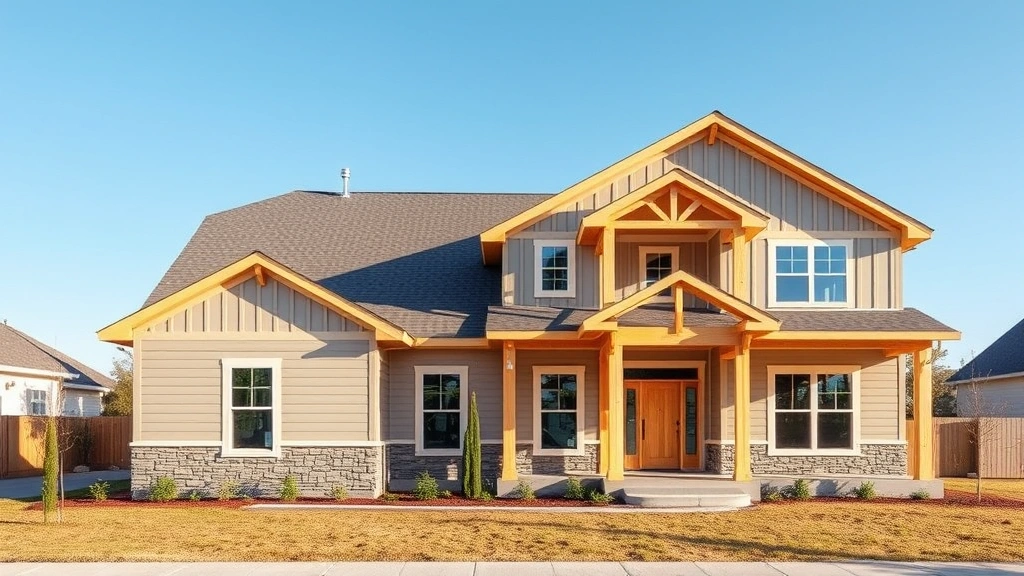
So you’re wondering how much to build a house—and honestly, that’s the million-dollar question, literally. Whether you’re dreaming of a cozy cottage or a sprawling family estate, understanding the real costs involved will save you from sticker shock and help you plan like a pro. Let me break down everything from foundation to final touches, based on what builders are actually charging in 2024.
Table of Contents
Average Building Costs Per Square Foot
Let’s cut to the chase: in 2024, you’re looking at roughly $100 to $200 per square foot for standard residential construction across most of the U.S. This means a 2,000-square-foot home runs anywhere from $200,000 to $400,000 before land costs. But here’s the thing—that number bounces around like a rubber ball depending on what you’re actually building.
A basic, no-frills ranch-style home sits at the lower end. Luxury finishes, custom designs, and premium materials? You’re pushing toward $250+ per square foot. According to Family Handyman, the national average has climbed steadily since 2022, with material shortages and labor demand still affecting pricing. The key is knowing what factors move that needle.
Why Location Impacts Your Budget
Building a house in rural Montana costs way less than building the same structure in suburban Boston or coastal California. Regional labor rates, material availability, building codes, and land prices create massive variations. Urban areas typically run 20-40% higher than rural regions. Climate matters too—hurricane-resistant construction in Florida or earthquake-proofing in California adds serious cost.
Don’t forget local permit fees, inspection costs, and utility connection charges. A small town might charge $500 for permits while a major metro area hits you with $5,000+. This Old House notes that coastal and high-demand markets see the steepest premiums, sometimes pushing per-square-foot costs to $300 or beyond.
Labor Costs Breakdown
Labor typically represents 30-50% of your total building budget. Skilled trades—electricians, plumbers, HVAC specialists—command premium rates, especially in competitive markets. A master electrician might charge $50-150 per hour depending on location and complexity. Framing crews work faster and cheaper, but foundation work and specialized systems demand experience.
Here’s what you’re paying labor for: foundation work ($8,000-$15,000), framing ($20,000-$35,000), roofing ($8,000-$20,000), electrical ($15,000-$25,000), plumbing ($12,000-$20,000), and HVAC ($10,000-$18,000). These are ballpark figures for a 2,000-square-foot home. Contractor markup adds another 10-20% on top of direct labor costs. Hiring a general contractor saves headaches but costs more than managing trades yourself—if you have the expertise.
Material Pricing Reality Check
Materials eat up 40-60% of your build budget. Lumber prices have stabilized since the 2021-2022 spike, but they’re still elevated. Expect to pay premium prices for structural lumber, framing, and specialty woods. Concrete runs $4-8 per square foot for foundations. Roofing materials range from $5-15 per square foot depending on whether you choose asphalt shingles, metal, or premium slate.
Windows and doors are underestimated cost items—quality, energy-efficient units run $200-500 each, and a typical home needs 15-20 of them. Interior finishes compound costs: drywall, insulation, flooring, paint, and fixtures add up fast. Tile, hardwood, and luxury vinyl plank flooring range from $3-12 per square foot installed. Bob Vila recommends getting material quotes early and locking in prices when possible, especially for lumber and metals.
Hidden Expenses Nobody Mentions
This is where most people get blindsided. Site preparation might include land clearing, grading, and soil testing—easily $3,000-$10,000. Septic systems (if not on municipal sewer) run $5,000-$15,000. Well drilling adds another $3,000-$8,000. Utility connections to the property line cost $2,000-$5,000 per utility.
Then there’s the stuff builders hope you forget: temporary power and water during construction ($1,000-$2,000), dumpster rental ($500-$1,500), building permits and inspections ($1,500-$5,000), and insurance ($1,000-$3,000). Site fencing, temporary roads, and equipment staging areas add up. Change orders—those “little” modifications mid-build—regularly add 5-15% to final costs. Weather delays and supply chain hiccups aren’t really hidden, but they’re easy to underestimate.
Financing Your Build
Construction loans work differently than traditional mortgages. You’ll need a down payment (typically 20-25%), and the lender disburses money in stages as work completes. Interest rates are usually higher than standard mortgages, and you pay interest only during construction. Once the home is finished, you refinance into a permanent mortgage.
Your credit score, debt-to-income ratio, and the builder’s reputation all affect approval and rates. Many lenders require detailed construction plans, cost estimates, and a timeline. Having a solid general contractor with a proven track record makes financing easier. Some builders offer financing incentives or partnerships with preferred lenders—shop around because rates vary.
Smart Cost-Saving Strategies
Choose a simpler design. Complex rooflines, unusual angles, and custom features cost money. A rectangular footprint is cheaper to frame and roof than an elaborate, multi-angled design. Stick with standard-sized windows and doors rather than custom dimensions. Limit the number of bathrooms—plumbing is expensive.
Buy materials strategically. Lock in lumber prices early, negotiate bulk discounts with suppliers, and consider slightly less expensive (but still quality) materials for less visible areas. Do some sweat equity yourself if you have skills—painting, landscaping, and finish work are DIY-friendly. Avoid mid-build changes; every modification costs time and money. Standardize finishes across rooms instead of custom selections in each space.
Timeline and Budget Management
A typical single-family home takes 6-12 months to build, depending on complexity and weather. Delays cost money—extended financing charges, labor overhead, and material price increases compound. Create a detailed schedule with milestone dates and budget checkpoints.
Track expenses obsessively. Use a spreadsheet or construction management app to log every invoice. Compare actual costs against estimates monthly. When variances appear, address them immediately. Communicate constantly with your general contractor about budget and timeline. Weekly or bi-weekly meetings prevent surprises. Build a contingency fund—aim for 10-15% of your total budget for unexpected issues.
Frequently Asked Questions
What’s the cheapest way to build a house?
Stick with simple designs, standard materials, and a no-frills finish package. Choose a location with lower labor costs and fewer building restrictions. Minimize square footage—smaller homes cost less overall. Consider modular or prefab construction, which can reduce labor time and waste.
Can I build a house for $100,000?
In most markets, no—not for a complete, code-compliant home. That might cover a tiny house or basic structure in a very rural area, but it won’t include land, utilities, or proper finishing. You’d need to do massive amounts of sweat equity or find an exceptionally cheap location.
How much does it cost to build a 3,000 square foot house?
At $100-200 per square foot, expect $300,000-$600,000 for the structure alone, not including land. With finishing, permits, and contingencies, realistic budgets run $350,000-$700,000 depending on location and quality level.
Should I hire a general contractor or manage the build myself?
Unless you have construction experience and significant time, hire a general contractor. They manage permits, coordinate trades, ensure code compliance, and handle disputes. Their markup (10-20%) is worth the headache saved and the protection you gain.
What percentage of budget goes to labor vs. materials?
Typically, materials are 40-60% and labor is 30-50%, with the remainder covering permits, financing, and contingencies. The split varies by location and project complexity.
How do I avoid cost overruns?
Lock in pricing early, avoid change orders, maintain a 10-15% contingency fund, track expenses religiously, and communicate constantly with your contractor. Detailed plans and realistic timelines prevent most surprises.
Bottom line: Building a house is a major financial commitment, but knowing the real costs upfront helps you plan smarter. Whether you’re looking at $200,000 or $700,000, the key is understanding where money goes and making intentional choices about where to invest and where to save. Work with experienced professionals, stay organized, and remember that the cheapest build isn’t always the best value—quality work done right the first time saves money in the long run.


