
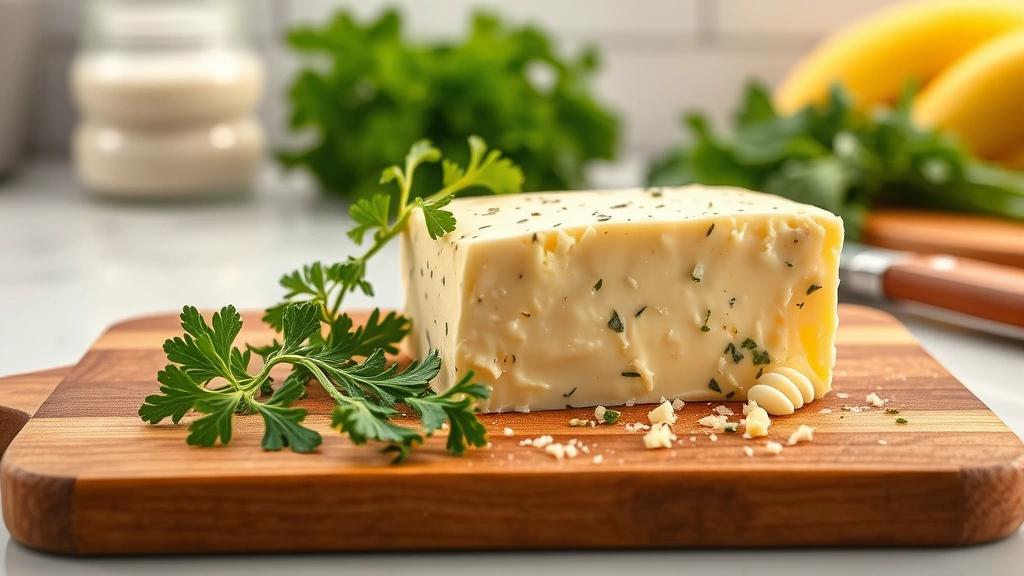
Learning how much salt to add to unsalted butter is one of those kitchen skills that separates decent cooking from genuinely delicious food. Whether you’re making compound butter for steaks, spreading it on fresh bread, or using it as a finishing touch on vegetables, getting the salt ratio right transforms ordinary unsalted butter into something special. The good news? It’s ridiculously simple once you know the basic formula.
Table of Contents
Basic Salt Ratio
The golden standard for salting unsalted butter is roughly 1/4 teaspoon of salt per 4 ounces (one stick) of butter. This breaks down to about 1/8 teaspoon per 2 ounces if you’re working with smaller portions. Some folks prefer it slightly saltier at 1/2 teaspoon per stick, while others go lighter at 1/8 teaspoon. The key is understanding that your personal taste matters more than any rule I can give you.
Think of it this way: you’re not trying to make salted butter taste identical to commercial versions. You’re creating your own custom blend that suits your palate. Start conservative—you can always add more salt, but you can’t take it out once it’s mixed in.
Measuring Salt Accurately
Here’s where precision matters. Use a kitchen scale if you’ve got one—it’s the most reliable method. For how much salt to add to unsalted butter by weight, aim for about 1.5-2% of the butter’s weight. So for 113 grams of butter, you’d add roughly 1.7-2.3 grams of salt.
If you’re using measuring spoons, level them off with a straight edge. Don’t scoop directly from the salt container and tap it down—you’ll end up with way more than you need. A pinch or two from your fingers works fine for small batches, but it’s inconsistent. Invest in a small digital scale for about $15—it’ll pay for itself in perfectly seasoned butter alone.
Types of Salt Matter
Not all salt is created equal, and this directly impacts your results. Kosher salt (Diamond Crystal brand specifically) is less dense than table salt, so a teaspoon of kosher salt weighs less than a teaspoon of table salt. If you use table salt instead of kosher, reduce your amount by about 25%.
Sea salt brings subtle mineral notes that can actually enhance butter’s flavor profile. Himalayan pink salt adds a slight earthiness. Fleur de sel, that fancy French finishing salt, creates texture you can actually feel on your tongue—great for compound butter. Avoid iodized table salt if possible; it can leave a metallic aftertaste that nobody wants in their butter.
Step by Step Process
What you’ll need: unsalted butter (softened to room temperature), your chosen salt, a small bowl, and a fork or wooden spoon.
Step 1: Let your butter sit at room temperature for 15-20 minutes until it’s soft but not melting. You want it spreadable, not greasy.
Step 2: Place the softened butter in a bowl. If you’re making a BBQ sauce or other sauce-based compound butter, have your additional ingredients prepped.
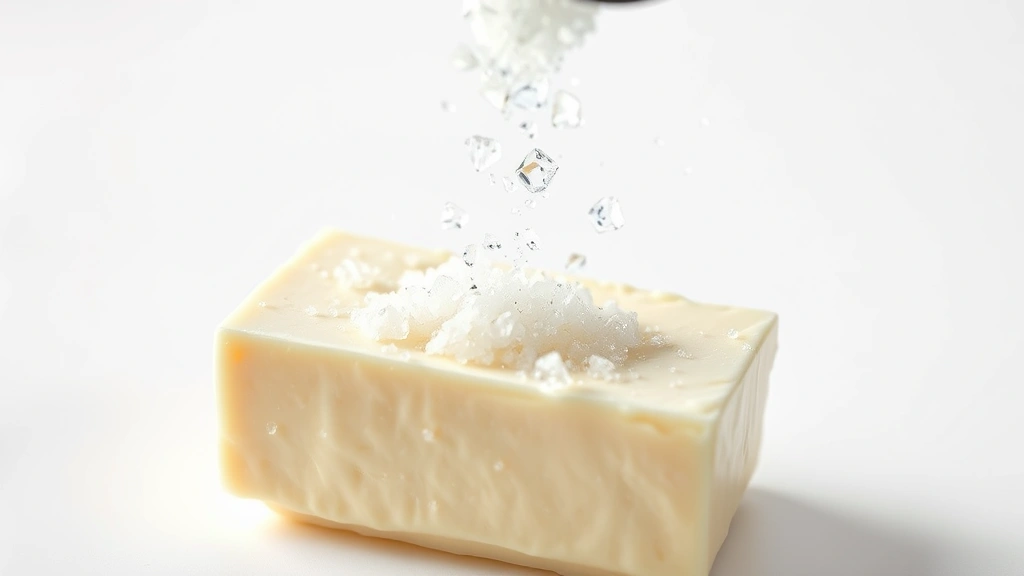
Step 3: Sprinkle your measured salt over the butter. Start with 1/4 teaspoon per stick and adjust from there.
Step 4: Using a fork, mash the salt into the butter with firm, deliberate strokes. You’re breaking down the salt crystals and distributing them evenly throughout. This takes about 30-60 seconds of actual work.
Step 5: Once the salt appears evenly distributed (no visible crystals), taste a tiny amount. Adjust if needed.
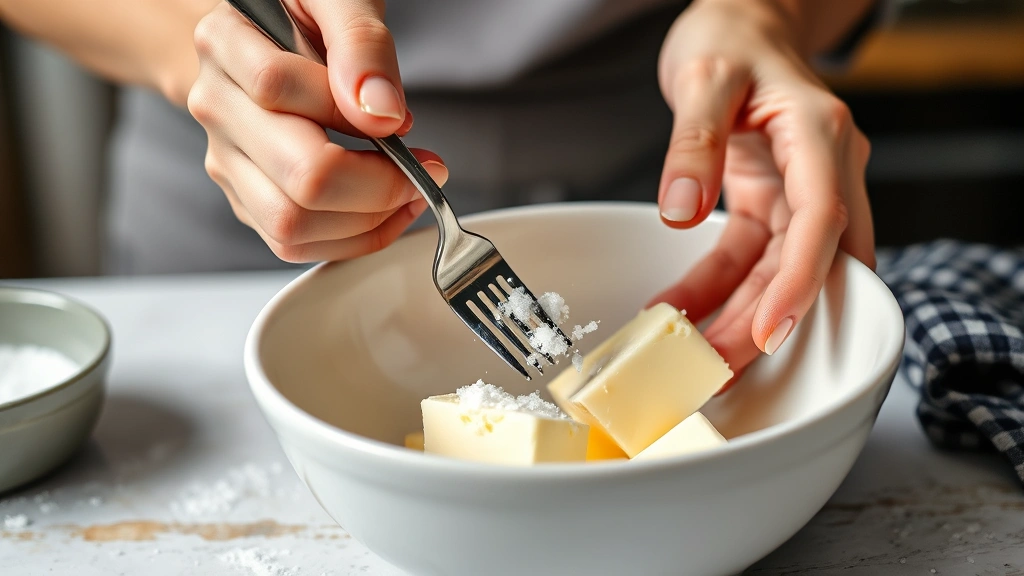
Step 6: If making compound butter, fold in fresh herbs, garlic, or other seasonings now. Check out recipes like Au Poivre Sauce Recipe for inspiration on flavor combinations.
Flavor Testing Tips
Tasting butter straight from the bowl isn’t ideal—your mouth will register it as intensely salty because butter is rich and coats your mouth. Instead, spread a small amount on a piece of plain bread or cracker. This mimics how you’ll actually use the butter and gives you an honest assessment of the seasoning.
Wait a few seconds after tasting before deciding you need more salt. The flavor develops as the butter coats your palate. If you immediately add more, you’ll likely oversalt it. The sweet spot should taste savory and buttery without making you pucker or reach for water.
Keep a small spoon nearby for quick adjustments. Adding 1/4 teaspoon more salt at a time is easier than trying to salvage over-salted butter. Document what you did—write it down if you’re experimenting. “1/4 tsp kosher salt per stick was perfect” becomes invaluable when you’re making the same butter next month.
Compound Butter Variations
Once you master basic salt ratios, compound butter becomes your secret weapon in the kitchen. For herb butter, add 2-3 tablespoons of fresh chopped herbs (parsley, chives, tarragon) to your salted butter. The herbs actually mask salt slightly, so you might increase your salt to 1/3 teaspoon per stick.
Garlic butter needs about 2-3 cloves minced very fine, mixed with your standard salt amount. Roasted garlic is milder and sweeter—use 4-5 cloves if you go that route. For spiced butter, consider how your other ingredients taste. If you’re adding fermented hot sauce, reduce salt slightly since hot sauce often contains sodium.
Brown butter compound versions work beautifully too. Brown your butter first, let it cool completely, then cream it with salt and seasonings. The nutty flavor of brown butter pairs exceptionally well with sage, thyme, or even a pinch of cayenne pepper.
Storage Guidelines
Salted butter keeps longer than unsalted because salt acts as a preservative. Your homemade salted butter will last about 2-3 weeks in the refrigerator in an airtight container, versus 1-2 weeks for unsalted. For longer storage, roll it in parchment paper and freeze it for up to 6 months.
Compound butters with fresh herbs have shorter shelf lives—use them within a week refrigerated, or freeze for up to 3 months. If you’re making large batches, portion them into ice cube trays, freeze solid, then pop them into freezer bags. Each cube is roughly 1 tablespoon, perfect for melting over steaks or vegetables.
Label everything with the date and contents. Frozen compound butter looks identical to regular butter, and you don’t want to accidentally use your herb butter for pastry.
Common Mistakes
The biggest mistake is adding salt while the butter is cold and hard. Cold butter won’t distribute salt evenly—you’ll end up with crunchy pockets of salt and bland areas. Always soften first.
Another common error is confusing salt types without adjusting amounts. If you normally use Diamond Crystal kosher salt and switch to table salt without reducing the quantity, your butter will taste like the ocean. Read your salt container and adjust accordingly.
Don’t taste directly from the spoon while it’s still in the butter. You’ll contaminate it and won’t get an accurate flavor read anyway. Use a clean spoon each time or taste on bread.
Over-mixing is actually possible. Beat butter too aggressively and you’ll incorporate air, changing its texture. Mix just enough to distribute salt evenly—usually 30-60 seconds maximum with a fork.
Finally, resist the urge to add salt in stages “just to be safe.” Measure once, add once, taste, then adjust if absolutely necessary. Multiple small additions lead to inconsistent results.
Frequently Asked Questions
Can I use this salted butter in baking?
Technically yes, but proceed with caution. Most baking recipes are formulated for unsalted butter because they control salt precisely. If your recipe calls for unsalted butter and you use salted, you might throw off the flavor balance. It works fine for cookies, brownies, and casual baked goods, but skip it for delicate pastries or recipes where salt quantity matters.
What if I accidentally made it too salty?
You have limited options here. The best approach is to mix your over-salted butter with fresh unsalted butter in a 1:1 ratio, which cuts the salt roughly in half. Alternatively, use it only in applications where salt is expected—melting over vegetables or steaks, for instance.
Is there a difference between sea salt and kosher salt for this?
Yes, in terms of crystal size and density. Kosher salt has larger crystals and less density, so it tastes less salty by volume than table salt. Sea salt varies by brand but generally falls between kosher and table salt in terms of saltiness. Stick with one type and measure consistently, or adjust amounts based on the type you’re using.
How much salt for a pound of butter?
A pound of butter is four sticks, so you’d use approximately 1 teaspoon of kosher salt total, divided into four portions of 1/4 teaspoon each if making four separate batches. Or mix it all together at once using 1 teaspoon per pound.
Can I add salt to melted butter?
Yes, but it won’t distribute as evenly as when you mix it into softened butter. If you must salt melted butter, whisk it thoroughly for at least a minute to ensure even distribution. Let it cool and solidify before using if possible.
What about using this for cooking versus finishing?
Salted butter for cooking (like sautéing vegetables) should be on the lighter side—1/4 teaspoon per stick. For finishing butter that melts over hot food right before serving, you can go slightly heavier at 1/3 teaspoon per stick because you want that salt flavor to stand out.
Final Thoughts: Making your own salted butter from unsalted is genuinely one of the easiest kitchen upgrades you can make. It costs pennies, takes two minutes, and transforms everything from toast to steaks. Start with 1/4 teaspoon per stick, taste on bread, and adjust from there. Once you dial in your preferred ratio, write it down and stick with it. You’ll find yourself making compound butter variations for everything—check out Chipotle Lime Rice Recipe for one application, or explore Best Dutch Oven Recipes where compound butter shines. The precision you learn here applies to all seasoning work in the kitchen, so these few minutes of practice pay dividends forever.
For more on measurement conversions and kitchen fundamentals, check out our guide on How Big Is 1.5 L to Oz.


