

If you’re lying awake at 2 AM wondering how much melatonin is equal to Ambien, you’re not alone. Sleep issues affect millions, and the choice between prescription medications and natural supplements can feel overwhelming. Here’s the straight truth: melatonin and Ambien aren’t direct equivalents, and understanding the differences could save you from a lot of frustration—and sleepless nights.
Table of Contents
Melatonin vs. Ambien: Key Differences
Let me be clear from the start: melatonin and Ambien (zolpidem) are fundamentally different substances. Ambien is a prescription sedative-hypnotic medication that your doctor prescribes specifically for insomnia. Melatonin is a naturally occurring hormone that your body produces, though it’s also available as an over-the-counter supplement. Think of it like comparing a professional power drill to a cordless screwdriver—both are tools, but they’re designed for different jobs.
Ambien was developed in a laboratory to directly target your brain’s sleep-wake cycle by binding to specific receptors. Melatonin, on the other hand, is your body’s natural sleep regulator. When you take melatonin supplements, you’re essentially giving your body extra doses of something it already makes. The FDA approves Ambien as a prescription medication with strict dosing guidelines, while melatonin is classified as a dietary supplement with less regulation.
How They Work in Your Body
Understanding the mechanics is crucial. Ambien works by enhancing the activity of a neurotransmitter called GABA, which slows down brain activity and promotes sleep. It’s a sedative that essentially tells your brain to shut down and rest. Most people fall asleep within 15-30 minutes of taking Ambien, and it keeps you asleep throughout the night.
Melatonin operates differently. Your pineal gland naturally produces melatonin when it gets dark outside, signaling to your body that it’s time to sleep. When you take a melatonin supplement, you’re reinforcing this natural signal. It doesn’t force sleep like Ambien does; instead, it helps regulate your circadian rhythm—your body’s internal 24-hour clock. This is why melatonin works better for jet lag or shift work than for chronic insomnia.
The timing matters too. Ambien works quickly and powerfully, while melatonin takes a gentler, more gradual approach. If you’re desperate to fall asleep right now, Ambien is the heavier hitter. If you’re trying to reset your sleep schedule, melatonin might be your ally. As with other medications, understanding onset times is important—similar to knowing how long Tylenol takes to work, timing your sleep medication properly makes a real difference.
Dosage Comparison Explained
Here’s where the equivalency question gets tricky. Standard Ambien comes in 5mg and 10mg tablets. The typical starting dose is 5mg for women and 5-10mg for men, taken right before bed. Your doctor might adjust this based on how you respond.
Melatonin supplements range wildly—from 0.3mg to 10mg or even higher. The problem? There’s no official “standard” dose like there is with Ambien. Some people find 1mg effective, while others need 5mg or more. It’s frustratingly inconsistent because melatonin supplements aren’t as tightly regulated as prescription medications.
If we’re talking direct equivalency, there really isn’t one. A 5mg Ambien tablet is not equal to a 5mg melatonin supplement in terms of effect. The Ambien will be dramatically more powerful at inducing sleep. A rough comparison might be: 10mg of melatonin could have a mild sleep-promoting effect similar to a very low dose of Ambien, but even that’s not a reliable equation. Every person’s body chemistry is different, so what works for your neighbor might completely miss the mark for you.
Effectiveness and Timeline
Ambien hits fast. Most people report falling asleep within 15-30 minutes. It’s designed to work quickly and maintain sleep throughout the night, typically lasting 6-8 hours. If you take it and stay awake, you might experience grogginess the next day—so timing is crucial. Similar to understanding how long ibuprofen takes to work, knowing when to take your sleep aid matters.
Melatonin is slower and gentler. It typically takes 30 minutes to 2 hours to kick in, depending on the dose and your individual metabolism. Some people feel it working within 20 minutes; others don’t notice effects for an hour or more. The sleep it promotes is often lighter and less forced than Ambien-induced sleep. It’s better suited for people who need help falling asleep at a reasonable hour rather than those who wake up at 3 AM and can’t get back to sleep.
Effectiveness also depends on why you can’t sleep. If your insomnia stems from a disrupted circadian rhythm (like from travel or shift work), melatonin can be remarkably effective. If you have chronic insomnia from stress, anxiety, or other medical conditions, Ambien is typically more reliable. This is an important distinction that many people overlook.
Side Effects and Safety
Ambien’s side effect profile is more serious because it’s a powerful sedative. Common issues include dizziness, headache, and next-day grogginess. More concerning are rare but documented cases of complex sleep behaviors—people doing things while asleep without remembering them. There’s also potential for dependency if used long-term, which is why doctors typically recommend short-term use only. Ambien can interact with other medications and alcohol, so you need medical oversight.

Melatonin is generally considered safer with fewer side effects. The most common complaints are mild headaches, dizziness, or vivid dreams. Because it’s a natural hormone your body already produces, it doesn’t carry the same dependency risk as Ambien. However, “natural” doesn’t mean “risk-free.” Melatonin can interact with certain medications, affect mood in some people, and might not be appropriate if you’re pregnant or have certain medical conditions.
Long-term safety data for melatonin supplements is still limited since they haven’t been studied as extensively as prescription medications. Ambien has decades of clinical data, though that data also documents its risks more thoroughly. Think of it this way: Ambien is like a powerful prescription painkiller—effective but requires careful management. Melatonin is more like an over-the-counter supplement—gentler but with less oversight.
Which One Is Better for You
This isn’t a one-size-fits-all answer, and that’s the frustrating truth. Ambien is better if you have moderate to severe insomnia and need reliable, fast-acting sleep. It’s prescription-strength for a reason—it works. But it’s meant for short-term use, not as a long-term solution. If your doctor prescribes it, they should be monitoring you regularly.
Melatonin is better if you have mild sleep issues, jet lag, or a disrupted sleep schedule. It’s ideal for people who want to try something gentler before moving to prescription medications. It’s also better if you’re concerned about dependency or have had issues with sedative medications in the past. The lower cost and over-the-counter availability make it an appealing first option.
The best choice depends on several factors: severity of your insomnia, how long you’ve had the problem, whether you have other medical conditions, what medications you’re already taking, and your personal preferences. Some people benefit from combining approaches—using melatonin for mild nights and reserving Ambien for when they really need it. Others find one or the other works perfectly and stick with it.
Your doctor is your best resource here. They know your medical history, can identify underlying causes of your insomnia, and can recommend the safest option for your specific situation. Don’t try to self-diagnose or self-treat serious sleep problems.
Natural Sleep Alternatives
Before jumping to either melatonin or Ambien, consider other approaches. Sleep hygiene—maintaining a consistent sleep schedule, keeping your bedroom cool and dark, avoiding screens before bed—can be surprisingly effective. Many people don’t realize how much their environment and habits affect sleep quality.
Other natural supplements worth exploring include valerian root, chamomile, magnesium, and L-theanine. These work differently than melatonin and might suit your situation better. For instance, magnesium citrate works on your digestive system, but magnesium glycinate specifically supports relaxation and sleep. Understanding these distinctions helps you make informed choices.
Cognitive behavioral therapy for insomnia (CBT-I) is another option that many sleep specialists recommend. It addresses the thoughts and behaviors that keep you awake, often with long-lasting results. Some people find this more effective than any medication, natural or prescription.
The key is trying the least invasive option first. Start with lifestyle changes, then consider natural supplements, and only move to prescription medication if nothing else works. This graduated approach respects your body’s natural systems while keeping stronger interventions as backup options.
When to See Your Doctor
Don’t self-treat insomnia that lasts more than a few weeks. Chronic sleep problems often signal underlying issues—sleep apnea, thyroid problems, depression, anxiety, or other medical conditions. Your doctor needs to rule these out before recommending any treatment.
Also see your doctor if you’re already taking other medications or supplements. Melatonin and Ambien both interact with various drugs, and your doctor needs to know your full medication list. If you’ve tried melatonin and it’s not working, that’s worth discussing with your doctor rather than just increasing the dose on your own.
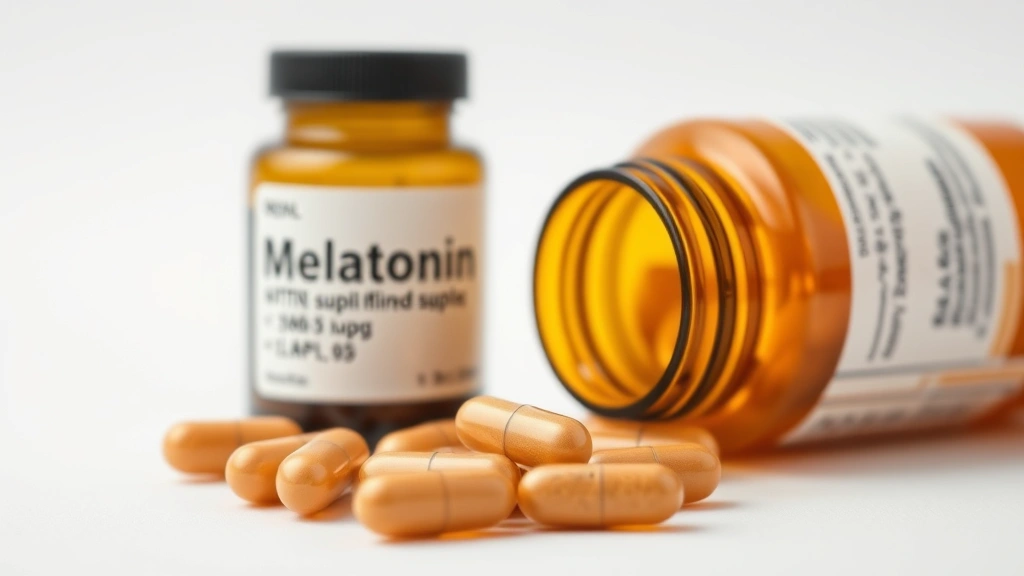
Be honest about your sleep habits and concerns. Tell your doctor if you’re worried about dependency, if you have a history of substance abuse, or if you’ve had bad reactions to medications. This information helps them recommend the safest option. If your doctor prescribes Ambien, follow the dosing instructions exactly—don’t adjust doses yourself, and don’t use it for longer than recommended without discussing it first.
Frequently Asked Questions
Can I take melatonin and Ambien together?
Generally, no. Taking both together could cause excessive drowsiness and increase the risk of side effects. If you’re considering combining them, talk to your doctor first. Most doctors would recommend trying one, seeing if it works, and only switching to the other if needed.
Is 10mg of melatonin equal to a prescription dose of Ambien?
No. Even 10mg of melatonin is not equivalent to a standard 5mg or 10mg dose of Ambien. Ambien is significantly more potent at inducing and maintaining sleep. Higher melatonin doses don’t necessarily mean better results—some people find lower doses more effective.
Will melatonin help if Ambien doesn’t work for me?
Possibly, but it depends on why Ambien isn’t working. If Ambien isn’t effective, the issue might be something other than simple insomnia—like sleep apnea or a circadian rhythm disorder. Melatonin might help with circadian issues but probably won’t help if the problem is something else. See your doctor to identify the root cause.
How long can I safely take melatonin?
Unlike Ambien, which doctors recommend for short-term use only, melatonin can be used longer-term. However, long-term safety data is limited. Most experts suggest using it for a few weeks to a few months initially, then reassessing whether you still need it. Some people use it occasionally without problems; others find they need breaks.
Does melatonin become less effective over time?
Some people report that melatonin effectiveness decreases with regular use, though scientific evidence is mixed. If you find melatonin stops working, try taking a break for a week or two, then resuming. This “reset” sometimes restores effectiveness. Alternatively, you might need to address underlying sleep issues rather than relying on supplements.
What’s the safest sleep aid for long-term use?
Neither melatonin nor Ambien is ideal for long-term use without medical supervision. Ambien carries dependency risks, while melatonin’s long-term effects are still being studied. The safest approach is addressing root causes—fixing sleep hygiene, treating underlying conditions, managing stress. If you need ongoing sleep support, work with your doctor to find the safest option for your situation.
Can I overdose on melatonin?
Technically, melatonin is hard to overdose on in the traditional sense—it’s not acutely toxic. However, taking excessive amounts can cause side effects like grogginess, headaches, and nausea. More concerning is that very high doses might affect your natural melatonin production if used long-term. Stick to recommended doses (typically 0.5-5mg) rather than assuming “more is better.”
The Bottom Line
There’s no direct equivalency between melatonin and Ambien—they’re different tools for different sleep problems. Ambien is a powerful prescription medication for serious insomnia, while melatonin is a gentler, over-the-counter supplement better suited for mild sleep issues or circadian rhythm problems. Neither is a perfect solution, and both have limitations.
The best sleep aid is the one that works for your specific situation with the fewest side effects. For some people, that’s melatonin. For others, it’s Ambien. For many, it’s actually neither—it’s fixing sleep habits, managing stress, or treating an underlying medical condition. Start with the least invasive option, work with your doctor, and be patient. Good sleep is worth the effort to find the right solution.


