
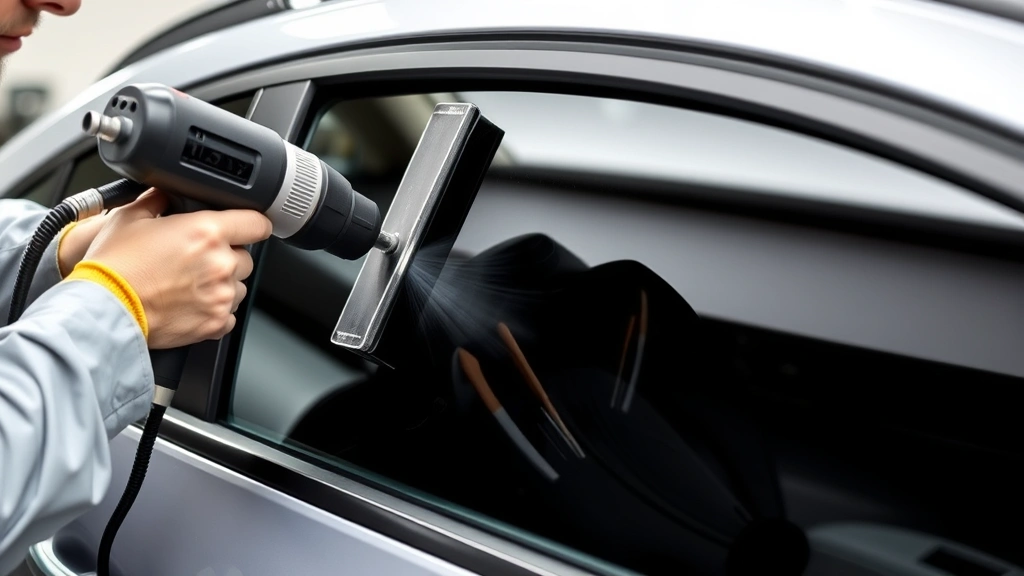
Let’s be real—window tinting looks sharp, but before you commit, you need to know how much is it to tint car windows. The answer isn’t a single number. Costs range wildly depending on your vehicle, the type of film, where you live, and whether you’re going professional or DIY. This guide breaks down every factor that affects pricing so you can make an informed decision without getting blindsided at the shop.
Window tinting has become one of the most popular aftermarket upgrades for cars. It protects your interior from UV damage, keeps your car cooler, adds privacy, and yes—it looks incredible. But the price tag can range from $150 for a basic DIY job to $1,000+ for premium ceramic tint on a full-size sedan. Understanding what you’re paying for is half the battle.
Basic Tinting Cost Breakdown
Here’s the straightforward answer: professional car window tinting typically costs between $200 and $800 for a standard sedan. For SUVs and larger vehicles, expect $400 to $1,200. The wide range exists because every car is different, and film quality varies dramatically.
A basic breakdown looks like this:
- Compact car (4 windows): $150–$400
- Mid-size sedan (6 windows): $250–$600
- Full-size SUV (8+ windows): $400–$1,000
- Luxury or specialty vehicles: $600–$1,500+
These prices assume you’re getting standard dyed film from a local shop. Premium films and specialized installers will push you toward the upper end or beyond. According to Family Handyman’s automotive guide, labor typically accounts for 50–70% of the total cost, which is why installation quality matters so much.
The reason labor is expensive is simple: tinting windows is tedious, precise work. A single bubble or misalignment ruins the look. Professional installers spend 2–4 hours on a sedan, sometimes longer for complex vehicles with curved glass.
Types of Tint Film and Their Costs
Not all tint is created equal. The film you choose affects both price and performance. Let’s break down the main options:
Dyed Film (Budget Option)
This is the cheapest tint available—usually $1–$3 per square foot. The film contains a dye layer that absorbs heat and blocks light. Pros: affordable, works fine for privacy. Cons: fades over time (3–5 years), doesn’t block much heat, can look purple-ish as it ages. Perfect if you want tint on a budget and don’t care about longevity.
Metalized Film (Mid-Range)
Costs $2–$5 per square foot. This film has tiny metallic particles embedded in it, which reflect heat and UV rays more effectively than dyed film. Better heat rejection, longer lifespan (5–10 years). The downside? It can interfere with cell signals and GPS if applied too heavily. Some people also find it has a reflective, “mirror-like” appearance they don’t love.
Carbon Film (Premium)
Running $3–$8 per square foot, carbon film is where most enthusiasts land. It contains carbon particles that block infrared heat without the metallic sheen. Doesn’t fade, doesn’t interfere with electronics, looks sleek and matte. This is the sweet spot for performance and aesthetics. Most professional shops recommend this as the standard upgrade.
Ceramic Film (Top Tier)
The gold standard. Costs $5–$15+ per square foot. Ceramic particles provide the best heat rejection (up to 80% of infrared), won’t fade, doesn’t interfere with signals, and lasts 10+ years. It’s also the most expensive option. This Old House’s automotive section notes that ceramic film is increasingly popular among luxury car owners willing to invest in durability.
Crystalline Film (Specialty)
A newer option that’s nearly clear but still blocks significant heat. Costs $6–$12 per square foot. Great for people who want tint benefits without the dark appearance. Rare and not all shops carry it.
Pro Tip: Don’t cheap out on film quality. A $300 ceramic tint job will outlast three $100 dyed tint jobs. Do the math on cost-per-year and ceramic suddenly looks smart.
Vehicle Size and Window Count
Bigger vehicles cost more to tint. It’s not rocket science—more glass means more film and more labor time.
A typical sedan has 6 windows (front and rear doors, rear window). An SUV might have 8–10 windows depending on the model. A truck with a back window and side windows could be 8+ windows. Some vehicles also have panoramic sunroofs, which add significant cost and complexity.
Here’s a realistic pricing example for a mid-range carbon film installation:
- Honda Civic (6 windows): $350–$500
- Toyota 4Runner (8 windows): $500–$700
- Mercedes S-Class with panoramic roof: $800–$1,200
Window shape also matters. Curved windows (common on modern cars) are harder to tint than flat ones. Specialty shapes like triangular quarter windows or wraparound rear windows require more skill and waste more film, driving up labor costs.
Professional Installation vs. DIY
This is where you can save money—or create a headache.
Professional Installation
Cost: Full price (the numbers mentioned above). What you get: warranty (usually 3–5 years), perfect installation, no bubbles, proper heat-shrinking, and peace of mind. A professional has the right tools—heat guns, squeegees, cutting equipment—and knows how to handle tricky windows. They also know local regulations (some states have tint darkness restrictions).
DIY Tinting
Cost: $100–$300 for materials (film, spray solution, tools). Sounds cheap, right? Here’s the catch: it’s brutally difficult. You’ll need a heat gun, squeegee, cutting tools, and a dust-free environment. Most DIYers end up with visible bubbles, dust particles trapped under the film, or uneven application. You also risk damaging windows if you use the heat gun wrong.
That said, if you’re patient and meticulous, DIY is doable for basic dyed film on a couple of windows. Start with the rear window and work your way to the harder front windows. Bob Vila’s window tinting guide recommends practicing on smaller windows first.
Real Talk: Unless you’ve done this before, professional installation is worth the money. A botched tint job looks worse than no tint job, and removing it is painful. You’ll end up spending more fixing a DIY disaster than you saved upfront.
Geographic and Labor Factors
Where you live dramatically affects pricing. Tinting costs more in major metropolitan areas and less in rural regions. A shop in Los Angeles or New York might charge $600 for a job that costs $350 in a smaller city.
Why the difference? Rent, overhead, and local demand. Urban shops can charge more because demand is higher and costs are higher. Rural shops have lower overhead but fewer customers, so they price competitively.
Labor rates also vary by region:
- Major cities (LA, NYC, Miami): $80–$150 per hour
- Suburban areas: $50–$100 per hour
- Rural areas: $30–$60 per hour
A 3-hour job in Los Angeles might cost $450 in labor alone. The same job in a smaller town costs $180. Film prices are similar everywhere (wholesale costs are national), so labor is the real variable.
Seasonality also matters. Summer is peak tinting season in hot climates, so shops might charge more or have longer wait times. Winter is slower, and you might negotiate better prices.
Hidden Costs and Warranties
The sticker price isn’t always the whole story. Watch out for these extras:
Window Defroster Lines
If your rear window has defroster lines (those horizontal wires), tinting around them is tricky. Some shops charge $25–$75 extra to carefully cut and apply film around the lines. It’s worth the extra cost—botched defroster tinting looks cheap.
Panoramic Sunroofs
These can add $100–$300 to your total because they’re complex and time-consuming. Some shops refuse to tint them entirely due to difficulty.
Removal of Old Tint
If you’re retinting a car that already has tint, removal costs $50–$200 depending on how old and stubborn the film is. Old tint can take hours to scrape off, and you risk damaging the window if you’re not careful.
Warranty Coverage
Professional shops usually offer 3–5 year warranties on materials and labor. Budget shops might offer 1 year or none. A warranty is worth paying for—if the tint bubbles or peels, the shop replaces it for free. DIY? You’re on your own.
Local Regulations and Inspections
Some states limit tint darkness (measured in VLT—Visible Light Transmission). Front windows might need to be 70% VLT or lighter, while rear windows can be darker. If you order the wrong darkness level, you might need to remove and retint, costing hundreds extra. Always confirm legal darkness levels before ordering.
Money-Saving Tips
Want to reduce your tinting bill? Here are legitimate strategies:
Tint Only the Rear Windows
If budget is tight, skip the front doors and just tint the rear windows, rear quarter windows, and rear windshield. This cuts costs by 40–50% and still gives you privacy and heat rejection where it matters most. Cost: $100–$250 for a sedan.
Go with Carbon Film Instead of Ceramic
Carbon film is 60–70% cheaper than ceramic and still performs well. You’re sacrificing 10–15 years of lifespan for a significant upfront savings. For many people, this is the smart compromise.
Shop Around and Get Quotes
Prices vary wildly between shops. Call 3–5 local tinting shops and get written quotes. Include film type, warranty, and timeline. You might find a shop charging $200 less for identical work. Just verify they’re reputable—read reviews on Google and Yelp.
Ask About Package Deals
Some shops offer discounts if you tint multiple vehicles or add other services (ceramic coating, paint protection film). If you’re tinting two cars, ask for a bundle discount. Shops often have flexibility on pricing.
Schedule Off-Season
In hot climates, get tinting done in fall or winter when demand is lower. Shops might offer discounts just to keep busy. In cold climates, summer is slower.
DIY the Rear Window Only
If you’re confident, tint the rear window yourself (cheapest and most forgiving) and have a pro do the front and side windows. This hybrid approach saves money while minimizing risk.
Pro Tip: Don’t negotiate price by asking for lower-quality film. Negotiate by asking about package deals, warranty extensions, or scheduling flexibility. A shop that cuts corners on film quality will likely cut corners on installation too.
Frequently Asked Questions
How much does it cost to tint car windows on average?
– The average cost for professional window tinting on a sedan is $250–$600 depending on film type and location. For an SUV, expect $400–$1,000. These prices assume mid-range carbon film and standard labor rates. Luxury vehicles and ceramic film push costs higher.
Is it cheaper to tint windows myself?
– DIY tinting costs $100–$300 for materials, but the results are often poor. Bubbles, dust, and uneven application are common mistakes. Unless you’re experienced, professional installation is worth the extra cost. A bad DIY job is harder to fix than the original cost difference.
How long does window tint last?
– Dyed film lasts 3–5 years. Metalized film lasts 5–10 years. Carbon and ceramic film last 10+ years. Lifespan depends on sun exposure, climate, and film quality. Ceramic film is more durable and justifies its higher upfront cost for long-term ownership.
Does window tint affect car value?
– Professional tinting slightly increases resale value (maybe $100–$300) because it’s an attractive feature. However, some buyers dislike tint, so it’s not a guaranteed return on investment. Think of it as a personal upgrade, not an investment.
Are there legal restrictions on window tint darkness?
– Yes. Most states limit front window tint to 70% VLT (Visible Light Transmission) or lighter, while rear windows can be darker. Some states allow 50% VLT on front windows. Check your state’s regulations before tinting. A shop should verify this for you, but confirm yourself to avoid costly mistakes.
Can I get a warranty on window tint?
– Professional shops typically offer 3–5 year warranties on materials and labor. This covers bubbling, peeling, and fading. DIY tint has no warranty. A warranty is valuable—if something goes wrong, the shop fixes it free.
How long does professional window tinting take?
– Most tinting jobs take 2–4 hours depending on vehicle size and complexity. Larger vehicles or those with panoramic roofs take longer. Some shops finish in one session; others might ask you to leave the car overnight so the film can cure properly.

What’s the difference between ceramic and carbon tint?
– Ceramic film blocks more heat (up to 80% of infrared), lasts longer (10+ years), and costs more ($5–$15 per square foot). Carbon film is cheaper ($3–$8 per square foot), still performs well, and lasts 7–10 years. For most people, carbon is the best value. Ceramic is worth it if you want maximum heat rejection and longevity.
Can I remove and retint my windows?
– Yes, but old tint removal costs $50–$200 and takes 1–2 hours. The process involves carefully scraping off the old film without damaging the window. Some shops include removal in the retinting cost; others charge separately. Always ask upfront.


