
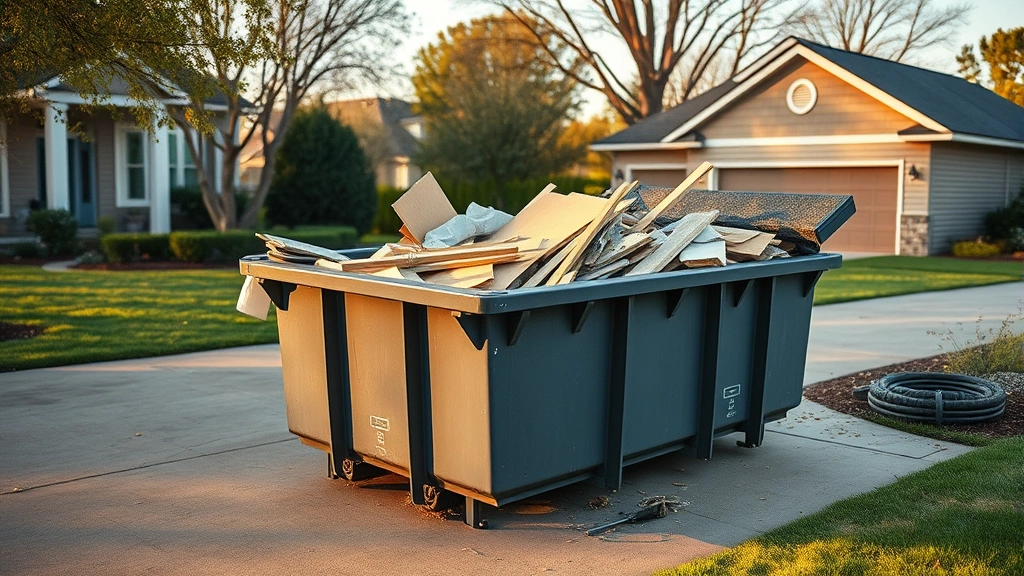
Figuring out how much is it to rent a dumpster doesn’t have to feel like you’re negotiating with a junkyard boss. Whether you’re tackling a major home renovation, clearing out a garage, or managing a construction project, dumpster rental costs are pretty straightforward once you know what factors into the price tag. Most folks spend anywhere from $300 to $1,500 for a standard rental, but your actual bill depends on size, location, rental duration, and what you’re throwing away.
Table of Contents
Dumpster Size & Pricing
The size of your dumpster is the biggest driver of rental costs. Think of it like ordering pizza—bigger means more money. Dumpster sizes typically come in four standard options: 10-yard, 20-yard, 30-yard, and 40-yard containers.
A 10-yard dumpster (the smallest residential option) usually runs $250–$450 for a week. This size works great for small cleanouts, minor renovations, or garage purges. You’re looking at roughly 3-4 pickup truck loads of debris. The 20-yard dumpster, which is the most popular choice for homeowners, typically costs $300–$600 weekly. It holds about twice the capacity and handles moderate renovation projects or large decluttering jobs.
Moving up to a 30-yard dumpster puts you in the $400–$800 range per week. This beast handles major renovations, roof tearoffs, or significant landscaping projects. Finally, the 40-yard dumpster (basically a construction-grade tank) runs $500–$1,200+ weekly and is overkill for most residential work but essential for commercial demolition or massive cleanouts.
Rental Duration Costs
Most dumpster companies quote a base price for a standard rental period—usually 7 days. Keep your rental within that window and you’re golden. Go longer, and you’ll pay daily overage fees, typically $10–$50 per extra day depending on the company and dumpster size.
If you know you’ll need the dumpster for 2-3 weeks, ask about discounted weekly rates instead of daily overages. Many companies offer better pricing if you bundle multiple weeks upfront. For example, two weeks might cost only 1.5 times the weekly rate rather than 1.4 times if you pay daily overages. It’s worth doing the math with your rental company before committing.
Location & Delivery Fees
Where you live makes a real difference in your total cost. Urban and suburban areas typically have lower delivery fees ($0–$100) because dumpster companies have established routes and multiple locations nearby. Rural areas? That’s when delivery fees can jump to $100–$300 or more because the company has to haul the container further.
Some companies include delivery and pickup in their quoted price, while others charge separately. Always ask upfront whether the price you’re hearing includes transportation. If you’re comparing quotes, make sure you’re looking at the total all-in cost, not just the container rental fee. A company quoting $350 with a $100 delivery fee isn’t necessarily cheaper than one quoting $425 all-inclusive.
Weight & Overage Charges
Here’s where people sometimes get surprised. Your dumpster rental includes a weight allowance—typically 1 ton (2,000 pounds) to 5 tons depending on size and company. Fill it with heavy stuff like concrete, dirt, or roofing materials, and you might exceed that limit fast.
Overage charges usually run $50–$150 per additional ton. A 20-yard dumpster with a 3-ton limit that ends up weighing 5 tons could add $100–$300 to your final bill. The moral of the story: if you’re demolishing concrete or hauling heavy construction debris, ask your rental company about weight limits upfront and budget accordingly. Some companies offer higher weight allowances for an additional fee, which might be cheaper than overage charges if you know you’ll be heavy.
Hidden Costs to Watch
Beyond the base rental and delivery, several sneaky charges can pop up on your final invoice. Permit fees are one—if you need to place the dumpster on a public street or right-of-way, your city might require a permit ($10–$100 depending on location). The rental company sometimes handles this and includes it in the quote, but sometimes they’ll bill you separately after the fact.

Hazardous material fees are another gotcha. You can’t throw certain items in a dumpster: refrigerants, batteries, paint, propane, or electronics. If the company finds prohibited materials, they’ll charge you $50–$300 to remove them and dispose of them properly. Protect yourself by asking what’s prohibited before you start loading.
Some companies also charge for long-distance moves (if they have to haul your dumpster far from their depot) or for difficult placements (narrow driveways, soft ground that requires plywood underlayment). Read the fine print or ask directly about any fees beyond the base rental.
Ways to Save Money
Want to trim your dumpster rental costs? Start by sizing correctly. Renting a 30-yard when a 20-yard would do wastes money. Most people underestimate volume, but overestimating size is expensive. If you’re unsure, ask your rental company—they can usually estimate based on your project description.
Next, consolidate your timeline. Renting for two separate weeks costs more than renting once for two weeks. Plan your project so debris removal happens in one rental period if possible. You can also save by being selective about what goes in the dumpster. Donate or sell items that have value, and recycle materials like cardboard, metal, or wood separately if your local recycling center takes them. Less stuff means potentially a smaller dumpster size.
Call multiple companies and get written quotes. Prices vary significantly by region and company. Some offer discounts for seniors, military, or first-time customers. Don’t be shy about asking—you might save 10–20% just by inquiring.
Choosing the Right Company
Not all dumpster rental companies are created equal. Start by checking reviews on Google, Yelp, or the Better Business Bureau. Look for complaints about hidden fees, damage to property, or poor customer service. A company with consistently high ratings is worth the potential premium.
Ask about insurance and liability. If the dumpster damages your driveway or a company truck hits your mailbox, you want to know you’re covered. Reputable companies carry liability insurance and will stand behind their work. Also confirm what happens if you need to cancel—some companies have strict cancellation policies with hefty fees, while others are flexible.
Finally, verify that the company is licensed and follows environmental regulations. They should ask what you’re throwing away and educate you about prohibited materials. A company that doesn’t care what goes in the dumpster might be cutting corners on proper disposal, which could create liability issues for you.
Seasonal Pricing Factors
Dumpster rental prices fluctuate with seasons. Spring and early summer see peak demand because that’s when people tackle renovations and yard work. You might pay 15–25% more for a dumpster in May than in January. If your project is flexible, renting in fall or winter can save you real money.
Holiday weekends also affect pricing. Renting around Thanksgiving, Christmas, or Independence Day might incur holiday fees or higher base rates because companies expect increased demand and want to ensure they have equipment available. Plan ahead if you can, and avoid peak seasons when your timeline allows.
Frequently Asked Questions
What’s the cheapest dumpster size?
The 10-yard dumpster is the cheapest option, typically running $250–$450 per week. It’s perfect for small projects like garage cleanouts or minor home repairs. However, if your project needs a 20-yard, forcing everything into a 10-yard with overage fees will cost more overall.
Do I need a permit for a dumpster?
It depends on placement. If the dumpster sits on your private property (driveway or yard), you usually don’t need a permit. If it has to go on a public street or sidewalk, most cities require a permit ($10–$100). Call your city’s public works department or ask your rental company—they often know local requirements and can advise you.
Can I put anything in a dumpster?
No. Prohibited items typically include batteries, paint, propane, refrigerants, tires, electronics, and hazardous chemicals. Some companies also won’t accept yard waste or certain metals. Always confirm the prohibited list with your rental company before you start loading.
How long can I keep a rented dumpster?
The standard rental period is 7 days. You can keep it longer, but you’ll pay daily overage fees ($10–$50 per day). If you know you’ll need it longer, negotiate a multi-week rate upfront—it’s usually cheaper than daily overages.
What if my dumpster gets full before pickup?
Call your rental company immediately. They can either pick it up early (you might get a partial refund) or bring you a second dumpster. Don’t overfill—it’s unsafe, illegal, and the company won’t pick up an overloaded container. Plus, overloading can trigger weight overage fees anyway.
Are there any discounts available?
Yes. Many companies offer discounts for seniors, military, first responders, or nonprofit organizations (10–20% off). Some also offer discounts for longer rental periods or multiple dumpsters. Always ask—it never hurts, and you might be surprised what’s available.
Final Thoughts
Renting a dumpster is a straightforward way to handle debris from any project, and understanding the costs upfront keeps you from getting blindsided at checkout. Your total bill depends on dumpster size (10-yard to 40-yard), rental duration (typically 7 days), your location, weight limits, and any add-on fees. Most homeowners spend $300–$600 for a week-long rental of a mid-size dumpster, but your specific cost could be higher or lower based on your circumstances.
Get quotes from multiple companies, ask about all fees in writing, and confirm what items are prohibited before you start loading. Size your dumpster correctly—too big wastes money, too small means overage charges or a second rental. If your timeline is flexible, rent during off-season (fall or winter) to save 15–25%. With a little planning and smart shopping, you’ll get the dumpster you need at a fair price and keep your project on budget. For more detailed cost breakdowns on home projects, check out resources on managing project expenses or explore how to maintain your home efficiently to avoid future cleanouts.


