
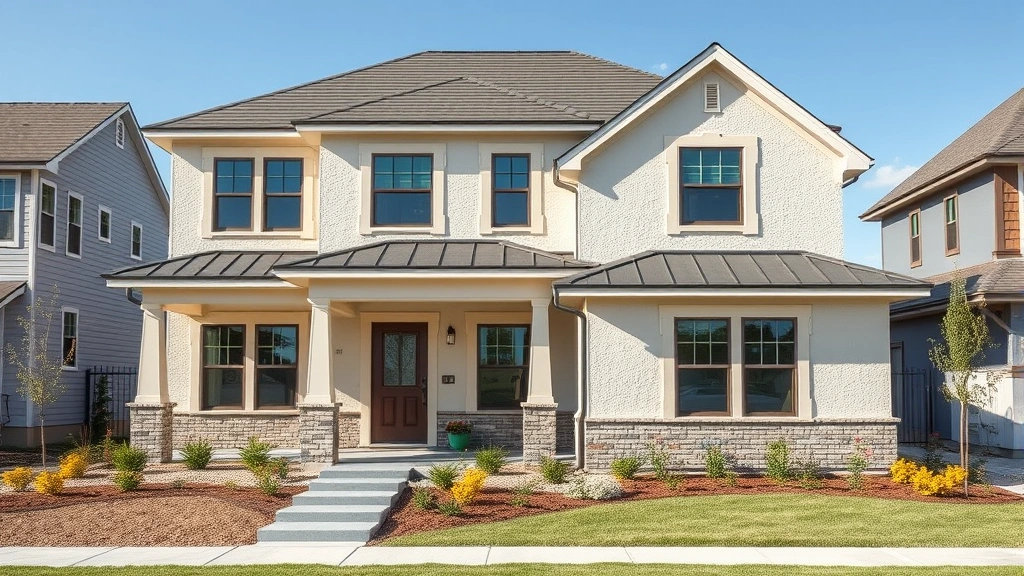
So you’re wondering how much is it to build a house? Yeah, that’s the million-dollar question—literally. Building a house from the ground up isn’t cheap, and the costs can swing wildly depending on where you’re building, what you want, and how hands-on you get with the project. In 2024, you’re looking at anywhere from $150 to $500+ per square foot for new construction, which means a modest 2,000 sq ft home could run you anywhere from $300,000 to over $1 million. Let me break down exactly what goes into these numbers so you can actually plan this thing without losing sleep.
Table of Contents
- Understanding the Cost Breakdown
- Location and Regional Differences
- Foundation and Framing Costs
- Labor: The Hidden Budget Killer
- Materials and Supply Chain Reality
- Permits, Inspections, and Hidden Fees
- Finishes and Upgrade Decisions
- Timeline and Interest Rate Impact
- Money-Saving Strategies That Actually Work
- Frequently Asked Questions
Understanding the Cost Breakdown
Here’s the deal: building a house breaks down into a few major categories, and understanding where your money goes is half the battle. The foundation and structural work typically eats up 10-15% of your total budget. Then you’ve got the framing, which another 10-12%. Electrical, plumbing, and HVAC systems? That’s roughly 25-30% combined. The rest goes to roofing, siding, interior finishes, appliances, and all those little things that make a house actually livable. The average cost per square foot in 2024 hovers around $200-$400 depending on your region and quality level. A 2,000 sq ft home at $300/sq ft puts you at $600,000 before you even think about land or site prep.
Location and Regional Differences
This is where things get real. Building a house in rural Montana costs way different than building in suburban California or downtown Austin. Coastal areas and major metropolitan regions run 30-50% higher than rural zones. Labor costs vary dramatically—skilled trades in competitive markets demand premium wages. Material delivery costs more when you’re far from suppliers. Even local building codes and regulations affect your bottom line. A $300,000 house in rural Tennessee might cost $600,000 in the Denver suburbs. Before you pick your lot, check what other new construction is running in that specific area. Talk to local builders, check county assessor records, and get real numbers from your actual market.
Foundation and Framing Costs
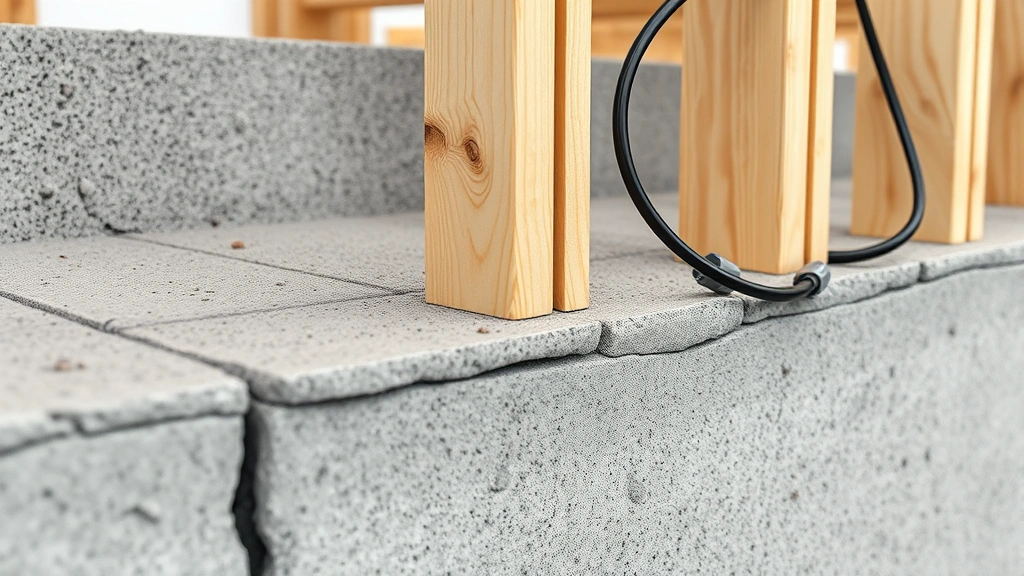
Your foundation is literally everything—screw this up and you’re spending money fixing problems for decades. A concrete slab foundation runs $4-8 per square foot. A basement adds another $10-25 per square foot depending on depth and soil conditions. Crawl spaces fall somewhere in between at $6-12 per square foot. Framing costs depend on lumber prices (which fluctuate like crazy) and labor. In 2024, expect to pay $15-25 per square foot for framing, including materials and labor. This covers the wooden or steel skeleton of your house. Trusses, joists, headers, and all that structural lumber that holds everything up. If you’re building in an area with challenging soil or high water tables, your foundation costs could jump 25-40%. Get a soil test done before you commit to a design.
Labor: The Hidden Budget Killer
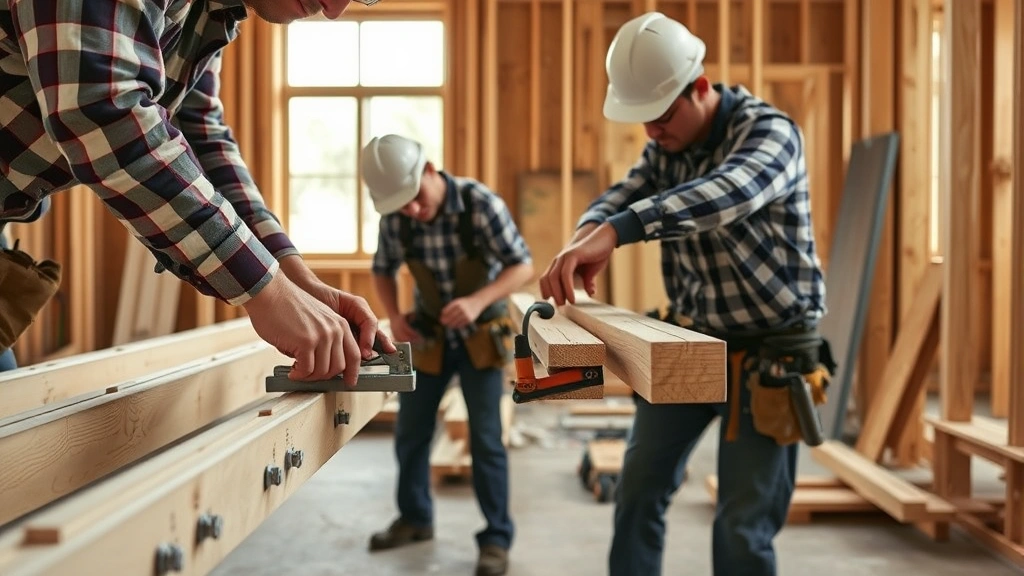
Here’s what nobody tells you: labor costs have skyrocketed. Skilled electricians, plumbers, and HVAC technicians charge $50-150+ per hour depending on your region. A typical new house build requires thousands of labor hours across multiple trades. General contractors typically mark up labor 15-25% on top of what they pay workers. If you’re hiring a general contractor to manage the whole project, expect them to add 10-20% to your total costs. Some builders offer fixed-price contracts, which protects you from overruns but might cost more upfront. Others work on cost-plus arrangements where you pay actual costs plus a percentage. The labor component alone can represent 30-40% of your total build cost. In competitive markets with worker shortages, this percentage climbs higher. Budget for it properly or you’ll be caught off guard.
Materials and Supply Chain Reality
Supply chain issues from 2021-2023 taught us that material costs are unpredictable. Lumber prices have stabilized somewhat but still fluctuate with market conditions. Steel, copper, and other metals tied to commodity prices swing wildly. Appliances, fixtures, and finishes vary enormously based on quality level. A basic builder-grade kitchen with standard appliances runs $15,000-25,000. A mid-range kitchen hits $40,000-70,000. High-end kitchens blow past $100,000 easily. Same story with bathrooms, flooring, and roofing materials. Buy materials too early and prices might drop. Wait too long and costs increase. Most builders lock in material pricing 30-60 days before installation. Get quotes from multiple suppliers and factor in delivery costs, especially if you’re building remotely.
Permits, Inspections, and Hidden Fees
Don’t sleep on permits and fees—they’re boring but they add up fast. Building permits typically run $1,000-5,000+ depending on your jurisdiction and project size. Some areas charge based on square footage or estimated construction cost. Electrical, plumbing, and mechanical permits are separate. Inspections happen at multiple stages: foundation, framing, electrical rough-in, plumbing rough-in, and final inspection. Each one costs money and time. Utility connection fees (water, sewer, electric, gas) can run $2,000-10,000+ depending on how far your lot is from existing infrastructure. HOA fees, impact fees, and development fees vary by location. Some areas charge thousands in impact fees to fund local infrastructure. It’s not glamorous, but budget 5-10% of your total costs for permits, inspections, and fees. Call your local building department early and get a detailed list of requirements.
Finishes and Upgrade Decisions
This is where you can either save money or hemorrhage it. Flooring ranges from $2-15+ per square foot installed. Countertops go from $20-200+ per linear foot. Paint, trim, doors, and hardware add up faster than you’d think. Appliances range from $5,000 for builder-grade to $30,000+ for high-end brands. Lighting fixtures, plumbing fixtures, and hardware multiply quickly. The difference between a $400,000 house and a $600,000 house is usually finishes, not structure. Make a detailed finish schedule early and stick to it. Upgrade decisions made during construction cost 20-30% more than pre-construction selections. If you’re tempted to upgrade, factor in the premium. Builder-grade finishes get you a move-in ready house. Mid-range finishes feel nice and last well. High-end finishes look amazing but demand premium pricing and maintenance.
Timeline and Interest Rate Impact
How long your build takes directly affects your costs. A typical house takes 6-12 months to build, though complex projects run longer. Every month of construction means carrying costs: lot payments, construction loan interest, property taxes, and insurance. Construction loans typically charge 1-3% higher interest than permanent mortgages. If you’re financing $500,000 at 8% for a year-long build, that’s roughly $40,000 in interest alone. Delays cost money—weather, material shortages, labor issues, and design changes all extend timelines. A three-month delay on a $500,000 project might cost $15,000-20,000 in carrying costs. Build during favorable seasons if possible. Plan for realistic timelines and add 10-20% buffer for unexpected delays. When construction wraps, you transition to a permanent mortgage, which typically costs less than construction financing.
Money-Saving Strategies That Actually Work
Want to build smart without cutting corners? Here’s what actually works: First, buy land during off-season when prices are softer. Second, choose a simpler floor plan—complexity costs money. Open layouts cost less than fragmented designs with lots of walls and transitions. Third, standardize finishes across the house rather than custom selections in every room. Fourth, do some finishing work yourself if you’re handy—painting, staining, landscaping, and basic trim work are DIY-friendly. Fifth, build during slower seasons when contractors offer better rates. Sixth, lock in fixed-price contracts with clear scope statements to avoid surprises. Seventh, consider modular or prefab components for certain systems—they’re often cheaper and faster. Eighth, shop around aggressively for contractors and get multiple bids. The difference between the lowest and highest bid often exceeds 20%. Ninth, build smaller initially and expand later if needed. Tenth, focus your upgrade budget on systems you’ll use daily—kitchen, master bath, primary bedroom—and keep other areas simpler.
Real Numbers From 2024 Markets
Let’s talk actual numbers. In rural areas, a 2,000 sq ft house might run $250,000-400,000 total ($125-200/sq ft). Suburban areas typically see $400,000-700,000 for the same house ($200-350/sq ft). Major metropolitan areas hit $600,000-1.2 million ($300-600/sq ft). Coastal premium markets exceed $800,000-2 million+ ($400+/sq ft). These numbers assume standard construction quality, not luxury finishes. A high-end custom home in an expensive market can easily exceed $1,000 per square foot. Research your specific market, talk to local builders, and get actual quotes before making financial commitments. Don’t rely on national averages—your local market is what matters.
Frequently Asked Questions
What’s the cheapest way to build a house?
Build smaller, simpler, and in rural areas. Stick with standard finishes, do some work yourself, and build during off-seasons. Modular or prefab homes sometimes cost 10-20% less than site-built. Focus on essentials and skip luxury upgrades.
Can you build a house for $100,000?
Not in most of the US in 2024. Even in rural areas with cheap land, construction costs run $80-150+ per square foot. A $100,000 budget might cover a tiny 800-1,000 sq ft house in the cheapest regions. You’d need to do significant work yourself or buy a fixer-upper instead.
How much does it cost to build a 3,000 sq ft house?
At average 2024 rates of $250-350/sq ft, expect $750,000-1,050,000 for a quality 3,000 sq ft house. Expensive markets run $400-600+/sq ft, pushing totals to $1.2-1.8 million. Rural areas might hit $600,000-900,000.
Should I hire a general contractor or manage it myself?
Unless you have construction experience, hire a general contractor. They handle coordination, inspections, and problem-solving. Self-managing saves 10-20% but requires serious knowledge and time commitment. Most homeowners save money hiring a professional.
What’s included in the per-square-foot cost?
Typically: foundation, framing, electrical, plumbing, HVAC, roofing, siding, interior walls, flooring, basic fixtures, and paint. Usually excludes: land, site prep, landscaping, pool, deck, and premium appliances. Confirm exactly what’s included in any quote.
How do I avoid cost overruns?
Get detailed fixed-price contracts with clear scope statements. Lock in material pricing early. Make finish decisions before construction starts. Build a 10-15% contingency fund. Weekly meetings with your contractor catch problems early. Document everything in writing.
What’s the impact of building codes on cost?
Stricter codes increase costs 5-15% depending on your area. Seismic zones, flood plains, and high-wind areas demand expensive construction techniques. Energy codes require better insulation and HVAC systems. Check local codes before finalizing your design.


