
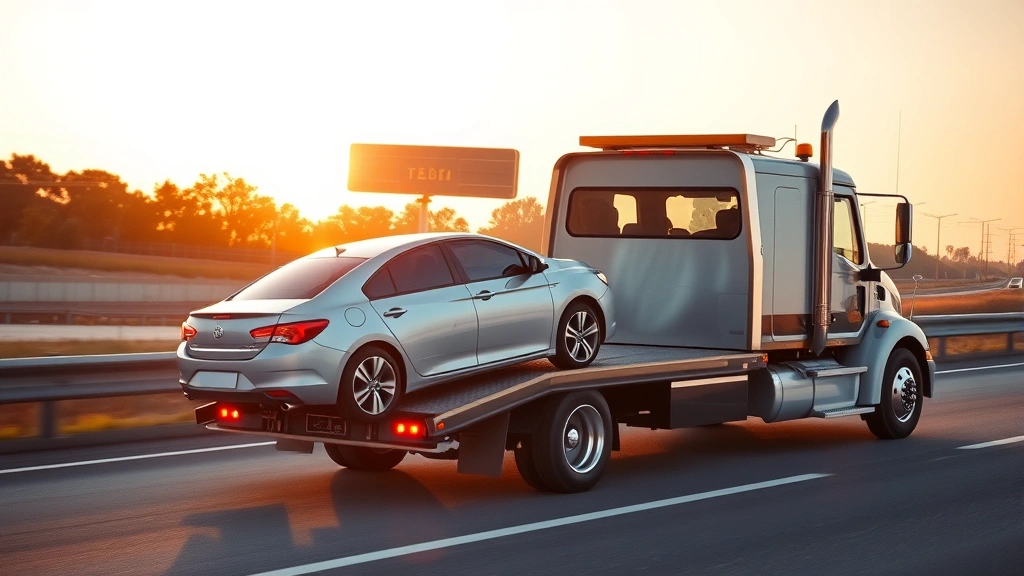
Wondering how much does it cost to tow a car? Whether you’re stranded on the highway or need to move a vehicle across town, towing costs can catch you off guard if you’re not prepared. The truth is, towing prices vary wildly depending on distance, location, vehicle type, and the time of day you need help. Let me break down exactly what you’ll pay and how to avoid getting gouged.
Table of Contents
Basic Towing Costs Breakdown
Let’s start with the fundamentals. Most towing companies charge a base fee plus mileage. The base fee—what you pay just to get the truck rolling—typically runs between $75 and $125 for standard local towing. After that, you’re looking at $2 to $4 per mile for the actual distance traveled. So a quick 5-mile tow might cost you $85 to $145 total, while a 20-mile haul could hit $140 to $245.
These numbers assume daylight hours, reasonable weather, and straightforward recovery. Nothing fancy, just point A to point B. But here’s where it gets interesting: almost everything else bumps that price up.
Distance Matters Most
Distance is the single biggest factor in your final bill. Local towing within city limits stays relatively affordable. But long-distance towing—say, 50 miles or more—flips the math entirely. Many companies offer flat rates for common distances. A 50-mile tow might run $200 to $350, while 100 miles could be $400 to $600. Cross-state moves? You’re entering $1,000+ territory fast.
Pro tip: Get quotes for the exact distance. Don’t estimate. Call the tow company, give them specific addresses, and ask for their per-mile rate. Some companies offer better rates on longer hauls because they’re already heading that direction anyway.
Location Pricing Variations
Urban areas charge more than rural zones. A tow in downtown Los Angeles or New York City will cost significantly more than the same distance in rural Montana. City towing involves traffic navigation, parking restrictions, and higher overhead costs for the operator. Rural towing can be cheaper per mile but might involve longer wait times and fewer available services.
Regional differences matter too. Coastal areas and major metropolitan regions typically charge 20-40% more than inland communities. If you’re planning a road trip, research towing costs in your destination area beforehand. You might discover that roadside assistance membership becomes a smart investment for certain regions.
Vehicle Type Impact
Your vehicle’s size and weight directly affect towing costs. Standard sedans are the baseline price. Larger vehicles like SUVs, trucks, and vans cost more—typically 10-25% extra. Luxury vehicles or exotic cars? Some companies charge premium rates because they require specialized equipment and insurance coverage.
Motorcycles and ATVs cost less than cars because they’re lighter and faster to load. But if your vehicle is disabled, stuck in a ditch, or requires special rigging, expect additional recovery charges ranging from $50 to $200+. A car on its side or in water needs professional recovery equipment and expertise—that’s premium pricing territory.
Emergency Towing Premiums
Call for a tow at 3 AM on a Sunday, and you’re paying a premium. After-hours towing typically costs 25-50% more than daytime service. Holiday towing can be even steeper. Winter storms and peak travel seasons see rates jump because demand exceeds supply and operators face hazardous conditions.
Night towing isn’t just pricier—it’s also slower. You might wait 45 minutes to 2 hours for a truck in busy areas. Daytime towing during normal business hours? Usually 15-30 minutes. Time is money, and both work against your wallet during emergencies.
Membership Discounts
This is where smart planning saves real money. AAA membership includes towing coverage—typically 7 miles free for basic members, up to 100 miles for Plus members. Cost? Around $50-150 per year, depending on membership level. That one tow pays for itself instantly.
Insurance company roadside assistance is another option. Many policies include 3-7 miles of free towing. Check your policy documents—you might already have coverage and not realize it. Credit card companies sometimes offer roadside assistance too, especially premium cards. Truck manufacturers often bundle towing into warranty packages. Before paying out of pocket, verify what coverage you already have.
Insurance Coverage Options
Your auto insurance policy might cover towing under comprehensive or collision coverage, depending on the circumstances. If you’re in an accident, collision coverage usually includes towing to a repair shop. Comprehensive coverage (theft, weather, animals) typically includes towing too.
The catch? You still pay your deductible—usually $500-$1,000. So insurance helps with major incidents but not minor breakdowns. That’s where roadside assistance memberships shine. They cover mechanical failures, lockouts, and dead batteries without deductibles.
Money-Saving Strategies
First, get multiple quotes. Call three different companies and compare prices. Don’t accept the first number. Second, ask about flat rates versus hourly rates. Some companies offer better deals on flat-rate towing for common distances. Third, check if your destination repair shop has preferred towing partners—they might negotiate better rates.
Fourth, join AAA or a similar roadside assistance program before you need it. The annual fee is negligible compared to one emergency tow. Fifth, maintain your vehicle properly. Regular maintenance prevents breakdowns that require towing. Sixth, if you’re facing a long-distance tow, consider renting a trailer and towing it yourself if your vehicle can handle it—sometimes cheaper than professional towing.
Finally, document everything. Get a written quote, take photos of your vehicle’s condition, and keep all receipts. If you’re filing an insurance claim, this documentation protects you and speeds up reimbursement.
Frequently Asked Questions
What’s the average cost to tow a car 10 miles?
A 10-mile tow typically costs $95 to $165. That’s a $75-125 base fee plus $2-4 per mile for 10 miles. Prices vary by location and company, so always get a quote for your specific situation.
Does AAA membership cover all towing costs?
AAA covers 7 miles free for basic members and up to 100 miles for Plus members. If your tow exceeds the covered distance, you pay the additional mileage. Premium memberships offer better coverage limits.
Can I negotiate towing prices?
Yes, especially for long-distance tows or repeat business. Get multiple quotes and mention competitor prices. Some companies will match or beat offers. Flat-rate deals are often more negotiable than per-mile pricing.
Is towing covered under car insurance?
It depends on your policy and the situation. Accident-related towing is usually covered under collision coverage. Mechanical breakdown towing might not be covered unless you have roadside assistance add-ons. Check your policy details.
What’s the most expensive towing situation?
Long-distance towing (100+ miles) during emergencies (nights, holidays, bad weather) for large vehicles (trucks, SUVs) requiring recovery (stuck in ditch, water, accident) costs the most—potentially $800-$1,500+.
How can I avoid high towing costs?
Join AAA or roadside assistance programs before emergencies. Maintain your vehicle regularly to prevent breakdowns. Get quotes from multiple companies. Ask about flat rates. Check if your insurance already covers towing. Plan ahead for long road trips.


