
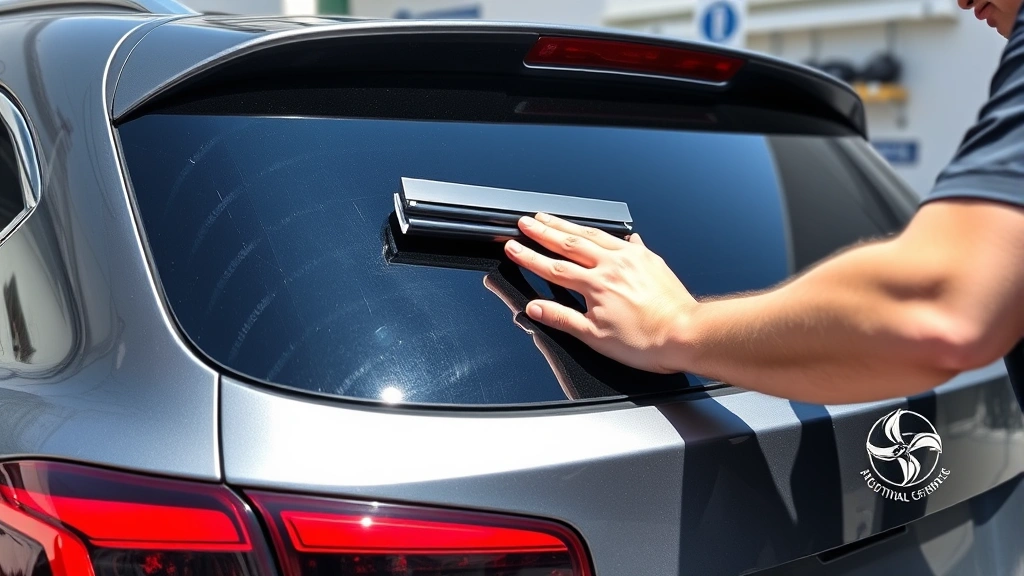
Let’s be real: you’re wondering how much does it cost to tint car windows, and you want a straight answer without the sales pitch. Window tinting can run anywhere from $150 to $800+ depending on your vehicle, the type of film, and where you live. But there’s a lot more to understand before you hand over cash—like what actually affects the price, whether DIY is worth it, and whether that cheap shop down the street is cutting corners or just efficient.
This guide breaks down every factor that impacts window tinting costs, so you can make an informed decision instead of getting blindsided at checkout.
Factors That Affect Window Tinting Cost
The price of window tinting isn’t one-size-fits-all. Several variables stack up to determine your final bill. Understanding these factors helps you compare quotes accurately instead of just picking the cheapest option.
Vehicle size and window count is the biggest variable. A compact sedan has fewer and smaller windows than a full-size SUV or a van. More glass = more film = higher labor time. A Honda Civic might cost $200–$400 while a Ford Expedition could hit $600–$1,000. The shop isn’t trying to gouge you; they’re literally working with more material and spending more time on your vehicle.
Window complexity matters too. Some cars have curved windows, tinted factory glass, or complex shapes that require custom cutting. Newer vehicles often have complex rear window designs. A straight application on a 2005 Civic is quicker than a 2024 Cadillac Escalade with its panoramic glass.
Film quality is the second-biggest price driver after vehicle size. Cheap dyed film runs $100–$200 for a whole car. Premium ceramic or hybrid film can be $400–$800. We’ll break down film types in detail below.
Labor costs vary wildly by region and shop reputation. A tint job in rural Kansas costs less than the same job in Los Angeles or New York City. Experienced shops with strong reputations charge more because they deliver better results and faster turnarounds.
Pro Tip: If a shop quotes you significantly lower than competitors, ask why. Is it a newer technician? Older film stock? Or are they just hungry for business? There’s nothing wrong with the latter, but understand what you’re getting.
Types of Tint Film and Their Prices
Not all tint is created equal. The film you choose affects heat rejection, durability, appearance, and obviously, cost. Here’s what’s available:
Dyed Film is the budget option, typically $100–$250 for a full car. It’s basically a layer of dye sandwiched between adhesive and polyester. It blocks some heat and reduces glare, but it fades over time (3–5 years) and doesn’t reject as much heat as other options. If you’re on a tight budget or planning to sell the car soon, this works. If you want longevity, skip it.
Metallic Film runs $200–$400 for a full vehicle. It uses tiny metal particles to reflect heat and UV rays, making it significantly more effective than dyed film. The downside? It can interfere with cell phone and GPS signals if applied too heavily. Many shops now avoid it for this reason, and some states restrict it. It also has a reflective, mirror-like appearance that some people love and others hate.
Carbon Film is the sweet spot for most people: $300–$600 for a full car. It uses carbon particles (not metal) to block heat without the signal interference. It’s more durable than dyed film (5–10 years), looks more natural than metallic, and performs better than both. If you’re asking “what should I get?”, carbon is the answer 80% of the time.
Ceramic Film is the premium option, $500–$1,200+ for a full vehicle. It’s the newest technology and the best performer. Ceramic particles are non-conductive, so no signal issues. It blocks up to 99% of UV rays, rejects significant heat, and lasts 10+ years. It won’t fade or discolor. You’re paying for durability and performance here.
Hybrid Film blends two technologies (usually dyed and metallic, or carbon and ceramic) to balance cost and performance. Expect $250–$500. It’s a middle-ground option that performs better than dyed but costs less than full ceramic.
Here’s a quick comparison table in your head: Dyed = cheap but fades fast. Metallic = good heat rejection but signal issues. Carbon = reliable all-rounder. Ceramic = best but pricey. Hybrid = balanced compromise.
Regional Pricing Variations
Where you live dramatically affects pricing. A ceramic tint job that costs $800 in Denver might be $1,200 in Miami or $950 in Austin. Why?
Cost of living is the primary driver. Shops in expensive cities have higher rent, labor, and overhead. They pass that on to customers. It’s not unfair; it’s just economics.
Climate influences demand. Hot regions (Arizona, Florida, Southern California) have year-round tinting demand, so shops are busier and can charge more. Cold regions have seasonal demand, so shops might offer lower prices to stay booked during winter.
Competition varies. A major metropolitan area might have 50 tinting shops competing, which drives prices down. A small town might have two shops, which gives them pricing power.
Local labor rates differ. Technicians in New York City command higher wages than technicians in rural Missouri. That cost flows to you.
The takeaway: Get quotes from 2–3 local shops. Don’t assume the cheapest is bad or the most expensive is best. Look at reviews, ask about warranty, and compare the film type they’re offering.
DIY vs. Professional Installation
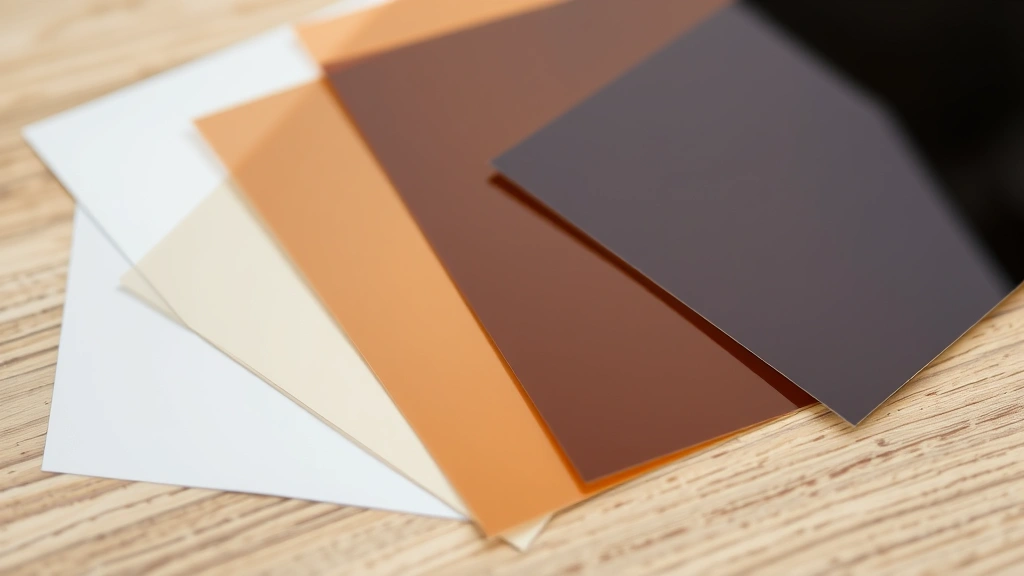
You’ve probably thought about tinting your own windows. Let’s talk about whether it’s realistic.
Professional installation costs $200–$1,200 depending on vehicle and film. You’re paying for skill, experience, tools, and warranty. A good installer can do a sedan in 2–3 hours with nearly invisible seams and no bubbles. They have heat guns, squeegees, cutting tools, and years of muscle memory.
DIY tinting costs $50–$300 for film alone (much cheaper), but here’s the catch: it’s harder than it looks. You need to:
- Measure and cut film precisely (one mistake wastes $30–$100 of material)
- Clean windows perfectly (any dust ruins the job)
- Apply film without bubbles or wrinkles (takes practice)
- Trim edges perfectly (visible rough edges look cheap)
- Cure properly (24–48 hours without touching)
Most people’s first DIY tint job shows bubbles, wrinkles, or uneven seams. It’s fixable but frustrating. Your second or third attempt improves significantly. By your fifth car, you might be decent at it.
If you’re mechanically inclined and patient, DIY can save $300–$500. If you’re impatient or perfectionist, professional is worth every penny. There’s no shame in either choice.
Safety Note: Never tint your windshield or the top 6 inches of your front side windows in most states. It’s illegal and dangerous. Check your local laws before starting. The National Highway Traffic Safety Administration (NHTSA) has resources on window tinting regulations.
Hidden Costs and Warranties
When you get a quote, the price you see isn’t always the final price. Watch for these add-ons:
Removal of old tint might cost $50–$150 if you’re replacing existing tint. Some shops include it; others charge separately. Ask upfront.
Defroster lines on rear windows can be expensive to tint properly. Some shops charge $25–$50 extra because it requires careful cutting around the lines. Others include it.
Sunroof tinting is often quoted separately, usually $75–$150 extra. It’s trickier than door windows.
Ceramic coating protection for the tint film itself (yes, it’s a thing) might add $50–$100. It’s optional and mostly marketing, but some shops push it.
Warranty coverage is critical. Professional shops typically offer 3–5 year warranties on the film itself (against fading, peeling, or discoloration) and labor warranties (if something goes wrong, they fix it free). Some premium shops offer lifetime warranties. Always ask what’s covered and for how long. Get it in writing.
A cheap shop with no warranty isn’t a deal if the tint peels in two years and you’re paying again. A premium shop with a 5-year warranty is insurance against that headache.
If you’re doing maintenance on your vehicle, tinting is a good time to handle other projects like changing your cabin air filter since you’re already in the shop.
How to Save Money on Window Tinting
Want to reduce costs without sacrificing quality? Here’s how:
Tint only what matters. Many people tint only the rear and side windows, skipping the windshield (which is illegal to tint anyway in most places). This cuts cost by 20–30%. If you’re mostly concerned about privacy and heat in the back, this is smart.
Choose carbon or hybrid instead of ceramic. You save $200–$400 and still get excellent performance. Ceramic is overkill unless you live in extreme heat or plan to keep the car 10+ years.
Get quotes from multiple shops. Prices vary by 20–40% even in the same city. Call three shops, compare film types, and negotiate. Some shops offer discounts for cash or off-season work.
Ask about package deals. Some shops offer discounts if you tint multiple vehicles or add other services (paint protection film, ceramic coating). Bundling saves money.
Check for promotions. Many shops run seasonal sales (summer heat season, holiday sales). Signing up for their email list or calling to ask about current specials can save $50–$100.
Go with a newer technician at a reputable shop. Some shops employ apprentices or newer techs who charge less but work under supervision. You get lower cost without sacrificing quality.
Do it yourself if you’re capable. This is the nuclear option for savings, but only if you’re genuinely willing to learn and accept imperfection on your first attempt.
Legal Considerations by State
Before you tint, check your state’s laws. They vary wildly, and getting pulled over for illegal tint is annoying and expensive.
Visible light transmission (VLT) is the key metric. It’s the percentage of light allowed through the tint. Most states allow 35% VLT on rear windows and side windows behind the driver, but only 70% on front side windows (so light tint or no tint). Some states are stricter; some are looser.
For example, California allows 70% on front windows and 35% on rear windows. Arizona allows 35% on all windows except the windshield. Florida allows 35% on rear windows and 28% on side windows behind the driver, but 70% on front side windows.
The Spruce has a comprehensive state-by-state guide on window tinting laws. Bookmark it and check before you commit to a tint level.
Medical exemptions exist in many states for people with light-sensitive conditions. If you qualify, you can get darker tint with a permit.
Penalties for illegal tint vary. You might get a warning, a citation ($100–$300), or a requirement to remove the tint. Some states are lenient; others are strict. California and Texas are notorious for enforcement.
Here’s the real talk: most people with slightly illegal tint never get stopped. But it’s not worth the risk. Follow your state’s rules, and you’re safe.
Pro Tip: Ask your installer what VLT they recommend for your state and vehicle. Reputable shops know the laws and won’t tint you illegally. If a shop says “don’t worry about it,” that’s a red flag.
Frequently Asked Questions
How much does it cost to tint car windows on average?
– For a sedan with standard carbon or hybrid film, expect $300–$500. A full-size SUV with ceramic film might run $800–$1,200. Budget $200–$400 for dyed film on a small car, or $600–$1,000+ for ceramic on a larger vehicle. Regional variation is significant, so get local quotes.
Is ceramic window tint worth the extra cost?
– If you live in extreme heat, plan to keep your car 10+ years, or want the absolute best performance, yes. If you’re selling in 3–5 years or live in a mild climate, carbon film offers 90% of the benefit at 60% of the cost. It depends on your priorities.
Can I tint my windshield?
– No, not in any state. Federal safety regulations prohibit windshield tinting because it reduces visibility. You can tint the top 6 inches in some states, but the main windshield is off-limits. Rear windows and side windows are fair game.
How long does window tinting last?
– Dyed film lasts 3–5 years. Carbon lasts 5–10 years. Ceramic lasts 10+ years. Fading, peeling, or discoloration are the main failure modes. Quality and climate affect longevity significantly.
Can I remove tint myself?
– Yes, but it’s tedious. You can use a heat gun and scraper to peel it off, or use a steamer. It takes 1–3 hours depending on how stubborn the adhesive is. Some people use ammonia-soaked newspaper under plastic wrap to soften the adhesive. It’s doable but messy. Shops charge $50–$150 for removal.
Does tinted glass reduce heat inside the car?
– Yes, significantly. Quality tint (carbon or ceramic) blocks 40–99% of infrared heat depending on the film type. Your car will be noticeably cooler, especially in hot climates. This also reduces air conditioning load, saving fuel. Dyed film blocks less heat than carbon or ceramic.
Will tint affect my cell phone signal or GPS?
– Metallic film can interfere with signals due to metal particles. Carbon and ceramic don’t. If signal is a concern, avoid metallic and stick with carbon or ceramic.
What’s the difference between precut and custom-cut tint?
– Precut film comes in standard sizes for popular vehicles, reducing labor and cost. Custom-cut film is cut on-site for your specific car, allowing for perfect fit on complex windows. Precut is cheaper but less precise. Custom is more expensive but looks better. Most shops use custom-cut for quality.
Can I wash my car right after tinting?
– No. Wait 24–48 hours before washing or rolling down windows. The adhesive needs time to cure. Rushing this causes bubbles and peeling. Your installer will tell you the exact timeline.
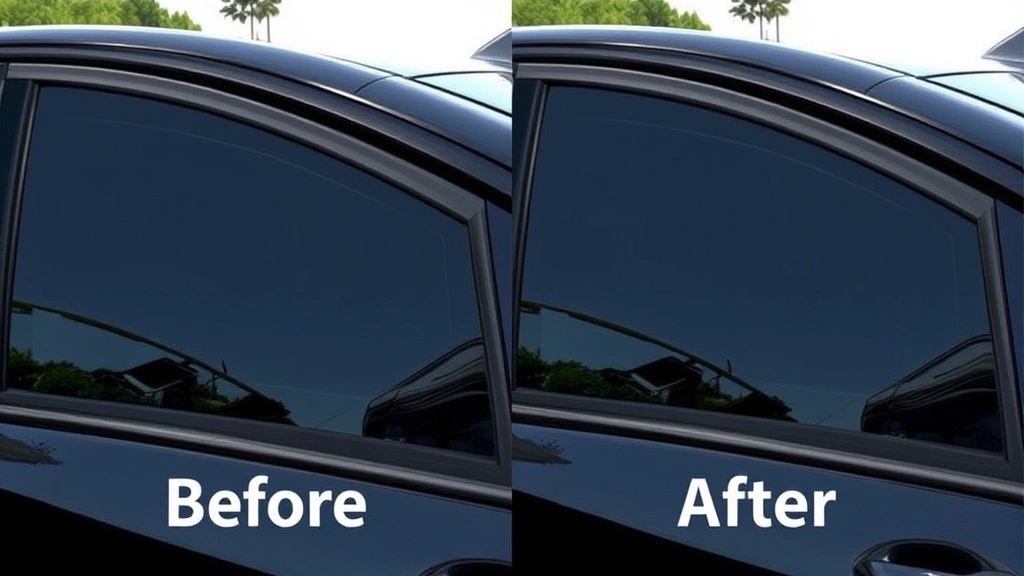
Is there a warranty on window tint?
– Most reputable shops offer 3–5 year warranties on the film (against fading or peeling) and labor warranties (if it’s installed wrong, they fix it). Some premium shops offer lifetime warranties. Always ask and get it in writing.
Bottom Line: Window tinting costs $200–$1,200 depending on vehicle size, film quality, location, and installer reputation. Carbon film offers the best value for most people. Professional installation is worth the cost if you want quality results and a warranty. Get quotes from multiple shops, understand what film type you’re getting, and check your state’s legal limits before committing. Don’t cheap out on something you’ll look at every day.


