
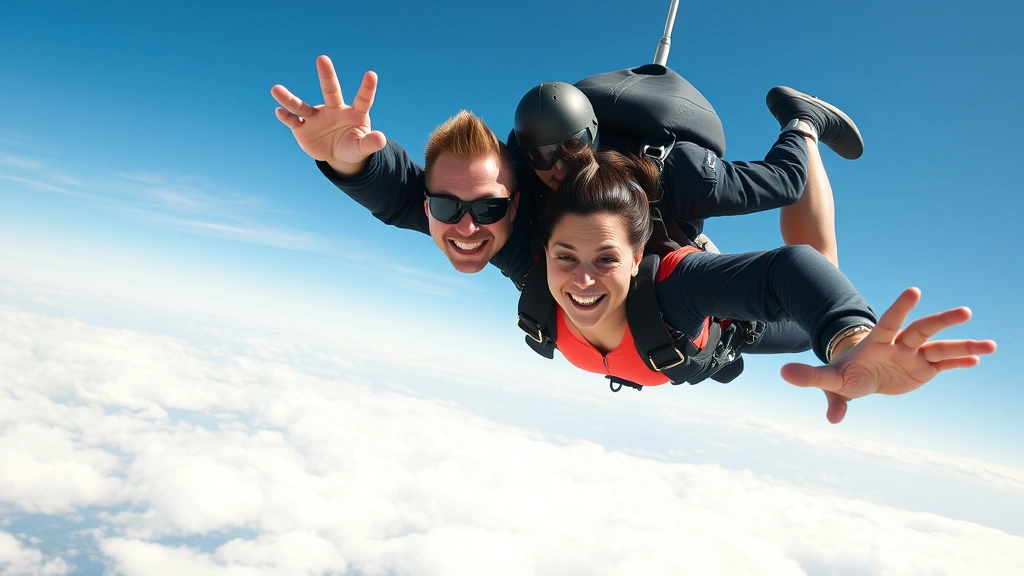
So you’re thinking about jumping out of a perfectly good airplane? Smart move. How much does it cost to skydive is probably your first question, and honestly, it’s way more affordable than most people think. Whether you’re a total newbie or considering becoming certified, we’re breaking down every price point, hidden fees, and ways to save cash on this ultimate adrenaline rush.
Table of Contents
Tandem Skydiving Basics
Tandem skydiving is the entry point for 99% of first-timers, and it’s exactly what it sounds like—you’re strapped to an experienced instructor who handles all the technical stuff while you enjoy the ride. This is the most accessible way to experience freefall without years of training. The instructor manages your exit, deployment, and landing, so you just need to show up and be ready for the experience of your life.
Most tandem jumps happen at 10,000 to 15,000 feet, giving you a solid 45-60 seconds of actual freefall before the parachute opens. That’s plenty of time to feel like you’re genuinely flying. The whole experience, from arrival to landing, typically takes 3-5 hours when you factor in paperwork, training, and waiting for the right weather conditions.
Average Cost Breakdown
Let’s get straight to the numbers. A tandem skydive costs between $200 and $400 for most dropzones across the United States, with the national average sitting around $250-$300. This base price covers your instructor, equipment, the aircraft, and your jump itself. Nothing fancy, just the essentials to get you airborne and back down safely.
Here’s what that price typically includes:
- Instructor fees and expertise
- Parachute system rental (main and reserve)
- Harness and gear
- Aircraft rental and fuel
- Ground instruction and safety briefing
- Jump logbook entry
What it usually doesn’t include are video packages, photos, or premium add-ons. Those extras can double your total cost if you want professional documentation of your jump.
Regional Price Variations
Prices vary significantly depending on where you jump. Dropzones near major cities or tourist destinations tend to charge more because demand is higher and operating costs are steeper. California and Florida coastal areas might run $300-$400, while rural Midwest dropzones could be as low as $200-$250.
Popular tourist destinations like Las Vegas, Hawaii, or the Grand Canyon area command premium prices—sometimes $400-$500—because they combine the jump with scenic views. You’re paying partly for the location, not just the experience. International jumps in places like Switzerland or New Zealand can run $300-$600 depending on the dropzone and local regulations.
Additional Fees Explained
Here’s where dropzones make their real money, and where your total cost can jump significantly. Video and photo packages are the biggest variable. A professional video package (usually 5-10 minutes of your entire jump) costs $100-$200. Still photos run $50-$100. Want both? You’re looking at $200-$300 extra.
Some dropzones charge separate fees for:
- Altitude upgrades: Jumping from 15,000 feet instead of 10,000 adds $50-$100
- Tandem instructor fees: Some places charge this separately ($50-$100)
- Gear rental: Occasionally billed separately from the jump fee
- Coaching fees: If you want post-jump debrief or special instruction
- Parking: Some dropzones charge $5-$10 for parking
- Waiver processing: Rarely, a small administrative fee ($10-$20)
Always ask upfront what’s included in the quoted price to avoid sticker shock at checkout.
Certification Training Costs
If you catch the skydiving bug and want to become certified to jump solo, costs increase significantly. The Accelerated Freefall (AFF) program is the most popular certification route in the US, and it’s not cheap. Expect to spend $3,000-$5,000 total for full certification through the USPA (United States Parachute Association).
Here’s the typical breakdown:
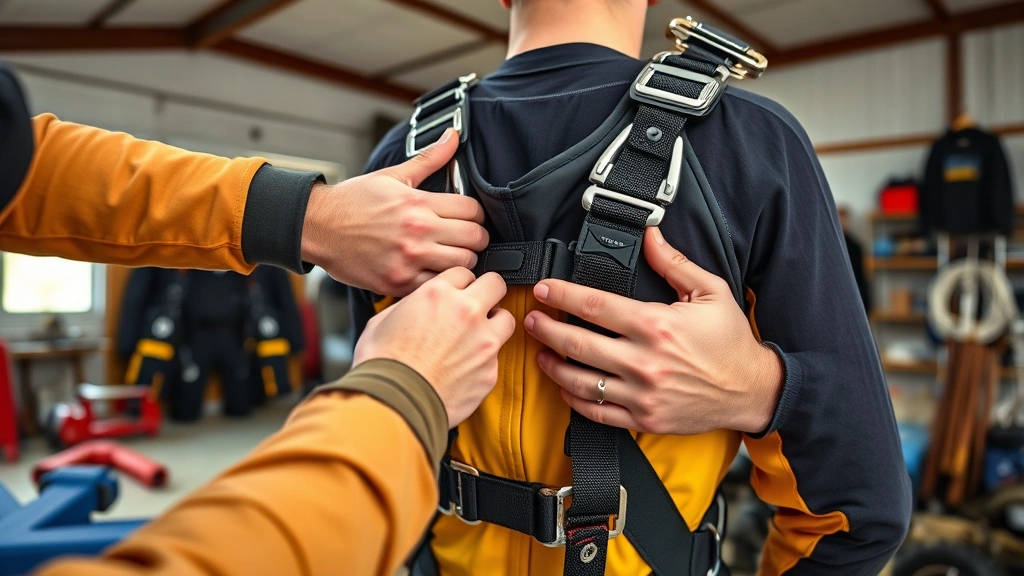
- First jump course: $200-$300 (includes one tandem or AFF jump)
- AFF Level 1-8 progression: $200-$300 per jump (8 jumps minimum)
- Equipment rental: $20-$40 per jump if you don’t own gear
- Packing services: $3-$5 per jump if you don’t pack your own
- Membership and licensing: $75-$150 annually
Full certification usually requires 25-30 jumps minimum, so you’re looking at substantial investment. Many people spend $5,000-$8,000 before they’re truly independent jumpers with their own equipment.
Ways to Save Money
If you’re budget-conscious but desperate to jump, there are legitimate ways to reduce costs. First, check Groupon and similar deal sites—dropzones regularly offer 20-30% discounts for first-timers. We’ve seen tandem jumps discounted from $300 to $200 or less through these platforms.
Book during off-season (winter in most areas, summer in high-altitude locations). Demand drops, and dropzones offer better rates to fill slots. Weekday jumps are cheaper than weekends—sometimes $30-$50 less.
Skip the video package on your first jump. You’ll be so overwhelmed with adrenaline that you might not even remember the freefall clearly. Save the video investment for your second jump when you can actually appreciate it.
Join a skydiving club or community. Some clubs negotiate group rates with dropzones, bringing per-jump costs down by 15-25%. It’s also a great way to meet other jumpers and learn the culture.
Package Deals & Discounts
Many dropzones offer package deals that reduce per-jump costs significantly. A 10-jump package might cost $2,200 instead of $2,500 for individual jumps—that’s $220 per jump instead of $250. The more jumps you commit to upfront, the better your per-jump rate.
Military, first responders, and students often get 10-15% discounts. Always ask. Group bookings (4+ people) typically get 10-20% off the standard rate. Bachelor parties, corporate team-building events, and friend groups can negotiate better pricing.
Birthday month specials are common—some dropzones give you a discount on your birthday or the month you were born. Check directly with your local dropzone about their current promotions.
What Affects Pricing
Several factors influence how much you’ll actually pay. Dropzone overhead varies wildly—insurance, fuel, aircraft maintenance, and staff salaries differ by location. Rural dropzones with lower overhead charge less. Coastal or mountain dropzones with expensive real estate and higher operating costs charge more.
Instructor experience and reputation matter. A highly-certified instructor with thousands of jumps might charge more than a newer instructor, though most tandem programs use similarly-qualified staff. Aircraft type affects cost—some dropzones use more expensive planes that require higher jump fees to break even.
Seasonal demand is huge. Summer weekends at popular dropzones can command premium prices because everyone wants to jump then. Winter weekdays? You’re getting deals.
Weather delays can affect your total cost. If you book a jump and weather cancels it, you’ll either reschedule (potentially at a different price) or get a credit. Some dropzones charge rebooking fees if you reschedule multiple times.
Comparing Dropzones
Not all dropzones are created equal, and price differences don’t always reflect quality. Before booking, research several factors: customer reviews on Google and TripAdvisor, safety record (check USPA incident reports), instructor qualifications, and what’s actually included in the quoted price.
Call three dropzones and ask the same questions. Get everything in writing—base price, what’s included, what costs extra, cancellation policies, and rescheduling fees. A $50 price difference might seem huge, but if the cheaper place has mediocre reviews and the expensive place is known for exceptional service, it’s worth paying more.
Check if they offer video packages in-house or require you to buy from third parties. Some dropzones include basic still photos in the jump fee; others charge $75+ for a single professional photo. These details add up fast.
Ask about their aircraft. Newer planes with better safety records and more comfortable interiors might justify higher prices. Some dropzones still use older aircraft that are perfectly safe but less comfortable for the ride up.
Frequently Asked Questions
Is skydiving more expensive than other extreme sports?
Compared to other adrenaline activities, skydiving is actually pretty reasonable. A single tandem jump ($250-$300) costs less than a weekend helicopter tour or a day of professional mountain biking instruction. Becoming certified is pricey, but so is getting certified in skiing, scuba diving, or rock climbing.
Can you negotiate skydiving prices directly with dropzones?
Sometimes, especially for group bookings or multiple jumps. Individual first-timers won’t get much negotiation room, but if you’re booking 5+ people or committing to a package, most dropzones will work with you. It never hurts to ask.
What’s included in the base jump price versus what costs extra?
The base price always covers your instructor, parachute system, harness, aircraft, and instruction. Video, photos, altitude upgrades, and special coaching are almost always extra. Always confirm what’s included when you call to book.
Do you need to be in good physical shape to skydive?
You don’t need to be an athlete, but you should be reasonably mobile. Weight limits exist (usually 220-250 lbs depending on the dropzone) because heavier jumpers require different gear and landing techniques. Health conditions like heart problems, recent surgery, or severe joint issues might disqualify you. Ask during booking if you have concerns.
How much does it cost to skydive internationally?
International dropzones vary wildly. European locations (Switzerland, France) run $300-$500. New Zealand and Australia are $400-$600. Thailand and other Southeast Asian dropzones are surprisingly affordable at $200-$350. Exchange rates and local operating costs drive the variation.
Are tandem jumps cheaper than solo jumps after certification?
Yes. A solo jump after certification costs $150-$200 per jump (just aircraft and equipment rental), while tandem jumps stay at $250-$400 because you’re paying for the instructor. This is why many people get certified—the per-jump cost drops by 30-50%.
What happens if weather cancels your jump?
You get rescheduled for free on another day, or you get a full refund. Weather delays are built into skydiving—wind, clouds, and storms are legitimate safety concerns. Most dropzones are flexible about rescheduling, though you might have limited availability if you booked during peak season.


