
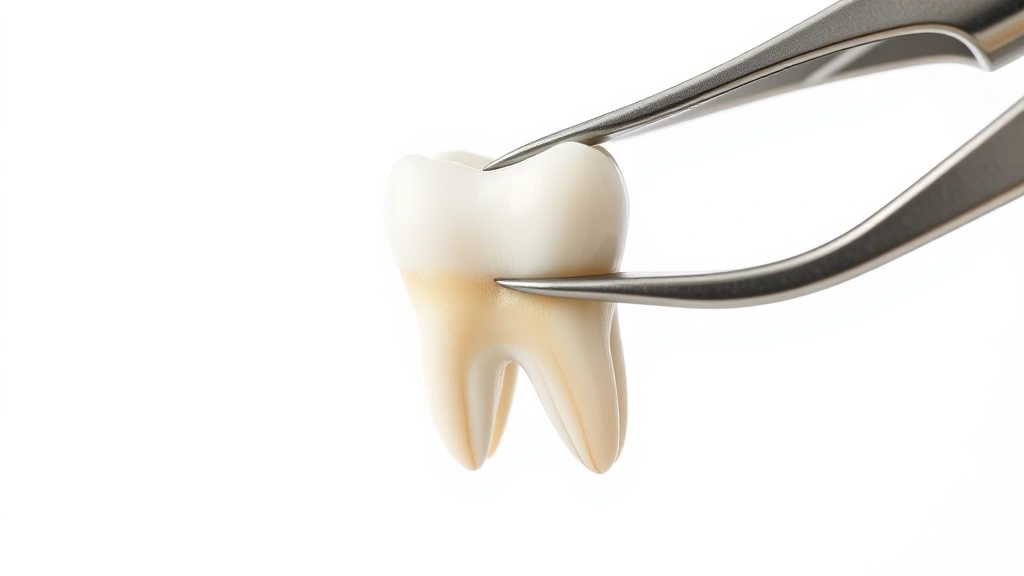
How much does it cost to remove wisdom teeth? This is one of the most common questions people ask when facing oral surgery, and honestly, the answer isn’t as straightforward as you might hope. Wisdom tooth extraction costs can range anywhere from $75 to $200 per tooth for simple removals, or $225 to $600+ per tooth for surgical extractions. But there’s a lot more to understand about what drives these prices, what your insurance might cover, and how to make the smartest financial decision for your dental health.
Table of Contents
Breaking Down the Costs
When you’re looking at wisdom tooth removal pricing, you need to understand what you’re actually paying for. The base extraction fee is just the starting point. Most oral surgeons and dentists charge per tooth, so if you’re having all four removed, you’re looking at four separate charges. Some practices offer discounts when extracting multiple teeth in one session, which can save you 10-20% compared to individual procedures.
The average cost per tooth in 2024 ranges from $75 to $200 for straightforward removals where the tooth is fully erupted and easily accessible. However, if your wisdom teeth are impacted—meaning they’re stuck beneath the gum line or bone—you’re moving into surgical extraction territory, where costs jump to $225 to $600 per tooth. In some complex cases, particularly with severely impacted teeth or complications, you might pay even more.
Think of it like any home repair project: the simpler the job, the less it costs. A basic extraction is like fixing a loose doorknob, while surgical removal is more like replacing a load-bearing wall. The complexity determines the price tag.
Simple vs. Surgical Extraction
Understanding the difference between simple and surgical extraction is crucial because it directly affects your bill. A simple extraction happens when the tooth is fully visible, properly positioned, and can be removed with standard tools. Your dentist numbs the area, loosens the tooth with an elevator, and pulls it out with forceps. This typically takes 20-40 minutes per tooth and costs $75-$200.
Surgical extraction is what happens when teeth don’t cooperate. If your wisdom tooth is impacted, partially buried in bone, or at an awkward angle, an oral surgeon needs to make an incision in the gum, possibly remove bone, and sometimes section the tooth into pieces for removal. This requires more training, specialized equipment, and significantly more time. You’re looking at $225-$600 per tooth, sometimes more depending on complexity.
The surgeon will typically take X-rays beforehand to assess the situation. This imaging ($50-$200) helps determine which category your teeth fall into and allows for accurate pricing. Some practices include this in the extraction fee; others charge separately. Always ask upfront.
Insurance Coverage Explained
Here’s where it gets interesting: most dental insurance plans cover 50-80% of surgical extractions because they’re considered medically necessary in many cases. However, coverage varies wildly depending on your specific plan. Some plans classify wisdom tooth removal as a major procedure (covered at 50%), while others treat it differently.
Your insurance likely has an annual maximum—typically $1,000-$2,000 per year. If you’ve already used most of your benefits on other dental work, wisdom tooth extraction might push you over that limit, leaving you responsible for the remainder. This is why timing matters. Some people strategically schedule extractions to span two calendar years to maximize insurance benefits.
Before scheduling anything, call your insurance provider and ask these specific questions: What percentage do they cover for surgical extractions? What’s your annual maximum? Have you used any benefits this year? Do they require pre-authorization? Is there a waiting period for major procedures? Getting these answers prevents expensive surprises at the billing desk.
Geographic Location Matters
Where you live dramatically impacts what you’ll pay. Urban areas and coastal regions typically charge 20-40% more than rural areas. A wisdom tooth extraction that costs $150 in rural Kansas might run $250 in Los Angeles or New York City. This reflects higher overhead costs, more specialized practitioners, and market demand.
Some people travel to different states or even countries for dental work to save money. Medical tourism for wisdom tooth removal is a real thing, particularly for Canadians traveling to the US or Americans heading to Mexico or Costa Rica. However, factor in travel costs, potential follow-up complications, and the hassle before deciding this is worth it.
Even within the same city, prices vary significantly between practices. A university dental school might charge 30-50% less than a private oral surgeon’s office. The trade-off is that students perform the work under faculty supervision, which takes longer but is still safe and effective.
Hidden Fees to Expect
Beyond the extraction fee itself, several charges commonly appear on your bill. Anesthesia is a big one. Local anesthesia (numbing) is usually included in the extraction fee, but IV sedation or general anesthesia adds $300-$800 depending on the type and duration. If you’re anxious about dental work or having all four teeth removed, sedation might be worth it, but it’s definitely not cheap.
Pre-operative X-rays or CBCT scans ($50-$300) help the surgeon plan the procedure. Prescriptions for antibiotics and pain medication ($20-$50) are often necessary after surgical extraction. Some practices charge facility fees ($100-$300) to cover the cost of using their surgical suite. Post-operative visits for suture removal or follow-up care might be charged separately ($50-$150 per visit).

Ask for an itemized estimate before the procedure. Reputable practices provide this without hesitation. If a practice won’t give you a breakdown of charges, that’s a red flag. You should know exactly what you’re paying for before committing.
Payment Plans Available
Most oral surgery practices understand that a $1,000-$2,000 bill for four wisdom teeth is a significant expense. Many offer payment plans to spread costs over several months. These might be interest-free if paid within a certain timeframe (typically 6-12 months), or they might charge interest similar to a credit card.
Third-party financing companies like CareCredit are popular in dental offices. They offer promotional financing periods (often 0% for 6-24 months depending on the purchase amount) but charge hefty interest rates if you don’t pay off the balance during the promotional period. Read the fine print carefully before signing up.
Some dental schools and community health centers offer reduced-cost extraction services. If budget is tight, these are legitimate options worth exploring. The quality is good—you’re just trading convenience and speed for significant savings.
Money-Saving Strategies
Start by getting multiple quotes. Call at least three oral surgeons or dentists and ask for written estimates. Prices vary, and you might find significant differences. Don’t automatically choose the cheapest option—credentials and experience matter—but you can often find quality care at reasonable prices.
Ask about package deals. Many practices offer discounts when extracting all four wisdom teeth at once compared to doing them one or two at a time. You might save $200-$500 by doing everything in one session. Plus, you only go through recovery once.
Consider timing strategically. If you have dental insurance, schedule the procedure early in the calendar year when you haven’t used your annual maximum. If you’re on a high-deductible health plan, you might want to bunch dental procedures into one year to meet your deductible and maximize insurance benefits.
Dental schools are genuinely underrated. University of Pennsylvania’s dental school, for example, charges 40-60% less than private practices for wisdom tooth extraction. Yes, it takes longer because students work under supervision, but the clinical outcomes are comparable. You’re helping train future dentists while saving significant money.
Emergency Extraction Costs
If you develop a severe infection, abscess, or trauma to a wisdom tooth and need emergency extraction outside normal business hours, expect to pay premium prices. Emergency dental visits typically cost 25-50% more than scheduled procedures. Weekend or evening emergency room extractions can run $500-$1,500 per tooth because of the overhead and specialized staffing required.
This is actually a good argument for getting wisdom teeth removed proactively when they’re problematic. If you know a tooth is impacted or causing issues, removing it on your schedule is cheaper than waiting for an emergency situation that forces you to pay inflated rates.
Some emergency dental clinics and urgent care centers offer more affordable options than hospital emergency rooms. If you face a dental emergency, call around before automatically heading to the ER. You might find better pricing at a specialized emergency dental clinic.
Post-Surgery Expenses
Don’t forget about recovery costs beyond the surgery itself. Pain medication (prescription or over-the-counter) runs $10-$30. Antibiotics might be $15-$50. You’ll need gauze, ice packs, and possibly specialized oral rinses ($20-$40 total). Some people invest in a recovery pillow designed for post-surgery comfort ($30-$60).
Factor in lost work time. Most people need 3-7 days off work after wisdom tooth extraction, particularly if having multiple teeth removed. If you’re hourly, this represents lost income. If you’re salaried, you might be using vacation days. Either way, it’s a cost worth considering when budgeting.
Soft foods during recovery (protein shakes, yogurt, soup) might require special shopping trips. While not expensive individually, these add up. Plan ahead and stock your freezer with appropriate foods before surgery to minimize post-op shopping needs.
Frequently Asked Questions
Does dental insurance cover wisdom tooth extraction?
Most dental insurance plans cover 50-80% of surgical wisdom tooth extraction because it’s often considered medically necessary. Coverage depends on your specific plan, annual maximum, and whether you’ve used other benefits. Always contact your insurance provider before scheduling to understand your exact coverage.
Can I get all four wisdom teeth removed at once?
Yes, and it’s actually common. Removing all four in one session typically costs less per tooth than individual extractions and means you only go through recovery once. However, recovery is more intense with all four removed simultaneously. Most people need 5-7 days off work.
What’s the difference between a dentist and oral surgeon for extraction?
General dentists can perform simple extractions, while oral surgeons specialize in complex surgical removals. Oral surgeons typically charge more but have advanced training for impacted or complicated teeth. For simple extractions, a general dentist is usually adequate and more affordable.
How long does wisdom tooth extraction recovery take?
Initial recovery is 7-10 days, but complete healing takes 3-6 months as bone fills in. Most people return to normal activities after a week. Pain and swelling peak around day 2-3, then gradually improve. Following post-op instructions carefully speeds recovery.
Will I need IV sedation for wisdom tooth extraction?
Not necessarily. Local anesthesia (numbing) is sufficient for most extractions and is included in the base fee. IV sedation is optional and adds $300-$800. It’s helpful if you’re anxious, but many people do fine with just local anesthesia. Discuss options with your surgeon.
Are there financing options for wisdom tooth extraction?
Yes. Most oral surgery practices offer payment plans, either interest-free for a set period or through third-party financing like CareCredit. Dental schools and community health centers often have reduced-cost options. Ask about all available options before assuming you need to pay the full amount upfront.
What makes wisdom tooth extraction cost more in some places?
Urban areas charge more due to higher overhead, more specialized practitioners, and market demand. Coastal regions typically cost 20-40% more than rural areas. Even within cities, prices vary significantly between practices. Getting multiple quotes is essential.
Can I negotiate the price of wisdom tooth extraction?
Absolutely. Don’t be shy about asking for discounts, especially if paying out-of-pocket or having multiple teeth extracted. Some practices offer package deals or discounts for upfront payment. Getting multiple quotes creates natural negotiating pressure that often results in better pricing.
Final Thoughts on Wisdom Tooth Costs
Wisdom tooth extraction costs vary dramatically based on complexity, location, provider type, and insurance coverage. Simple extractions might run $75-$200 per tooth, while surgical removals range from $225-$600+. The real cost depends on your specific situation, where you live, and what insurance covers.
The key to managing costs is getting informed. Obtain multiple quotes, understand your insurance coverage, ask about all fees upfront, and explore payment options. Don’t automatically choose the cheapest option, but don’t overpay for unnecessary services either. A dental school extraction might take longer but could save you hundreds compared to a private practice.
Most importantly, address wisdom tooth problems proactively rather than waiting for emergencies. Planned extractions are cheaper, less stressful, and give you time to arrange financing. If you’re facing this procedure, take time to research your options—it’s worth the effort to find quality care at a fair price.
For more information on managing healthcare costs, check out resources on how much to tip massage therapist to understand service industry pricing, or explore how long does it take for semaglutide to suppress appetite if you’re managing overall health costs. You might also find it helpful to understand how much does it cost to tint car windows as another example of service pricing variation, or learn about how long does chicken take to thaw for meal planning efficiency.


