
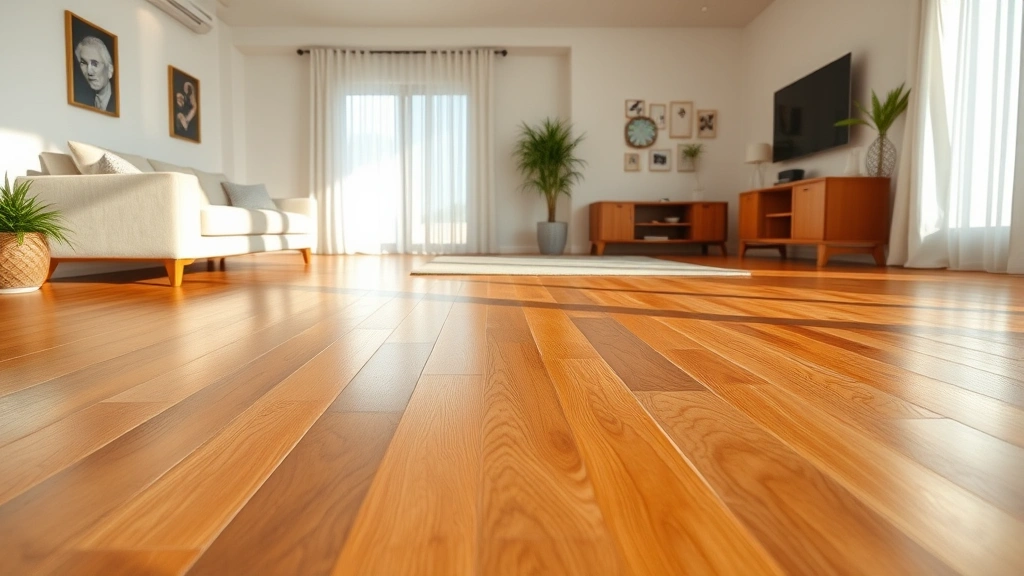
If you’re wondering how much does it cost to refinish hardwood floors, you’re looking at anywhere from $3 to $25 per square foot depending on your location, floor condition, and whether you hire professionals or go the DIY route. In this 2024 guide, we’ll break down every cost factor so you can make an informed decision about bringing your wood floors back to life.
Table of Contents
Professional Refinishing Costs
When you hire professionals to refinish your hardwood floors, expect to pay between $3 and $25 per square foot. For an average 1,500 square foot home, that translates to $4,500 to $37,500—though most homeowners spend around $8,000 to $15,000 for quality work. The price varies dramatically based on floor type, existing finish condition, and your geographic location.
High-end refinishing jobs in urban markets can push toward $30+ per square foot when dealing with exotic wood species or heavily damaged floors requiring extensive repair. Budget-friendly options in rural areas might start around $2 to $3 per square foot, but quality often suffers at those price points. According to Family Handyman, most contractors charge between $8 and $15 per square foot as a realistic middle ground for quality work.
DIY Refinishing Budget
Going the DIY route for hardwood floor refinishing typically costs $1 to $3 per square foot for materials and equipment rental. You’ll need a drum sander ($40-60/day rental), edger ($25-35/day), shop vacuum ($20-30/day), and finishing materials like stain and polyurethane ($200-500 total). That 1,500 square foot project drops to around $1,500-4,500 when you handle the labor yourself.
The catch? This approach demands serious elbow grease, proper technique, and patience. Mistakes can be costly—sanding too aggressively creates uneven surfaces, wrong stain application leads to blotchy finishes, and inadequate ventilation causes finish problems. Many DIYers discover halfway through that they should’ve hired professionals. If you’re considering this route, start with a small closet or bedroom to practice your technique before tackling main living areas.
Factors Affecting Price
Several variables dramatically impact your total refinishing cost. Floor square footage is the obvious multiplier—larger homes cost more simply because there’s more surface to cover. But beyond that, the current state of your floors matters enormously. Floors with minor scratches and worn finish cost less to refinish than those with deep gouges, water damage, or cupping that requires repair work before sanding even begins.
Wood species plays a role too. Softer woods like pine and fir sand faster and cheaper than dense hardwoods like oak or maple. Exotic species command premium pricing. The type of finish you select—basic polyurethane versus water-based or oil-based options—affects material costs. Bob Vila notes that premium finishes can add $2-5 per square foot to your total. Whether you need staining versus natural finish also shifts pricing, as staining adds labor time and material expense.
Floor Condition Matters
Your existing floor condition is perhaps the biggest cost variable. Lightly worn floors with minor surface scratches might need just one or two sanding passes—quick and affordable. Heavily damaged floors with deep gouges, water stains, pet damage, or structural issues require more aggressive sanding, potential board replacement, and extensive repair work before refinishing even begins.
Water-damaged or cupped floors are particularly expensive. Cupping—where boards cup upward at their edges—sometimes requires floor replacement rather than refinishing. Hardwood with significant water damage may need sections replaced entirely. Mold or mildew issues add remediation costs. If your inspection reveals these problems, expect to pay premium rates, sometimes $15-25+ per square foot just for the prep work and repairs.
Regional Pricing Variations
Where you live dramatically affects pricing. Major metropolitan areas like New York, Los Angeles, and Chicago see rates of $12-25+ per square foot for quality work. Suburban areas typically run $8-15 per square foot. Rural regions might offer $5-10 per square foot, though contractor availability becomes an issue. Coastal areas command premium pricing due to higher labor costs and demand.
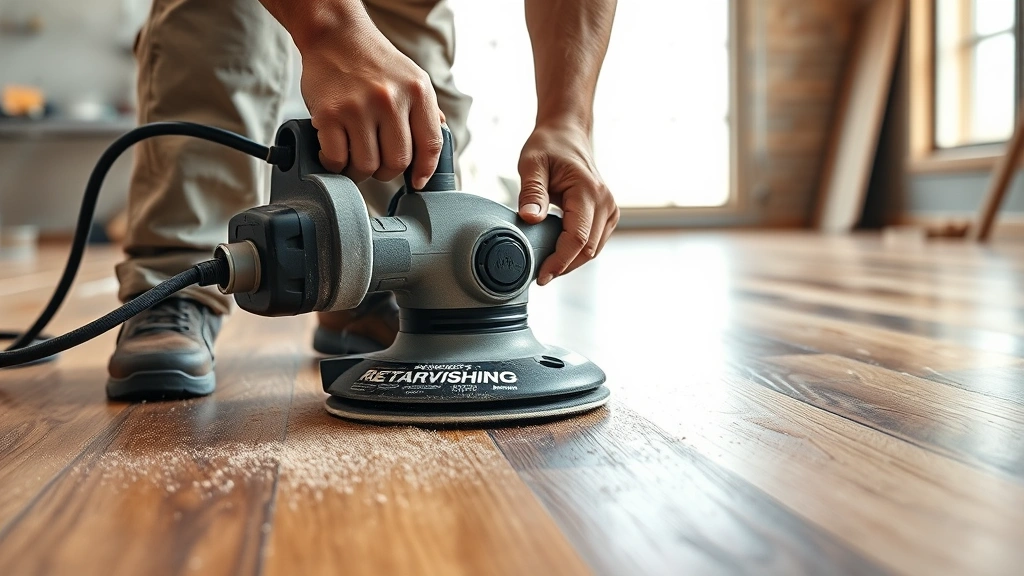
Regional wood species availability also matters. In the Pacific Northwest, refinishing Douglas fir costs less than in the Northeast where fir is less common. Southern states with abundant pine and oak have competitive pricing for those species. Labor availability fluctuates seasonally too—spring and summer refinishing jobs often cost more because contractors are busier. Winter projects sometimes negotiate better rates.
Timeline & Labor Hours
Professional crews typically complete a 1,500 square foot floor refinishing in 3-5 days. The process involves sanding (1-2 days), staining if desired (1 day), and finish application with drying time (1-2 days). Rush jobs cost extra—expect 20-30% premiums for expedited completion. Some contractors charge per day ($400-800/day) rather than per square foot, which can be advantageous for smaller projects.
Labor represents 50-70% of your total refinishing cost. More experienced crews work faster and cleaner, potentially justifying higher hourly rates through better results and efficiency. Cheaper contractors might take longer, generating more labor hours and ultimately higher total costs despite lower hourly rates. This is why getting detailed quotes that break down labor versus materials helps you compare apples to apples.
Finish Material Options
Your finish choice significantly impacts both cost and durability. Basic polyurethane (oil-based) costs $1-2 per square foot and provides classic hardwood protection—it’s the budget option but yellows over time. Water-based polyurethane runs $2-4 per square foot, dries faster, and doesn’t yellow, making it popular for lighter woods. Acid-cured lacquer and conversion varnish cost $3-6 per square foot and offer superior durability for high-traffic areas.
Natural oil finishes like tung oil or Danish oil cost $1-3 per square foot but require more frequent maintenance and reapplication every 1-2 years. Matte finishes cost the same as glossy options but hide dust and footprints better. Matte finishes are trending upward in popularity. Eco-friendly, low-VOC finishes command premium pricing ($3-5+ per square foot) but appeal to environmentally conscious homeowners. Your choice here affects both upfront cost and long-term maintenance expenses.
Money-Saving Tips
Get multiple quotes from at least three contractors—pricing varies wildly. Ask about package deals if you’re refinishing multiple rooms or your entire home. Some contractors offer discounts for larger projects. Schedule your project during slower seasons (winter months) when contractors have more availability and may negotiate rates. Consider DIY for smaller areas like closets or bedrooms while hiring professionals for main living spaces—this hybrid approach balances cost and quality.
Refinish only high-traffic areas instead of entire floors if your budget is tight. Hallways, entryways, and living rooms get more wear than guest bedrooms. You can phase projects over time, tackling one room annually. Skip staining if you’re happy with your wood’s natural color—that saves material costs and labor time. Request detailed written estimates that specify prep work, sanding methods, stain type, and finish application details so you understand exactly what you’re paying for.
When to Hire Professionals
Hire professionals if your floors have significant damage, water stains, or structural issues requiring expert assessment. If you have exotic hardwoods or rare species, professional expertise ensures proper handling and finishing. Homes with complex floor layouts, numerous transitions between rooms, or intricate patterns benefit from professional skill and equipment. If you value your time at more than $15-20/hour, professional labor becomes economically sensible compared to DIY effort.
Professional contractors have industrial-grade equipment that delivers superior results compared to rental equipment. They understand wood movement, humidity effects, and application techniques that prevent problems. They carry insurance protecting your home if accidents occur. According to This Old House, professional refinishing typically lasts 7-10 years with proper maintenance, while DIY projects often show wear sooner due to technique issues. For most homeowners, professional work justifies its cost through superior results and durability.
Frequently Asked Questions
Can I refinish hardwood floors myself to save money?
Yes, but with caveats. DIY refinishing saves 50-70% on labor costs, but mistakes are expensive to fix. Improper sanding creates uneven surfaces, wrong stain application causes blotches, and inadequate ventilation ruins finishes. Most successful DIYers start with small areas to practice. If you’re handy and patient, you can save $3,000-10,000 on a typical project. If you’re uncertain about your skills, professional work provides better insurance against costly mistakes.
How long does hardwood floor refinishing take?
Professional crews complete most projects in 3-5 days of active work. However, drying time between coats extends the timeline. You’ll typically stay out of rooms for 24-48 hours after finish application. Total project duration from start to full cure is usually 7-10 days. DIY projects take 2-4 weeks because you’re working evenings and weekends, plus you need extra drying time between steps.
What’s included in refinishing costs?
Standard refinishing includes floor preparation (cleaning, removing old finish), sanding with multiple grits, stain application if requested, and finish coats (typically 2-3 coats). It does NOT usually include furniture moving, baseboard removal, or repairs to damaged boards. Ask your contractor specifically what’s included and what costs extra. Repairs, board replacement, and specialty finishes add to the base price.
How often do hardwood floors need refinishing?
Well-maintained hardwood floors need refinishing every 7-10 years with professional work, or every 3-5 years with DIY finishes. Heavy traffic areas wear faster than low-traffic zones. You’ll know it’s time when the finish looks dull, scratches are visible, or the floor feels sticky. Regular maintenance—vacuuming, damp mopping, using area rugs—extends the time between refinishing jobs.
Is water-based or oil-based polyurethane better?
Water-based polyurethane dries faster, doesn’t yellow, and has lower VOCs—better for health-conscious homeowners. Oil-based polyurethane is cheaper, provides classic amber tones, and is easier for DIYers to apply. Oil-based yellows over time, especially on lighter woods. Water-based requires more coats for equivalent durability. Most professionals now prefer water-based for its environmental benefits and clarity, though oil-based remains popular for traditional aesthetics.
Can I walk on refinished floors immediately?
No. Most finishes require 24-48 hours before light foot traffic is safe. Full cure takes 7-14 days depending on finish type and humidity. During the cure period, avoid dragging furniture, wearing hard-soled shoes, or exposing floors to moisture. Patience during this phase prevents damage that requires additional refinishing. Your contractor will provide specific timeline guidance based on the finish used.
Final Thoughts
The cost to refinish hardwood floors ranges from $1,500 to $37,500 depending on your approach and circumstances. Professional refinishing typically costs $8-15 per square foot for quality work in most markets, while DIY projects run $1-3 per square foot if you handle the labor yourself. Your actual cost depends on floor condition, square footage, wood species, finish type, and your geographic location.
Get multiple quotes, understand what’s included, and don’t automatically choose the cheapest option. Professional work provides superior results and durability that justify the investment for most homeowners. If you have the skills and patience, strategic DIY on smaller areas combined with professional work on main spaces offers a balanced approach. Whatever route you choose, quality hardwood floor refinishing transforms your home’s appearance and protects your investment for years to come. For additional home improvement guidance, check out our articles on how to clean a washing machine and how to build business credit for other home and financial topics.


