

The question of how much does it cost to pump a septic tank hits different depending on where you live, how big your system is, and what condition it’s in when the pumper truck rolls up. Most homeowners fork over anywhere from $300 to $600 for a standard pumping job, but that’s just the ballpark figure—we’re going to dig into the real numbers and what actually drives those costs up or down.
Table of Contents
Average Pumping Costs Nationwide
Right now in 2024, you’re looking at a baseline of $300 to $600 for a straightforward septic tank pumping. That covers the truck rolling up, pumping out the accumulated solids and liquids, and hauling it all away to a treatment facility. Some folks pay less—rural areas sometimes see rates around $200 to $300—while dense urban areas or regions with limited septic services might hit $800 or higher. The national average tends to hover around $400, which is a solid middle ground for budgeting purposes.
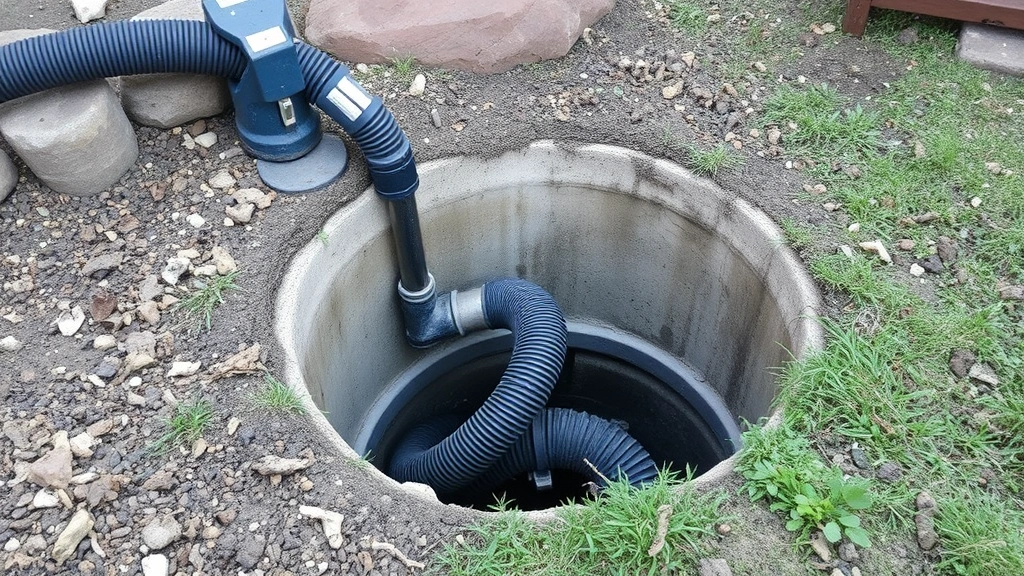
Think of it like this: you’re not just paying for the time the truck sits in your yard. You’re paying for the specialized equipment, the operator’s expertise, the fuel to get there and dispose of the waste properly, and the licensing and insurance required to handle human waste. It’s a legitimate service that keeps your system running and your groundwater safe.

Factors That Drive Up Costs
Several things can push that baseline number way higher. If your septic tank is buried deep, hard to access, or located in a tight spot, the pumper might need to use longer hoses or position the truck in an awkward way—and that costs more time and effort. If you’ve neglected the system for years and it’s completely full with a thick layer of sludge, the job takes longer and might require multiple passes. Some companies charge extra for difficult access, emergency calls, or if they have to pump at night.

Distance matters too. If you’re 30 miles from the nearest treatment facility, that fuel and drive time gets passed to you. Some pumpers have minimum service charges, so if you’re far out, you might hit that minimum even if your tank is small. Weather can also factor in—pumping during a heavy rain or frozen ground conditions might cost extra because it’s harder work and slower going.

Geographic Price Variations
Your zip code is one of the biggest cost predictors. Coastal areas and wealthy suburbs typically run 40-60% higher than rural regions. California and the Northeast tend toward the pricier end, while the Midwest and South are generally more affordable. Texas might run you $350-$500, while New England could easily hit $600-$800. This reflects local labor costs, disposal facility fees, and the density of septic service providers in your area.

In places where septic systems are rare (like urban areas with municipal sewer), the few pumpers available can charge premium rates because there’s less competition. Conversely, rural areas with lots of septic systems have more service providers competing for business, which keeps prices down.
Tank Size Matters
Your septic tank size directly impacts how often you need pumping and how much it costs per job. A typical residential tank is 1,000 to 1,500 gallons. A 1,000-gallon tank in a household of 4 people might need pumping every 3-5 years. A 1,500-gallon tank stretches that to 5-7 years. Larger tanks hold more waste, so they take longer to pump and might have slightly higher costs—but the real savings come from pumping less frequently. If you’ve got a 2,000-gallon tank, you might go 7-10 years between pumpings, which saves you thousands over time.

Undersized tanks are the enemy here. If your tank is too small for your household, you’re pumping every 2-3 years instead of every 5, which doubles or triples your lifetime costs. That’s why it’s worth knowing your tank size—it’s usually stamped on a concrete lid or recorded in your home’s septic permit.

How Often Should You Pump
The EPA and most state health departments recommend pumping every 3 to 5 years for a typical household of 4 people with a 1,000-gallon tank. But that’s a general guideline. Your actual frequency depends on tank size, household size, water usage, and what goes down your drains. A family of 6 with one bathroom needs pumping more often than a couple in a 3-bedroom house. If you’re running a lot of laundry, taking long showers, or have a garbage disposal, you’re filling that tank faster.

The only way to know for sure is to have it inspected. A good pumper will tell you how full the tank is and recommend a schedule. Some folks get lucky and can go 7-10 years; others need it every 2-3 years. Regular pumping is cheap insurance—skipping it leads to system failure, which costs $5,000 to $25,000 to replace.
Additional Services and Fees
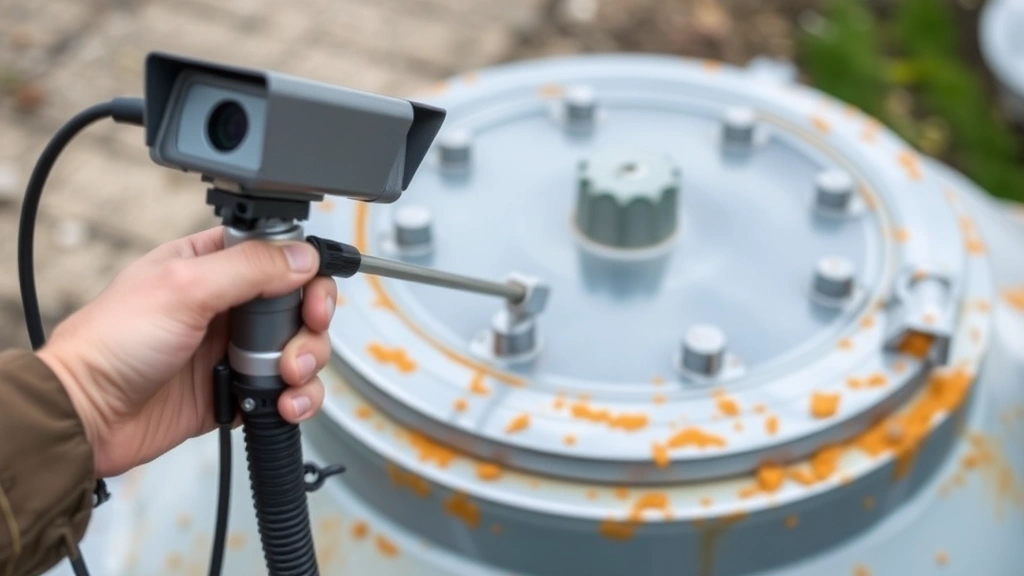
Beyond basic pumping, there are extras that add to the bill. An inspection using a camera system to check for cracks or damage might add $200-$400. Septic tank cleaning (jetting the walls to remove buildup) runs $400-$600 on top of pumping. Drain field repair or replacement is a whole different beast—that’s $3,000 to $25,000 depending on what’s wrong. Some pumpers charge for locating the tank if you don’t know where it is (usually $100-$200). Emergency after-hours service can double the cost.

If your system has a filter, that might need cleaning or replacement during the pumping—add $100-$300 for that. Risers (the lids that bring the tank access points to ground level) might need installation if you want easier future access—another $300-$500 per riser.

Money-Saving Tips for Owners
First, know your tank location and size. Mark it clearly so pumpers don’t have to hunt for it—that saves time and money. Keep records of when it was last pumped; many companies offer discounts if you’re on a regular schedule. Get quotes from at least three local pumpers—prices vary wildly even in the same town. Some companies offer annual contracts or prepaid packages that run 10-15% cheaper than one-off service calls.

The biggest money-saver is prevention. Don’t put anything down your drains except human waste and toilet paper. No grease, no feminine hygiene products, no “flushable” wipes, no medications. These clog your system and force more frequent (and expensive) pumping. Use water efficiently—shorter showers, fix leaks, space out laundry loads. Run a garbage disposal sparingly or not at all. These habits can extend your pumping interval by 2-3 years, saving you $600-$1,200 over a decade.

Consider a regular maintenance schedule for all your home systems to catch issues early. The same mindset applies to septic—preventive care beats emergency repairs every time.

Warning Signs You Need Pumping
Don’t wait for the calendar if you notice these red flags: slow drains in multiple fixtures, gurgling sounds in pipes, sewage smell in the yard or house, soggy patches over the drain field, or bright green grass in one spot (that’s nutrient-rich effluent). Backups into the house are a serious sign—that means the tank is full or the system is failing. If you see any of these, call a pumper immediately. Waiting could mean sewage backing into your home, which is a health hazard and expensive to clean up.

Some systems have a high-water alarm that alerts you when the tank is full. If yours has one and it goes off, that’s your cue to schedule pumping right away. Don’t ignore it hoping it’ll fix itself—it won’t.

DIY Inspections vs Professional Help
You can do basic inspections yourself. Locate your tank access lids (usually two—one over the inlet, one over the outlet). Remove the lid carefully and look down. If you see effluent (wastewater) within 12 inches of the lid, the tank is full and needs pumping. If you see a thick sludge layer more than a third of the way up the tank, it’s getting full. But that’s about as far as DIY goes. You should never enter a septic tank—the gases inside are deadly, and the environment is toxic.

For anything beyond a visual check, call a professional. They have the equipment, training, and insurance to do it safely. They can spot problems like cracks, failed baffles, or drain field issues that you can’t see. A professional inspection costs $300-$500 but can save you from a $10,000+ system failure. Check out resources like Family Handyman and This Old House for more detailed guidance on septic system maintenance.

Frequently Asked Questions
Is pumping a septic tank really necessary?
Absolutely. Pumping removes the solids that accumulate in your tank over time. Without it, those solids eventually block the outlet pipe, forcing effluent into your drain field, which clogs and fails. Once the drain field fails, you’re looking at a $5,000 to $25,000 replacement. Regular pumping—every 3-5 years—is the cheapest way to keep your system healthy for decades.

Can I pump my own septic tank?
No. It requires specialized equipment (a vacuum truck), proper licensing, and knowledge of local regulations. Plus, the gases in a septic tank can kill you in minutes. Leave it to licensed professionals. The $300-$600 you pay is worth your safety and ensuring the job is done right.

What’s included in the pumping cost?
A standard pumping includes removing solids and liquids from the tank, hauling the waste to a licensed treatment facility, and disposal fees. It does not include inspection, cleaning, repairs, or camera work—those are usually extra. Ask the company what’s included before they show up.

How can I reduce how often I need pumping?
Use water wisely—shorter showers, fix leaks, space out laundry. Never put grease, wipes, or non-biodegradable items down the drain. Avoid garbage disposals. Use septic-safe toilet paper and cleaning products. These habits can extend your pumping interval from 3 years to 5-7 years, saving you serious money.

What if I ignore pumping for years?
The tank fills with solids, the outlet pipe clogs, and effluent backs up into your house or floods your drain field. Once the drain field is saturated, it fails and must be replaced—that’s $5,000 to $25,000 depending on your soil and yard size. You could also contaminate your groundwater and face fines from the health department. It’s not worth the risk.
Does homeowner’s insurance cover septic pumping?
No, regular pumping is considered maintenance, not a covered loss. However, if a tree root breaks your tank or a sudden system failure occurs, some policies might cover repairs. Check your policy. Either way, regular pumping is way cheaper than dealing with a catastrophic failure.
Should I get my tank inspected every time it’s pumped?
Not necessarily every time, but every few years is smart. An inspection with a camera can reveal cracks, failed baffles, or drain field issues before they become expensive problems. If you’re having any issues—slow drains, odors, wet spots—get an inspection immediately. Think of it as preventive medicine for your septic system.
Are there any tax deductions for septic system maintenance?
Not typically, unless you’re running a business or rental property from your home. Check with a tax professional. Some states offer rebates or grants for upgrading old septic systems to newer, more efficient models—worth looking into if your system is 20+ years old.
Final Thoughts
So, how much does it cost to pump a septic tank? You’re looking at $300 to $600 for a standard job in most of the country, with variations based on location, tank size, and system condition. That’s a small price for keeping your system running and protecting your groundwater. The real money-saver is staying on top of maintenance—regular pumping every 3-5 years, careful water use, and keeping junk out of your drains. Ignore the system, and you’re facing a $10,000+ replacement bill. Take care of it, and it’ll serve you reliably for 20-30 years. It’s the kind of unglamorous home maintenance that pays for itself many times over.
For more information on home costs and maintenance, check out Bob Vila and your local health department’s septic guidelines. And if you’re curious about the true cost of things, we’ve covered everything from how much it costs to detail a car to what goes into the cost of making an iPhone. Home ownership involves a lot of moving parts and unexpected expenses, so understanding these baseline costs helps you budget smarter.


