
Ever wonder why an iPhone costs $999 when the actual cost to make an iPhone is a fraction of that? You’re not alone. The gap between manufacturing expenses and retail price is one of the biggest mysteries in consumer electronics—and honestly, it’s way more interesting than most people think.
Here’s the real talk: Apple doesn’t actually manufacture iPhones themselves. They design them, engineer them, and control every detail of the supply chain, but the actual assembly happens in factories mostly in China, Taiwan, and Vietnam. Understanding how much it costs to make an iPhone requires breaking down hardware, labor, logistics, and the stuff nobody talks about—like R&D and marketing.
This isn’t just trivia. If you’re curious about why tech prices are what they are, or you work in tech and want to understand margin structures, this breakdown matters. Let’s dig into the actual numbers.
Component Costs: The Hardware Breakdown
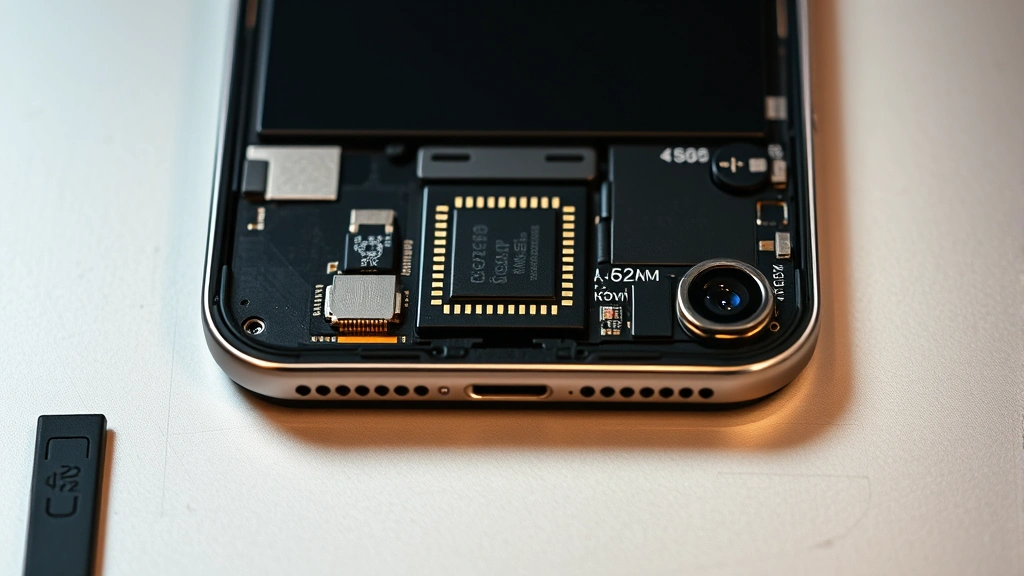
Let’s start with what actually goes inside an iPhone. The components—the chip, screen, battery, camera sensors, memory—that’s where the biggest chunk of manufacturing cost lives.
For a flagship iPhone like the iPhone 15 Pro Max, here’s roughly what you’re looking at in raw component costs:
- Display (OLED screen): $80–$110. This is the single most expensive part. OLED panels are precision instruments, and Apple sources from Samsung and LG. The technology is mature but still pricey.
- A-series processor (Apple chip): $40–$60. Apple designs these in-house but manufactures them through TSMC in Taiwan. The cost is lower than you’d think because of massive volume discounts.
- Memory (RAM + storage): $25–$50. NAND flash and DRAM prices fluctuate wildly, but Apple locks in long-term contracts to keep costs predictable.
- Camera modules: $30–$50. Multiple sensors, lenses, and stabilization hardware add up fast. Pro models with advanced computational photography cost more.
- Battery: $8–$12. Lithium-ion cells are commodity items now, but quality control and safety testing bump the cost.
- Structural components (frame, glass, metal parts): $20–$35. Precision machining, materials sourcing, and quality control aren’t cheap.
- Other electronics (antennas, connectors, sensors, haptics, speakers): $25–$40. These small components add up surprisingly fast.
Total raw component cost for an iPhone 15 Pro? Roughly $240–$320, depending on storage capacity and configuration. That’s the bill of materials (BOM) that suppliers send to Apple and Foxconn.
Here’s what catches people off guard: the cost to make an iPhone isn’t just components. It’s components plus everything else that happens before it gets in a box.
Labor and Manufacturing Overhead
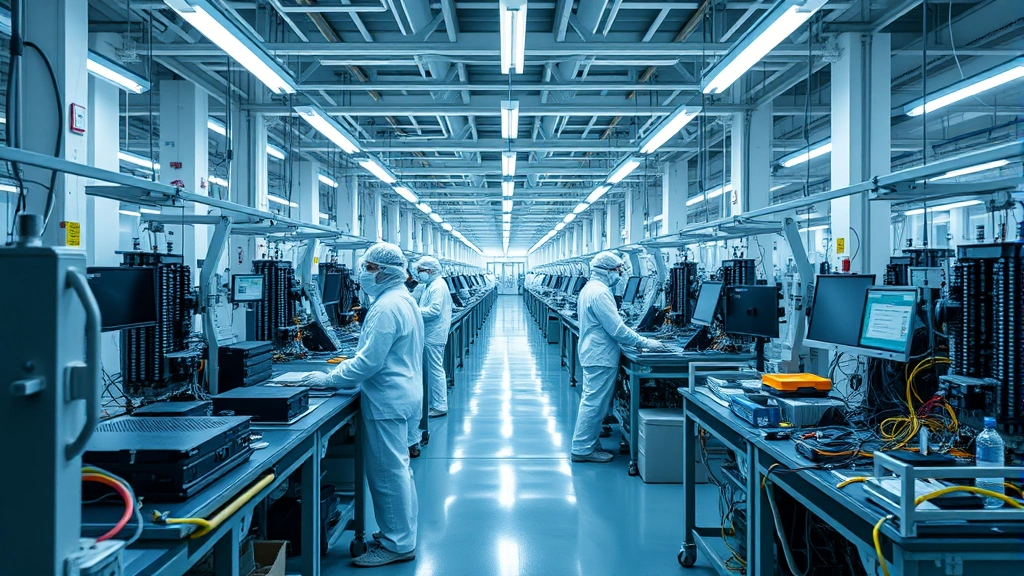
This is where people get emotional, and rightfully so. iPhone assembly happens in massive factories—Foxconn’s plants in China employ hundreds of thousands of people. Labor costs in those regions are significantly lower than in the U.S., which is why manufacturing stays overseas.
Here’s the breakdown:
- Direct labor (assembly line workers): $5–$10 per phone. A worker assembles multiple components, tests the device, and packages it. Even at $8 per unit, with hundreds of millions of phones per year, it’s a thin margin per unit.
- Factory overhead: $15–$25 per phone. This includes utilities, equipment maintenance, quality control staff, supervisors, and facility costs. Factories run 24/7, and that infrastructure is expensive.
- Quality assurance and testing: $8–$12 per phone. Every iPhone gets tested for screen defects, battery health, camera function, and structural integrity. Some fail and get scrapped or refurbished.
So labor plus overhead adds roughly $30–$50 per unit. That brings us to $270–$370 total so far.
According to research from IDC and industry analysts, manufacturing efficiency has improved dramatically over the past decade. Automation handles more repetitive tasks, but final assembly and quality control still require human hands.
Logistics and Supply Chain
Getting components from dozens of suppliers across Asia, assembling them in factories, and shipping finished phones to distribution centers worldwide—that’s a logistical marvel that costs real money.
Component logistics: $5–$8 per phone. Parts move from Taiwan (TSMC chips), South Korea (Samsung displays), Japan (sensors and memory), and elsewhere to assembly factories. Coordination alone is a nightmare.
Finished goods shipping: $3–$5 per phone. Containerized ocean freight is cheap per unit when you’re shipping millions at a time. Air freight for emergency orders costs more, but that’s rare.
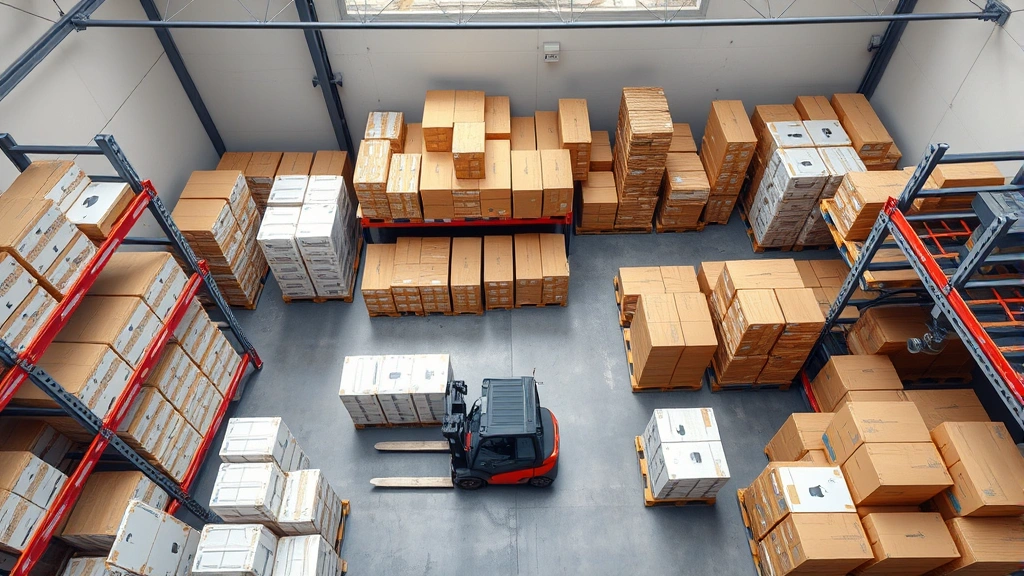
Warehousing and distribution: $5–$10 per phone. Apple maintains regional distribution centers. Inventory management, storage, and handling add up.
Logistics adds roughly $15–$25 per unit. We’re now at $285–$395 total.
R&D and Development Costs
Here’s where things get philosophical. Apple spends billions every year on research and development—designing chips, creating software, testing hardware, developing manufacturing processes. How do you allocate that across billions of devices?
Apple’s R&D budget is roughly $25–$30 billion annually. They sell about 230–250 million iPhones per year. That’s roughly $100–$130 per phone just for R&D.
This includes:
- Chip design and optimization
- Camera sensor development and computational photography algorithms
- Battery research and testing
- Software development (iOS)
- Manufacturing process innovation
- Testing and quality assurance infrastructure
This is where the real value lives. You’re not just paying for plastic and silicon; you’re paying for years of engineering expertise baked into every device.
Marketing, Distribution, and Retail
Apple spends heavily on marketing—TV commercials, billboards, retail stores, sponsorships. That’s a separate bucket from R&D, and it’s substantial.
Marketing and advertising: $15–$25 per phone. Apple’s global marketing budget is in the billions. Allocated across iPhone units, it’s significant but not the biggest line item.
Retail overhead: $20–$40 per phone. Apple Stores are beautiful, expensive to operate, and staffed with knowledgeable people. Even though many phones sell online, the retail experience drives brand loyalty and influences purchases.
Distribution and sales infrastructure: $10–$15 per phone. Carrier relationships, wholesale agreements, payment processing, and customer support systems all cost money.
This adds roughly $45–$80 per unit.
Let’s tally it up so far:
- Components: $240–$320
- Labor + overhead: $30–$50
- Logistics: $15–$25
- R&D: $100–$130
- Marketing + retail: $45–$80
Total: $430–$605 per iPhone
For a phone that retails at $999 (iPhone 15 Pro), that’s still a healthy margin. But remember—these are estimates based on industry analysis. Apple doesn’t publish exact figures.
The Profit Margin Reality
So if it costs roughly $430–$605 to make an iPhone and it sells for $999, Apple keeps $400–$570 per unit. That’s a 40–57% gross margin—which is insane in consumer electronics.
For context, most consumer electronics manufacturers operate on 20–30% gross margins. Apple’s margins are exceptional because of:
- Brand power: People will pay premium prices for iPhones. Switching costs are high (ecosystem lock-in with iCloud, Apple Watch, AirPods, etc.).
- Volume:: Selling 230+ million units per year means negotiating power with suppliers. Apple gets better prices than competitors.
- Vertical integration: Apple designs its own chips (A-series) instead of buying from Qualcomm. That saves money and improves margins.
- Software excellence: iOS is tightly integrated with hardware, creating a premium experience that justifies the price.
But here’s the nuance: Apple’s overall net profit margin (after operating expenses, taxes, and everything else) is around 25–30%. The gross margin of 40–57% gets eaten by operating costs, taxes, and shareholder returns.
How iPhone Costs Compare Year to Year
The cost to manufacture an iPhone has been relatively stable over the past 5 years, despite inflation and component price swings. Here’s why:
Component prices: Memory and storage costs have actually decreased. OLED screens are cheaper than they were in 2017 when Apple first used them. Chip manufacturing costs are stable because TSMC’s processes are mature.
Labor costs: Wages in China and Vietnam have increased, but automation has offset that. Factories are more efficient now.
Supply chain optimization: Apple has diversified suppliers and built redundancy. The 2020 pandemic disruptions taught them lessons; they’ve invested in supply chain resilience.
Newer models cost more to make than older ones: The iPhone 15 Pro Max costs more to manufacture than the base iPhone 15 because of the better display, extra camera, and improved cooling system. But the base model’s cost is roughly the same as last year’s base model.
According to GSMA Intelligence and teardown analyses, the manufacturing cost of flagship iPhones has increased by roughly 10–15% over the past 5 years—mostly due to better displays, cameras, and thermal management.
Why This Matters: The Bigger Picture
Understanding how much it costs to make an iPhone reveals something important about how consumer technology works. It’s not just about the hardware. You’re paying for:
- Design and engineering: Years of work by thousands of people.
- Supply chain mastery: Coordinating hundreds of suppliers across continents.
- Brand and ecosystem: Lock-in effects that make switching painful.
- Software and services: iOS updates, iCloud, App Store integration.
- Customer support and warranty: AppleCare, Genius Bar, replacement programs.
The $400–$570 markup per phone isn’t greed—it’s the cost of running a global technology company that invests heavily in innovation. Whether you think it’s justified depends on your perspective, but the economics are transparent if you dig into the numbers.
If you’re curious about other tech devices, the margins vary wildly. Budget Android phones operate on 15–20% gross margins. Premium laptops and tablets have similar margins to iPhones. Gaming consoles actually operate on razor-thin margins or losses initially to build market share.
Frequently Asked Questions
What’s the cheapest part of an iPhone to manufacture?
– The battery. A lithium-ion cell costs roughly $8–$12 in bulk, and it’s one of the few components where Apple doesn’t pay a huge premium. Batteries are commodity items, and prices are competitive across suppliers.
Does Apple make any iPhones in the United States?
– No. All iPhone assembly happens overseas, primarily in China (Foxconn), Vietnam (Foxconn), and India (Wistron, Pegatron). Apple has considered U.S. manufacturing, but labor costs and supply chain complexity make it economically unfeasible. Some iPad and Mac assembly happens in the U.S., but iPhone production is entirely overseas. This is a documented trend across consumer electronics manufacturing.
How much does Apple spend on R&D per iPhone?
– Roughly $100–$130 per unit, based on Apple’s annual R&D budget divided by iPhone sales volume. This includes chip design, software development, camera research, and manufacturing innovation. It’s a significant cost that justifies the premium pricing.
Why does the iPhone cost more than Android phones with similar specs?
– Several reasons: (1) Brand premium—people pay for the Apple name. (2) Vertical integration—Apple controls hardware and software, creating tighter integration. (3) Ecosystem lock-in—iCloud, Apple Watch, AirPods compatibility drives loyalty. (4) Manufacturing quality—Apple’s quality control is stricter than most competitors. (5) Resale value—iPhones hold value better than Android phones, so the total cost of ownership is lower.
Has the cost to make an iPhone increased over time?
– Slightly, yes. Better displays, cameras, and thermal systems cost more. But component prices for memory and storage have decreased. Overall, manufacturing costs have increased by 10–15% over the past 5 years, while retail prices have remained relatively stable (adjusted for inflation).
What happens to iPhones that fail quality control?
– They’re either refurbished, sold as certified refurbished units at a discount, or scrapped. Apple’s quality control is strict—roughly 2–5% of units fail initial testing and need rework or disposal. This waste is factored into the cost structure.
Does Apple profit more from higher storage models?
– Yes. The cost difference between a 128GB and 512GB iPhone is roughly $20–$30 (NAND flash is cheap in bulk), but Apple charges $200–$300 more for the upgrade. This is where margins really expand. Storage upgrades are nearly pure profit.
How do supply chain disruptions affect iPhone manufacturing costs?
– Significantly. When component shortages happen (like during COVID-19 or the recent chip shortage), suppliers increase prices, and Apple has to absorb some of that or pass it to consumers. Long-term contracts help buffer against volatility, but short-term spikes do happen. Recent supply chain analyses show Apple has diversified to reduce risk.
Is the iPhone 15 more expensive to make than the iPhone 14?
– Slightly. The USB-C port (replacing Lightning) actually reduced some costs, but the improved A17 Pro chip, better camera system, and new materials added cost elsewhere. Net increase: probably $15–$25 per unit in manufacturing cost. Retail price remained the same, so Apple’s margin on the iPhone 15 is actually slightly better.


