
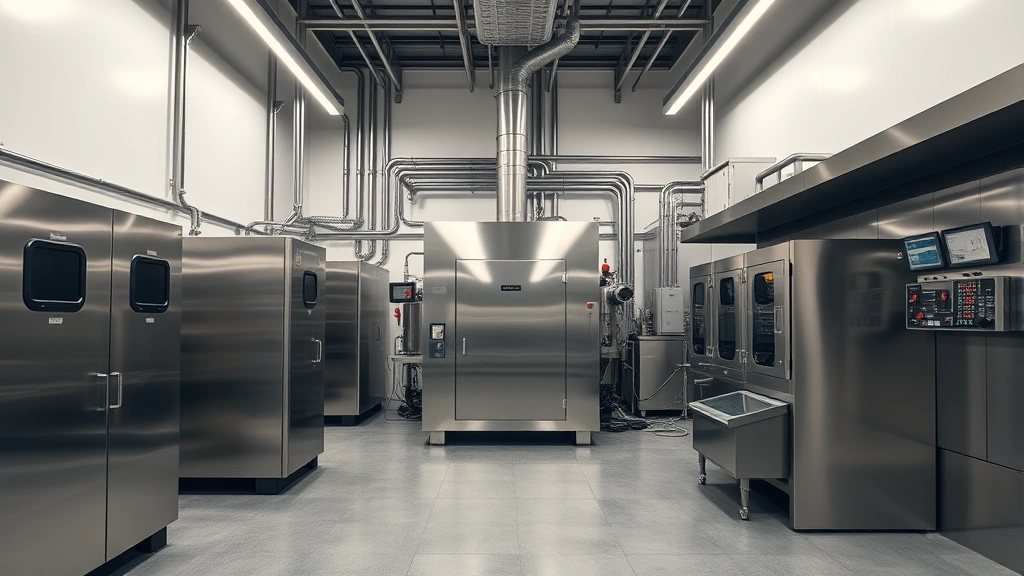
If you’re asking how much does it cost to get cremated, you’re probably dealing with end-of-life planning for yourself or a loved one. Let’s be real—it’s not the easiest conversation, but it’s an important one. Cremation costs vary wildly depending on where you live, what provider you choose, and what extras you add on. We’re talking anywhere from $800 to $5,000+, and knowing the breakdown helps you make informed decisions without getting blindsided by surprise fees.
Table of Contents
Basic Cremation Costs Explained
Here’s the straightforward answer: a basic cremation—just the cremation process itself—typically runs between $800 and $1,500 in most parts of the country. This covers the actual crematory service, the handling of the deceased, and the return of remains in a basic cardboard container. That’s the bare-bones price, no frills.
But here’s where it gets complicated. Most people don’t just pay for cremation alone. They add on services like transportation, permits, death certificates, a memorial service, and an urn. Before you know it, you’re looking at a much bigger bill. The FTC Funeral Rule requires funeral homes and cremation providers to give you itemized pricing, so always ask for a detailed breakdown.
Average Price Ranges by Region
Your location matters—a lot. Cremation costs in major metropolitan areas like New York, Los Angeles, and San Francisco can hit $3,000 to $5,000+ when you factor in everything. Rural areas and smaller towns typically run $1,500 to $2,500. Here’s a rough regional breakdown:
- Northeast: $2,000–$4,000 (higher due to population density and regulations)
- Southeast: $1,500–$2,800
- Midwest: $1,200–$2,200
- Southwest: $1,400–$2,600
- West Coast: $2,500–$5,000+
These ranges assume you’re including basic services beyond just the cremation itself. Check with local providers in your area for exact quotes—they vary even within the same city.
What Affects Cremation Pricing
Several factors drive the final cost. First, the crematory’s location and overhead. A crematory in downtown Manhattan has different expenses than one in rural Montana. Second, the type of service you choose—direct cremation is cheapest, but if you want a viewing or memorial service first, costs climb. Third, whether you use a funeral home or independent cremation provider. Funeral homes typically mark up cremation services significantly.
The deceased’s weight and the complexity of the cremation also play a role. Specialized equipment or extra handling can increase costs. Some crematories charge more for rush services or off-hours scheduling. And if you want multiple certified death certificates, urns, or shipping of remains, each adds to the total.
Direct Cremation vs. Funeral Home Cremation
This is where you can save serious money. Direct cremation means the body goes straight from the place of death to the crematory—no embalming, no viewing, no funeral home involvement. Costs typically range from $800 to $1,500. You get the remains back, usually within 3–5 business days, in a basic container.
A funeral home cremation includes their overhead, markup, and additional services. Even if you’re just doing cremation through them, you’re paying their facility fees, staff time, and profit margin. This can add $1,000 to $2,000+ to the base cremation cost. If you add a viewing, service, or reception, you’re looking at $3,000 to $7,000 total.
Independent cremation providers—companies that specialize in cremation without the full funeral home operation—often fall in the middle, offering better pricing than funeral homes but with more services than bare-bones direct cremation.
Hidden Fees to Watch For
Cremation providers are required by law to itemize costs, but that doesn’t mean surprises won’t pop up. Here are the sneaky ones:
- Death certificates: $15–$50 each. You’ll need multiple certified copies (typically 5–10). Budget $100–$300 here.
- Permits and filing fees: $50–$200. Varies by location and whether you’re cremating out of state.
- Transportation: Some charge $200–$500 just to pick up the body. Others include it.
- Urn: Basic cardboard is free. A decent urn runs $100–$500+. Premium urns can hit $1,000.
- Shipping remains: If you’re sending ashes elsewhere, expect $150–$300.
- Witness cremation: Some facilities charge $100–$300 if you want to be present.
- Notarization and paperwork: $50–$150 for various documents.
Always ask for a full price list upfront. Get it in writing. If something isn’t clear, push for clarification before you commit.
Ways to Save on Cremation
You don’t need to break the bank. Here are legitimate ways to reduce costs:

Use a direct cremation provider: Skip the funeral home markup entirely. Direct cremation companies are purpose-built for affordability.
Skip the urn initially: You can keep ashes in the temporary cardboard container and buy an urn later when you’re ready. This saves $200–$500 immediately.
Plan ahead: Pre-planning and pre-paying locks in current prices and removes decision-making stress from grieving family members. Some providers offer discounts for pre-planning.
Check if you qualify for assistance: Veterans’ families may get benefits covering cremation costs. Some nonprofits and government programs help low-income families. Ask your cremation provider about available assistance.
Compare multiple providers: Get at least three quotes. Prices vary significantly, and shopping around can save $500–$1,500.
Consider a simple memorial: Instead of a formal service at a funeral home ($1,000–$3,000), host a gathering at home or a park. Bring your own refreshments. This can be just as meaningful and costs almost nothing.
Memorial Service Costs
If you want a memorial service after cremation, costs depend on your approach. A simple gathering at your home or a public park costs nothing beyond food and drinks. A rented venue runs $200–$500. A service at a funeral home’s chapel might be $300–$800, though some waive the fee if you used them for cremation.
Catering, flowers, programs, and a reception add up fast. A modest reception for 50 people can cost $500–$1,500. A nicer event easily hits $2,000–$5,000. This is completely optional—many families skip the formal service altogether and just gather informally with close family.
Pre-Planning and Payment Options
Pre-planning your cremation has real advantages. You lock in prices before inflation hits, you spare your family from making decisions while grieving, and you ensure your wishes are documented. Many providers offer pre-planning discounts of 5–15%.
Payment options vary. Some require full payment upfront before cremation. Others allow payment after the service. A few offer payment plans. Pre-planning can be paid in full, or you can set up a prepaid funeral trust account. If you’re on a tight budget, discuss payment flexibility with your provider.
Consider setting aside money in a dedicated savings account or discussing cremation costs with family members now, while everyone’s calm and thinking clearly. This prevents financial strain when someone passes away.
Frequently Asked Questions
Is cremation cheaper than burial?
Yes, typically. Direct cremation averages $1,000–$1,500, while traditional burial with a casket, plot, and service runs $3,000–$7,000+. Even with a memorial service added, cremation usually costs less overall.
What’s included in the base cremation cost?
The base cost covers the cremation process itself, handling of the body, basic paperwork, and return of remains in a cardboard container. Everything else—urns, certificates, services, transportation—is extra.
Can you negotiate cremation prices?
Absolutely. Cremation is a service industry. Get multiple quotes and ask about discounts, package deals, or payment plans. Don’t accept the first price quoted.
Do you have to buy an urn?
No. You can keep ashes in the temporary container and buy an urn later, or scatter the ashes without an urn at all. Don’t let anyone pressure you into an expensive urn you don’t want.
How long does cremation take?
The actual cremation process takes 2–3 hours. Total turnaround from death to receiving ashes is typically 3–7 business days, depending on permits and paperwork.
Can I get a refund if I change my mind?
Once cremation is complete, it’s final—there’s no reversing it. But if you’ve pre-paid and change your mind before the service, most providers allow cancellation with a refund or credit. Always read the fine print on any pre-payment agreement.
Are there religious or cultural considerations?
Some religions have specific requirements or restrictions around cremation. Talk to your religious leader and cremation provider to ensure the process aligns with your beliefs and traditions.
What happens if I can’t afford cremation?
Contact your local health department or social services office. Many areas have programs for low-income families. Veterans’ families may qualify for benefits. Some nonprofits assist with funeral and cremation costs. Don’t assume you can’t afford it without asking for help.
Final Thoughts
Figuring out how much does it cost to get cremated isn’t fun, but it’s necessary. You’re looking at a base cost of $800–$1,500 for direct cremation, but the total can easily reach $2,000–$5,000+ once you add services, urns, and memorials. The key is getting itemized quotes from multiple providers, understanding what’s included, and not letting anyone pressure you into extras you don’t want or need.
Plan ahead if you can. Pre-planning removes stress from your family and can save money. Shop around—prices vary wildly even in the same area. Skip the funeral home markup if you’re just doing cremation. And remember, a meaningful memorial doesn’t require an expensive service. Sometimes the simplest gatherings mean the most.
For more detailed information on end-of-life planning, check out resources from the FDA and your state’s attorney general office, which often has consumer protection information about funeral and cremation services. And if you’re working through planning for a family member, take your time. There’s no rush to make every decision in the first few days.


