
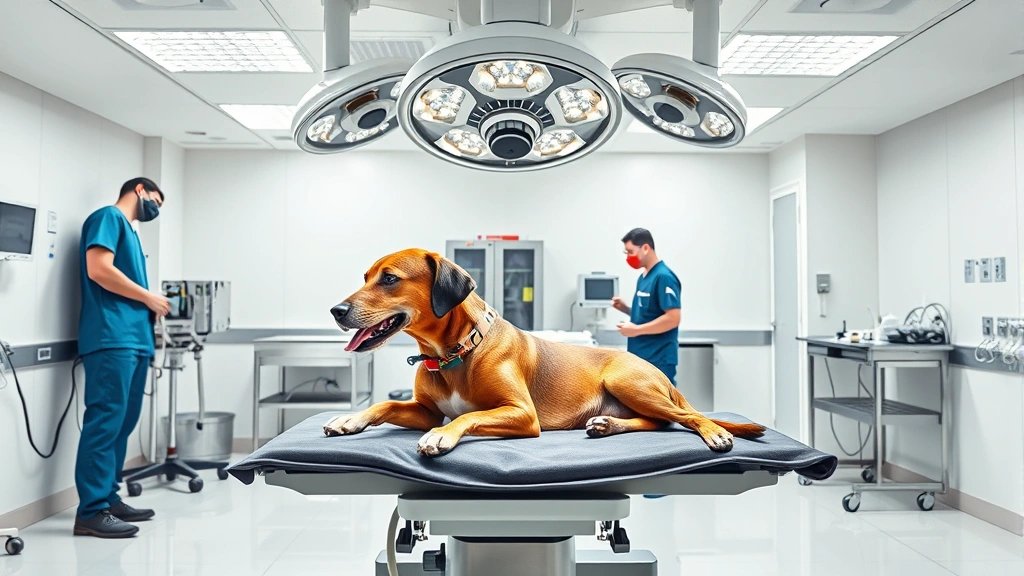
So you’re wondering how much does it cost to get a dog neutered? Look, it’s one of those vet expenses that catches every pet owner off guard, but it’s absolutely worth understanding before you walk into that clinic. I’ve helped plenty of folks navigate this, and the answer isn’t as simple as a single number—it depends on where you live, your vet, your dog’s size, and a bunch of other factors we’re about to break down.
Table of Contents
Cost Breakdown by Region
Here’s the real talk: where you live matters a ton. Urban areas with high cost-of-living typically charge more than rural communities. In major cities like New York, Los Angeles, or San Francisco, you’re looking at $300–$600 for a standard neuter procedure. Head out to smaller towns or less expensive regions, and you might find prices ranging from $150–$300. The Midwest and South generally sit somewhere in the middle at $200–$400.
This isn’t just about vet greed—it’s overhead. A clinic in Manhattan has different rent, staff salaries, and operational costs than one in rural Montana. That said, don’t assume the most expensive vet is the best. Sometimes a mid-range clinic offers excellent care without the premium pricing.
Factors Affecting Price
Your dog’s size is a major player here. Small breeds like Chihuahuas or Dachshunds cost less to neuter than large breeds like German Shepherds or Labs. Why? Larger dogs require more anesthesia, longer surgery time, and more intensive monitoring. You might pay $150 for a toy breed but $500+ for a giant breed at the same clinic.
Your dog’s age and health status also shift the bill. Young, healthy dogs are straightforward cases. But if your pup has underlying health issues, the vet needs to run additional pre-surgery bloodwork and potentially use different anesthesia protocols. An overweight dog or one with heart conditions will cost more because the surgery becomes more complex.
Whether your vet is a general practitioner or a specialist matters too. A general veterinary clinic typically charges less than an emergency animal hospital or a specialty surgical center. The experience level of your vet plays a role, though most vets perform hundreds of neuters annually, so you’re usually getting solid expertise regardless.
Average Expenses Nationwide
Let’s talk real numbers for 2024. The national average for a dog neuter sits around $200–$500, depending on all those factors we just discussed. Here’s a rough breakdown:
- Small breeds (under 25 lbs): $150–$300
- Medium breeds (25–75 lbs): $250–$400
- Large breeds (75+ lbs): $300–$600
- Giant breeds (100+ lbs): $400–$800
These are baseline surgical fees. Add in pre-operative bloodwork ($50–$150), pain medication ($20–$50), and post-operative antibiotics ($15–$40), and you’re looking at a total package closer to $250–$700 for most dogs. Emergency clinics can double or triple these prices if you’re going outside normal business hours.
Budget-Friendly Options
If cost is a real concern, you’ve got legitimate alternatives. Low-cost spay/neuter clinics operate in most areas and charge $75–$200 for the same procedure. Organizations like the ASPCA, Humane Society, and local animal rescue groups often partner with clinics to offer discounted services. Some communities have mobile spay/neuter clinics that travel to underserved areas with even lower rates.
The quality at these clinics is generally solid—they’re high-volume operations that do the same surgery repeatedly, so vets become incredibly efficient. The trade-off is usually longer wait times and fewer amenities like fancy recovery rooms. But the core surgical skill is there.
Check with your local animal shelter or search “low-cost spay neuter near me.” Many clinics offer payment plans too, so you can spread the cost over a few months. Some vets will also discount the procedure if you’re neutering multiple pets at once.
What Surgery Includes
When you pay for a neuter, you’re getting more than just the procedure. A reputable vet includes pre-operative physical examination, anesthesia (usually gas-based), the surgical removal of the testicles, pain management during surgery, and immediate post-operative monitoring. Most clinics send your dog home the same day with pain medication for a few days.
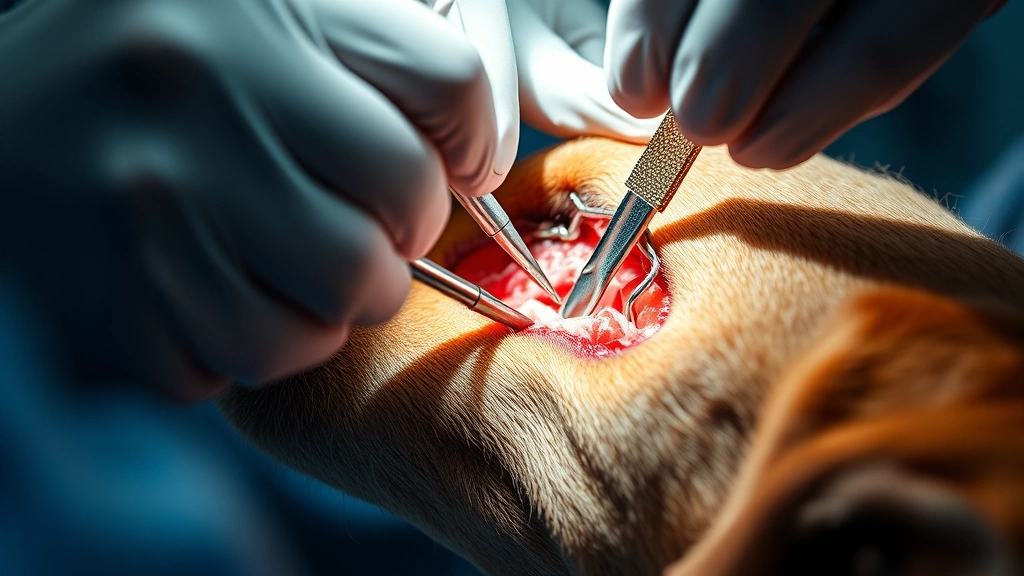
The surgery itself takes 20–40 minutes depending on your dog’s size and anatomy. Your vet will make an incision (usually small), locate and remove the testicles, tie off blood vessels, and close the incision with stitches or surgical glue. Modern techniques are minimally invasive compared to older methods.
What’s sometimes not included? Pre-operative bloodwork, IV fluids during surgery, extended pain medication beyond the first few days, and cone/recovery collar. Ask your vet specifically what’s covered in their quoted price so you don’t get surprised at checkout.
Pre-Surgery Costs
Before your dog even gets on the surgery table, there are prep expenses. Most vets recommend pre-operative bloodwork, especially for dogs over 7 years old or those with health concerns. This typically costs $50–$150 and screens for liver, kidney, and blood clotting issues that could complicate anesthesia.
Your vet will also do a physical exam (usually included in the surgical fee) and may recommend IV fluids during surgery for extra safety, which adds $50–$100. Some clinics include this; others charge separately. If your dog has dental issues or needs a cleaning, you might want to combine procedures to reduce anesthesia exposure, but that’s a separate cost conversation.
There’s also the pre-surgery fasting requirement. You’ll need to withhold food for 6–8 hours before surgery (water too, usually for 2–4 hours). This is free but requires planning.
Post-Operative Care
After surgery, your dog goes home with pain medication—usually for 3–7 days. These meds cost $15–$40 depending on the type and duration. You’re also responsible for the recovery cone (E-collar), which prevents licking the incision. Some vets include this; others charge $10–$30.
Recovery takes about 10–14 days. During this time, you need to keep your dog from running, jumping, or playing hard. No swimming either. Most dogs bounce back quickly, but complications like infection or incision opening require additional vet visits ($100–$300 each).
Your vet will want a follow-up exam around day 10–14 to check the incision. This is usually included in the original price, but confirm when you schedule. Stitch removal (if non-dissolving stitches were used) is typically free at the follow-up visit.
Insurance and Financial Help
Here’s something many pet owners don’t realize: pet insurance rarely covers routine spay/neuter procedures because they’re considered elective preventative care. However, some policies offer wellness plans that include discounts on these services. Check your specific policy.
What insurance does cover are complications from the surgery. If your dog develops an infection or has bleeding issues post-op, those emergency visits are usually covered (minus your deductible).
If cost is genuinely prohibitive, don’t skip the procedure. Look into CareCredit or similar medical credit cards that offer 0% financing for 6–12 months on veterinary expenses. Many vets accept these. Also check if your local animal welfare organizations offer assistance programs or grants for low-income pet owners.

Frequently Asked Questions
Is neutering cheaper than spaying?
Generally, yes. Neutering (removing testicles) is a simpler, faster procedure than spaying (removing ovaries and uterus). You’ll typically pay $50–$150 less for a neuter than a spay on the same dog. However, the price gap varies by clinic and region.
Can I neuter my dog at an emergency clinic for less?
No, emergency clinics charge more, not less—usually 2–3 times the standard price because of after-hours staffing and facility costs. Schedule elective procedures like neutering during regular business hours at a standard clinic.
What’s the best age to neuter?
Vets traditionally recommend neutering around 6 months old, though some prefer waiting until 12–18 months for large breeds. The age doesn’t significantly affect the cost; a 6-month-old and a 3-year-old pay similar prices. Older dogs might cost slightly more if pre-operative bloodwork reveals health issues.
Does weight affect the price?
Absolutely. An overweight dog in the same breed category costs more because the surgery is technically more complex. If your dog is significantly overweight, the vet might recommend pre-operative weight loss to reduce surgical risk, which could delay and extend costs.
Should I get pre-operative bloodwork?
For young, healthy dogs, it’s optional but recommended. For dogs over 7 years old, it’s practically essential. The $50–$150 cost is cheap insurance against anesthesia complications. Ask your vet if they recommend it based on your dog’s age and health history.
What if my dog has complications after surgery?
Minor swelling or slight redness at the incision is normal. Significant bleeding, open incisions, or signs of infection (fever, pus, excessive swelling) require an emergency vet visit, which costs $200–$500+. This is why post-operative care instructions matter—proper wound care prevents most complications.
Can I negotiate the price with my vet?
You can ask, especially if you’re a long-time client or getting multiple procedures done. Some vets offer package discounts. You can also shop around and get quotes from 2–3 clinics. However, don’t choose based solely on price—a slightly more expensive vet with a stellar reputation is worth it.
Final Thoughts
Neutering your dog is one of the best investments you’ll make as a pet owner. Beyond preventing unwanted litters, it reduces certain health risks and behavioral problems. The cost varies wildly—from $75 at a low-cost clinic to $800+ at a specialty hospital—but the procedure itself is routine, safe, and worth every penny.
Shop around, ask questions about what’s included, and don’t hesitate to use low-cost clinics if that’s your situation. Your dog doesn’t care if the surgery happens at a fancy hospital or a no-frills clinic; they just need a competent vet. If you’re looking for ways to manage other pet expenses, understanding pet behavior can help prevent costly behavioral issues down the road.
For more information on pet health decisions, check out resources from the ASPCA, your local Humane Society, or the American Veterinary Medical Association. Your vet is also your best resource for understanding what your specific dog needs.
Get quotes, ask about payment plans, and schedule the procedure. Your future self—and your dog—will thank you for taking action now.


