
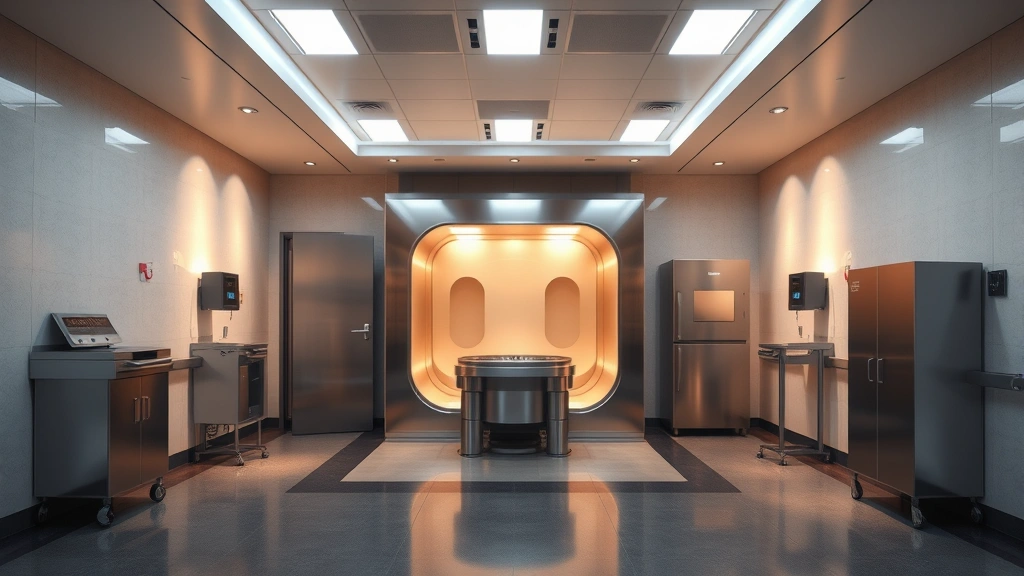
Figuring out how much does it cost to cremate someone is one of those conversations nobody wants to have, but everyone needs to understand. Whether you’re planning ahead or dealing with an immediate loss, cremation costs can range anywhere from $1,000 to $5,000 or more, depending on where you live and what services you choose. Let me break down the real numbers so you can make informed decisions without getting blindsided by unexpected expenses.
Table of Contents
Basic Cremation Costs Explained
Let’s start with the fundamentals. A basic cremation service typically costs between $1,000 and $3,000 in most parts of the United States. This covers the actual cremation process—the facility, equipment, and labor needed to reduce the deceased to ashes. That’s the core service, plain and simple.
But here’s where it gets tricky: cremation costs don’t always mean just the cremation itself. Many funeral homes bundle in additional services like transportation, permits, paperwork, and handling fees. The Federal Trade Commission requires funeral homes to provide itemized pricing, so you can see exactly what you’re paying for. Always ask for a General Price List (GPL) before committing to anything.
Regional Price Variations Across US
Location matters tremendously when calculating cremation expenses. In California, you might pay $2,500 to $4,500 for direct cremation, while in rural areas of the Midwest, you could find services for $1,200 to $2,000. Urban centers consistently charge more than rural communities because of higher overhead costs and demand.
New York, Florida, and Texas see some of the highest cremation costs in the nation, often exceeding $3,500 for basic services. Meanwhile, states like Arkansas, Oklahoma, and Kansas typically run $1,500 to $2,500. If you’re comparing prices across state lines, you might discover significant savings by exploring options in neighboring regions.
What Affects Cremation Price
Several factors influence the final bill. The deceased’s weight matters—larger individuals require longer cremation times and more fuel, which increases costs. Some facilities charge by the pound or have weight-based pricing tiers. A 300-pound person might cost $200-400 more to cremate than a 150-pound person.
The crematory’s equipment age and efficiency also plays a role. Modern, EPA-compliant crematoriums operate more efficiently but may have higher overhead costs passed to customers. Whether you choose a standalone crematory or a funeral home with in-house cremation services affects pricing too. Independent crematoriums often undercut funeral home prices by 20-30%.
Timing can influence costs as well. Rush cremations or weekend/holiday services sometimes carry premium fees. Some facilities charge 15-25% extra for expedited handling or off-hours cremation.
Direct Cremation vs Traditional
Direct cremation is the most affordable option, running $1,000 to $2,500. You skip the viewing, funeral service, and embalming. The body goes straight from the place of death to the crematory. You get the ashes back in a basic container, usually within 3-7 days. This is the no-frills approach that saves serious money.
Traditional cremation with a funeral service costs significantly more—$3,500 to $7,000 or higher. You’re paying for the funeral home’s facilities, staff time, viewing room rental, memorial service coordination, and sometimes embalming. If you want a casket for viewing before cremation, add another $1,500 to $5,000 depending on the casket quality.
Many families choose a middle ground: direct cremation followed by a simple memorial service at a church or community space. This approach keeps costs reasonable while honoring the deceased with a gathering.
Hidden Fees to Watch For
This is where cremation costs sneak up on you. Beyond the basic cremation fee, watch for:
Permit and Documentation Fees: Death certificates, cremation permits, and paperwork processing typically add $100-300. Some states require multiple certified death certificates, and each costs $15-50.

Transportation Charges: Moving the body from hospital to crematory runs $200-500. Some funeral homes charge per mile for longer distances.
Container Fees: The basic cardboard container is usually included, but if you want an urn for display, expect $50-5,000 depending on material and design. Rental urns for the service run $100-300.
Administrative Fees: Handling, processing, and coordination fees range from $100-400. Some facilities call this a “facility fee” or “basic service fee.”
Witness Fees: If you want someone present during cremation, some facilities charge $100-200 extra for staff supervision.
Ask for the complete itemized price list upfront. Federal law requires funeral homes to provide this in writing, and comparing lists from 3-5 providers reveals huge variations.
Ways to Reduce Cremation Costs
Smart shopping saves money. Call multiple cremation providers and funeral homes—prices vary wildly for identical services. Some independent crematoriums charge 30-50% less than full-service funeral homes.
Choose direct cremation if you’re not planning a formal service. This cuts costs nearly in half compared to traditional cremation with funeral home involvement. You can hold a memorial service later at minimal expense—a church, park, or home gathering costs nothing or very little.
Buy your own urn instead of purchasing from the funeral home. Online retailers sell beautiful urns for $50-300 that funeral homes mark up to $500-1,000. Federal law allows you to bring your own urn; funeral homes must accept it.
Skip embalming entirely. If you’re going directly to cremation, embalming serves no purpose and wastes $500-800. It’s only necessary if there’s a viewing before cremation.
Consider cremation societies or membership organizations in your area. These non-profit groups negotiate discounted rates with crematoriums and can reduce costs by 20-40%. Some charge annual membership fees ($50-100) but save far more on the actual cremation.
Pre-Planning Advantages
Pre-planning your cremation locks in today’s prices and removes decision-making burden from grieving family members. Prices increase 2-3% annually, so planning ahead saves money. If you’re 50 now and live another 30 years, cremation costs might double—locking in current rates saves thousands.
Many crematoriums offer pre-need payment plans with no interest. You pay gradually over months or years, spreading the financial burden. Some even offer discounts for pre-payment—typically 5-15% off the regular price.

Pre-planning also ensures your wishes are documented and your family knows exactly what you wanted. You can specify direct cremation, choose your urn preferences, and designate where you want your ashes scattered or stored. This eliminates confusion and prevents family conflict during an emotional time.
Document your pre-planning decisions in writing and tell your family where to find this information. Keep copies with your will, important documents, or give them to a trusted family member.
Frequently Asked Questions
What’s included in the basic cremation cost?
The basic cremation fee covers the actual cremation process—use of the crematory equipment, fuel, labor, and basic handling. It typically does not include transportation, permits, urns, or memorial services. Always ask for itemization to know exactly what’s covered.
Can I choose a cheaper crematory than my funeral home recommends?
Absolutely. You have the right to use any licensed crematory you choose. Funeral homes cannot force you to use their preferred provider. You can arrange cremation directly with an independent crematory and save 20-50% compared to funeral home pricing.
How long does cremation take?
The actual cremation process takes 2-3 hours. However, from the time of death to receiving ashes typically takes 3-7 days, depending on permits, paperwork, and crematory scheduling. Rush services available at higher cost can reduce this to 24-48 hours.
What happens to the ashes after cremation?
You receive the ashes in a container, usually a temporary cardboard or plastic urn. You can transfer them to a permanent urn, scatter them, bury them, or keep them at home. Some families split ashes among multiple urns for different family members. There’s no legal requirement for what you do with ashes.
Is cremation cheaper than burial?
Yes, significantly. Cremation typically costs $1,500-3,500 while traditional burial costs $5,000-15,000+ when including casket, vault, plot, and grave opening fees. Cremation is usually the most affordable final disposition option available.
Do I need to buy an urn from the funeral home?
No. Federal law allows you to purchase urns from any retailer. Funeral homes must accept outside urns at no additional charge. Online urn retailers offer better prices and wider selection than funeral home showrooms.
Can I witness the cremation?
Many crematoriums allow family members to witness the cremation for an additional fee ($100-200). This provides peace of mind and closure for some families. Call ahead to arrange witness cremation—not all facilities offer this service.
What if I can’t afford cremation costs?
Contact local social services, religious organizations, or charitable groups. Many communities have indigent burial/cremation assistance programs. Some funeral homes offer reduced rates for low-income families. Direct cremation is your most affordable option, typically $1,000-1,500.


