
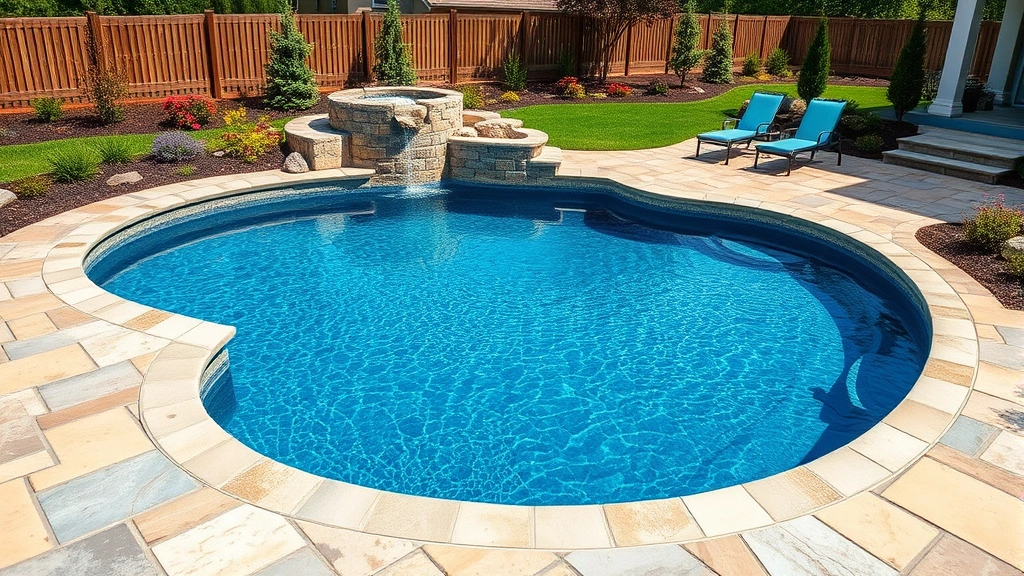
So you’re thinking about how much does it cost to build a pool? Yeah, I get it. You’re picturing those summer afternoons, cold drinks in hand, maybe some cannonballs happening. But before you start dreaming, let’s talk real numbers. Pool construction costs vary wildly depending on what you’re building, where you’re building it, and what bells and whistles you want attached. I’ve helped folks navigate this decision, and I’m going to break down everything you need to know so you can budget properly and avoid sticker shock.
Table of Contents
Basic Pool Cost Breakdown
Let’s start with the raw numbers. The average in-ground pool costs between $35,000 and $60,000 to build, though you can spend less or significantly more depending on your choices. An above-ground pool runs $2,000 to $15,000, making it the budget-friendly option. A fiberglass shell pool falls somewhere in the middle at $20,000 to $40,000.
These aren’t just random figures—they come from actual construction expenses. You’ve got materials, labor, equipment, and a bunch of other line items that add up fast. The best way to think about it is breaking the total into three main categories: the pool structure itself (the hole and what fills it), the equipment that makes it work, and the finishing details that make it look good.
According to Family Handyman’s pool construction guides, most homeowners spend between 50-60% of their budget on the actual pool construction and 20-30% on equipment, with the remainder going to landscaping and finishing work.
Different Pool Types & Pricing
Not all pools are created equal, and neither are their price tags. Let me walk you through the main options so you can figure out what makes sense for your situation.
In-Ground Concrete Pools are the traditional choice and typically cost $35,000 to $65,000. You’re paying for excavation, concrete work, finishing, and all the systems. They’re durable and highly customizable, but they require regular maintenance and acid washing every few years.
Fiberglass Pools run $20,000 to $40,000 and come pre-manufactured in standard shapes. They’re faster to install (usually 2-3 weeks) and require less maintenance than concrete. The downside? You’re limited to the shapes available, and repairs can be tricky if the shell cracks.
Vinyl Liner Pools cost $25,000 to $45,000 and use a flexible vinyl sheet as the pool surface. They’re cheaper than concrete but the liner needs replacing every 7-10 years, which adds ongoing costs. They’re also gentler on your feet and less slippery than concrete.
Above-Ground Pools are your budget option at $2,000 to $15,000. They’re temporary (typically 10-15 years), don’t require permits in most areas, and you can remove them if you change your mind. Perfect for renters or folks testing the waters before going full commitment.
Site Preparation & Excavation
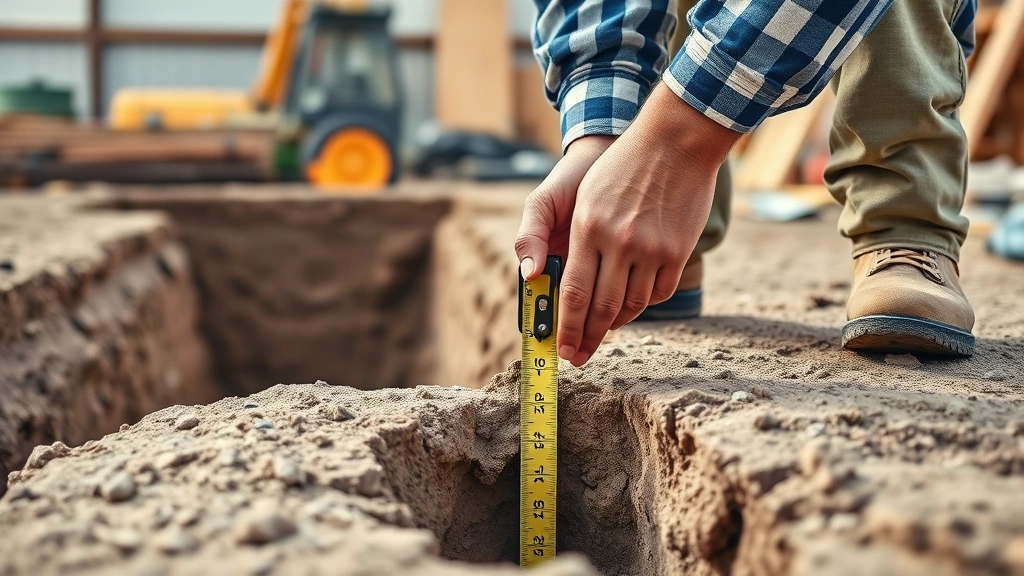
Here’s where costs can surprise you. Before a single drop of water goes in, you need to prepare the site. Excavation alone runs $1,500 to $5,000 depending on your soil type and how much digging is needed. Hard clay or rocky soil? You’re paying more. Easy sandy soil? You’re on the cheaper end.
You might also need to deal with grading and drainage. If your yard doesn’t slope properly, water will pool in the wrong places and cause foundation issues. That’s another $1,000 to $3,000. Some properties need retaining walls or additional fill material, which bumps costs up further.
Don’t forget about utility location. Before you dig, you need to call your local utility locating service (it’s free) to mark underground gas lines, electrical, and water pipes. Hitting one of these is catastrophically expensive and dangerous. Budget a day for this process before excavation starts.
Labor & Professional Installation
Labor typically represents 30-50% of your total pool cost. In most markets, you’re looking at $50 to $150 per hour for skilled pool contractors, and a standard in-ground pool takes 100-200 hours of labor depending on complexity.
The complexity factor matters hugely here. A simple rectangular concrete pool is straightforward. A custom-shaped pool with multiple depth zones, built-in spas, water features, or specialized finishes? That’s specialty work and costs more. You might also need separate contractors for different phases—excavation crew, concrete specialists, equipment installers, and finishing crews.
This is where getting multiple quotes becomes essential. Three different contractors might quote you three different prices, and the variation tells you something about their efficiency and overhead. The cheapest isn’t always the best, but the most expensive isn’t necessarily better either. Look for contractors with solid references and detailed written estimates that break down labor by phase.
Permits, Inspections & Regulations
Your local building department wants a piece of this action, and rightfully so. Permit costs vary wildly by location—anywhere from $500 to $2,500—but you absolutely need them for in-ground pools. Skip this step and you’re risking fines, difficulty selling your home, and insurance claim denials if something goes wrong.
Inspections happen at multiple stages: before excavation, after excavation, during construction, and before the pool fills. Each inspection costs $100 to $300, and you typically need three to five of them. Some jurisdictions include inspections with the permit fee; others charge separately.
You might also need a survey done if your property lines are unclear. That’s another $300 to $800. And if you’re in a neighborhood with a homeowners association, you’ll need their approval too—sometimes that’s free, sometimes they charge for architectural review.
Pool Equipment & Filtration Systems
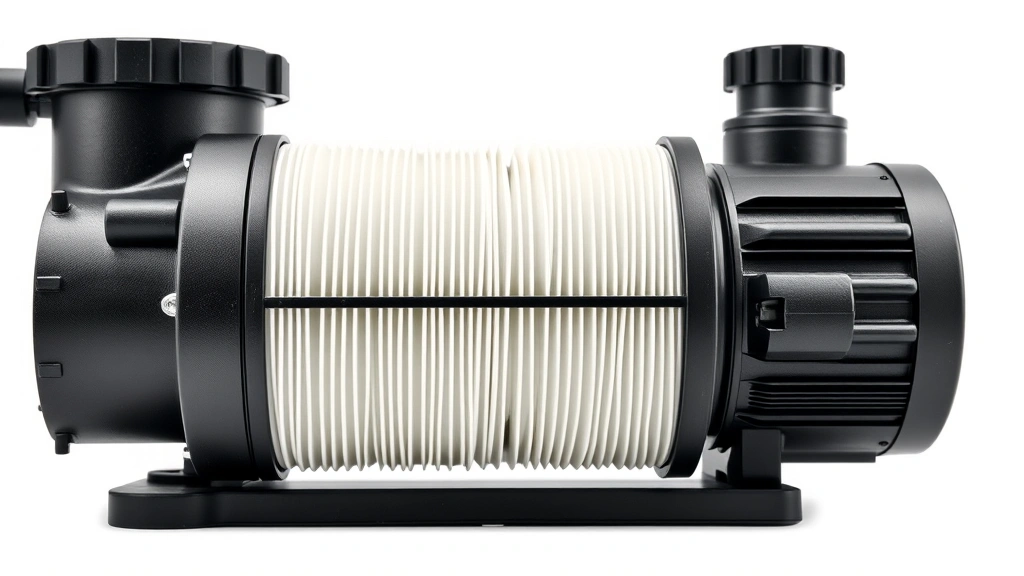
The equipment that keeps your pool clean and safe accounts for $3,000 to $8,000 of your budget. This includes the pump, filter, heater, and chemical treatment system. Don’t cheap out here—quality equipment runs better, lasts longer, and saves you money on electricity and chemicals.
A standard single-speed pump costs $400 to $800, but variable-speed pumps run $1,200 to $2,000 and use significantly less electricity. Over 10 years, that efficiency pays for itself multiple times over. Sand filters run $500 to $1,200, while cartridge filters cost $800 to $2,000 but require less maintenance.
Gas heaters cost $1,500 to $3,000 and heat pools quickly but consume fuel. Heat pumps run $2,500 to $5,000 but are incredibly efficient for maintaining temperature. Solar heaters cost $2,000 to $4,000 and have minimal operating costs but work best in sunny climates.
You’ll also want automation systems—timers, pH monitors, chlorine dispensers. Basic automation runs $500 to $1,500. Smart systems that you control from your phone cost $2,000 to $4,000 but make maintenance way easier.
Finishing Touches & Decking
The deck or patio surrounding your pool is where personality comes in, and it’s also where costs can escalate quickly. You’re looking at $3,000 to $10,000 for basic decking, but premium materials push that to $15,000 or more.
Concrete decking is the budget option at $5 to $15 per square foot. Pavers run $10 to $25 per square foot. Natural stone like flagstone costs $15 to $35 per square foot. Composite decking (wood-plastic blend) runs $15 to $30 per square foot and requires less maintenance than real wood.
You might also want landscaping around the pool—plants, trees, privacy screens. Budget $1,000 to $5,000 for basic landscaping. If you’re installing artificial grass around the pool area for low maintenance, that’s another $2,000 to $5,000 depending on square footage.
Lighting, water features, and built-in seating bump costs up significantly. A basic pool light costs $200 to $500. A waterfall or fountain adds $1,000 to $5,000. Built-in benches or sun shelves add $500 to $2,000.
Hidden Costs Nobody Talks About
This is the real talk section. Beyond the main construction costs, there are expenses that catch people off guard. First, there’s the electrical work. Running dedicated circuits for your pump and heater requires a licensed electrician and costs $1,000 to $3,000. If your panel needs upgrading, double that.
Gas lines for a heater or outdoor kitchen near the pool need professional installation—$1,500 to $3,000. Water connection and drainage systems add $500 to $2,000. If you need a new fence for safety compliance, that’s $2,000 to $5,000 depending on materials and length.
Then there’s the ongoing maintenance cost nobody factors in initially. Annual pool maintenance runs $1,500 to $3,000 if you hire someone, or $500 to $1,000 in chemicals and supplies if you do it yourself. Equipment replacement—pumps, filters, liners—happens on a schedule and costs money.
Insurance implications matter too. Your homeowners insurance might increase $300 to $600 annually. Some policies charge more for pools with diving boards or slides. And if someone gets hurt, your liability exposure increases significantly, which is why homeowners insurance becomes more important.
Money-Saving Strategies
Okay, so how do you keep costs reasonable without cutting corners on quality? Here are legitimate strategies I’ve seen work.
Choose a simpler shape. Rectangular pools cost less than kidney-shaped or custom designs. Every curve and angle adds to excavation, concrete work, and finishing time.
Go smaller. A 15×30 pool costs significantly less than a 20×40 pool. You’re reducing excavation, materials, and equipment size proportionally. Most families don’t need Olympic-sized backyard pools anyway.
Pick standard depths. Custom depth zones and beach entries look cool but cost more. Standard 3-5 foot depth is cheaper and safer.
Phase the project. Build the basic pool now and add the spa, waterfall, or fancy decking later. This spreads costs over time and lets you adjust based on budget.
Do some work yourself. If you’re handy, you can handle landscaping, basic painting, or installing gutters for pool drainage systems. Don’t DIY the structural work though—that requires expertise.
Get multiple quotes. Get at least three detailed bids. You’ll see where prices differ and can negotiate intelligently. Sometimes contractors will match prices if they want the work.
Build in off-season. Pool construction in winter or early spring is cheaper than summer. Contractors have more availability and might offer discounts.
Choose efficient equipment upfront. Variable-speed pumps and heat pumps cost more initially but save thousands in operating costs. Do the math over 10 years.
Frequently Asked Questions
What’s the cheapest way to add a pool to my yard?
An above-ground pool is your cheapest option at $2,000 to $15,000 installed. You can set one up in a weekend without permits or professional installation. If you want in-ground, a fiberglass pool with standard equipment and minimal finishing is the most affordable option.
Can I build a pool myself to save money?
Technically yes, but I don’t recommend it for in-ground pools. The structural work requires specialized knowledge, and mistakes are catastrophically expensive. You can DIY an above-ground pool and handle finishing work like landscaping or decking, but hire professionals for excavation, concrete, and equipment installation.
How much does pool maintenance cost annually?
Budget $1,500 to $3,000 per year if you hire a professional service. If you maintain it yourself, expect $500 to $1,000 annually in chemicals, supplies, and occasional equipment repairs. Equipment replacement (pump, filter, etc.) happens every 5-10 years and costs $1,500 to $3,000 per item.
Do I need permits for a pool?
Yes, in-ground pools require permits in virtually all jurisdictions. Above-ground pools might not, depending on size and location. Permits exist for safety reasons—they ensure proper electrical work, drainage, and safety features. Skipping permits creates liability and resale problems.
What adds the most value—pool type, size, or features?
A well-maintained, properly sized pool in good condition adds the most value. Oversized pools or excessive features don’t add dollar-for-dollar value. A standard 15×30 in-ground pool typically adds 50-70% of its construction cost to home value. Fancy features add much less proportionally.
How long does pool construction take?
Above-ground pools: 1-3 days. Fiberglass in-ground: 2-4 weeks. Concrete in-ground: 6-12 weeks depending on complexity and weather. The timeline includes site prep, construction, equipment installation, and fill-up. Weather delays are common, especially with concrete work.
Should I get a heated pool?
If you’re in a warm climate, solar heating is efficient and cheap to operate. In colder climates, a heat pump is more efficient than a gas heater but costs more upfront. Gas heaters are cheaper initially but cost more to run. Calculate the payback period based on your climate and how often you’ll use the pool.
What’s the difference between vinyl, concrete, and fiberglass?
Vinyl liners are customizable and gentle on skin but need replacing every 7-10 years. Concrete is durable and customizable but requires acid washing and sealing. Fiberglass is low-maintenance and fast to install but limited to standard shapes and harder to repair. Choose based on your budget, timeline, and maintenance tolerance.
Final Thoughts
Building a pool is a significant investment, but it’s one that can provide years of enjoyment and family memories. The key is understanding where your money goes and making informed decisions about where to invest and where to economize.
Start with a realistic budget, get multiple professional quotes, and don’t rush the process. A pool built right the first time is cheaper than fixing mistakes later. Whether you’re building a simple above-ground pool or a custom in-ground resort-style setup, knowing how much does it cost to build a pool helps you plan properly and avoid financial surprises.
Work with licensed contractors, get all permits, and invest in quality equipment. Your future self—relaxing poolside on a summer afternoon—will thank you for doing it right.
For more detailed guidance on construction costs and contractor selection, check out This Old House’s pool construction resources and Bob Vila’s contractor recommendations.


