
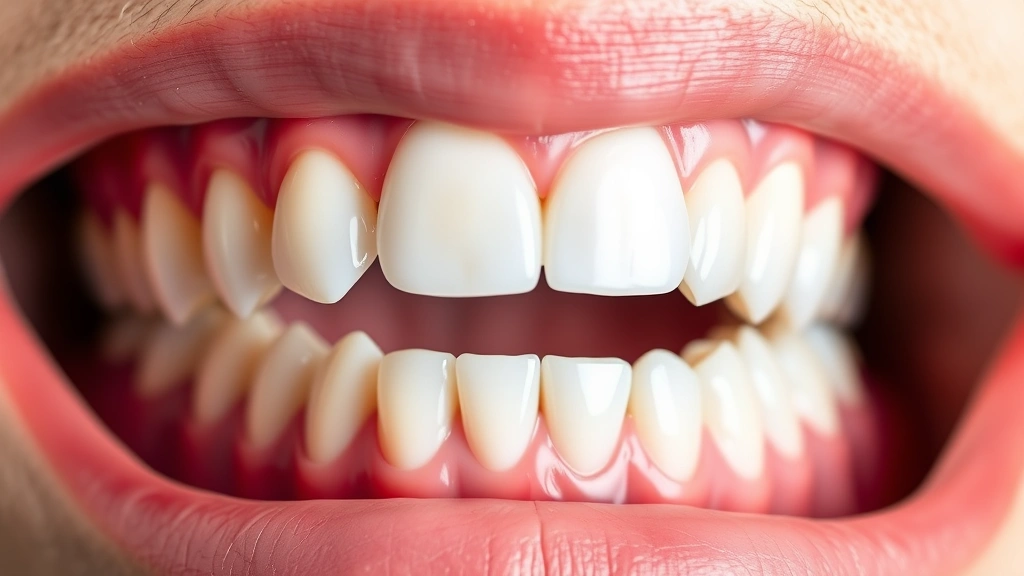
So you’re missing a tooth and wondering how much does it cost to bridge a tooth—you’ve landed in the right place. A dental bridge is one of the most practical ways to fill that gap in your smile without going full implant, and the price tag varies wildly depending on what you choose. Let’s break down the real numbers, what affects pricing, and whether this fix makes sense for your wallet and your mouth.
Table of Contents
What Is a Dental Bridge?
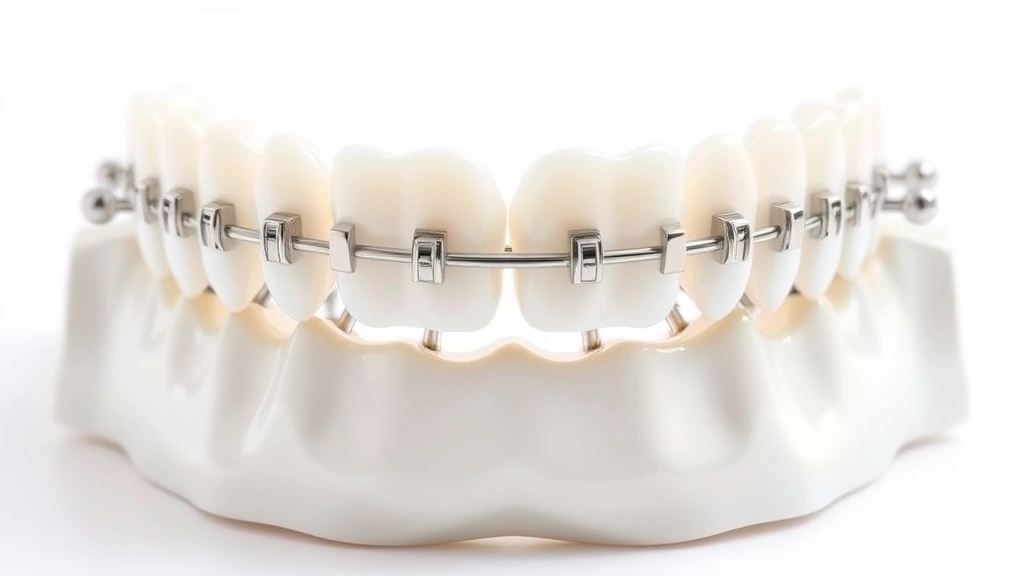
A dental bridge is basically what it sounds like—a prosthetic tooth (or teeth) that bridges the gap where one or more teeth are missing. It’s anchored to the natural teeth on either side of the gap, called abutment teeth. Think of it like building a small bridge across a creek; the healthy teeth on both sides become your support pillars, and the fake tooth spans across the missing space. The bridge is typically made from porcelain, ceramic, or a metal-and-porcelain combo, and it’s permanently bonded into place. Unlike dentures, you can’t take it out at night, and it feels pretty much like your real teeth once you adjust to it.
Bridge Cost Breakdown 2024
Here’s what you’re actually looking at in 2024. A traditional dental bridge typically runs between $1,500 and $5,000 total. That might sound like a range wider than a canyon, but stick with me—I’ll explain why. For a single-tooth bridge (which is the most common), you’re usually looking at $1,500 to $3,000. Multiple missing teeth? That can push you toward $3,000 to $5,000 or higher. The price per tooth on the bridge itself ranges from about $500 to $1,500 per unit, depending on materials and your dentist’s experience level. Location matters too—urban areas and cosmetic-focused practices charge more than rural or general dental offices.
Factors Affecting Your Price
Material choice is your biggest cost driver. A porcelain-fused-to-metal bridge costs less than all-ceramic or all-porcelain. Your dentist’s experience and reputation play a role—a prosthodontist (tooth specialist) charges more than a general dentist, but they often deliver superior results. Geographic location is real; New York City prices dwarf rural Kansas prices. The number of teeth missing affects total cost, obviously. Whether you need prep work on the abutment teeth, bone grafting, or gum treatment adds to expenses. And here’s the kicker: if your abutment teeth are already crowned or compromised, the work becomes more complex and expensive. Lab quality matters too—some dentists use premium labs that charge more but deliver better aesthetics and fit.
Bridge Types & Costs
Let’s talk specifics on bridge varieties. A traditional bridge (the most common) costs $1,500–$3,000 and requires grinding down the abutment teeth. A cantilever bridge anchors to only one side, running $1,200–$2,500, and works when you’ve got a tooth on only one side of the gap. A Maryland bridge (resin-bonded) is the budget option at $800–$1,500 because it uses minimal preparation and bonds to the back of adjacent teeth—though it’s less durable long-term. A implant-supported bridge is the premium choice at $4,000–$15,000+ because it requires implant placement first, but it’s the most stable and doesn’t rely on grinding healthy teeth. Each type has trade-offs between cost, durability, aesthetics, and how much your natural teeth get compromised.
Insurance Coverage Reality
Here’s where it gets frustrating. Most dental insurance plans cover 40–60% of bridge costs after your deductible, treating it as a major restorative procedure. Some plans cap coverage at $1,000–$1,500 per year, which means your insurance might pay for part of the bridge but not all. The catch: many plans have a waiting period for major work (6–12 months), so if you just switched insurance, you might be waiting. Some plans don’t cover bridges at all if they classify them as cosmetic. Call your insurance company directly and ask about your specific coverage—don’t rely on the dental office’s estimate. If you don’t have insurance, ask your dentist about payment plans; most offices offer financing through CareCredit or similar services at 0% APR for 6–12 months if you qualify.
DIY vs. Professional Work
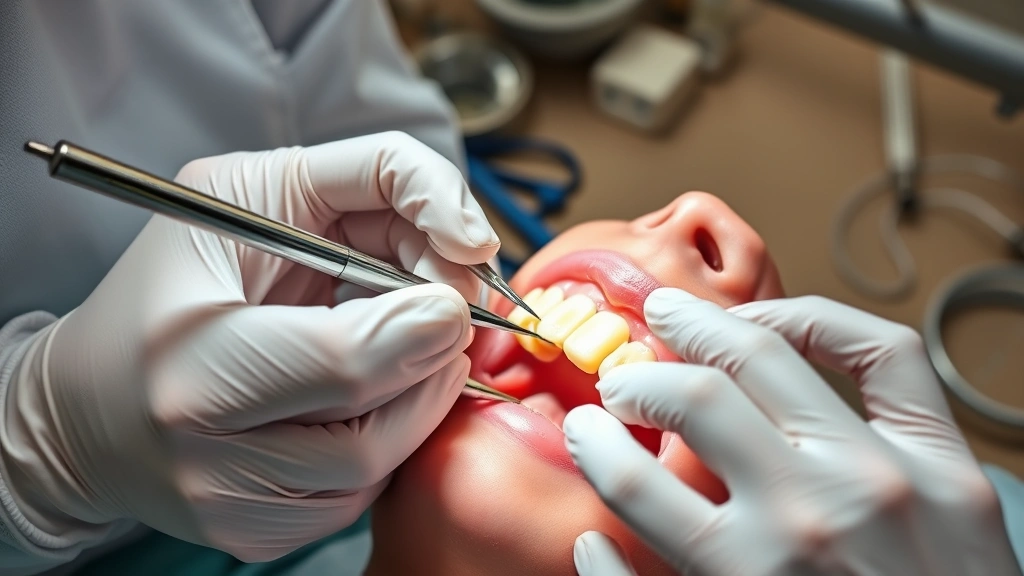
Let me be crystal clear: you cannot DIY a dental bridge. This isn’t like changing your voicemail—it requires professional precision. Your dentist needs to prepare the abutment teeth, take impressions, manage bite alignment, and ensure the bridge fits perfectly. Messing this up leads to decay under the bridge, gum disease, bite problems, and eventual tooth loss. You might find cheap bridge kits online, but they’re garbage and will cost you way more in repairs and corrections. The lab work alone—crafting the actual bridge—requires specialized equipment and expertise. This is one of those areas where you absolutely need a professional, and trying to save money here will backfire spectacularly. Think of it like dissolvable stitches—you need proper medical/dental care for the best outcome.
Long-Term Maintenance Costs
The bridge itself is permanent, but maintenance costs add up. You’ll need regular dental cleanings every 6 months (standard cost $75–$200 per visit). Flossing under the bridge requires a special threader or water flosser—invest in one of those ($30–$100 one-time). If the bridge ever needs replacement (typically after 10–15 years), you’re paying the full cost again. If a supporting tooth decays under the bridge, you might need a root canal ($800–$1,500) or extraction. Some people need adjustments for bite issues within the first few months ($100–$300 per visit). Over 15 years, you’re looking at an additional $2,000–$4,000 in maintenance and potential repairs on top of the initial cost. Budget accordingly.
Alternatives to Consider
Before committing to a bridge, know your other options. A dental implant costs $3,000–$6,000 per tooth but lasts 25+ years and doesn’t damage adjacent teeth; it’s the gold standard but requires bone density and a longer timeline. A partial denture runs $500–$1,500, is removable, and doesn’t require grinding healthy teeth, but it’s less stable and requires daily maintenance. A flipper tooth (temporary prosthetic) costs $300–$500 and works as a quick placeholder while you decide. A resin-bonded bridge (Maryland bridge) is cheaper at $800–$1,500 but less durable. For a detailed comparison of implant costs and timelines, check out resources like Family Handyman for general dental project guidance or This Old House for home-health topics. The right choice depends on your budget, bone structure, timeline, and how long you want the solution to last.
Money-Saving Tips
Get multiple quotes from different dentists—prices vary wildly, and you might save $500–$1,000 just by shopping around. Ask about dental schools; they offer reduced-cost work supervised by licensed instructors. Consider traveling for dental work if you’re in a high-cost area; some people fly to Mexico or Costa Rica for dental tourism and still save money overall. Time your work to maximize insurance benefits—schedule the bridge in a calendar year where you haven’t hit your deductible yet. Ask about payment plans before committing; many offices offer 0% financing. Choose a traditional bridge over an implant-supported bridge if budget is tight and your abutment teeth are healthy. Request a less expensive material (metal-and-porcelain instead of all-ceramic) if it’s not a visible tooth. Ask if your dentist can use a more affordable lab without sacrificing quality. Don’t skip the professional work to save money—that’s false economy.
Frequently Asked Questions
How long does a dental bridge last?
A well-maintained dental bridge typically lasts 10–15 years, sometimes up to 20 years. Lifespan depends on material quality, how well you care for it, and whether the supporting teeth stay healthy. Porcelain bridges tend to last longer than resin-bonded bridges.
Does insurance cover the full cost of a bridge?
No. Most insurance covers 40–60% after your deductible, and many plans cap annual benefits at $1,000–$1,500. Some plans don’t cover bridges at all or classify them as cosmetic. Always check your specific plan details.
Can you eat normally with a dental bridge?
Yes, once you adjust (usually 2–4 weeks). Avoid very hard, sticky, or chewy foods that could dislodge the bridge. Most people adapt quickly and eat normally without thinking about it.
What’s the difference between a bridge and an implant?
A bridge uses adjacent teeth for support and costs less ($1,500–$3,000) but requires grinding healthy teeth. An implant replaces the tooth root with a titanium post, costs more ($3,000–$6,000), but doesn’t damage adjacent teeth and lasts longer (25+ years).
Can a dental bridge be removed?
No, a traditional bridge is permanently bonded in place. Only your dentist can remove it, which involves cutting it off. A Maryland bridge is sometimes removable, but it’s still meant to be permanent.
What happens if the bridge breaks?
Minor chips can often be repaired ($100–$300). If it breaks significantly, you’ll likely need a full replacement ($1,500–$3,000). This is why maintenance and avoiding hard foods matter.
How painful is getting a dental bridge?
The procedure itself isn’t painful because your dentist uses anesthesia. You might experience sensitivity or soreness for a few days after, manageable with over-the-counter pain relievers. Most people report minimal discomfort.
Do I need a root canal before getting a bridge?
Not necessarily. Root canals are only needed if the abutment teeth are damaged or have decay. Healthy abutment teeth just need standard preparation and shaping.
Final Thoughts
So, how much does it cost to bridge a tooth? You’re realistically looking at $1,500–$3,000 for a single-tooth traditional bridge in 2024, with variations based on materials, location, and your dentist’s expertise. Factor in insurance coverage (typically 40–60%), potential financing options, and long-term maintenance costs ($2,000–$4,000 over 15 years). It’s a solid investment if your abutment teeth are healthy and you want a permanent, natural-feeling solution. Get multiple quotes, understand your insurance coverage, and don’t skip professional work to save money. A dental bridge is one of those procedures where cutting corners creates expensive problems down the road. Take your time, ask questions, and make an informed decision that fits your budget and your smile goals. For additional guidance on health-related decisions, check out resources like Bob Vila for home-health topics or consult your dentist directly.


