
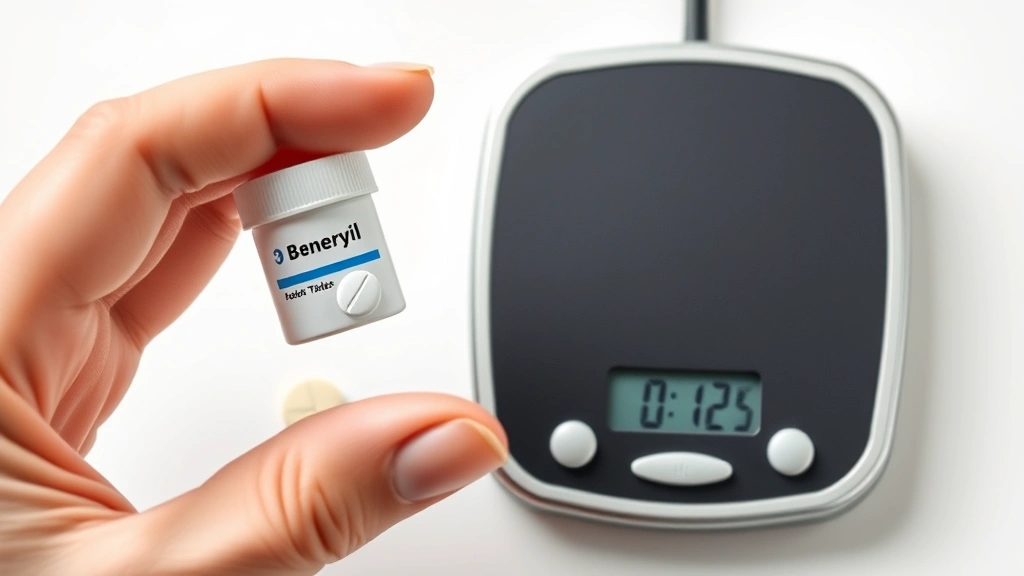
Figuring out how much Benadryl to give a dog can feel like navigating a minefield when your pup is scratching like crazy or anxious before a thunderstorm. As a pet owner, you want relief for your furry friend without accidentally causing harm. The good news? Benadryl is generally safe for dogs when dosed correctly, but getting the math right matters—a lot.
Table of Contents
Standard Dosage Guidelines
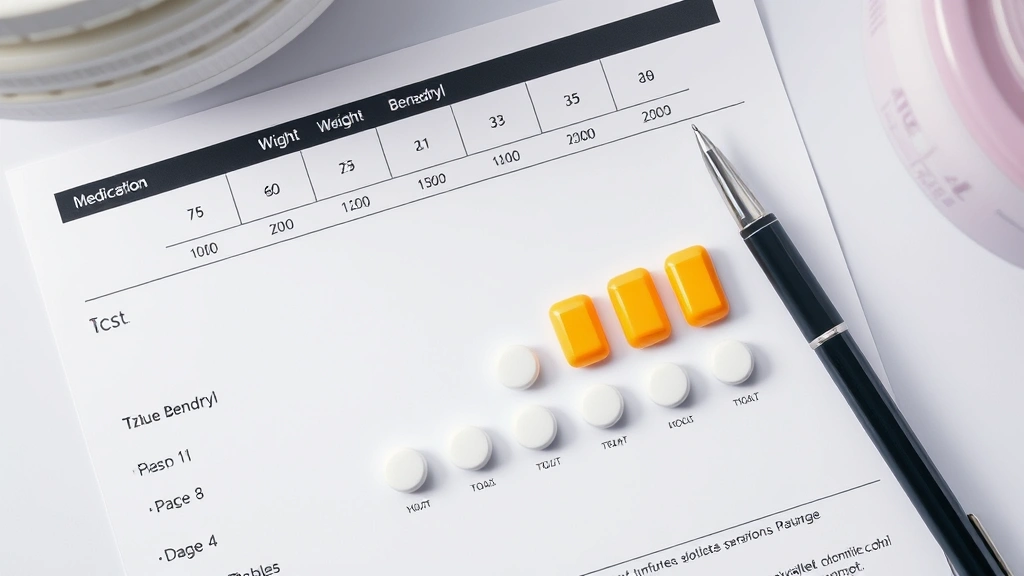
The typical rule of thumb for Benadryl dosing in dogs is 1 mg per pound of body weight, given two to three times daily. So if your dog weighs 50 pounds, you’d give roughly 50 mg per dose. Most standard Benadryl tablets contain 25 mg or 50 mg, making the math pretty straightforward for medium to large dogs. Smaller pups under 10 pounds might need liquid formulations to get accurate dosing.
Timing matters too. Space doses out evenly throughout the day—typically every 8 to 12 hours—to maintain consistent relief. Never double up on doses if you miss one; just resume your regular schedule. The maximum daily amount shouldn’t exceed 300 mg for most dogs, though your vet might adjust this based on your individual pet’s health profile.
Why Weight Matters Most
Your dog’s weight is the foundation of safe dosing. A 10-pound Chihuahua needs dramatically less medication than a 90-pound Labrador, yet some owners make the mistake of giving identical doses regardless of size. This is where things go sideways fast. Lightweight dogs metabolize medications differently, and an adult-sized dose could cause serious side effects.
The best approach? Weigh your dog at your vet’s office if you don’t have an accurate home scale. Write down the exact weight and use it as your dosing baseline. If your dog’s weight fluctuates significantly, recheck periodically—especially for senior dogs or those with health conditions. Weight changes can shift the safe dosage range, so staying current matters.
Different Benadryl Forms
Not all Benadryl products are created equal, and this is where label-reading becomes critical. The original tablet form (25 mg or 50 mg per tablet) is most common and easiest to dose. Liquid Benadryl is excellent for small dogs, though concentrations vary by brand—read the label carefully. Some liquid formulations are 12.5 mg per 5 ml teaspoon, while others differ.
Avoid gel caps with extra ingredients like pain relievers or decongestants. Stick to plain diphenhydramine products. Some Benadryl versions contain alcohol or other additives that aren’t dog-friendly. Check the ingredient list: you want diphenhydramine hydrochloride as the only active ingredient. Children’s liquid Benadryl often works well for small dogs, but verify the concentration before measuring out doses.
When to Use Benadryl
Dogs benefit from Benadryl for several common situations. Allergies—whether seasonal or food-related—often cause itching and scratching that Benadryl can help manage. Anxiety during fireworks, thunderstorms, or travel is another classic use case. Some vets recommend it before vet visits or grooming appointments to help anxious dogs stay calm. Mild motion sickness or nausea sometimes responds well to Benadryl as well.
However, Benadryl isn’t a cure-all. It’s a management tool, not a treatment for underlying conditions. If your dog has chronic allergies, you might need prescription medications or dietary changes. Think of Benadryl as a short-term solution or occasional helper, not a long-term replacement for proper veterinary care. Your vet can help determine whether Benadryl is appropriate for your dog’s specific situation or if other options make more sense.
Potential Side Effects
Most dogs tolerate Benadryl well when dosed correctly, but side effects do happen. Drowsiness is the most common—in fact, many owners use it partly for this calming effect. Some dogs get hyperactive instead (paradoxical reaction), which is less common but definitely possible. Dry mouth, urinary retention, and mild gastrointestinal upset occasionally occur.
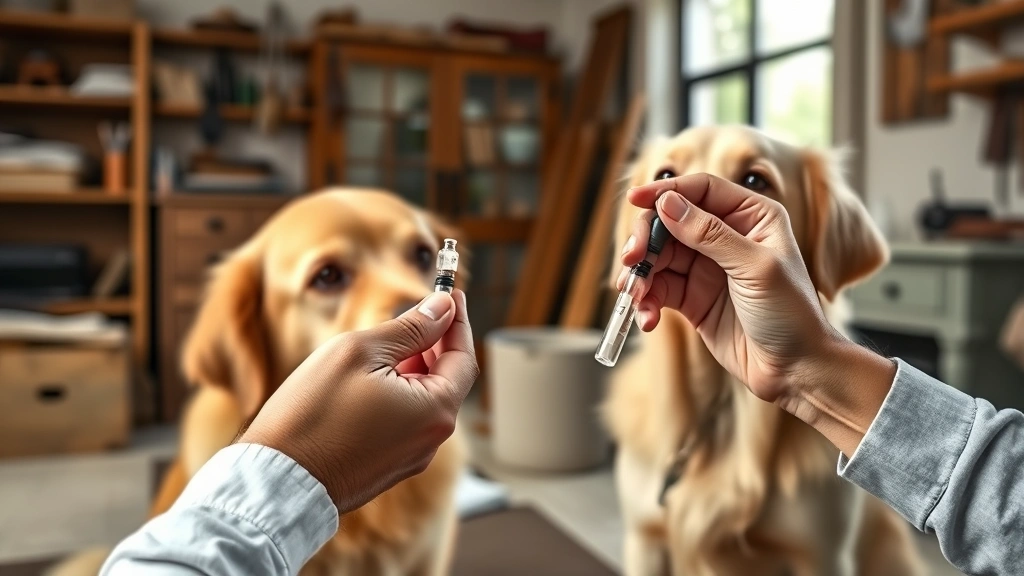
Serious side effects are rare but include rapid heartbeat, tremors, or seizures—usually only at overdose levels. If your dog shows any unusual behavior, difficulty breathing, or seems seriously unwell after Benadryl, contact your vet immediately. Don’t wait to see if it passes. Certain dog breeds, particularly those with heart conditions or glaucoma, shouldn’t take Benadryl at all, which is why vet approval matters before starting.
Before Giving Your Dog
Check your dog’s current medications first. Benadryl can interact with sedatives, certain pain medications, and other drugs. If your dog is on any prescription medications, get your vet’s green light before adding Benadryl to the mix. Pregnant or nursing dogs should avoid Benadryl unless specifically approved by your veterinarian.
Consider your dog’s health status too. Dogs with heart disease, high blood pressure, glaucoma, or urinary retention need special consideration. Senior dogs sometimes need adjusted dosages. Puppies under a certain age might not be appropriate candidates. These aren’t automatic disqualifiers, but they’re situations where veterinary guidance becomes essential rather than optional. Taking five minutes to verify safety prevents hours of worry later.
Always Consult Your Vet
This deserves its own section because it’s that important. Your veterinarian knows your dog’s complete health history, current medications, and individual risk factors. What works perfectly for one dog might be problematic for another. Your vet can also recommend the best form and dosing schedule for your specific situation and help you understand whether Benadryl is actually the best choice or if alternatives would work better.
Many vets are happy to provide dosing guidance over the phone once they know your dog’s weight and health status. Some practices have established protocols they follow. Don’t guess or rely solely on internet calculators—get professional confirmation before giving your dog any medication, even over-the-counter ones. This is especially true for first-time use or if your dog has any health complications.
Natural Alternatives
If you want to explore options beyond Benadryl, several alternatives exist. Omega-3 supplements can help with itching and allergies over time. Probiotics support immune and digestive health. Chamomile or valerian root (in dog-safe forms) can help with anxiety, though timing and dosing matter. Oatmeal baths soothe irritated skin without any medication involved.
Prescription antihistamines like Apoquel or Cerenia offer targeted relief for specific conditions. CBD products marketed for dogs are increasingly popular, though research is still emerging—talk to your vet about quality and effectiveness. Environmental changes—like air filters, humidity control, or dietary adjustments—sometimes address root causes rather than just symptoms. Your vet can help you build a comprehensive plan that might include Benadryl as one tool among several.
Frequently Asked Questions
Can I give my dog Benadryl every day?
Short-term daily use (a few days to a week or two) is generally safe under vet guidance. Long-term daily use requires veterinary oversight because it can lead to tolerance or side effects. For chronic conditions, your vet might recommend prescription alternatives designed for extended use rather than over-the-counter Benadryl.
What if I accidentally give my dog too much Benadryl?
Contact your vet or poison control immediately if you suspect overdose. Mild overdoses might just cause extreme drowsiness, but larger amounts can cause serious problems. It’s better to call and be reassured than to wait and hope everything’s fine. Keep your vet’s number and the ASPCA poison control number (888-426-4435) easily accessible.
How long does Benadryl take to work in dogs?
Most dogs show effects within 30 minutes to an hour, with peak effectiveness around 1-2 hours after administration. The duration typically lasts 4-6 hours, which is why multiple daily doses are often needed for ongoing issues.
Can puppies take Benadryl?
Puppies can take Benadryl, but dosing should be carefully calculated based on their current weight. Very young puppies (under 8 weeks) should only receive Benadryl under direct veterinary guidance. Always verify with your vet before giving any medication to a puppy.
Is Benadryl safe for senior dogs?
Senior dogs can take Benadryl, but older pups sometimes need lower doses or more frequent monitoring. Age-related health conditions (kidney disease, heart issues) might affect safety. Your vet can recommend appropriate dosing for your senior dog’s specific situation.
Should I give Benadryl with food?
Benadryl can be given with or without food. Some owners give it with a small treat to make administration easier. Food doesn’t significantly affect absorption, so choose whatever method your dog tolerates best.
Final Thoughts
Getting how much Benadryl to give a dog right comes down to weight-based calculation, understanding your dog’s individual health profile, and getting veterinary confirmation before starting. The standard 1 mg per pound guideline works for most dogs, but your vet’s specific recommendation trumps any general rule. Start with the lowest effective dose, monitor your dog’s response, and never hesitate to call your vet with questions or concerns.
Remember that Benadryl is a management tool, not a cure. It can provide relief during allergic reactions, anxiety episodes, or itchy seasons, but underlying issues often need additional attention. Your vet can help you build a complete plan that might include dietary changes, environmental modifications, or prescription alternatives alongside or instead of over-the-counter Benadryl. When in doubt, ask your veterinarian—that’s what they’re there for, and they’d rather answer a question than treat a medication mistake.
For more detailed pet care guidance, check out resources like Family Handyman’s pet care section or Bob Vila’s home and pet guides. You might also find it helpful to read about how to care for a money tree if you’re interested in creating a calming indoor environment for your anxious pup, or learn about how to remove battery corrosion from pet toy remotes. Additionally, understanding how long does royal honey take to kick in might help if you’re exploring natural supplements for your dog’s health.


