
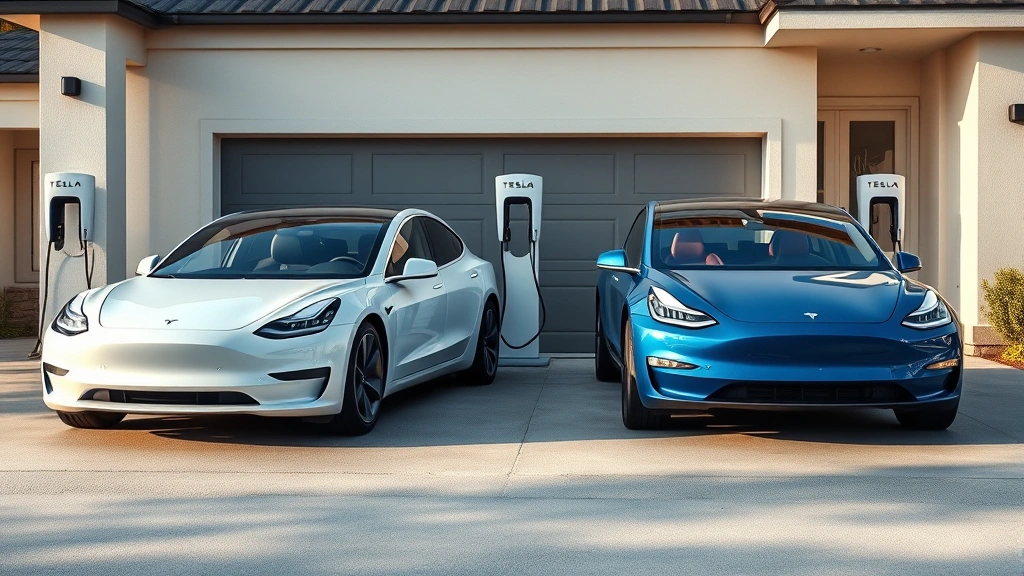
So you’re wondering how many kWh to charge a Tesla? Whether you’re a new owner or considering going electric, understanding your charging costs is crucial for budgeting and peace of mind. Let me break down exactly what you need to know about Tesla charging energy consumption, costs, and the variables that affect your actual power usage.
Table of Contents
Tesla Battery Sizes Explained
Tesla offers different battery capacities depending on the model. The Model 3 Standard Range Plus comes with around 50-54 kWh usable capacity, while the Model 3 Long Range packs 75-82 kWh. The Model Y Standard Range has roughly 55-60 kWh, and the Long Range variants sit around 80-85 kWh. The Model S and Model X are larger vehicles with bigger batteries—the Long Range models have approximately 100 kWh or more of usable capacity.
Here’s the key distinction: manufacturers list “usable” capacity, not total capacity. Tesla batteries have a buffer at the top and bottom to preserve longevity. So when you see a 75 kWh battery, you’re not charging a full 75 kWh from 0-100% in real-world scenarios.
kWh Per Full Charge
A Model 3 Standard Range Plus typically needs about 50-55 kWh for a complete 0-100% charge. The Long Range version requires 75-82 kWh. For a Model Y Standard Range, you’re looking at 55-60 kWh, while a Long Range Model Y needs 80-85 kWh. The larger Model S and X can consume 100-120+ kWh depending on trim level and battery generation.
But here’s what most people miss: you rarely charge from completely dead. Most owners do partial charges—maybe 20-80% daily. A typical commute charge (20-80%) for a Model 3 Long Range uses roughly 45-50 kWh, not the full 75-82 kWh.
Efficiency Losses Matter
Charging isn’t 100% efficient. Wall-to-battery efficiency typically ranges from 85-92%, depending on your charging method and conditions. DC fast charging (Supercharging) is less efficient than Level 2 home charging because of heat generation and conversion losses. Cold weather reduces efficiency further—you might see 10-15% additional losses in freezing temperatures.
This means if you’re charging 60 kWh into the battery, your wall meter might show 65-70 kWh consumed. The difference is heat loss, inverter inefficiency, and onboard charger losses. It’s real, measurable, and affects your electricity bill directly.
Your Actual Charging Cost
Let’s do the math. If your electricity costs $0.15 per kWh (the US average), charging a Model 3 Long Range from 20-80% costs roughly $6.75-$7.50. A full charge from empty runs $11.25-$12.30 before efficiency losses. Add 10% for wall-to-battery losses, and you’re at $12.40-$13.50 for a complete charge.
For a Model Y Long Range at the same electricity rate, a full charge runs $12-$13 before losses, or about $13.20-$14.30 accounting for efficiency. Your actual cost depends heavily on local electricity rates. In California, where rates hit $0.25+ per kWh, that same Model 3 full charge costs $18-$20. In Louisiana or other low-cost areas at $0.08 per kWh, it’s only $6-$7.
The sweet spot? Most owners spend $8-$15 per full charge at home, making daily driving costs roughly one-third of gasoline equivalents.
Charging Speed Differences
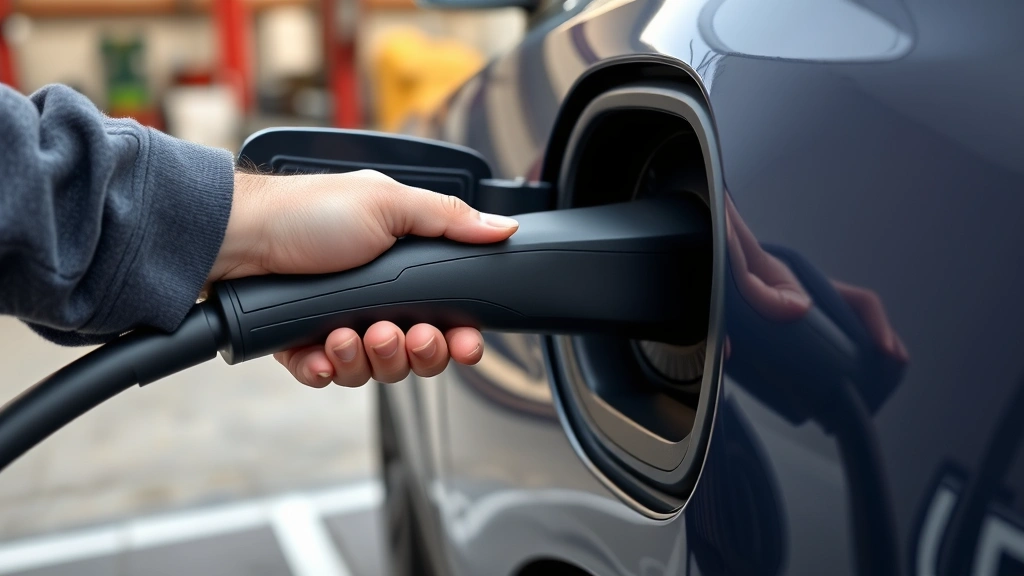
Level 1 (standard 120V outlet) adds about 2-3 miles of range per hour—painfully slow for serious charging. Level 2 (240V home charger) delivers 25-30 miles per hour, letting you charge overnight easily. A 50 kWh charge takes 6-8 hours at home with Level 2.
Supercharging (DC fast charging) is dramatically faster—adding 175-200 miles in 20-30 minutes. But here’s the trade-off: Supercharging is less efficient and costs more per kWh than home charging. You’re paying for speed and convenience. Most owners use Superchargers for road trips, not daily charging.
Real-World Variables
Temperature dramatically affects efficiency. Cold weather can reduce range by 20-40% and increase charging time. Your driving habits matter too—aggressive acceleration and highway speeds consume more energy than gentle city driving. Tire pressure, aerodynamics, and even wind conditions affect real-world kWh consumption.
Charging speed also impacts efficiency. Slow charging generates less heat and is more efficient than rapid charging. If you charge overnight at home, you’re getting better wall-to-battery efficiency than Supercharging. Battery age matters slightly—older batteries may charge slightly less efficiently, though Tesla batteries degrade slowly.
Smart Charging Strategies
To minimize costs, charge at home during off-peak hours if your utility offers time-of-use rates. Some areas offer special EV rates as low as $0.08-$0.10 per kWh during night hours. Set your Tesla to charge after midnight and before 6 AM for maximum savings.
Avoid Supercharging for daily driving—use it only for road trips. Charge to 80% most days instead of 100% to reduce charging time and improve battery longevity. If you’re considering a home solar setup, pair it with a Tesla Powerwall for the lowest possible charging costs over time. Many owners achieve near-free charging with solar.
EV vs Gasoline Costs
A Model 3 uses roughly 24-26 kWh per 100 miles. At $0.15 per kWh, that’s $3.60-$3.90 per 100 miles. A comparable gasoline car getting 30 MPG costs $5-$7 per 100 miles at current gas prices. Over 12,000 annual miles, you save $1,500-$2,500 in fuel costs with a Tesla. Factor in lower maintenance (no oil changes, fewer moving parts, less brake wear), and the savings approach $3,000+ annually.
This is why EV ownership makes financial sense in most markets. Your electricity costs are transparent, predictable, and significantly lower than gasoline. Add federal tax credits and state incentives, and the payback period on a Tesla is often 5-7 years.
Frequently Asked Questions
How much does it cost to charge a Tesla per month?
For average driving of 1,000-1,200 miles monthly, expect $30-$50 in home charging costs at typical US electricity rates. This assumes Level 2 home charging and no Supercharging. If you Supercharge frequently, costs increase by 30-50%.

Does charging speed affect kWh consumption?
Slower charging is more efficient. A Level 2 home charge uses less total kWh than a Supercharge for the same battery capacity due to lower heat losses. The difference is roughly 5-10% in favor of slower charging methods.
Can I charge my Tesla with solar panels?
Absolutely. Many owners pair Tesla vehicles with rooftop solar and Powerwalls for near-zero charging costs. A typical 5-6 kW solar system can generate enough power to charge a Tesla completely during sunny months, with battery storage handling cloudy days and nighttime charging.
What’s the difference between usable and total battery capacity?
Total capacity includes reserves at the top and bottom that Tesla protects to extend battery life. Usable capacity is what you actually charge and discharge. For example, an 82 kWh total battery might have 75 kWh usable capacity—you’ll never fully access that top 7 kWh.
How often should I charge my Tesla?
Daily charging to 80% is ideal for battery longevity. Avoid leaving it at 0% or 100% for extended periods. Most owners charge overnight when home and top up with Superchargers on road trips. This routine maximizes battery lifespan while keeping costs minimal.
Does cold weather increase charging kWh?
Cold weather doesn’t increase the kWh needed to fill the battery, but it reduces efficiency and range. You might need 10-15% more wall kWh due to preheating and efficiency losses, and you’ll get fewer miles per full charge. Preconditioning the battery while plugged in helps.
Final Thoughts
Understanding how many kWh to charge a Tesla puts you in control of your EV ownership costs. Most owners spend $8-$15 per full charge at home, translating to roughly $3.60-$3.90 per 100 miles—a fraction of gasoline costs. Your actual consumption depends on battery size, charging method, temperature, and driving habits.
For more detailed maintenance insights on vehicle ownership, check out our guide on how often to change transmission fluid to understand other vehicle upkeep costs. If you’re upgrading vehicle accessories, learn about how to replace key fob battery for quick maintenance wins.
The bottom line: EVs are cheaper to operate than gas cars, with predictable, transparent energy costs. Charge at home when possible, use Superchargers strategically, and you’ll maximize savings while protecting your battery investment. Welcome to the EV revolution—your wallet will thank you.


