How Many Grams to a Quarter Pound: The Simple, Essential Guide
Need to know how many grams to a quarter pound? Whether you’re cooking, baking, or working with measurements in the kitchen, understanding weight conversions is essential. A quarter pound equals exactly 113.4 grams—a conversion you’ll use repeatedly in recipes, meal prep, and food portioning. This guide breaks down the math, provides practical applications, and answers your most common questions about pound-to-gram conversions.
The straightforward answer: one quarter pound = 113.4 grams (often rounded to 113g for practical purposes). Since one pound weighs 453.6 grams, dividing by four gives you the precise conversion for a quarter pound. This measurement matters whether you’re following international recipes, tracking macros, or scaling ingredients for meal planning. Understanding this conversion eliminates guesswork and ensures consistency in your cooking and baking results.
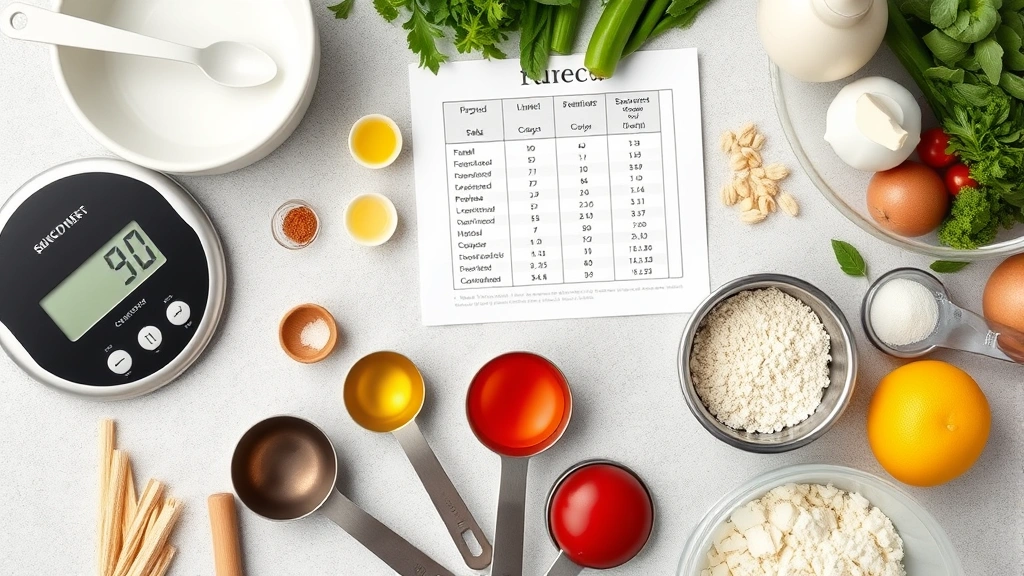
- Kitchen scale (digital preferred)
- Measuring cups and spoons
- Conversion chart or reference guide
- Pen and paper for notes
- Recipe cards or digital recipe app
- Food storage containers with labels
Quick Conversion Reference
When you’re asking how many grams to a quarter pound, the answer is consistently 113.4 grams. For everyday cooking, most people round this to 113 grams or even 115 grams depending on the precision required. This conversion applies universally—whether measuring flour, butter, meat, or any other ingredient. Having this number memorized or written on your kitchen reference card saves time and prevents errors.
The metric system uses grams as its base unit for weight, while the imperial system relies on pounds and ounces. Understanding how many grams to a quarter pound bridges these two measurement systems seamlessly. A quarter pound also equals 4 ounces (since one pound = 16 ounces), giving you multiple ways to express the same measurement depending on your scale or recipe requirements.
Quick reference chart:
- 1/4 pound = 113.4 grams (exact)
- 1/4 pound = 113 grams (rounded)
- 1/4 pound = 4 ounces
- 1/2 pound = 226.8 grams
- 1 pound = 453.6 grams
Understanding Pound to Gram Math
The math behind how many grams to a quarter pound is straightforward but important to understand. One pound internationally standardized equals 453.59237 grams (often simplified to 453.6g). To find a quarter pound, you divide 453.6 by 4, which equals 113.4 grams. This mathematical relationship remains constant regardless of what you’re measuring, making it reliable for all cooking and baking applications.
Breaking down the calculation step-by-step: if you have a full pound (453.6g) and need a quarter of that amount, you’re essentially dividing by four. This gives you 113.4g every single time. The precision of this conversion means you can trust it whether you’re measuring expensive ingredients or working with large quantities. According to WikiHow’s comprehensive guides, understanding basic weight conversions is foundational for accurate cooking.
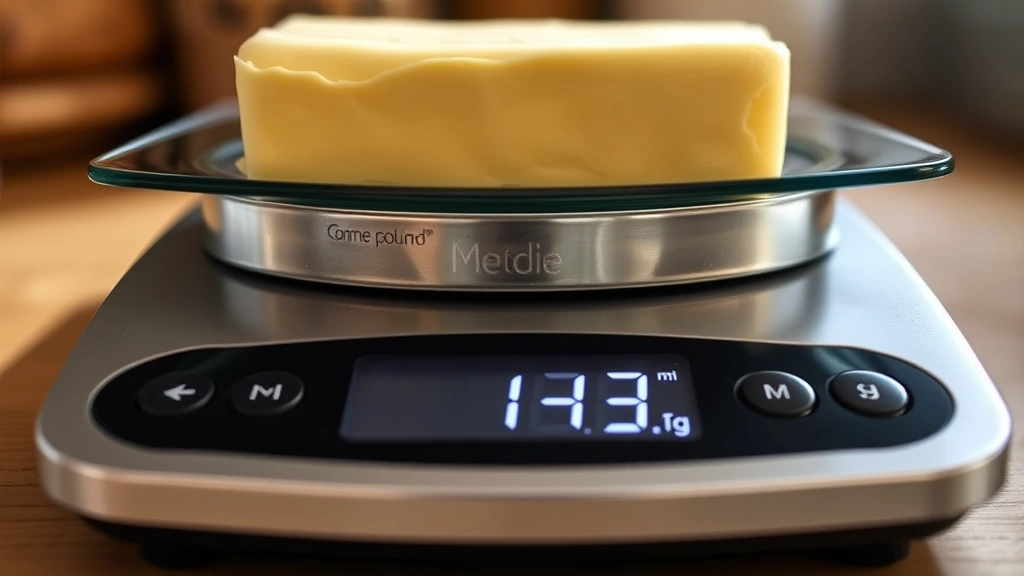
The reason this matters: small measurement errors compound in recipes. When baking especially, being off by even 10 grams can affect texture, rise, and final results. Knowing that how many grams to a quarter pound equals 113.4 grams lets you measure with confidence and consistency. Digital kitchen scales have made this conversion easier than ever—simply place your ingredient on the scale and stop when it reads 113.4 grams.
Practical Applications in Cooking
Understanding how many grams to a quarter pound transforms your cooking precision. When a recipe calls for a quarter pound of butter, you now know to measure out 113.4 grams on your digital scale. This applies to proteins (chicken breast, ground beef), dairy (cheese, cream), dry ingredients (flour, sugar), and produce. The conversion empowers you to follow recipes from different countries and cooking traditions without confusion.
In meal prep and portion control, knowing how many grams to a quarter pound helps you create consistent servings. If you’re preparing ground turkey for meal containers, portioning out 113.4-gram servings ensures uniform nutrition tracking and satisfying portions. Fitness enthusiasts and macro counters rely on this conversion daily. When recipes specify weight in pounds but your nutrition app tracks grams, this knowledge bridges that gap instantly.
Professional chefs and home cooks alike use this conversion regularly. Whether scaling a recipe up or down, understanding that a quarter pound equals 113.4 grams provides the foundation for accurate adjustments. If a recipe serves 4 people and calls for 1 pound of an ingredient, you can easily calculate that each person gets 113.4 grams. This scalability makes meal planning flexible and precise.
Common Food Measurements
Different ingredients have different densities, but how many grams to a quarter pound remains consistent at 113.4 grams by weight. However, volume measurements vary significantly by ingredient. A quarter pound of flour (113.4g) takes up more space than a quarter pound of butter (113.4g) because they have different densities. This is why weight-based measurements are superior to volume-based ones for precision cooking.
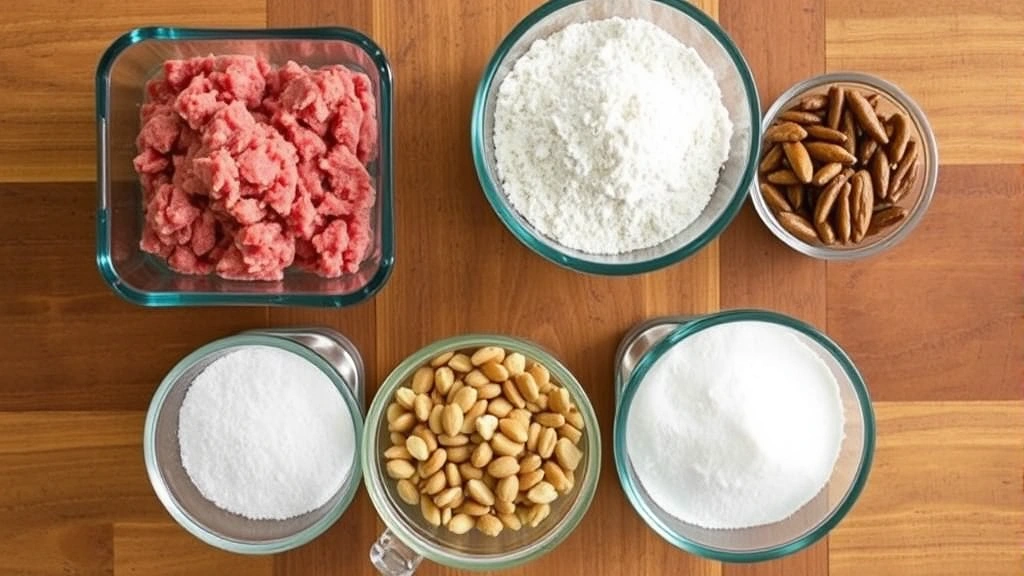
Here are common foods and their quarter-pound equivalents:
- Ground meat (beef, turkey, chicken): 113.4 grams = approximately 1/2 cup packed
- Butter or oil: 113.4 grams = approximately 1/2 cup or 8 tablespoons
- All-purpose flour: 113.4 grams = approximately 7/8 cup
- Granulated sugar: 113.4 grams = approximately 1/2 cup plus 1 tablespoon
- Shredded cheese: 113.4 grams = approximately 1 cup loosely packed
- Chocolate chips: 113.4 grams = approximately 3/4 cup
- Nuts (almonds, walnuts): 113.4 grams = approximately 3/4 to 1 cup
These volume approximations demonstrate why weight measurement is preferable. When you know how many grams to a quarter pound is 113.4 grams, you can skip the volume guessing game entirely. A digital kitchen scale provides accuracy that measuring cups simply cannot match, especially for baking where precision directly impacts results.
Why Precision Matters in Cooking and Baking
Knowing how many grams to a quarter pound isn’t just trivia—it’s the foundation of reliable cooking and baking. Baking especially requires precision because it’s chemistry. When a sourdough recipe calls for 113.4 grams of starter and you guess with a measuring cup, you might be off by 20 grams or more. That deviation affects fermentation, rise, crumb structure, and flavor. Professional bakers never use volume measurements; they always use weight.
Cooking (as opposed to baking) is more forgiving but still benefits from precision. A stir-fry recipe calling for a quarter pound of chicken breast is clearer when you know that’s 113.4 grams. You’ll cook it for the right amount of time, achieve proper doneness, and maintain consistent results. According to Consumer Reports’ kitchen testing, weight-based recipes produce more consistent results than volume-based ones.
For meal prep and fitness tracking, precision is non-negotiable. If you’re counting macros for a specific fitness goal, measuring a quarter pound as 113.4 grams instead of eyeballing it means your nutrition data is accurate. This precision compounds over weeks and months, keeping you on track with your goals. The small effort of using a scale pays dividends in consistency and success.
Digital Tools and Apps for Weight Conversion
Modern cooking relies on digital resources that make understanding how many grams to a quarter pound instantaneous. Recipe apps like MyFitnessPal, Yummly, and Paprika automatically convert measurements for you. When you input a recipe’s ingredients in pounds, these apps instantly show the gram equivalent. This automation removes the mental math and potential for error.
Digital kitchen scales have revolutionized home cooking. Once you know how many grams to a quarter pound is 113.4 grams, using a scale is simple: place your bowl on the scale, tare it to zero, and add your ingredient until the display reads 113.4. Bluetooth-enabled scales can even send measurements to your phone, logging ingredients for nutrition tracking automatically. As CNET’s product reviews demonstrate, modern kitchen scales are affordable, accurate, and user-friendly.
Conversion websites and calculator apps provide instant answers when you need them. Searching “113.4 grams to ounces” or “quarter pound in grams” pulls up reliable results immediately. However, memorizing that how many grams to a quarter pound equals 113.4 grams eliminates the need to look it up repeatedly. This knowledge becomes second nature quickly through regular use in the kitchen.
Storage and Portion Control Using Gram Measurements
Understanding how many grams to a quarter pound transforms food storage and meal prep efficiency. When you portion proteins into 113.4-gram servings before freezing, you create grab-and-go meals with consistent macros. Label containers with the weight and date, and you’ll always know exactly what you’re eating. This system works beautifully for meal prep Sunday sessions where you batch-cook proteins and vegetables.
For pantry staples, knowing how many grams to a quarter pound helps with smart storage. If you buy flour in bulk, portioning it into quarter-pound containers (113.4 grams each) keeps it fresh and organized. This approach works for nuts, grains, dried fruits, and baking ingredients. Clear containers with weight labels create a pantry system that’s both functional and visually organized.
Freezer organization becomes logical when you understand weight measurements. A quarter pound of ground meat, chicken breast, or fish fillets represents a logical portion size for most recipes and meals. Vacuum-sealing these portions at 113.4 grams each maximizes freezer space while maintaining organization. When you thaw a package, you know exactly how much protein you’re working with, eliminating prep-time guesswork.
International Cooking and Recipe Adaptation
Global cuisine relies on metric measurements. European, Asian, and Australian recipes typically use grams and kilograms. Understanding how many grams to a quarter pound lets you confidently adapt American recipes for international cooking or vice versa. A French pastry recipe calling for 113.4 grams of butter is the same as a quarter pound—you now recognize this instantly.
Recipe scaling becomes seamless when you work in grams. If you’re doubling a recipe that calls for a quarter pound of an ingredient, you simply multiply 113.4 by 2 to get 226.8 grams. If you’re halving it, divide 113.4 by 2 to get 56.7 grams. This mathematical simplicity makes adaptation quick and error-free. According to The Spruce’s cooking guides, metric measurements provide superior precision for recipe adaptation.
When traveling or cooking international cuisine at home, you’ll encounter gram measurements constantly. Knowing how many grams to a quarter pound is 113.4 grams gives you a reference point. You can quickly estimate whether a recipe’s ingredient quantity is a little or a lot, even if you’re unfamiliar with the specific ingredient. This knowledge builds confidence when exploring new culinary traditions.
FAQ
Q: Is 113 grams the same as a quarter pound?
A: Yes, essentially. A quarter pound equals exactly 113.4 grams. For practical cooking purposes, rounding to 113 grams is acceptable and won’t significantly impact most recipes. Baking and macro tracking might benefit from the extra 0.4 grams of precision, but for everyday cooking, 113 grams is perfectly fine.
Q: How do I measure a quarter pound without a scale?
A: Without a scale, you can use volume approximations, but they’re less accurate. A quarter pound of butter is roughly 1/2 cup or 8 tablespoons. A quarter pound of ground meat is approximately 1/2 cup packed. However, these estimates vary by ingredient density. For best results, invest in an affordable digital kitchen scale—they’re inexpensive and invaluable.
Q: What’s the difference between a quarter pound and 113.4 grams?
A: There’s no difference—they’re the same weight expressed in different measurement systems. A quarter pound is an imperial measurement; 113.4 grams is the metric equivalent. The number 113.4 grams is more precise because it reflects the exact conversion (1 pound = 453.6 grams ÷ 4 = 113.4 grams).
Q: Can I round 113.4 grams to 100 grams?
A: Not if you want accuracy. Rounding 113.4 down to 100 grams removes about 11% of the ingredient, which significantly impacts recipes—especially baking. Rounding to 113 grams or 115 grams is acceptable; rounding to 100 grams introduces too much error.
Q: Why do some recipes use pounds and others use grams?
A: Geographic and cultural reasons. American recipes traditionally use imperial measurements (pounds, ounces, cups). International recipes use metric measurements (grams, kilograms, milliliters). The metric system is more precise and universally standardized, which is why professional chefs and bakers increasingly use grams regardless of their location.
Q: How accurate does my kitchen scale need to be?
A: For most cooking, a scale accurate to 1 gram is sufficient. For baking and macro tracking, a scale accurate to 0.1 grams (one-tenth of a gram) is better. Most affordable digital kitchen scales display to the nearest 1 gram, which is perfectly adequate for home cooking. Avoid scales that only measure in 5-gram increments.
Q: Is a quarter pound of different foods always 113.4 grams?
A: Yes. By definition, a quarter pound is 113.4 grams regardless of what ingredient you’re measuring. The ingredient’s density determines how much space 113.4 grams occupies, but the weight remains constant. A quarter pound of feathers weighs the same as a quarter pound of lead—113.4 grams—though the lead takes up far less space.
Q: Can I use this conversion for liquids?
A: For most cooking purposes, grams and milliliters are approximately equivalent for water and water-based liquids (1 gram ≈ 1 milliliter). So a quarter pound of water is roughly 113 milliliters. However, for oils and other liquids with different densities, this approximation isn’t precise. Using a scale is more accurate than volume measurement for all liquids.
Understanding how many grams to a quarter pound empowers you to cook and bake with confidence and consistency. Whether you’re following a grandmother’s American recipe or a professional French pastry guide, this conversion bridges measurement systems seamlessly. Invest in a digital kitchen scale, memorize that a quarter pound equals 113.4 grams, and watch your cooking precision improve dramatically. The small effort yields delicious, consistent results that make every meal more satisfying.