
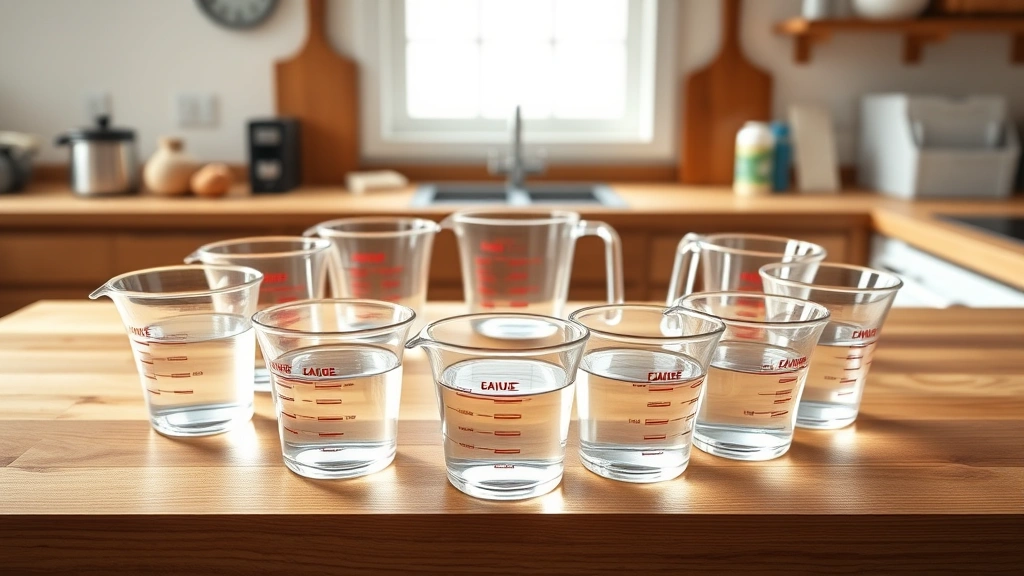
So how many 16 oz to a gallon? The answer is simple: 8. One gallon equals 128 fluid ounces, which means you’ll need exactly eight 16-ounce bottles, cups, or containers to make a full gallon. Whether you’re scaling a recipe, mixing drinks, or prepping ingredients in your kitchen, this conversion is one of those fundamentals that’ll save you time and prevent messy mistakes.
Table of Contents
Quick Conversion Math
Let’s cut through the confusion right now. The U.S. gallon contains 128 fluid ounces. When you divide 128 by 16, you get 8. That’s it. Eight 16-ounce portions equal one gallon. This works whether you’re dealing with water, juice, sauce, or any liquid ingredient. The math doesn’t change based on what you’re measuring—the volume stays constant.
Here’s why this matters in real life: If you’re making a batch of Carolina BBQ sauce recipe and the recipe calls for one gallon but your measuring cup only goes up to 16 ounces, you now know you need to fill it eight times. No guessing, no wasted ingredients, no starting over halfway through.
Breaking Down a Gallon
A gallon is the foundation of volume measurement in the U.S. customary system. One gallon breaks down into smaller, more manageable units. You’ve got your 16-ounce portions (8 of them), but you can also think of it in terms of cups (16 cups per gallon) or pints (8 pints per gallon). Understanding these relationships makes you flexible in the kitchen.
When you’re working with liquid measurements, remember that fluid ounces are different from weight ounces. A fluid ounce measures volume, not weight. This distinction matters when you’re dealing with ingredients that have different densities. Water, for instance, weighs about the same per fluid ounce as it measures, but honey or oil behaves differently.
Practical Kitchen Uses
In the kitchen, knowing this conversion helps with everything from meal prep to sauce making. If you’re preparing healthy lunch recipes meal prep for the week, you might need to scale up your beverage quantities. Instead of making one serving at a time, you can calculate exactly how much you need to batch-prepare.
Sauces, dressings, and marinades are prime candidates for gallon-sized batches. A fajita marinade recipe that serves four people might yield one or two cups. If you’re marinating for a family gathering of twenty people, you’ll want to multiply your recipe. Knowing that you need eight 16-ounce containers to fill a gallon helps you scale accurately without overthinking it.
Recipe Scaling Made Easy
Scaling recipes up or down is where this conversion becomes your best friend. Let’s say you have a recipe that makes 16 ounces of something—maybe a homemade beverage like ginger bug recipe. If you want to make a full gallon instead, you multiply everything by 8. Your ingredients, your cooking time (sometimes), and your storage needs all scale accordingly.
The reverse works too. If you have a gallon-sized recipe but only want to make enough for one person, you divide all your ingredients by 8. This prevents food waste and lets you experiment with recipes without committing to massive batches. It’s practical math that actually saves money and reduces kitchen stress.
Beverage Prep Hacks
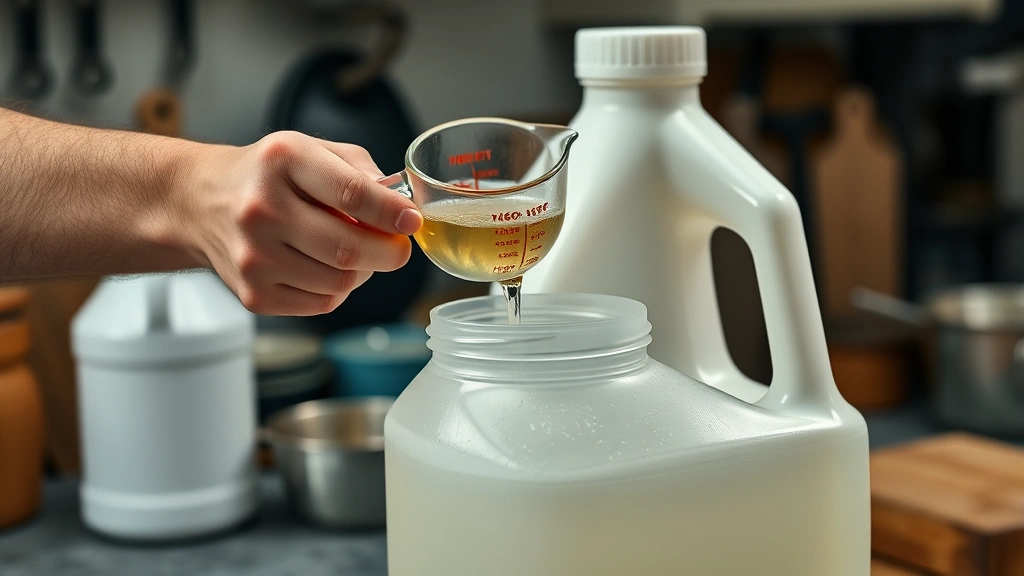
Beverages are where the 16-ounce-to-gallon conversion really shines. Think about juices, smoothies, or infused waters. If you’re making cranberry juice recipe at home, knowing that eight 16-ounce bottles equal a gallon helps you plan your storage and serving strategy. You can portion your batch into convenient 16-ounce servings right from the start.
Batch-making drinks saves time during busy mornings or when entertaining. Make one gallon of flavored water or juice on Sunday, divide it into eight 16-ounce containers, and you’ve got grab-and-go portions for the entire week. It’s efficient, economical, and keeps you hydrated without the constant prep work.
Measurement Tools Matter
Having the right tools makes conversions foolproof. A clear measuring cup marked with both ounces and cups is essential. Liquid measuring cups (the ones with a spout) are different from dry measuring cups—use the right tool for the job. If you’re serious about batch cooking and scaling recipes, invest in a kitchen scale too. Digital scales let you measure by weight, which is even more accurate than volume for some ingredients.
Measuring spoons and cups are cheap insurance against mistakes. A set costs just a few dollars and eliminates the guesswork. When you’re scaling a recipe eight times over, even small measurement errors compound into problems. Accuracy at the start saves frustration at the finish.
Common Mistakes to Avoid
The biggest mistake people make is confusing fluid ounces with weight ounces. They’re not the same thing. Sixteen fluid ounces of water weighs about one pound, but sixteen fluid ounces of honey weighs significantly more. Always check whether your recipe calls for fluid ounces (volume) or ounces (weight).
Another common error is forgetting to account for ingredient expansion or reduction during cooking. If you’re making a sauce that simmers and reduces, you might start with a gallon but end up with less. Conversely, if you’re making something that needs to set or ferment, volume might increase slightly. Read your recipe carefully and understand the cooking process before you start scaling.
Batch Cooking Benefits
Once you master these conversions, batch cooking becomes your secret weapon. Making one gallon of sauce, juice, or marinade takes only slightly longer than making one serving, but it gives you eight portions ready to go. That’s efficiency that multiplies your time in the kitchen.
Batch cooking also improves flavor development. Many sauces and marinades taste better after sitting for a day or two as flavors meld together. By making a full gallon at once, you get superior results compared to making small batches multiple times. Plus, you reduce your cooking frequency, which saves energy and keeps your kitchen cooler.
Frequently Asked Questions
Is 16 ounces always equal to one-eighth of a gallon?
Yes, in the U.S. customary system, 16 fluid ounces always equals one-eighth of a gallon. This is a fixed conversion that doesn’t change based on what you’re measuring. Whether it’s water, oil, juice, or any other liquid, the volume relationship stays the same.
How do I convert gallons to 16-ounce servings?
Multiply the number of gallons by 8. So 2 gallons equals 16 sixteen-ounce servings, 3 gallons equals 24 servings, and so on. It’s straightforward multiplication that helps with party planning or batch-cooking calculations.
Can I use this conversion for dry ingredients?
Not directly. This conversion works for fluid ounces (volume), not weight ounces. Dry ingredients have different densities, so 16 fluid ounces of flour weighs differently than 16 fluid ounces of sugar. Always use a kitchen scale for dry ingredients or follow recipe instructions carefully.
What’s the difference between a U.S. gallon and an imperial gallon?
A U.S. gallon contains 128 fluid ounces, while an imperial gallon (used in the UK and Canada) contains 160 fluid ounces. If you’re following a recipe from another country, check which gallon measurement it uses. The conversion changes if you’re working with imperial measurements.
Why do recipes sometimes use 16-ounce containers?
Sixteen ounces is a convenient portion size that’s easy to measure, store, and serve. It’s large enough to be practical but small enough to handle comfortably. Many commercial products come in 16-ounce sizes, which is why recipes often reference this measurement.
Wrapping It Up
Understanding that eight 16-ounce containers equal one gallon is fundamental kitchen knowledge that pays dividends every time you cook or prepare beverages. It’s not complicated math, but it’s incredibly useful math. Whether you’re scaling recipes, batch-cooking for the week, or planning for a gathering, this conversion keeps you organized and confident in the kitchen.
Start using this conversion in your next cooking project. Scale that recipe up, batch-prepare your favorite sauce, or make a full gallon of homemade juice. You’ll quickly realize how this simple math makes cooking more efficient, more economical, and honestly more enjoyable. No more scrambling to figure out portions or wasting ingredients because you miscalculated. Just solid, straightforward kitchen math that works every single time.


