
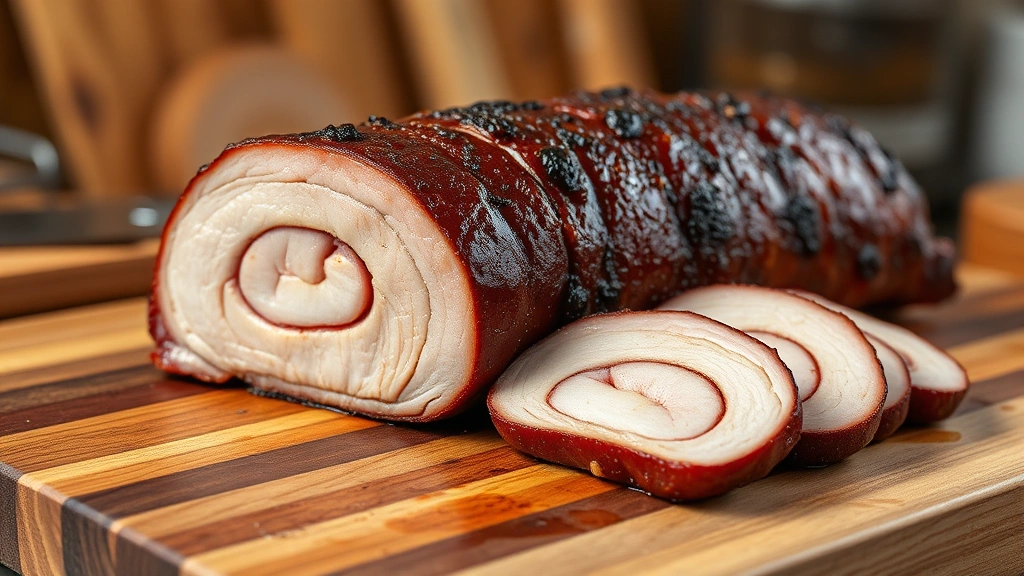
Figuring out how long to smoke pork tenderloin is one of those questions that separates backyard BBQ amateurs from people who actually know what they’re doing. Get it right, and you’re looking at a tender, juicy centerpiece that’ll have everyone asking for seconds. Get it wrong, and you’re stuck with either a rubbery disappointment or something that’s still raw in the middle. The good news? It’s actually pretty straightforward once you know the basics.
Table of Contents
Smoking Basics for Pork
Pork tenderloin is a lean cut that benefits from low-and-slow smoking, but not in the way you might think. Unlike brisket or pork shoulder that can handle hours of smoke, tenderloin is a relatively quick cook. The key is maintaining steady heat and not overdoing it. Pork tenderloin typically weighs between 1 to 2 pounds, which is why timing matters so much—you’ve got a narrow window between perfect and overdone.
The beauty of smoking pork tenderloin is that it’s forgiving if you stay focused. Since it’s a smaller cut, you don’t need a full day of smoking like you would for ribs or pulled pork. Most home smokers can handle this cut without any special modifications, and the results are consistently excellent when you follow the basics.
Temperature & Timing Guide
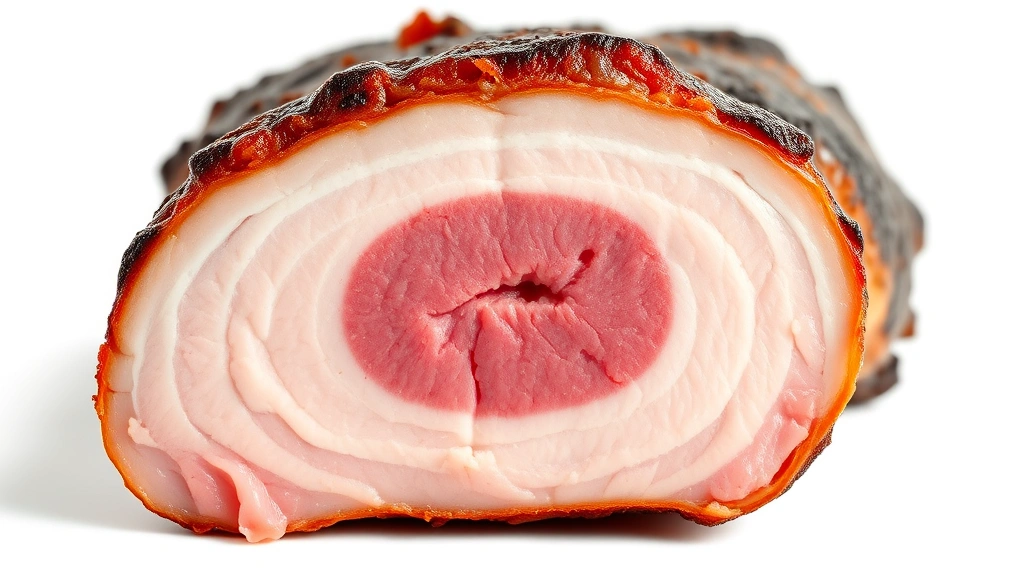
Here’s the straight answer: smoke pork tenderloin at 225-250°F for approximately 20-30 minutes per pound. For a standard 1.5-pound tenderloin, you’re looking at roughly 30-45 minutes total. The internal temperature should reach 145°F for food safety, which gives you a slight pink center that’s still juicy as hell.
If you prefer your pork more well-done, push it to 160°F, but understand you’re sacrificing some moisture. I always recommend using a reliable meat thermometer—the instant-read kind that gives you results in 2-3 seconds. Stick it into the thickest part of the tenderloin without touching bone (there isn’t any, but the principle matters). Once you hit that target temperature, you’re done.
Some folks run their smokers hotter at 275-300°F for faster results, which cuts your time down to 15-20 minutes per pound. This works fine, but you lose some of that smoky flavor penetration. I prefer the slower approach, but your schedule might demand otherwise.
Preparing Your Tenderloin
Before your meat hits the grates, prep work matters. Remove your tenderloin from the fridge 30-45 minutes before smoking—cold meat cooks unevenly. Pat it completely dry with paper towels; moisture is the enemy of good bark and smoke absorption.
Season generously with your favorite rub. A basic mix of salt, pepper, garlic powder, and brown sugar works beautifully, but don’t be shy. You want a visible coating on all sides. Some pitmasters like to inject the meat with a butter-based marinade, which adds moisture and flavor from the inside out. If you’re going that route, inject the tenderloin at least 2 hours before smoking.
Tie the tenderloin with kitchen twine if it’s uneven in thickness—this helps it cook more uniformly. A thick end and thin end will cook at different rates, so wrapping helps equalize things. It’s a 30-second step that prevents dry spots.
Setting Up Your Smoker
Get your smoker stabilized at 225-250°F before the meat goes on. This usually takes 15-20 minutes, depending on your equipment. Use a reliable thermometer to verify the temperature at grate level, not at the dome—dome readings are often 25-50°F off.
Set up a water pan in your smoker to maintain humidity and create a buffer between direct heat and your meat. This prevents flare-ups and keeps the environment moist, which helps with smoke absorption. Fill it with hot water at the start, and check it halfway through your cook.
Place your tenderloin on the grates away from direct heat if possible. If your smoker has hot spots, position the meat in the cooler zone. You want consistent, gentle heat, not a direct flame underneath.
Monitoring During Cook
Here’s where patience and attention pay off. Check your smoker temperature every 10 minutes during the first 30 minutes to make sure it’s holding steady. Once you’re confident it’s stable, you can back off to checking every 15-20 minutes.
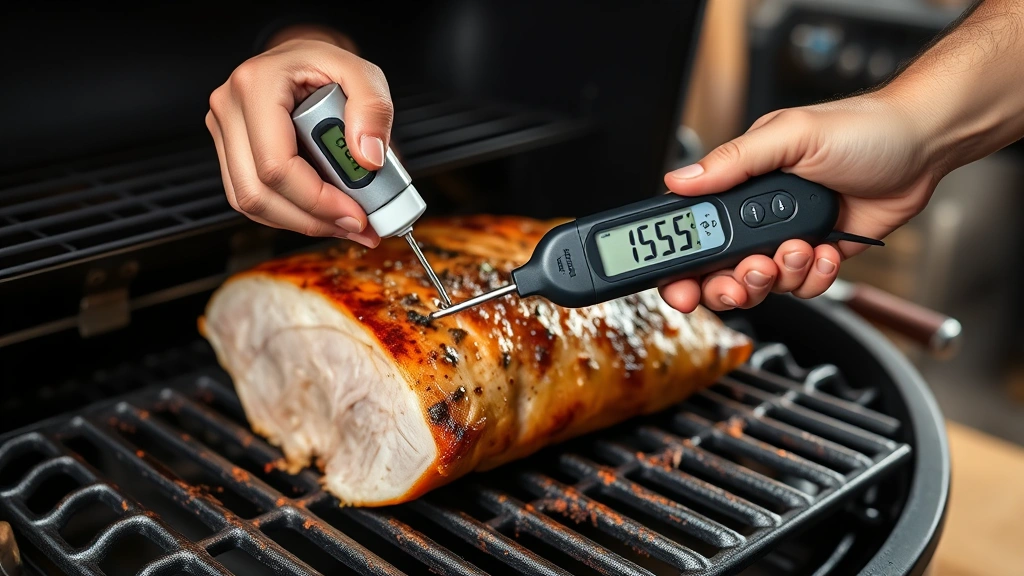
Avoid opening the smoker door constantly—every time you crack it, you lose heat and smoke. Plan your checks efficiently. Around the 20-minute mark for a standard tenderloin, start checking internal temperature. You might be done in 25 minutes; you might need 40. Every smoker and every piece of meat is different.
If you’re using a water pan, make sure it’s not running dry. A dry pan won’t regulate temperature properly, and your results will suffer. Keep some hot water ready to top it off if needed.
Resting & Slicing
This step is non-negotiable. Once your tenderloin hits the target temperature, remove it from the smoker and let it rest for 10-15 minutes, tented loosely with foil. This isn’t just for show—resting allows the juices to redistribute throughout the meat instead of running all over your cutting board.
Slice against the grain in quarter-inch pieces. The grain runs lengthwise on a tenderloin, so you’re cutting perpendicular to that direction. Slicing against the grain makes every bite more tender. If you slice with the grain, you’ll get chewy, stringy pieces that are disappointing no matter how well you cooked it.
Serve immediately while it’s still warm. Pork tenderloin is best enjoyed fresh from the smoker, though leftovers keep for 3-4 days in the fridge and reheat beautifully.
Wood Selection Matters
The type of wood you use directly impacts flavor. Hickory and oak are classic choices that give you strong, bold smoke. Applewood and cherry provide milder, slightly sweet profiles. Pecan sits somewhere in the middle with a nutty character.
For pork tenderloin, I lean toward fruit woods or a mix of hickory and apple. The mild sweetness complements the lean meat without overwhelming it. Avoid softwoods like pine or spruce—they create acrid smoke that’ll ruin your meal.
Use wood chunks rather than chips if your smoker allows it. Chunks smolder longer and give steadier smoke output. If you’re using chips, soak them for 30 minutes before adding to the fire. Wet chips produce thicker smoke initially, though some pitmasters skip soaking and just add dry chips directly. Experiment and find what works with your setup.
Common Mistakes to Avoid
The biggest mistake people make is cooking too hot. Running your smoker at 300°F or higher might save time, but you’ll sacrifice smoke flavor and risk drying out the meat. Low and slow is the mantra for a reason.
Another common error is not using a thermometer. Guessing by appearance or time alone is a recipe for disaster. Invest in a decent instant-read thermometer—they’re cheap insurance against overcooked pork.
Opening the smoker constantly is another killer. Every peek drops your temperature and extends cooking time. Be disciplined about checking only when necessary.
Finally, skipping the rest period is a mistake. I’ve seen people slice immediately after pulling the meat off the smoker and watch all those juices pour onto the plate. Ten minutes of patience makes a massive difference in the final product.
Serving & Side Dishes
Pork tenderloin pairs beautifully with classic BBQ sides. Steamed green beans add a fresh, bright contrast to the rich smoked meat. BBQ beans are the traditional choice and complement the smoky flavors perfectly. Consider whipping up slow cooker sides that can cook alongside your smoking process.
Cornbread, coleslaw, and baked potatoes round out the spread nicely. If you want something different, Cuban-inspired sides bring interesting flavors to the table. The key is balancing the richness of smoked pork with lighter, fresher components.
Don’t forget about timing coordination. If you’re smoking a tenderloin for 30-45 minutes, you can prep and start your sides accordingly. Knowing your oven preheat time helps you coordinate everything so everything’s ready simultaneously.
Frequently Asked Questions
What’s the minimum temperature for food safety?
The USDA recommends an internal temperature of 145°F for pork, which is what most food safety guidelines specify. This temperature kills harmful pathogens while still allowing for a slightly pink center if you prefer it. Many home cooks pull their pork tenderloin at 140°F and let carryover cooking bring it to 145°F during resting.
Can I smoke pork tenderloin in a gas smoker?
Absolutely. Gas smokers work great for pork tenderloin because they hold temperature consistently. The main difference is that you’ll need to use a smoke box or tube smoker to generate smoke, since gas alone doesn’t produce it. Fill your smoke box with wood chips or pellets and let it run throughout the cook.
How do I know if my tenderloin is done without a thermometer?
The touch test can work if you’ve got experience, but it’s unreliable for beginners. Poke the meat with your finger and compare the firmness to the fleshy area between your thumb and forefinger. When your hand is relaxed, that’s rare; when you make a fist, that’s well-done. Medium-rare sits somewhere in between. That said, get a thermometer. They’re cheap, and guessing is a gamble.
What if my smoker temperature keeps fluctuating?
Temperature swings are usually caused by wind, poor insulation, or damper adjustments. If it’s breezy, build a windbreak around your smoker. Check your dampers—they control airflow and temperature. Make small adjustments rather than big ones; it takes 5-10 minutes to see the effect of a change. If your smoker is old or damaged, seal any gaps with high-temp silicone or foil.
Can I smoke a frozen pork tenderloin?
Not recommended. Frozen meat cooks unevenly and won’t absorb smoke properly. Thaw your tenderloin in the fridge overnight, or use the cold water method (submerge in cold water, changing it every 30 minutes) for faster thawing. Plan ahead whenever possible.
How long does smoked pork tenderloin keep?
Refrigerated in an airtight container, smoked pork tenderloin stays good for 3-4 days. You can freeze it for up to 3 months. Reheat gently in a 325°F oven until warmed through, or slice it cold for sandwiches and salads.
Final Thoughts
Smoking pork tenderloin is one of those projects that looks intimidating but delivers impressive results once you nail the basics. Stick to 225-250°F, aim for 20-30 minutes per pound, and pull it when the internal temp hits 145°F. Use a meat thermometer, don’t peek constantly, and always rest your meat before slicing.
The beauty of this cut is that it’s forgiving enough for beginners but interesting enough to keep experienced pitmasters engaged. Once you’ve nailed the fundamentals, you can start experimenting with different rubs, wood combinations, and serving styles. Start simple, dial in your process, and build from there. Your next backyard cookout is going to be legendary.


