
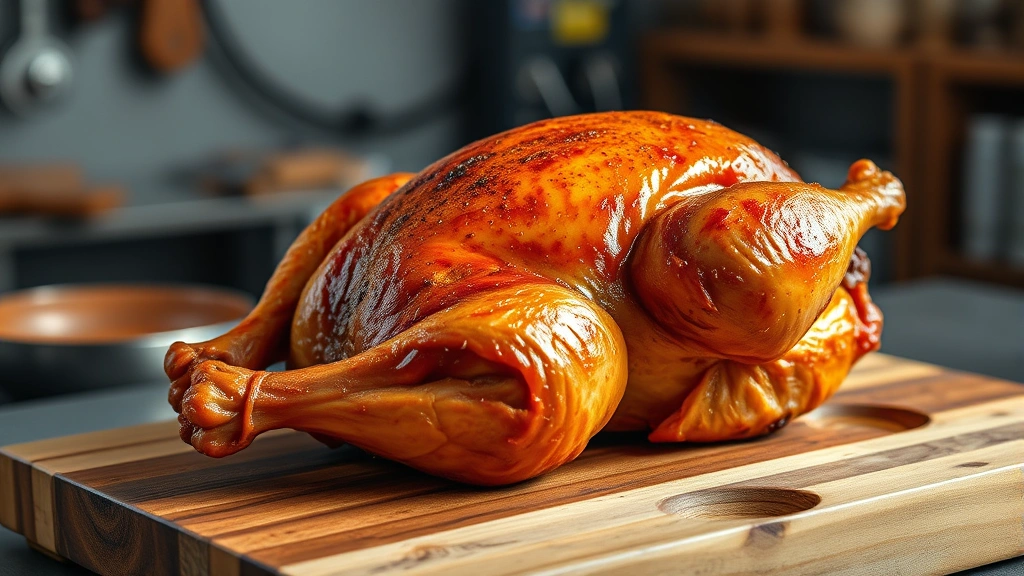
Figuring out how long to smoke chicken is one of those skills that separates backyard grillers from true pitmasters, and honestly, it’s not as complicated as people make it out to be. The basic rule is simple: plan on 30 to 40 minutes per pound at 225°F to 250°F, but there’s a lot more nuance depending on the cut, your smoker setup, and whether you’re working with a whole bird or parts.
Table of Contents
Temperature Basics Matter
The golden standard for smoking chicken is maintaining a steady temperature between 225°F and 250°F in your smoker. At 225°F, you’re looking at the longer end of the timing spectrum, which gives you more smoke penetration and deeper flavor. Bump it up to 250°F, and you’ll shave off about 10 to 15 percent of your cooking time. Some folks push to 275°F for faster results, but you risk drying out the meat if you’re not careful.
Temperature consistency is absolutely crucial. Fluctuations mess with your timing calculations and can result in uneven cooking—some parts done, others still raw. Invest in a decent thermometer for your smoker chamber, not just the built-in dial. Those stock gauges are notorious liars.
Whole Bird Smoking Times
A whole chicken typically weighs between 4 and 8 pounds. At 250°F, you’re looking at roughly 2 to 2.5 hours for a 4-pound bird, scaling up to about 3 to 3.5 hours for an 8-pounder. If you’re running your smoker at 225°F, add another 30 to 45 minutes to those times.
The key is that the thickest part of the thigh needs to hit 165°F internally. That’s your safety marker and your doneness indicator. A whole bird smokes more evenly than you’d think, but the thighs always take longer than the breast, so make sure your thermometer probe goes into that thickest thigh meat, away from bone.
For smaller poultry like a Cornish game hen recipe, you’re cutting cooking time down to about 1.5 to 2 hours at 250°F since these birds typically run 1.5 to 2 pounds.
Chicken Parts Breakdown
Smoking individual parts gives you flexibility and faster results. Bone-in, skin-on thighs and drumsticks are the workhorses—they can handle the smoke and heat without drying out. Plan on 1.5 to 2 hours at 250°F for thighs and drumsticks. Breasts are trickier because they dry out faster. Bone-in breasts need about 1.5 to 2 hours, while boneless breasts drop to 45 minutes to 1 hour. The difference is significant, so don’t skip the bones if you want juicier results.
Wings are quick—figure 30 to 45 minutes at 250°F. They’re perfect for testing your smoker setup before committing to a whole bird. Drumsticks solo run about 1.5 hours. Mix and match pieces based on what your crew prefers, but remember that different cuts finish at different times, so you might need to pull items off the rack in stages.
Internal Temperature Check
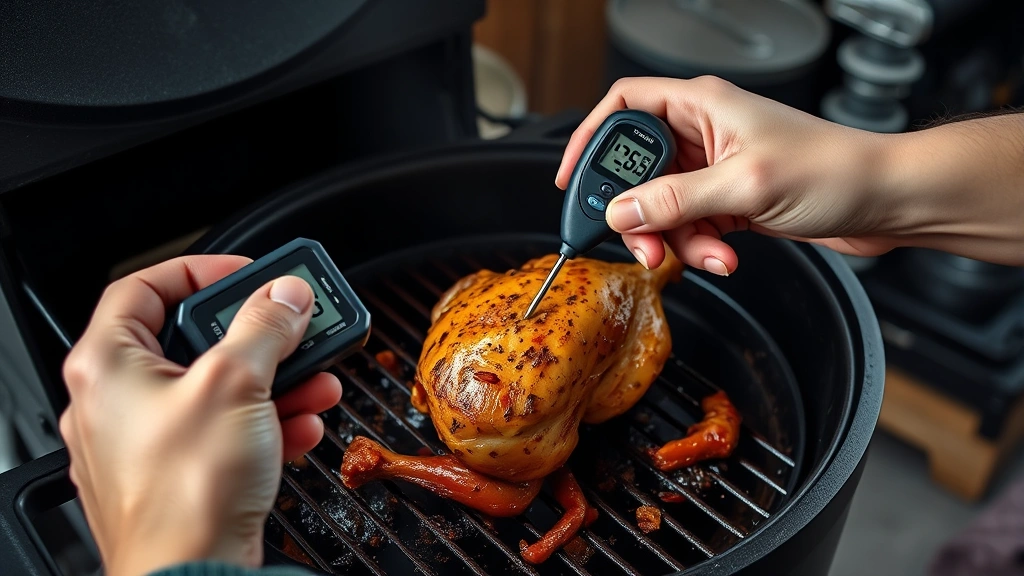
This is non-negotiable: use an instant-read meat thermometer. The USDA says 165°F is the safe internal temperature for all poultry, and that’s your target. Don’t rely on color, texture, or any of those old-school tricks. A thermometer takes the guesswork out and keeps your family safe.
For a whole bird, check the thickest part of the thigh (not touching bone), the thickest part of the breast, and the innermost part of the wing. All three spots need to hit 165°F. With parts, check the thickest section. Once you hit that temp, you’re done. Going beyond it just dries things out.
Why Resting Matters
After you pull your chicken off the smoker, let it rest for 10 to 15 minutes. This isn’t just some fancy chef thing—it’s real science. The muscle fibers relax, and the juices redistribute throughout the meat instead of running all over your cutting board. Skipping this step wastes all that moisture you worked to preserve during smoking.
Tent it loosely with foil if your kitchen is cold, but don’t wrap it tight. You want to keep it warm without trapping steam that’ll soften the skin. This resting period also gives you time to set up sides like how long to steam carrots or how long to steam broccoli if you’re timing everything together.
Smoker Type Factors In
Your smoker design affects timing more than people realize. Offset barrel smokers and traditional stick burners tend to have hot spots and cooler zones, so you might need to rotate your chicken halfway through. Vertical water smokers distribute heat more evenly, so timing is more predictable. Pellet smokers are the most consistent—they hold temperature like a champ, which means your timing calculations stay accurate.
Electric smokers also maintain steady temps, making them great for beginners who want reliable results. Charcoal smokers give you that authentic flavor but require more babysitting to keep temps stable. Whatever you’re using, know its quirks. Spend a smoke session just monitoring temperature without worrying about the food—it’ll pay dividends later.
Wood Choice Impact
The type of wood you burn affects both flavor and cooking time slightly. Fruitwoods like apple and cherry burn cooler and slower, so your timing might stretch a bit. Hickory and oak burn hotter and faster, potentially shaving minutes off. Mesquite is aggressive and can overpower chicken if you’re not careful, so use it sparingly.
For chicken, mild woods are your friend. Apple, cherry, and pecan won’t overwhelm the delicate poultry flavor. Avoid pine and softwoods—they create creosote and taste terrible. Use dry, seasoned wood only. Wet or green wood burns cooler and produces more smoke, which can extend cooking times and potentially make the meat taste bitter if overdone.
Common Mistakes to Avoid
The biggest mistake is opening the smoker constantly to check progress. Every time you crack that door, you’re losing heat and smoke, which extends cooking time unpredictably. Set a timer, do your first check at about 75 percent of your estimated time, then check every 15 minutes after that.
Another common error: not accounting for carryover cooking. Chicken continues cooking for a few minutes after you pull it off the heat, so pulling it at exactly 165°F means it’ll coast up to 167°F or 168°F while resting. Some folks pull at 162°F to account for this, but 165°F is your safety target, so don’t undershoot it.
Overcrowding the smoker is another killer. Chicken needs air circulation to cook evenly. If you’re stacking pieces or jamming a whole bird too close to others, the airflow gets blocked and you’ll have hot spots and uneven cooking. Space things out and give your bird room to breathe.
Pro Tips for Success
Pat your chicken dry before it hits the smoker. Moisture on the skin prevents browning and smoke adhesion. Use a paper towel and don’t be shy about it. Season the night before if you can—letting the salt penetrate the meat makes a real difference in flavor and texture.
Consider a light spray of apple juice or cider vinegar every 45 minutes or so. This keeps the surface moist without interfering with smoke absorption. Some pitmasters swear by it; others skip it. Try both ways and decide what you prefer.
Use the reverse sear method if your smoker can handle it: smoke at 225°F for most of the time, then crank the heat to 350°F for the last 15 to 20 minutes. This gives you deep smoke flavor and crispy skin. Not all smokers can do this safely, so know your equipment before trying it.
Keep detailed notes. Write down the date, ambient temperature, smoker temperature, wood type, chicken weight, start time, and finish time. After a few smokes, you’ll have your own data that beats any generic timing chart. Your smoker is unique, and your notes are gold.
Frequently Asked Questions
Can I smoke chicken at higher temperatures to save time?
Yes, but there’s a trade-off. Smoking at 275°F to 300°F cuts time down significantly, but you get less smoke ring and less pronounced smoky flavor. The chicken cooks faster, so the smoke has less time to penetrate. If you’re in a hurry, it works, but purists stick to 225°F to 250°F for maximum flavor development.
What’s the difference between smoking and grilling chicken?
Smoking uses indirect, low heat with smoke for hours. Grilling uses direct heat and cooks much faster—usually 15 to 25 minutes for parts, 45 minutes to an hour for a whole bird. Smoking infuses flavor; grilling creates char and crust. They’re completely different techniques with different timing.
Can I smoke a frozen chicken?
Technically yes, but it’s not ideal. A frozen chicken takes about 50 percent longer to cook because it starts from a much lower internal temperature. Thaw it in the fridge overnight before smoking if you can. If you’re in a pinch, submerge it in cold water and change the water every 30 minutes—a 4-pound bird thaws in about 2 hours this way.
How do I know if my chicken is done without a thermometer?
Don’t do this. Get a thermometer. It’s cheap insurance against undercooked poultry, which can make people sick. Visual cues and texture are unreliable. A basic instant-read thermometer costs $10 to $20 and is worth every penny.
Should I brine chicken before smoking?
It helps, especially for leaner cuts like breasts. A basic brine (salt, sugar, and water) for 4 to 12 hours keeps the meat juicier during the long cooking process. Not mandatory, but it’s a pro move that noticeably improves results.
Can I use the leftover drippings for gravy?
Absolutely. Smoked chicken drippings make incredible gravy. Check out our guide on how to make gravy from drippings for detailed instructions. The smoky flavor carries through beautifully.
What if my chicken finishes too early?
Hold it in a warm spot, loosely tented with foil. If you’ve got a cooler with towels, that works too. Chicken holds temperature surprisingly well for 30 to 45 minutes after cooking. Don’t wrap it tight or you’ll soften the skin. If you’re way early, you can always lower the smoker temp to 170°F and coast until your sides are ready.
Wrapping It Up
Smoking chicken isn’t rocket science, but it does require attention to detail and patience. The baseline is 30 to 40 minutes per pound at 225°F to 250°F, hitting 165°F internal temperature, and resting for 10 to 15 minutes. Your specific results depend on your smoker type, ambient conditions, and how consistent your temperature holds.
Start with a whole bird or bone-in thighs, keep notes on what works, and build your own timing reference based on your equipment. Every smoker has personality, and once you dial in yours, you’ll be turning out juicy, flavorful smoked chicken that’ll make your neighbors jealous. The investment in a good thermometer and some experimentation pays off in every bite.


