
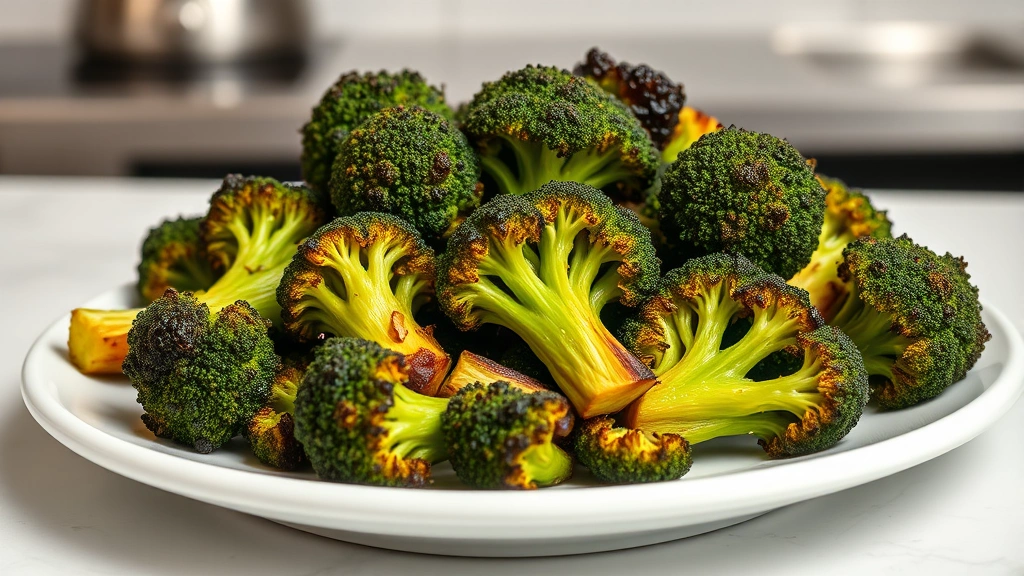
Learning how long to roast broccoli at 400 degrees is one of those kitchen skills that transforms a plain vegetable into something genuinely delicious—and it takes just 20 minutes from start to finish. If you’ve been steaming broccoli your whole life, roasting at 400°F is about to become your new go-to method. The high heat caramelizes the florets, creates crispy edges, and brings out a natural sweetness that’ll make you wonder why you waited so long to try it.
Table of Contents
Roasting Basics Explained
Roasting broccoli is straightforward kitchen chemistry. When you expose broccoli florets to dry, direct heat at 400°F, the moisture on the surface evaporates quickly. This creates the Maillard reaction—the same browning magic that makes a steak crust delicious. The result is tender-crisp broccoli with caramelized edges that taste nothing like the mushy steamed version from school cafeterias.
The beauty of roasting is that it requires minimal equipment. You need an oven, a baking sheet, and basic seasonings. No fancy gadgets, no complicated techniques. Just heat, time, and a little attention. This method also works for other vegetables like cauliflower, Brussels sprouts, and carrots if you want to build a complete roasted vegetable spread for dinner.
Prep Work Matters Most
Before you even preheat the oven, proper preparation determines your success. Start with fresh broccoli—look for tight, dark green florets without yellowing or soft spots. Rinse the broccoli thoroughly under cold water and pat it completely dry with paper towels. Moisture is the enemy of crispiness, so don’t skip this step.
Cut your broccoli into uniform florets, about 1.5 to 2 inches in size. Consistency matters because smaller pieces will cook faster than larger ones. Aim for pieces that are similar in size so they finish roasting at the same time. If you have large crowns, cut them lengthwise first, then break them into individual florets. Don’t throw away the stems—peel the tough outer layer and cut them into bite-sized pieces. They roast beautifully and taste surprisingly sweet.
Toss your prepared broccoli with olive oil, salt, and pepper in a large bowl. Use about 2-3 tablespoons of olive oil per pound of broccoli. The oil is essential—it helps conduct heat evenly and creates those golden, crispy edges. Make sure every piece gets coated. Spread the broccoli in a single layer on your baking sheet, leaving some space between pieces so steam can escape. Crowding the pan leads to steaming instead of roasting.
Timing and Temperature Guide
Here’s the straightforward answer: roast broccoli at 400°F for 18-22 minutes. Most home cooks find the sweet spot is right around 20 minutes, but this can vary based on your oven’s accuracy and how large your florets are. Set a timer for 15 minutes, then check your progress. The broccoli is done when the florets are tender and the edges are dark brown or even slightly charred.
Halfway through cooking (around the 10-minute mark), shake the baking sheet or stir the broccoli with a spatula. This ensures even browning on all sides. If you’re roasting multiple batches, rotate your baking sheet from the top rack to the bottom rack at this point. Oven hot spots are real, and rotation prevents some pieces from burning while others remain pale.
Temperature accuracy matters more than you’d think. If your oven runs hot, 400°F might actually be closer to 425°F, which means your broccoli could be done in 15-17 minutes. If your oven runs cool, you might need the full 22-25 minutes. Consider investing in an oven thermometer if you’re serious about consistent results. They cost about $10 and take the guesswork out of roasting.
Seasoning Your Broccoli
Basic salt and pepper work perfectly, but roasted broccoli is a blank canvas for flavor experimentation. Before roasting, try these combinations: garlic powder and red pepper flakes for a spicy kick, parmesan cheese and lemon zest for brightness, or balsamic vinegar and honey for sweet-savory depth. You can also drizzle finished broccoli with sriracha mayo, tahini sauce, or a simple lemon-butter glaze.

If you’re making this as part of a healthy lunch recipes meal prep routine, season it lightly before roasting so the flavors stay fresh throughout the week. Add fresh herbs like thyme or rosemary directly to the oil mixture before tossing. For a more adventurous approach, try smoked paprika, cumin, or even curry powder. The roasting process mellows spices, so don’t be shy with seasoning.
Signs of Perfect Doneness
Perfectly roasted broccoli should have dark green florets with brown or charred edges. The outer leaves should be crispy, and when you pierce a floret with a fork, it should be tender but not mushy. The stem should be soft enough to cut easily with a fork but still hold its shape. If the broccoli looks pale green and feels hard, it needs more time. If it’s dark brown throughout and falling apart, it’s overdone.
The best way to check doneness is to taste a piece. Broccoli continues cooking slightly even after you remove it from the oven, so pull it out when it’s just barely tender. A little char on the edges is desirable—that’s where the flavor lives. Some people love broccoli roasted until it’s almost blackened on the tips, while others prefer it lighter. Find your preference through a couple of batches.
Common Roasting Mistakes
The most common mistake is crowding the pan. When broccoli pieces touch or overlap, they steam instead of roast. You won’t get those crispy, caramelized edges that make roasted broccoli special. Use two baking sheets if you’re roasting a large batch—your patience will be rewarded with better texture.
Another frequent error is not drying the broccoli thoroughly before roasting. Any water clinging to the florets will create steam, preventing browning. Pat it completely dry with paper towels, even if it seems like overkill. Similarly, using too little oil leaves broccoli dry and tough. Aim for a light coating on every piece, but you don’t want it swimming in oil either. About 2-3 tablespoons per pound is the target.
Forgetting to stir halfway through is another trap. Without stirring, the broccoli touching the pan will brown while the top pieces stay pale. Set a phone reminder if you tend to forget—it’s worth the 30 seconds to shake the pan or stir with a spatula. Finally, don’t skip the salt. Salt brings out the natural sweetness of broccoli and makes the roasted flavor pop. Add it before roasting, not after.
Serving and Storage Tips
Roasted broccoli is best served immediately while the florets are still crispy. It makes an excellent side dish for grilled chicken, fish, or steak. Toss it into grain bowls with quinoa or rice, add it to pasta dishes, or serve it as part of a vegetable medley. You can also enjoy it cold the next day in salads or as a snack, though the texture won’t be quite as crispy.
For storage, let the broccoli cool completely, then transfer it to an airtight container. It keeps in the refrigerator for 3-4 days. Reheat it in a 350°F oven for about 8-10 minutes to restore some crispiness, or eat it cold straight from the fridge. You can also freeze roasted broccoli for up to 3 months—just spread it on a baking sheet to freeze individually before transferring to a freezer bag. When you’re ready to use it, reheat from frozen at 375°F for 10-12 minutes.
Roasted broccoli pairs beautifully with other roasted vegetables. Try combining it with roasted cauliflower, Brussels sprouts, or sweet potatoes on the same baking sheet. Just adjust timing based on each vegetable’s cooking requirements. You can also incorporate it into meal prep by roasting a large batch and portioning it into containers for grab-and-go lunches throughout the week, similar to how you’d approach healthy potato recipes.

Frequently Asked Questions
Can I roast broccoli at a different temperature?
Yes, but timing changes significantly. At 375°F, you’ll need 25-30 minutes. At 425°F, you’re looking at 15-18 minutes. The 400°F sweet spot gives you the best balance of caramelization and tenderness without burning. Higher temperatures cook faster but risk charring before the inside softens. Lower temperatures take longer but give you more control.
Why is my roasted broccoli soggy?
Sogginess usually means one of three things: the broccoli wasn’t dried before roasting, the pan was crowded (causing steaming), or the oven temperature was too low. Ensure broccoli is completely dry, spread it in a single layer with space between pieces, and verify your oven temperature with a thermometer. Also, don’t cover the pan with foil—you want dry heat, not steam.
Should I flip the broccoli while roasting?
You don’t need to flip individual pieces, but stirring or shaking the pan halfway through ensures even browning. This takes 30 seconds and makes a noticeable difference. If you’re roasting on multiple racks, rotating the pans from top to bottom at the halfway point also helps with consistency.
Can I add sauce before roasting?
It’s better to add wet sauces after roasting. Wet ingredients on the pan create steam and prevent browning. However, you can mix dry seasonings into the oil before tossing. If you want to use a sauce, drizzle it on after roasting when the broccoli is on the serving plate.
How much broccoli fits on one baking sheet?
A standard 18×13-inch baking sheet holds about 1.5 to 2 pounds of broccoli florets in a single layer. Don’t exceed this—crowding is the enemy of crispy broccoli. If you’re roasting more, use two sheets or roast in batches.
Is roasted broccoli healthy?
Absolutely. Roasting doesn’t significantly reduce broccoli’s nutritional value. You’re using minimal oil, and the cooking method preserves most vitamins and minerals. Broccoli is packed with vitamin C, fiber, and cancer-fighting compounds called sulforaphanes. The high heat might reduce some heat-sensitive vitamins slightly, but the trade-off in flavor and texture makes people actually want to eat more vegetables.
Final Thoughts
Mastering how long to roast broccoli at 400 opens up a world of vegetable possibilities. Once you’ve nailed the basic technique with broccoli, you can apply the same principles to nearly any vegetable. The key takeaways are simple: dry your broccoli, don’t crowd the pan, use enough oil, roast at 400°F for about 20 minutes, and stir halfway through. That’s it. You’ll have crispy, caramelized broccoli that tastes like something you’d order at a fancy restaurant, not something you’re choking down because it’s good for you.
Start with plain salt and pepper to master the basics, then experiment with different seasonings once you’ve got the timing down. Keep notes on what works in your specific oven—every kitchen is different. Before you know it, roasted broccoli becomes a weeknight staple that your whole family actually asks for. And if you’re looking to expand your roasting repertoire, check out resources like Family Handyman for kitchen technique guides or explore complementary dishes like how long to cook lasagna for complete meal planning.


