
Figuring out how long to pump for depends entirely on what you’re pumping—whether it’s air into tires, water from a well, or fuel into a tank. Each application has its own sweet spot, and nailing the timing means the difference between smooth operation and frustrating failure. Let me walk you through the real-world scenarios you’ll actually encounter in the workshop and around your home.
Table of Contents
Tire Inflation Timing
When you’re pumping air into a tire, the duration really hinges on the tire size and your pump’s output capacity. A standard hand pump takes about 3-5 minutes per car tire to reach recommended pressure (usually 30-35 PSI). Motorcycle tires? You’re looking at 1-2 minutes since they hold less volume. Bicycle tires vary wildly—road bike tires with narrow valves might need 2-3 minutes, while mountain bike tires could take 4-6 minutes.
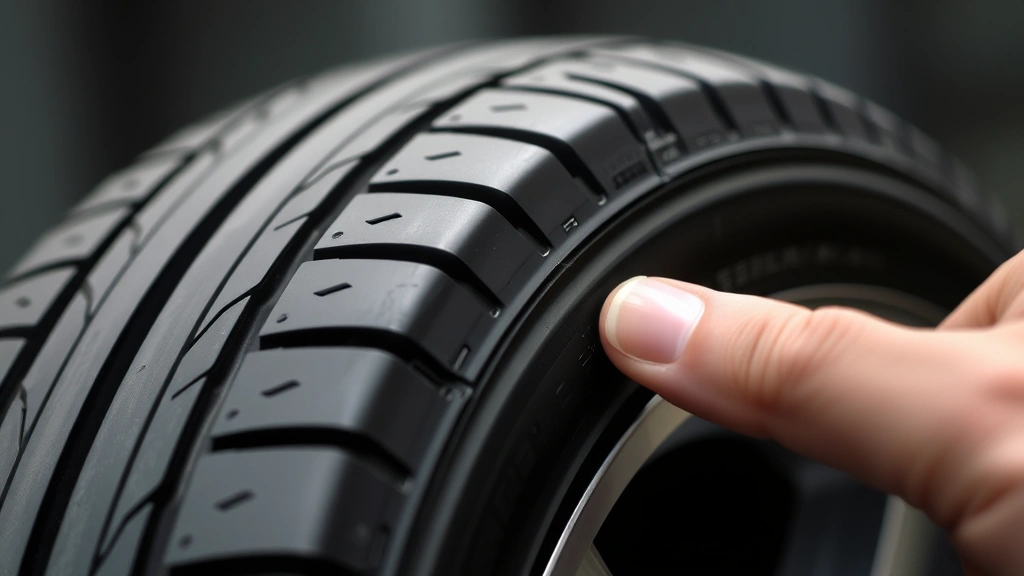
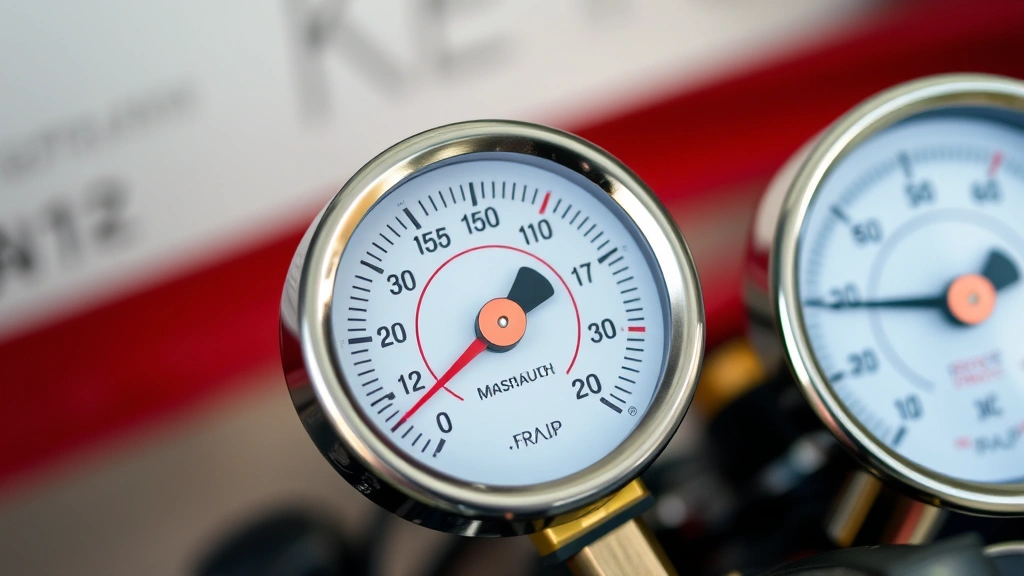
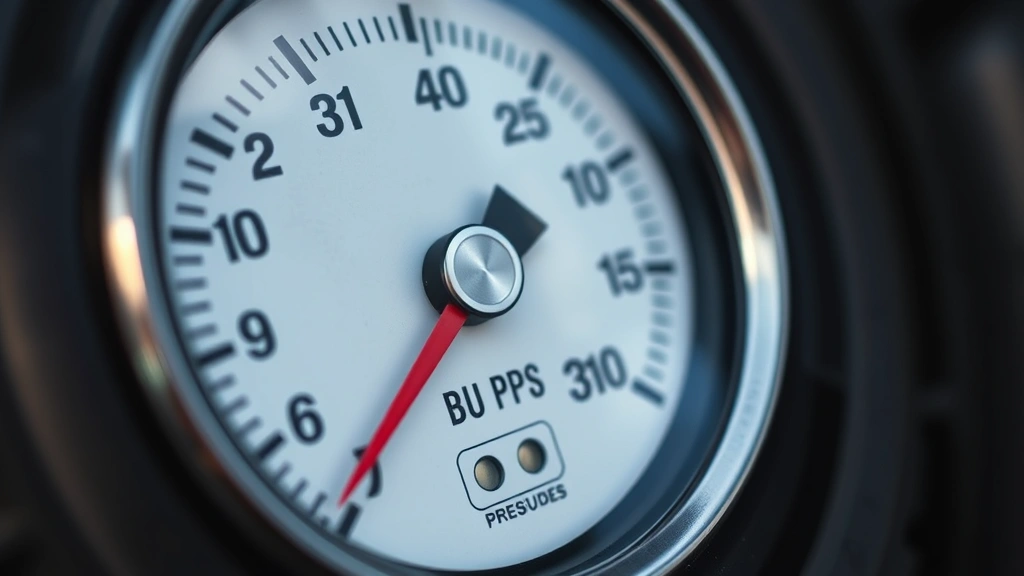
The key is knowing your target pressure before you start. Check your vehicle’s door jamb or the tire sidewall for specs. Don’t just pump until it feels hard—that’s amateur hour. Use a pressure gauge to verify you’re hitting the mark. Most quality floor pumps include a built-in gauge, which saves you from guessing games.

Electric pumps slash this time dramatically. A 12V car tire pump gets you to proper pressure in 60-90 seconds. This is why they’re worth the investment if you’re dealing with multiple vehicles or frequent tire maintenance.
Hand Pump Duration Basics
Hand pumps are the workhorse of DIY situations because they require zero electricity and work anywhere. The duration depends on three factors: pump volume per stroke, target pressure, and your arm endurance (let’s be honest).
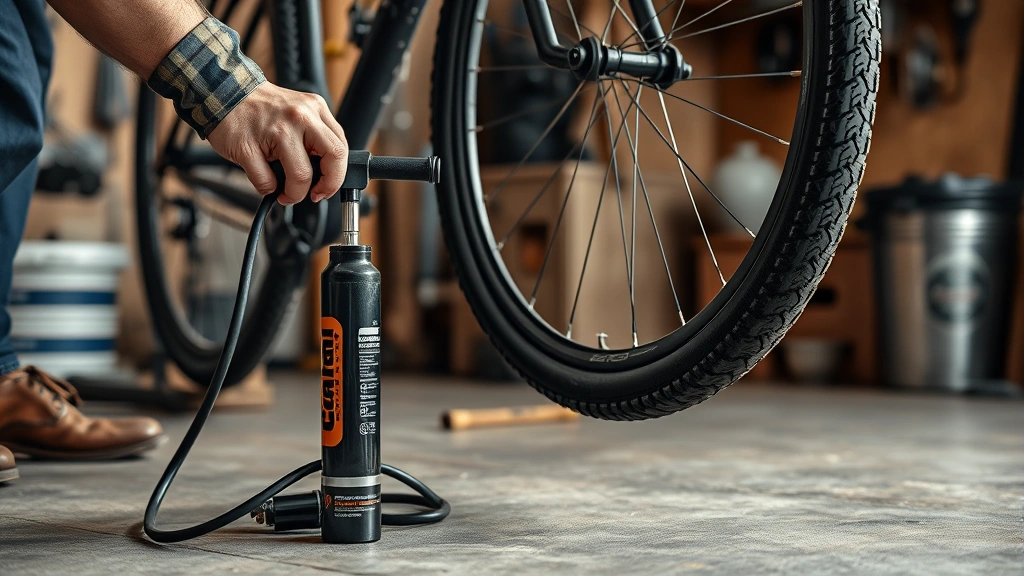
A standard bicycle floor pump moves about 300-500cc per stroke. To fill a road bike tire from flat to 100 PSI takes roughly 150-200 strokes—about 4-5 minutes of steady pumping. A mountain bike tire at 30 PSI? Maybe 80-100 strokes, so 2-3 minutes. The pressure increases as you go, so it gets harder toward the end. That’s normal.
Mini hand pumps for emergency repairs are slower—expect 2-3 times longer because they’re compact. But they fit in a backpack, so that’s the trade-off. If you’re doing this regularly, invest in a decent floor pump with a comfortable handle and smooth action. Your shoulders will thank you.

Electric Pump Cycles
Electric pumps operate on preset cycles, and you need to know when to stop. Most 12V automotive pumps run continuously until you unplug them or turn off the switch. The trick is watching your pressure gauge and cutting power when you hit your target.
A typical cycle for a car tire runs 45-120 seconds depending on pump wattage and tire size. High-end pumps with digital displays let you set a target pressure, then they automatically shut off—no babysitting required. These cost more upfront but save time and eliminate overpressurization.
For air mattresses and inflatable pools, electric pumps are game-changers. A queen-size air mattress takes 3-5 minutes with a quality electric pump versus 15-20 minutes by hand. Pool inflatables can take 10-30 minutes depending on size, but you’re not doing the work—the pump is.
One critical detail: check your pump’s duty cycle rating. Some pumps can run continuously for hours; others need 10-minute rest periods every 30 minutes of operation. Ignoring this burns out the motor faster than you’d expect.

Water Pump Guidelines
Water pumps are trickier because duration depends on depth, flow rate, and whether you’re priming the system. If you’re using a hand pump to draw water from a well or cistern, you might need 10-20 pumping strokes just to prime the system—getting water into the pipe. Then actual water flow starts.
Submersible electric pumps operate continuously as long as you need water. A standard 1/2 HP pump moves 10-15 gallons per minute, so filling a 100-gallon tank takes 7-10 minutes. But you’re not really “pumping for” a set time—you’re pumping until the tank is full or your task is done.
For emergency water extraction (flooded basement), you might run a pump for hours. The duration here is determined by water volume and pump capacity, not by any preset timing. Monitor the water level and keep the pump running until it’s gone or you reach your target level.
If you’re priming a new system or restarting after maintenance, expect 5-15 minutes of priming before steady flow begins. This removes air from the lines and gets everything working properly. Patience here prevents damage to the pump.
Fuel Pump Operation
Fuel pumps in vehicles are automatic—you don’t control duration. When you turn the ignition key to the “on” position (before starting), the fuel pump runs for 2-3 seconds to pressurize the fuel line. This is why you hear that brief whirring sound before the engine starts.
Once the engine is running, the fuel pump operates continuously as needed, controlled by the engine’s fuel pressure regulator. You’re not “pumping for” any specific time—it’s all automatic. If your pump doesn’t prime (no whirring sound), that’s a problem worth investigating with a mechanic.

For manual fuel transfer between tanks (like siphoning or using a hand pump), duration depends on volume. Transferring 5 gallons between containers with a hand pump takes 3-5 minutes of steady work. Electric fuel pumps handle this in 60-90 seconds.
Pressure Monitoring Matters
Here’s what separates amateurs from folks who actually get results: monitoring pressure throughout the pumping process. Don’t just pump blindly and hope for the best. Use a gauge.
For tire work, check pressure every 30 seconds once you’re within 5 PSI of your target. Overpressurization damages tires and reduces grip. Underpressurization causes poor handling and faster wear. Get it right.
For air tools and compressors, most have built-in pressure switches that stop pumping at your set point. These are worth their weight in gold because they eliminate guesswork. If your pump lacks this feature, invest in an inline pressure gauge.
Water pumps should have a pressure gauge if they’re part of a pressurized system. Normal household water pressure runs 40-60 PSI. Too high stresses pipes and fixtures; too low means weak flow. If your pump doesn’t have a gauge, add one—they’re cheap insurance against costly repairs.
Common Pump Mistakes
The biggest mistake is pumping without a target in mind. You end up either underpressurized (pump stops too early) or overpressurized (pump runs too long). Know your numbers before you start.
Second mistake: ignoring maintenance. A pump with a stuck valve or worn seal takes twice as long to work and delivers half the pressure. Clean your pump regularly, check valve function, and replace seals when they wear. This keeps pumping time realistic and results consistent.
Third: using the wrong pump for the job. A tiny hand pump for a truck tire is torture. An electric pump for a single bicycle tire is overkill. Match your tool to your task. This saves time and frustration.

Fourth: not accounting for temperature. Cold air is denser, so tire pressure reads lower in winter. Warm air is less dense, so pressure reads higher in summer. Check tire pressure when tires are cold (parked for 3+ hours) for accurate readings. This affects your pumping duration because you’re aiming for the right target.
Equipment Selection Tips
For regular tire work, a floor pump with a gauge is non-negotiable. Expect to spend $40-80 for a quality one that lasts years. Cheap pumps have leaky seals and inaccurate gauges—they’ll frustrate you into spending more money anyway.
For emergency tire inflation, a 12V pump that plugs into your car’s power outlet is essential. Keep one in your vehicle. It costs $30-60 and takes the physical strain out of roadside repairs.
For water work, match pump capacity to your need. A 1/2 HP pump is overkill for filling a garden tank but perfect for emergency water removal. A 1/4 HP pump handles most household needs without excessive runtime.
For air tools, a compressor with adequate tank capacity reduces pumping duration. A 20-gallon tank means your pump cycles less frequently than a 5-gallon tank. You’re paying for efficiency here—shorter overall pumping time per job.
Maintenance Between Uses
Keep your pumps in working order, and pumping duration stays consistent. Store pumps in a dry place. Moisture inside seals causes corrosion and leaks, which slow performance over time.

For hand pumps, work a little light oil into the seals every few months. This keeps them supple and prevents drying out. A single drop per seal is plenty—don’t oversaturate.
For electric pumps, check the power cord for damage before each use. A frayed cord is a shock hazard. If you see damage, replace the pump or have it professionally repaired.

For water pumps, drain the system before winter if you’re in a freezing climate. Frozen water inside the pump expands and cracks the housing. This is a brutal way to learn a lesson that costs $200+ to fix.
Related to maintaining your equipment, you might want to check out our guide on how to clean battery terminals if you’re dealing with 12V pumps that use battery power. Corroded terminals reduce power delivery and extend pumping time unnecessarily.

Frequently Asked Questions
How long should I pump a bicycle tire?
A road bike tire typically takes 3-4 minutes with a floor pump to reach 80-100 PSI. A mountain bike tire takes 2-3 minutes to reach 30-35 PSI. Use a pressure gauge to verify you’ve hit your target rather than guessing by feel.
Can I overpump a tire?
Yes, absolutely. Overpressurization damages the tire, reduces grip, and can cause blowouts. Always check the sidewall for maximum pressure and stop when you hit that number. Most car tires max out around 44 PSI, but check your specific tire.

How long does a fuel pump run?
A car’s fuel pump primes for 2-3 seconds when you turn the key to “on,” then runs continuously while the engine operates. You don’t control the duration—it’s automatic. If your pump doesn’t prime, see a mechanic.
Why does my hand pump feel harder as I pump?
As pressure builds inside the tire or container, it takes more force to push air in. This is normal physics. The last few strokes always feel harder than the first few. If it feels impossibly hard from the start, your pump might be damaged or you’re using the wrong pump for the job.
Should I pump my tires cold or warm?
Always check and adjust tire pressure when tires are cold—after the vehicle has been parked for 3+ hours. Cold tires give accurate readings. Warm tires from driving show artificially high pressure, so you’d underpump them if you adjusted based on warm readings.
How often should I check my tire pressure?
Monthly checks are the standard recommendation. Tires naturally lose 1-2 PSI per month, so regular monitoring keeps them at optimal pressure. This affects your pumping duration because you’re maintaining pressure rather than starting from flat.
What’s the difference between a hand pump and electric pump?
Hand pumps require physical effort but work anywhere with no power source. Electric pumps are faster and less tiring but need electricity. For regular use, electric pumps save time. For emergencies and portability, hand pumps are reliable backups.
Can I use the same pump for different tires?
Yes, but match your pump to the most common task. A floor pump works for car and bike tires. A mini hand pump is emergency backup. An electric pump is best for frequent car tire work. Having multiple pumps lets you match the tool to the job for optimal duration.
If you’re working on vehicle maintenance and need to understand timing for other tasks, our article on how long do AirPods take to charge covers the broader concept of device timing, though it’s a different application. Similarly, understanding process timing is useful across many DIY projects, like knowing how long to steam crab legs when you’re planning your workflow around other tasks.
Final Thoughts on Pumping Duration
The answer to “how long to pump for” really comes down to knowing your target, using the right equipment, and monitoring progress. A car tire takes 3-5 minutes by hand pump or 60-90 seconds with electric power. A bicycle tire takes 2-4 minutes depending on type. Water and fuel pumping duration depends on volume and system type rather than any fixed time.
Invest in decent equipment—a quality floor pump, a 12V emergency pump, and a reliable pressure gauge. These tools eliminate guesswork and make pumping faster and more accurate. Maintain your equipment so it performs consistently. Check pressure regularly so you’re not starting from completely flat every time.
The real skill isn’t pumping harder or faster—it’s knowing when to stop. Hit your target pressure, verify with a gauge, and call it done. That’s how you get results that actually last.


