
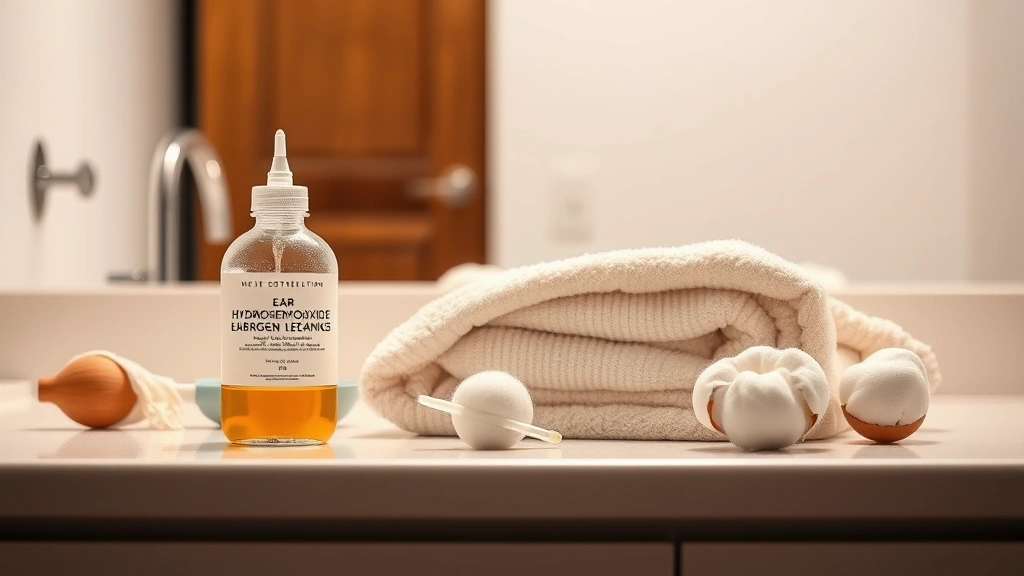
Figuring out how long to leave hydrogen peroxide in ear can feel like you’re defusing a bomb—but it’s actually pretty straightforward once you know the basics. Whether you’re dealing with earwax buildup, swimmer’s ear, or just general ear maintenance, hydrogen peroxide is a go-to home remedy that’s been trusted for decades. The trick is knowing exactly how long to let it work without overdoing it.
Table of Contents
Standard Timing Guidelines
The golden rule: leave hydrogen peroxide in your ear for 5 to 10 minutes maximum. Most ear care professionals recommend starting with 5 minutes if you’re new to this, then working up to 10 minutes as you get comfortable. This timeframe gives the solution enough time to break down earwax and debris without irritating the delicate ear canal tissue.
For earwax removal specifically, many doctors suggest using 3% hydrogen peroxide (the standard drugstore variety) and limiting application to once or twice daily for no more than 3-4 consecutive days. Think of it like a cleaning cycle—you’re not trying to strip your ear clean in one shot; you’re gently softening buildup over time.
If you’re using a higher concentration (like 6% or 10%), cut that time in half. Stronger solutions work faster but can be harsher on sensitive ear tissue. Always read the label on your specific product, as concentrations vary.
Why Timing Matters
Your ear canal is lined with sensitive skin that’s thinner and more delicate than most people realize. Hydrogen peroxide works by releasing oxygen bubbles that help dislodge wax and kill bacteria, but leaving it in too long can actually cause problems. Extended exposure—say, 20-30 minutes or longer—can lead to irritation, dryness, or even damage to the eardrum if it somehow gets through.
Think of it like using a power washer on your house. A few seconds at the right distance cleans beautifully; hold it there for a minute and you’ve got damage. The timing ensures you get the cleaning benefit without the collateral damage. Your ear’s natural protective mechanisms work best when you respect these boundaries.
Additionally, hydrogen peroxide breaks down quickly once it starts working. After about 10 minutes, you’re mostly dealing with plain water anyway, so extending the time doesn’t give you additional benefits.
Preparation Steps
Before you even open that hydrogen peroxide bottle, set yourself up for success. Here’s what you need:
- 3% hydrogen peroxide solution (standard drugstore type)
- Dropper or ear syringe (those rubber bulbs work great)
- Warm towel or cloth (for cleanup)
- Cotton balls or gauze (to catch drips)
- Timer or phone (to track your 5-10 minutes)
- Warm water (to rinse afterward)
Warm the hydrogen peroxide slightly by running the bottle under warm (not hot) water for a minute. Cold liquid in your ear can cause dizziness or discomfort. Test the temperature on your inner wrist first—it should feel comfortably warm, similar to bathwater.
Tilt your head so the affected ear faces upward. You might want to do this over a sink or while sitting on a towel. Have your timer ready before you start, so you’re not fumbling around trying to figure out when you began.
Application Method
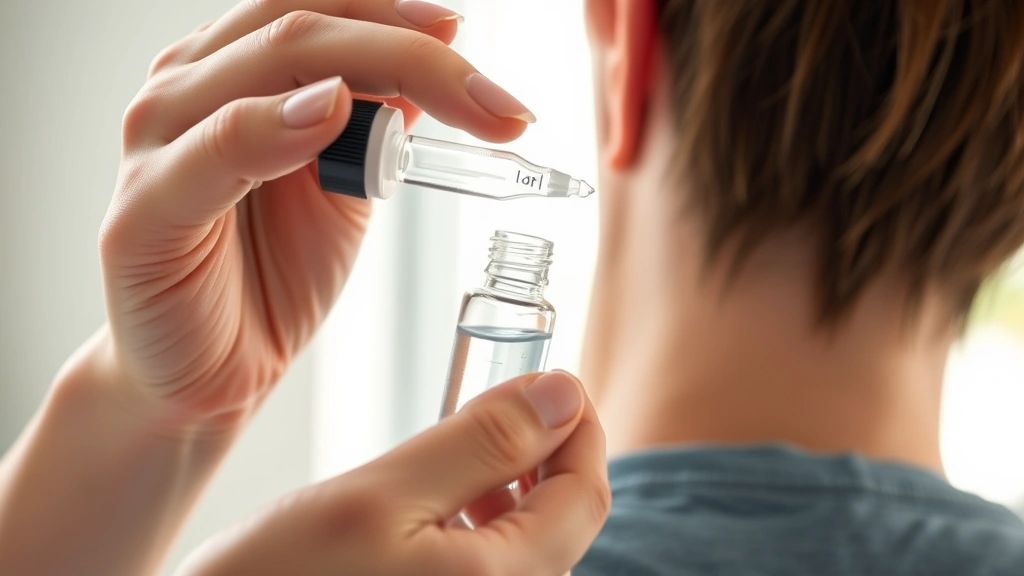
Use your dropper or syringe to gently place 3-5 drops of hydrogen peroxide into the ear canal. You’ll immediately hear (and feel) it start working—that fizzing and crackling sensation is the oxygen bubbles doing their job. It’s a bit weird the first time, but totally normal.
Don’t jam the dropper deep into your ear. Just let it sit at the opening and let gravity do the work. The solution will naturally flow into the canal. If you’re nervous, start with just 2-3 drops and work up.
Once the drops are in, stay still. Keep your head tilted so the solution stays in contact with the earwax. This is where your timer comes in—set it for 5 minutes minimum, up to 10 if you can tolerate it. Some people find it helps to gently massage the area just in front of the ear canal opening with your finger.
You’ll notice the fizzing gradually slow down as the hydrogen peroxide does its work. That’s exactly what should happen. When your timer goes off, tilt your head the other way over a sink or towel and let the solution drain out. Follow up with a few drops of warm water to rinse, then gently dry with a cotton ball.
What to Expect
Here’s the reality check: hydrogen peroxide in your ear feels weird. You’ll hear crackling, popping, and fizzing sounds—your ear canal amplifies these sensations. Some people describe it as ticklish; others find it slightly uncomfortable. This is all normal and not a sign something’s wrong.
You might experience temporary hearing changes or a slight sensation of fullness in your ear. This usually clears within a few minutes after you drain the solution. If you feel dizzy, stop immediately and tilt your head the other way to drain it faster.
Over the course of several applications (across multiple days), you should notice earwax becoming softer and easier to remove. You might see bits of wax come out when you drain the solution—gross, but satisfying. Your hearing may gradually improve as buildup clears.
Don’t expect instant results. This isn’t a one-and-done situation. Most people need 3-4 applications over several days to see real improvement. It’s a gentle, gradual process.
Safety Precautions
Never use hydrogen peroxide if you have a perforated eardrum or suspect you do. Signs include discharge from your ear, sudden hearing loss, or a history of ear surgery. If you’ve had recent ear surgery, check with your doctor before using any at-home treatments.
Don’t use concentrations stronger than 3% without medical supervision. Those higher-strength solutions are meant for industrial or dental use, not ear cleaning. Stick with what you find in the first aid aisle.
If you have an ear infection (indicated by pain, discharge, or fever), see a doctor instead of self-treating. Hydrogen peroxide can sometimes trap bacteria if there’s already an infection present. How long it takes for anesthesia to wear off is relevant if your doctor needs to examine your ear canal closely.
Never insert anything into your ear to dig out wax after using hydrogen peroxide. You might perforate your eardrum. Let the softened wax drain naturally or see a professional for removal.
Stop using hydrogen peroxide if you experience persistent itching, redness, swelling, or increased pain. Some ears are just more sensitive, and that’s okay—switch to a different method or see an audiologist.
When to See a Doctor
If earwax buildup is severe enough to significantly impact your hearing, don’t mess around with hydrogen peroxide—get professional help. An audiologist or ENT can remove impacted wax safely and quickly using specialized tools.
See a doctor if you’ve been using hydrogen peroxide for 4-5 days with no improvement, or if your symptoms get worse. Persistent ear problems might indicate something beyond simple wax buildup, like infection or structural issues.
If you experience sudden hearing loss, severe pain, bleeding, or discharge, seek medical attention immediately. These aren’t situations for home remedies. How long it takes for hemorrhoids to go away demonstrates the importance of knowing when professional care is necessary—same principle applies to ear health.
Anyone with diabetes, compromised immune system, or chronic ear problems should check with their doctor before using hydrogen peroxide at home. Your individual health situation matters.
Alternative Solutions
If hydrogen peroxide isn’t working or you’re uncomfortable using it, you’ve got options. Mineral oil or baby oil applied the same way (5-10 minute intervals) can soften earwax over several days without the fizzing sensation. It’s gentler but slower.
Saline solution is another safe alternative, especially if you have sensitive ears. It won’t work as quickly as hydrogen peroxide, but it’s less likely to cause irritation.
Over-the-counter ear cleaning kits like Debrox use carbamide peroxide (similar to hydrogen peroxide but slightly different formulation) and come with detailed instructions. These are worth trying if you want a pre-packaged solution.
For prevention, use a few drops of mineral oil weekly if you’re prone to earwax buildup. Keeping your ears moisturized helps prevent excessive wax accumulation in the first place. How long it takes for caffeine to kick in shows that timing matters in many health contexts; same goes for preventive ear care.
Professional ear cleaning by an audiologist is always an option if you’re nervous about doing it yourself. It’s not expensive and takes minutes.
Frequently Asked Questions
Can I leave hydrogen peroxide in my ear overnight?
Absolutely not. Overnight exposure (8+ hours) can cause serious irritation and potentially damage your eardrum. Stick to the 5-10 minute window. If you fall asleep with hydrogen peroxide in your ear, drain it immediately upon waking.
What if hydrogen peroxide leaks into my throat?
Small amounts that drip into your throat are harmless—you’ll just taste something unpleasant. Spit it out and rinse your mouth with water. The stomach acid breaks down hydrogen peroxide instantly anyway. Don’t intentionally swallow it, but accidental small amounts aren’t dangerous.
Is 3% hydrogen peroxide safe for kids’ ears?
Yes, 3% is generally safe for children, but use less solution (1-2 drops instead of 3-5) and keep the time to 3-5 minutes. Kids’ ear canals are smaller and more sensitive. If your child has any ear pain or discharge, see a pediatrician first. How long nipple piercings take to heal isn’t directly related, but it illustrates how different body parts have different healing and sensitivity profiles.
How often can I use hydrogen peroxide on my ears?
Maximum of once or twice daily for 3-4 consecutive days. Then take a break for at least a few days before repeating. Overuse can disrupt your ear’s natural protective mechanisms and cause dryness or irritation.
Why is my ear still itchy after using hydrogen peroxide?
Itching after treatment sometimes means the solution dried out your ear canal. Use a few drops of mineral oil to moisturize. If itching persists beyond a day or two, stop using hydrogen peroxide and see a doctor—you might have a mild allergic reaction or developing infection.
Can hydrogen peroxide damage my hearing?
When used correctly (5-10 minutes, 3% solution, proper technique), hydrogen peroxide won’t damage your hearing. In fact, clearing earwax buildup usually improves hearing. Misuse—like using high concentrations or leaving it in too long—could theoretically cause problems, but this is rare with standard drugstore hydrogen peroxide.
What’s the difference between hydrogen peroxide and carbamide peroxide for ears?
Carbamide peroxide (found in products like Debrox) is a gentler compound that breaks down into hydrogen peroxide and urea. It works slightly slower but is often easier on sensitive ears. Both are safe when used as directed, but carbamide peroxide might be better if you have a history of ear sensitivity.
Conclusion
The answer to “how long to leave hydrogen peroxide in ear” is straightforward: 5 to 10 minutes, once or twice daily, for up to 4 days. This timing hits the sweet spot between effectiveness and safety. Your ears aren’t complicated—they just need respect and a gentle touch.
Start conservative with 5 minutes if you’re new to this. Pay attention to how your ears feel. If something doesn’t seem right, stop and see a professional. Earwax buildup is incredibly common and nothing to be embarrassed about, but it’s also something that professionals handle every single day if you need backup.
The beauty of hydrogen peroxide is that it’s cheap, accessible, and genuinely effective when used correctly. Just remember: set your timer, keep it short, and let the fizzing do the work. Your ears will thank you. How long it takes for Lexapro to work reminds us that many health interventions require patience and consistency—ear care is the same way.


