
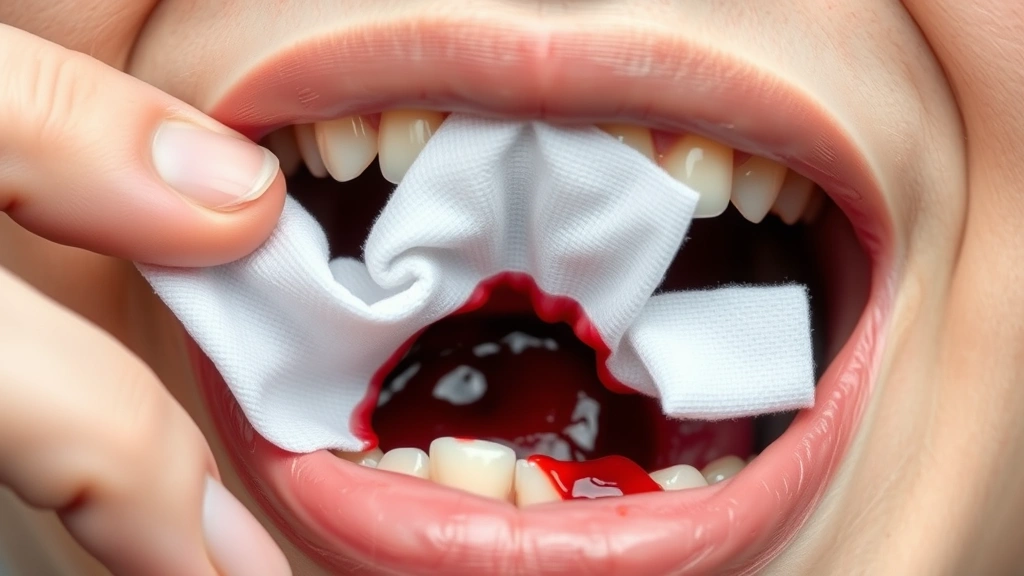
Knowing how long to keep gauze in after tooth extraction is one of the most critical steps in your recovery—and honestly, it’s way simpler than most people think. After your dentist pulls a tooth, that gauze isn’t just busy work; it’s doing the heavy lifting to stop bleeding and let your body start healing. Get this wrong, and you’re looking at dry socket, extended pain, and a frustrating recovery. Get it right, and you’ll be back to normal eating and talking in no time.
Table of Contents
Gauze Basics After Extraction
Right after your tooth extraction, your dentist will pack gauze into the socket where your tooth used to be. This isn’t fancy material—it’s sterile, absorbent cotton gauze that works by applying pressure to the wound. Think of it like a dam holding back water; the gauze helps your blood clot form properly, which is essential for healing. Without that clot, you’re vulnerable to complications that’ll make you regret skipping this step.
The gauze serves multiple purposes: it absorbs excess blood, protects the fresh socket from bacteria and food particles, and gives your body the right environment to start the healing process. Your dentist will usually bite down on it to ensure it’s making good contact with the extraction site. That pressure is doing the real work here.
Standard Timing Guidelines
The general rule is straightforward: keep gauze in for 30 to 45 minutes after your extraction. Most dentists recommend starting with this window as your baseline. However, this isn’t a hard rule carved in stone—it depends on factors like how much you’re bleeding, the size of the extraction, and whether it was a simple or surgical extraction.
For straightforward extractions of a single tooth, 30 minutes is often enough. If you had multiple teeth removed or a more complex surgical extraction, your dentist might tell you to keep it in for 45 minutes to an hour. Some people need longer if bleeding is heavier than expected. The key is listening to your body and following your dentist’s specific instructions—they know your mouth better than anyone.
After that initial period, remove the gauze gently and check if bleeding has slowed. If it’s still flowing pretty steadily, bite down on fresh gauze for another 30 minutes. You might need to do this 2-3 times, and that’s completely normal.
Signs Your Bleeding Has Stopped
How do you know when it’s safe to ditch the gauze? Look for these clear signs: the bleeding has slowed to barely noticeable oozing, or it’s stopped entirely. When you remove the gauze, you shouldn’t see fresh blood pooling in the socket. A little pink-tinged saliva is fine—that’s just residual blood mixing with your spit.
One trick: don’t peek constantly. Removing and replacing gauze too often actually disrupts the clotting process and keeps the bleeding going longer. Patience here pays off. If you’re still seeing bright red blood after 45 minutes to an hour, that’s a sign to keep the gauze in or call your dentist for guidance.
The clot itself will look dark—almost black or very dark red. Don’t freak out; that’s exactly what you want to see. That dark clot is your body’s natural bandage, and it’s protecting the socket underneath.
Changing Gauze Properly
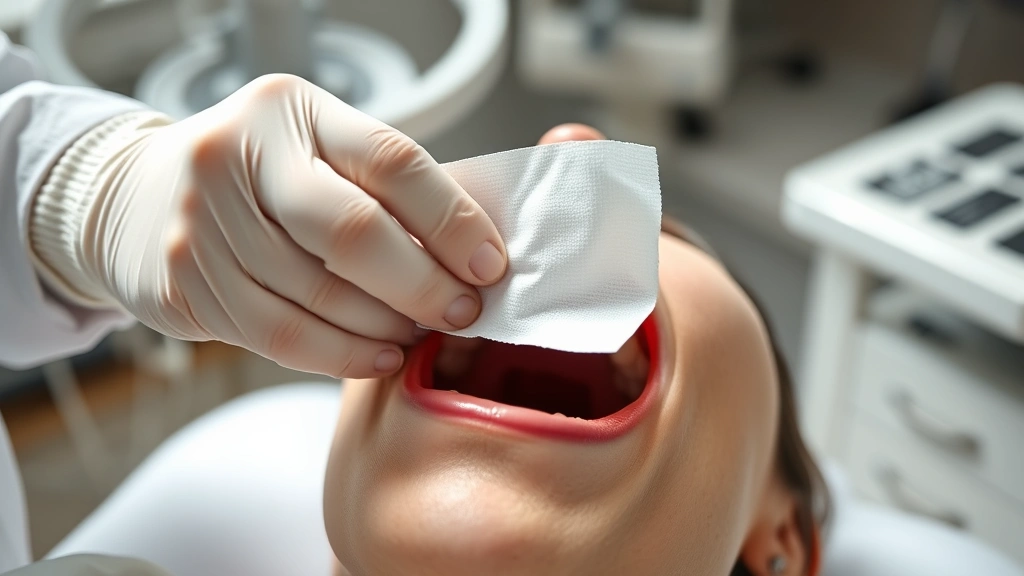
If you need to change gauze, do it carefully. Remove the old gauze slowly and gently—don’t yank it out suddenly, as that can dislodge the forming clot. Rinse your mouth gently with cool water (not hot, not with salt water yet—that comes later). Fold a fresh piece of gauze into a small pad, place it directly over the extraction site, and bite down firmly for another 30 minutes.
Make sure you’re using clean, sterile gauze. If your dentist didn’t give you extra gauze, you can buy sterile gauze pads at any pharmacy. Don’t use regular tissues or paper towels—they’ll fall apart and stick to the wound. Stick with actual gauze or dental rolls.
When you bite down, use moderate but steady pressure. You’re not trying to crush your jaw; just enough pressure to help compress the socket. If your jaw gets tired, that’s a sign you’re biting too hard.
Common Mistakes to Avoid
Here’s where people mess up their recovery: they remove gauze too early, poke at the socket with their tongue constantly, rinse too vigorously, or use a straw within the first week. All of these can dislodge that precious blood clot and lead to dry socket—a painful condition where the bone underneath gets exposed to air and bacteria.
Another big mistake is using hot water or hot beverages. Heat increases blood flow and can restart bleeding. Stick with cool or room-temperature drinks for the first 24 hours. And don’t smoke or use any tobacco products; they seriously mess with healing and increase your dry socket risk.
People also make the mistake of thinking they can eat normally right away. You can’t. Stick to soft foods, and avoid anything hot, hard, crunchy, or sticky. Even gentle chewing near the extraction site can disturb the clot.
What Happens First 24 Hours
The first 24 hours after extraction are critical. This is when your blood clot is forming and needs protection. Once you’ve removed the gauze and confirmed bleeding has stopped, your job is to keep that clot safe and undisturbed.
During this period, avoid rinsing, spitting forcefully, or using mouthwash. If you need to drink something, sip gently without using a straw. Eat soft, cool foods like yogurt, applesauce, or ice cream. Sleep with your head elevated on extra pillows to reduce swelling and keep blood from pooling in the socket.
Swelling is normal and actually peaks around day 2-3, not immediately. Some people ice the area for the first 24 hours (20 minutes on, 20 minutes off) to reduce inflammation. After 24 hours, you can switch to warm compresses if swelling is still an issue.
When to Contact Your Dentist
Don’t wait around if something seems wrong. Contact your dentist immediately if: bleeding doesn’t slow after 2-3 hours of continuous gauze pressure, you develop a fever above 101°F, you have severe pain that doesn’t respond to prescribed pain medication, you notice pus or a foul smell coming from the socket, or you see signs of an allergic reaction.
Dry socket typically develops 3-5 days after extraction and feels like a deep, throbbing pain in the jaw. If you experience that, call your dentist right away. It’s treatable, but you need professional care.
Don’t be shy about calling with questions. Your dentist gave you post-extraction instructions for a reason, and they want you to follow them. If you’re unsure about anything, ask.
Recovery Tips Beyond Gauze
Once the gauze comes out, your recovery isn’t finished—it’s just beginning. After the first 24 hours, you can start gentle salt water rinses (half teaspoon salt in 8 ounces warm water) after meals to keep the area clean. But gentle is the operative word; don’t swish aggressively.
Pain management matters too. Your dentist will likely prescribe pain medication or recommend over-the-counter options. Take it as directed, especially before bed so you can sleep comfortably. Good sleep supports healing.
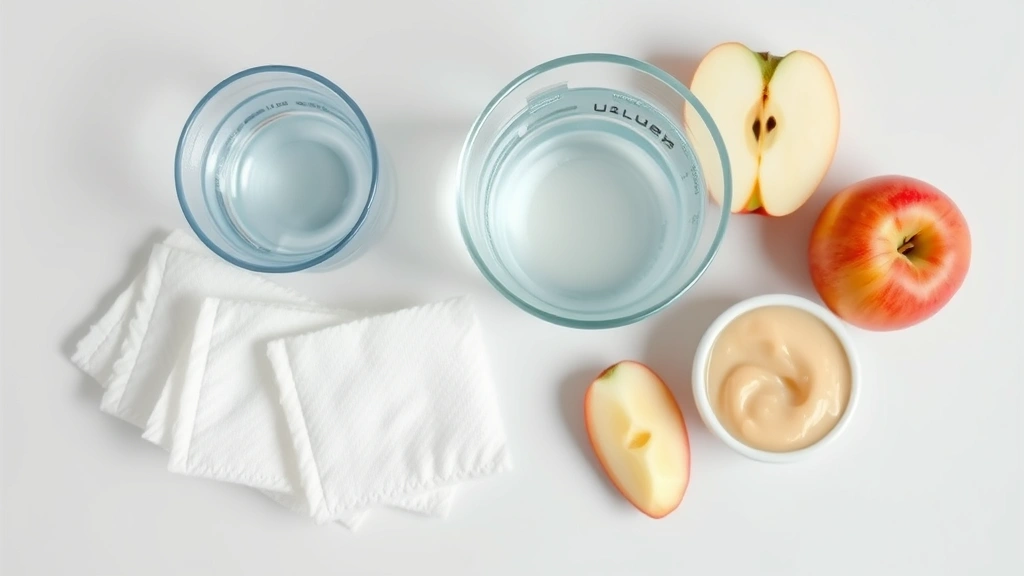
Stick with soft foods for at least a week: mashed potatoes, scrambled eggs, soup (cooled), smoothies, mashed beans, and well-cooked pasta. Avoid anything that requires chewing near the extraction site. Hydration is crucial, so drink plenty of water.
Avoid strenuous exercise for 3-5 days. Increased heart rate and blood pressure can restart bleeding or cause complications. Light walking is fine, but save the gym for later.
Frequently Asked Questions
Can I sleep right after tooth extraction?
Yes, but keep your head elevated on 2-3 pillows for the first few nights. Lying flat can increase bleeding and swelling. Make sure you’ve removed the gauze and confirmed bleeding has stopped before sleeping.
What if bleeding won’t stop after an hour?
Keep gauze in for another 30 minutes. If it’s still bleeding heavily after 1.5-2 hours total, contact your dentist. Excessive bleeding isn’t common but needs professional attention. Make sure you’re applying firm, steady pressure and not disturbing the socket.
Is some oozing normal after gauze comes out?
Absolutely. Minor oozing or pink-tinged saliva for 24-48 hours is completely normal. You’re only concerned if there’s fresh, bright red bleeding or if it doesn’t slow down over time.
When can I start rinsing with salt water?
Wait until after the first 24 hours. Then you can do gentle salt water rinses, especially after eating. Don’t rinse vigorously; just let the salt water sit in your mouth for a few seconds and let it drain naturally.
Can I use a regular bandage instead of gauze?
No. Regular bandages or tissues aren’t designed for this purpose and will fall apart or stick to the wound. Sterile gauze is specifically made to be absorbent and non-stick. Your dentist will provide it, or you can buy sterile gauze pads at any pharmacy.
How long until I can eat normally?
Soft foods for at least 5-7 days. Hard, crunchy, hot, or sticky foods can disturb the clot. After a week, you can gradually introduce slightly more challenging foods, but avoid chewing directly on the extraction site for at least 2 weeks.
What’s the difference between dry socket and normal healing?
Normal healing involves some swelling, minor oozing, and manageable discomfort. Dry socket causes intense, throbbing pain (often out of proportion to the extraction), visible bone in the socket, and a foul smell or taste. If you suspect dry socket, call your dentist immediately.
Final Thoughts
Keeping gauze in for 30-45 minutes after tooth extraction is straightforward, but it’s absolutely essential for proper healing. Follow your dentist’s specific instructions, be patient with the process, and resist the urge to poke around or rush recovery. The few hours you spend managing gauze and taking it easy set the stage for smooth healing without complications. Treat this recovery period seriously, and you’ll be back to your normal routine faster than you’d expect. Your mouth will thank you.


