
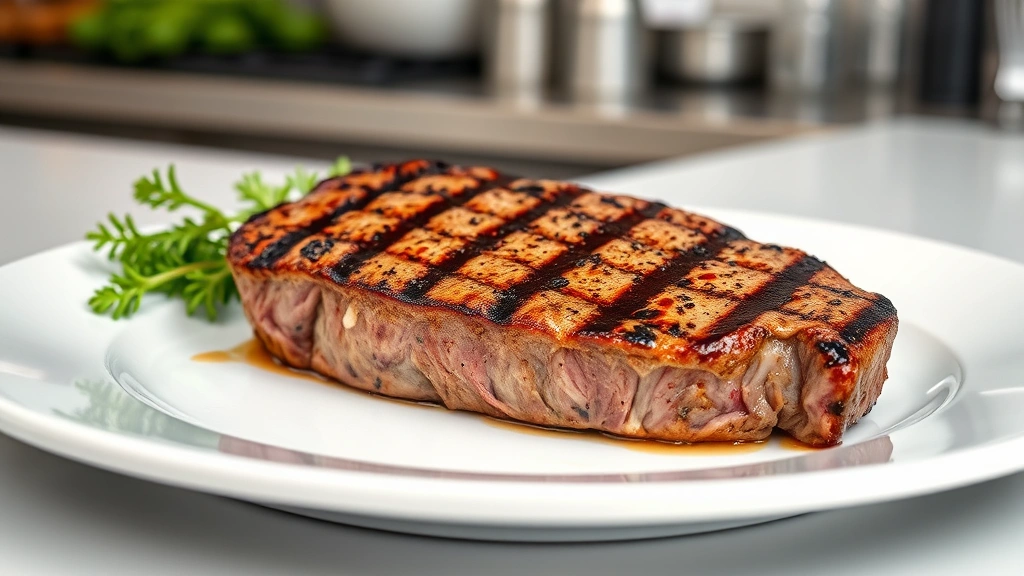
Knowing how long to grill filet mignon is the difference between a restaurant-quality steak and a dry, overcooked disappointment sitting on your plate. I’ve spent years at the grill, and I’m going to walk you through exactly what you need to know to nail this every single time.
Table of Contents
Thickness Matters Most
Before we talk timing, let’s get real about what you’re working with. Filet mignon thickness is everything. A 1-inch steak cooks completely different than a 1.5-inch or 2-inch cut. Most quality butchers cut filet mignon between 1 and 2 inches thick, and that’s your sweet spot for grilling.
Why thickness matters: thinner steaks cook too fast and you can’t develop that beautiful crust without overcooking the inside. Thicker cuts give you time to work with. I always ask my butcher for steaks at least 1.25 inches thick, preferably closer to 1.5 inches. This gives you a real window to nail the perfect doneness.
Measure your steak before you start. Grab a ruler if you have to—this isn’t guesswork territory. The difference between 1 inch and 1.5 inches means 2-3 minutes of additional cooking time, so get it right from the start.
Temperature Basics First
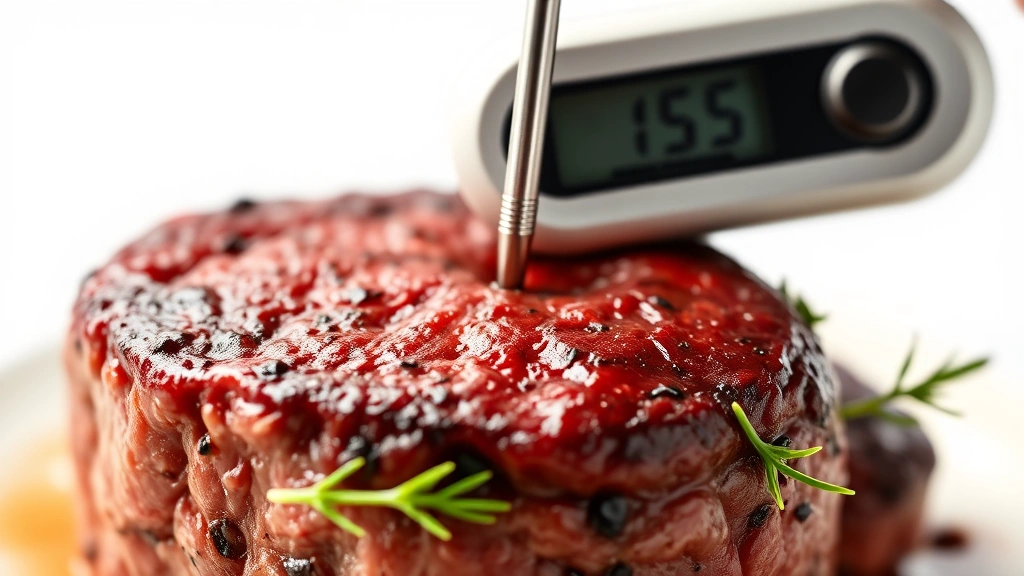
Here’s what separates amateurs from people who know their way around a grill: understanding that internal temperature is your real target, not time. Time is just a guide. A meat thermometer is your actual tool.
Target temperatures for filet mignon:
- Rare: 125°F internal temperature
- Medium-Rare: 135°F internal temperature (most people’s preference)
- Medium: 145°F internal temperature
- Medium-Well: 150°F internal temperature
- Well-Done: 160°F internal temperature
Here’s the thing: filet mignon is a lean, tender cut. It’s not forgiving like a ribeye with its fat content. Cook it past medium and you’re wasting money on a premium cut. Medium-rare is the sweet spot where you get tenderness and a hint of warmth throughout.
Get an instant-read meat thermometer if you don’t have one. Seriously. It’s the single best investment for consistent grilling results. I use mine on every steak, every time.
Timing Guide by Doneness
Now we’re getting to the practical stuff. These times assume you’re grilling over medium-high heat (around 400-450°F) with a 1.5-inch thick filet mignon that’s been brought to room temperature.
For a 1-inch thick filet:
- Rare: 4-5 minutes total (2-2.5 minutes per side)
- Medium-Rare: 5-6 minutes total (2.5-3 minutes per side)
- Medium: 6-7 minutes total (3-3.5 minutes per side)
For a 1.5-inch thick filet:
- Rare: 6-7 minutes total (3-3.5 minutes per side)
- Medium-Rare: 7-8 minutes total (3.5-4 minutes per side)
- Medium: 8-9 minutes total (4-4.5 minutes per side)
For a 2-inch thick filet:
- Rare: 8-9 minutes total (4-4.5 minutes per side)
- Medium-Rare: 9-11 minutes total (4.5-5.5 minutes per side)
- Medium: 11-13 minutes total (5.5-6.5 minutes per side)
These are guidelines, not gospel. Grill temperature varies, ambient temperature affects cooking, and even the starting temperature of your steak matters. Use these times to know when to start checking with your thermometer, not as absolute rules.
Prep Before Grilling
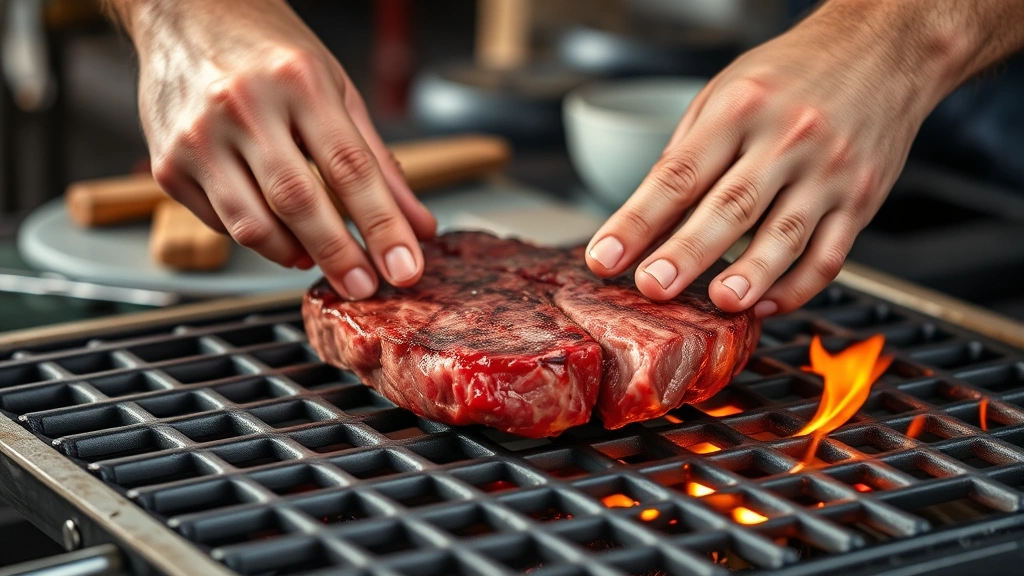
The 30-minute rule: take your filet mignon out of the fridge 30 minutes before grilling. This brings it to closer to room temperature, which means more even cooking throughout. A cold steak fresh from the fridge will have a cold center and overcooked edges by the time the middle catches up.
Pat it completely dry with paper towels. Moisture is the enemy of a good crust. You want that surface as dry as possible.
Season generously with salt and pepper—nothing fancy needed. Do this right before grilling, not hours ahead. Salt draws moisture to the surface if you wait too long. I use kosher salt because the larger crystals distribute more evenly. Some folks add a light coating of oil, but filet mignon has enough fat that it’s not necessary.
If you’re making cowboy butter, prepare that while your steak is coming to temperature. It’s the perfect finishing touch for grilled filet.
Setting Up Your Grill
Clean your grates first. Use a grill brush and get them clean. Debris from previous grilling sessions will stick to your steak and ruin the presentation. I clean my grates every single time, no shortcuts.
Oil your grates lightly with a high-heat oil (vegetable or canola works fine). This prevents sticking and helps with browning. Get your grill to 400-450°F before the steak hits the grates. You need that heat for a proper sear.
For filet mignon specifically, I prefer direct heat grilling—meaning the steak goes directly over the flame or coals. No two-zone setup needed for a thin to medium-thickness cut. Just hot, direct heat.
If you’re grilling a 2-inch thick filet, you might want to start with high heat for the sear (2-3 minutes per side), then move it to a cooler zone or reduce heat to finish cooking through. This prevents the outside from charring while the inside stays rare.
The Critical Rest Period
Here’s where most home grilling fails: people pull their steak off and cut into it immediately. Don’t do that. Let it rest for 5-10 minutes after grilling. This is non-negotiable.
During cooking, the heat pushes juices toward the center of the steak. Resting allows those juices to redistribute throughout the meat. Cut into a steak that hasn’t rested and all those juices run out onto your plate instead of staying in your mouth where they belong.
Tent it loosely with foil to keep it warm, but don’t wrap it tight. You want some air circulation so the outside stays crispy. Five minutes minimum, ten minutes if you can wait that long. I usually use this time to plate my diced potatoes or green beans.
Common Grilling Mistakes
Mistake #1: Cooking straight from the fridge. That cold steak will have a cold center. Room temperature is where it’s at.
Mistake #2: Flipping too much. Some folks flip every 30 seconds thinking it helps. Stop. Flip once, maybe twice maximum. Let the heat do its job.
Mistake #3: No thermometer. You’re guessing. Get a thermometer and stop guessing.
Mistake #4: Cooking too hot. Char is good, burnt is not. If your grill is hotter than 450°F, dial it back. You’ll burn the outside before the inside cooks.
Mistake #5: Skipping the rest. I mentioned this already but it’s so important it gets its own line. Rest your steak.
Mistake #6: Pressing down with the spatula. That squeezes out juices. Let the steak be.
Perfect Side Dishes
Filet mignon deserves sides that complement it without competing. You’ve got options depending on what you’re in the mood for.
Potatoes are the classic choice. Diced potatoes roasted in the oven work great, or throw some foil-wrapped potatoes on the grill alongside your steaks. They’ll be ready about the same time.
Vegetables are essential. Green beans are my go-to—quick, simple, and they don’t steal the show. Asparagus works too. Brush them lightly with oil, season with salt and pepper, and grill them for 4-5 minutes until they’ve got some color.
If you want to get fancy, finish your steak with that cowboy butter I mentioned. A pat of herb butter melting over a hot steak is restaurant-level simple.
Skip heavy sauces. Filet mignon is delicate. You don’t need to mask it with thick béarnaise or anything like that. Salt, pepper, maybe some butter. That’s the play.
Frequently Asked Questions
How do I know when my filet mignon is done without cutting into it?
Use a meat thermometer inserted into the thickest part of the steak. That’s the only reliable way. You can also use the touch method if you’ve done this a hundred times—comparing the firmness of the meat to the fleshy part of your palm—but thermometers are more accurate. Don’t cut into it to check; you’ll lose all those juices you’ve been working to keep in.
Should I marinate filet mignon before grilling?
Filet mignon is tender enough that it doesn’t need marinating. A simple salt and pepper seasoning right before grilling is all you need. If you want more flavor, use a dry rub with garlic powder, smoked paprika, and herbs, but keep it simple. This is a premium cut—don’t hide it.
Can I grill filet mignon in the winter?
Absolutely. You might need to adjust your timing slightly because the grill will take longer to heat up and ambient temperature affects cooking time. Give yourself extra time for preheating and add a minute or two to your cooking times. Everything else stays the same.
What’s the difference between grilling and pan-searing filet mignon?
Both work great. Grilling gives you those char marks and smoky flavor. Pan-searing on the stovetop gives you more control over temperature and is easier in bad weather. The timing is similar—same internal temperature targets, similar cook times depending on thickness. Choose based on what you have available and your preference for flavor.
Is it okay to cook filet mignon well-done?
Technically yes, but you’re wasting a premium cut. Filet mignon is expensive because it’s tender, not because it has tons of flavor. Cook it well-done and you lose the tenderness without gaining anything. If someone insists on well-done, consider using a less expensive cut. Save the filet for people who’ll appreciate it medium-rare or medium.
How long can I store raw filet mignon before grilling?
Keep it in the coldest part of your fridge and use it within 3-4 days of purchase. If you’re buying ahead, freeze it and thaw it in the fridge overnight before grilling. Never thaw at room temperature—bacteria grows fast on expensive meat.
Do I need to oil the steak itself or just the grates?
Oil the grates, not the steak. Filet mignon has enough marbling that it doesn’t need additional oil. Oiling the grates prevents sticking and helps with browning. Pat your steak dry and season it, then it goes straight on the hot grates.
Final Thoughts
Grilling filet mignon isn’t complicated, but it does require attention to detail. Get your thickness right, bring it to room temperature, use a thermometer, and don’t skip the rest. Follow those rules and you’ll nail it every time.
The timing I’ve given you is a starting point. Every grill is different, every steak is slightly different, and variables like weather and altitude matter. But now you know what to look for and what your targets are. That’s all you need to become the person who consistently makes perfect filet mignon.
Start with medium-rare as your target. It’s where filet shines—tender, juicy, with just enough warmth to let you taste the quality of the meat. Master that, and you can adjust up or down from there based on what your guests prefer.
Get out there and grill something great.


