
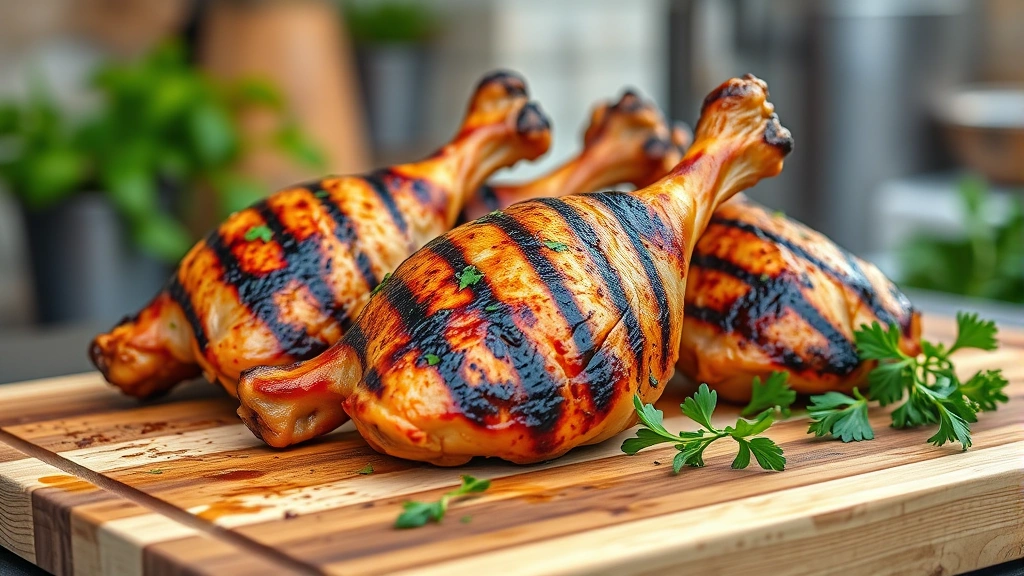
Knowing how long to grill chicken legs is the difference between juicy, perfectly charred meat and dry disappointment. Most home cooks overthink this—it’s actually simpler than you’d expect. Chicken legs (drumsticks and thighs together) typically need 30-40 minutes over medium heat, but the real secret isn’t just time; it’s understanding heat zones, thickness, and how to tell when they’re actually done.
Table of Contents
Setting Up Your Grill Heat
Before you even think about timing, get your grill right. You’ll want medium heat—around 375-400°F. If you’re using a charcoal grill, arrange your coals so you have a hot zone on one side and a cooler zone on the other. This two-zone setup is your best friend for chicken legs. Gas grill? Light one side to medium-high and leave the other side off or on low. This gives you flexibility when flare-ups happen, which they will.
The beauty of this setup is that you can start your chicken legs over the hot zone to get that nice sear and color, then move them to the cooler side to finish cooking through without burning the outside. It’s not complicated—it’s just smart heat management.
Timing Basics for Chicken Legs
Here’s the straightforward answer: chicken legs take 30-40 minutes total. But break it down like this: about 12-15 minutes over direct heat to get color and sear, then 18-25 minutes over indirect heat to finish cooking through. Thicker thighs might need the full 40 minutes; skinnier drumsticks could be done in 30.
Start timing from when the grill reaches temperature and the chicken hits the grates. Don’t count prep time or preheating. The clock starts when the meat touches heat. This is also a perfect time to prep your best summer recipes sides while the legs are cooking—you’ve got time to work with.
Internal Temperature Matters Most
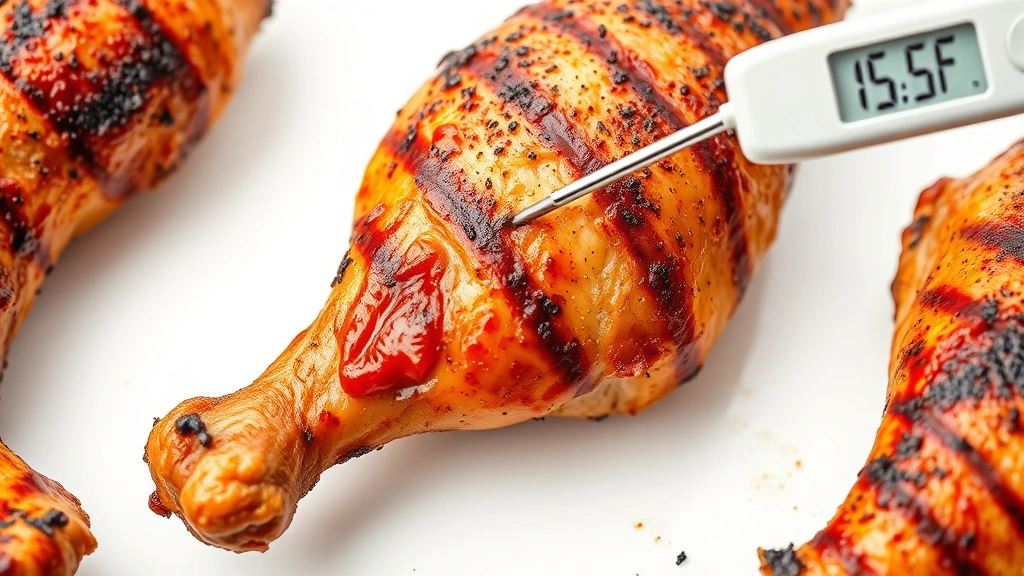
Forget guessing games. Get a meat thermometer—seriously, it’s the single best investment for grilling. Chicken legs are safely cooked when they hit 165°F internally. Stick the thermometer into the thickest part of the thigh without touching bone. That’s your target.
Here’s why this matters more than time: every grill is different. Your neighbor’s grill might run hotter. The weather affects heat. Humidity plays a role. But 165°F is universal. Once you hit that number, you’re done. No pink, no guessing, no food poisoning risk. According to the USDA, this is the safe internal temperature for all poultry.
Direct vs Indirect Heat Method
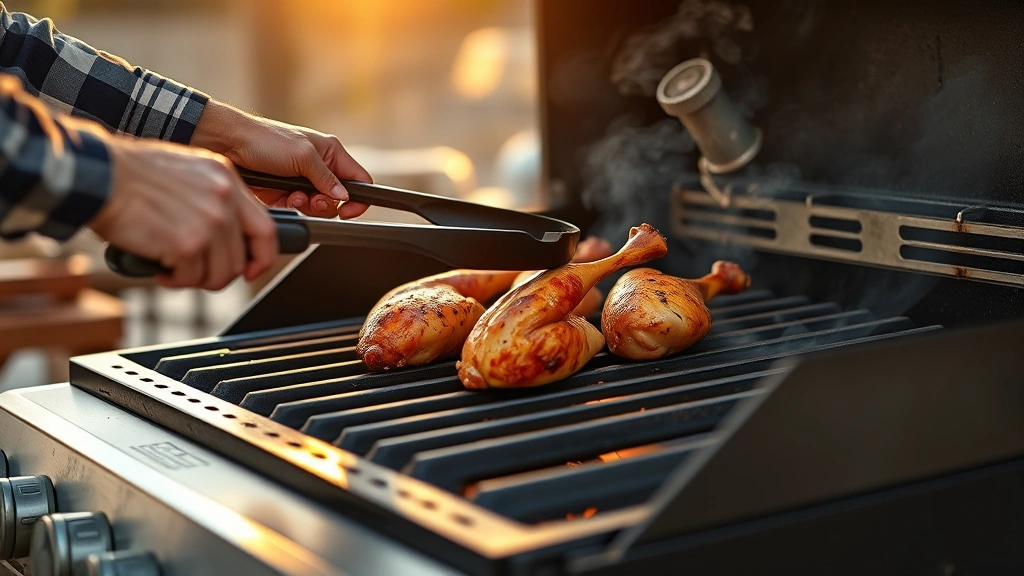
This is where most home cooks struggle. Direct heat is great for searing and getting color, but it’ll burn your chicken if you leave it there the whole time. Here’s the move: start with direct heat for the first 12-15 minutes, skin-side down. You want that skin to crisp up and brown nicely.
Then flip and move everything to indirect heat (the cooler side of your grill) for the remaining 18-25 minutes. This slower, gentler cooking finishes the job without charring the exterior. It’s the two-step that separates backyard barbecue from actual skill. Check out blackened mahi mahi recipe techniques for understanding char control on proteins.
Bone-In Thickness Variations
Not all chicken legs are created equal. A massive thigh from a heritage breed bird is thicker than a standard supermarket leg. This affects timing. Thicker pieces need more time over indirect heat—sometimes pushing toward the full 40 minutes. Thinner drumsticks might finish in 32-35 minutes total.
The trick is grouping similar-sized pieces together on your grill. Don’t mix a huge thigh next to a skinny drumstick and expect them to finish at the same time. Arrange them by size. Your thermometer will tell you the real answer, but this setup makes everything more even and predictable.
Managing Flare-Ups and Char
Fat dripping from chicken skin will cause flare-ups. It’s not a disaster—it’s flavor. But you need to manage it. When flames spike up, move the chicken to the cooler zone temporarily. Let the flames die down, then move it back. You’re not running away from heat; you’re controlling it.
If you’re getting massive flare-ups consistently, your grill might be too hot or you’re using too much direct heat. Dial it back slightly. Char is good; charcoal is bad. There’s a difference between a nice golden-brown crust and actual burnt spots. Medium heat with smart zone management prevents this entirely.
Rest Your Meat Properly
Here’s the part people skip and immediately regret: rest your chicken legs for 5-10 minutes after they come off the grill. Tent them loosely with foil. This isn’t just tradition—it’s physics. The meat fibers relax, and juices redistribute. If you cut into it immediately, all those juices run out onto the plate instead of staying in the meat.
Five minutes minimum. Ten is better. You can prep sides, grab a drink, or check your fall cocktail recipes for a pairing. The chicken won’t get cold; it’ll stay hot and actually taste better.
Common Grilling Mistakes
Moving the chicken too much is mistake number one. You don’t need to flip every two minutes. Flip once, maybe twice. Let it sit and develop that crust. Constantly moving it prevents browning and extends cooking time unnecessarily.
Mistake two: starting with cold chicken straight from the fridge. Let it sit at room temperature for 15-20 minutes before grilling. Cold meat takes longer to cook through, and you risk burning the outside before the inside is done.
Mistake three: not oiling your grates. Clean, oiled grates prevent sticking and help with those beautiful grill marks. Wipe your cold grates with an oiled paper towel before heating, or use a grill brush on hot grates.
Mistake four: covering the grill the entire time. You want some air circulation, especially during the indirect heat phase. A closed lid is good for finishing, but it shouldn’t be sealed shut the whole time. Crack it slightly if you’re not using a thermometer with a remote readout.
Frequently Asked Questions
Can you grill frozen chicken legs?
Technically yes, but it’ll take significantly longer—potentially 50-60 minutes. You’ll also struggle to get even cooking and good color. Thaw them first. It’s worth the planning ahead.
What’s the difference between grilling and barbecuing chicken legs?
Grilling is high heat, quick cooking (30-40 minutes). Barbecuing is low and slow, often 2-3 hours with smoke. Both work for chicken legs, but grilling is faster and what most home cooks do.
Should you marinate chicken legs before grilling?
You can, but it’s not required. A simple salt and pepper rub works great. If you do marinate, 2-4 hours is enough. Longer than that and the acid in marinades can make the texture mushy.
How do you know when chicken legs are done without a thermometer?
Pierce the thickest part of the thigh. If juices run clear (not pink), it’s likely done. But honestly, get a thermometer. It’s the only foolproof method. They cost $15-30 and last forever.
Can you grill chicken legs skin-side up first?
You can, but skin-side down first is better. The skin crisps better with direct contact to the grates. Save skin-side up for the indirect heat phase.
What temperature should your grill be for chicken legs?
Medium heat, 375-400°F. Too hot and you burn the outside before cooking through. Too cool and it takes forever and won’t brown properly.
Do you need to flip chicken legs while grilling?
Yes, at least once. Start skin-side down for 12-15 minutes, flip, then move to indirect heat for the remaining time. One flip is usually enough if you’re not moving them around constantly.
Check out how long to steam green beans for side dish timing that matches your chicken legs perfectly. And if you want to expand your protein game, how long to dehydrate jerky shows another cooking method worth mastering.
Final Thoughts
Grilling chicken legs isn’t complicated once you understand the fundamentals: medium heat, two-zone cooking, proper timing, and a thermometer for confirmation. 30-40 minutes, skin-side down first, then indirect heat to finish. Rest for 5-10 minutes. That’s it. You’ll nail it every time.
The real secret isn’t some magic formula—it’s consistency and paying attention. Set up your grill properly, use a thermometer, and don’t overthink it. Your next backyard meal is going to be delicious.


