
Wondering how long to dehydrate jerky? The answer depends on your method, meat thickness, and desired chewiness—but most jerky takes between 4 to 8 hours in a dehydrator, or 6 to 12 hours in an oven. Get it right, and you’ll have shelf-stable, delicious jerky that rivals anything from a store. Rush it or overdo it, and you’ll end up with either moist strips that spoil or jerky so tough it could double as a dog chew toy.
Table of Contents
Dehydrator Timing Basics
A food dehydrator is the gold standard for jerky-making, and for good reason. Most quality dehydrators maintain consistent heat and airflow, which means predictable results. At the standard 160°F to 165°F, you’re looking at 4 to 8 hours for properly sliced jerky. Thinner strips (about 1/8 inch) finish faster—closer to 4 to 5 hours. Thicker cuts (1/4 inch or more) need the full 7 to 8 hours.
The beauty of a dehydrator is that you can walk away. Set it, check occasionally, and come back to finished jerky. Start checking around the 4-hour mark by bending a piece. If it cracks and breaks cleanly, it’s done. If it bends without breaking, keep going. This is where patience pays off—rushing the process leaves you with jerky that spoils faster.
Oven Dehydration Times
Don’t have a dehydrator? Your oven works, though it’s less efficient. Set your oven to the lowest temperature possible—ideally 160°F to 170°F. If your oven doesn’t go that low, 200°F is acceptable, but watch closely to avoid cooking instead of drying. Crack the oven door open about 2 to 3 inches using a wooden spoon or oven-safe wedge. This lets moisture escape and prevents the jerky from steaming.
Oven jerky typically takes 6 to 12 hours depending on thickness and oven accuracy. Thinner strips might finish in 6 to 8 hours, while thicker ones can stretch to 10 to 12 hours. The longer time is partly because ovens don’t circulate air as efficiently as dehydrators. Rotate your baking sheets every 2 to 3 hours for even drying. This is more hands-on than a dehydrator, but it’s doable if you’re patient.
Thickness and Cut Matter
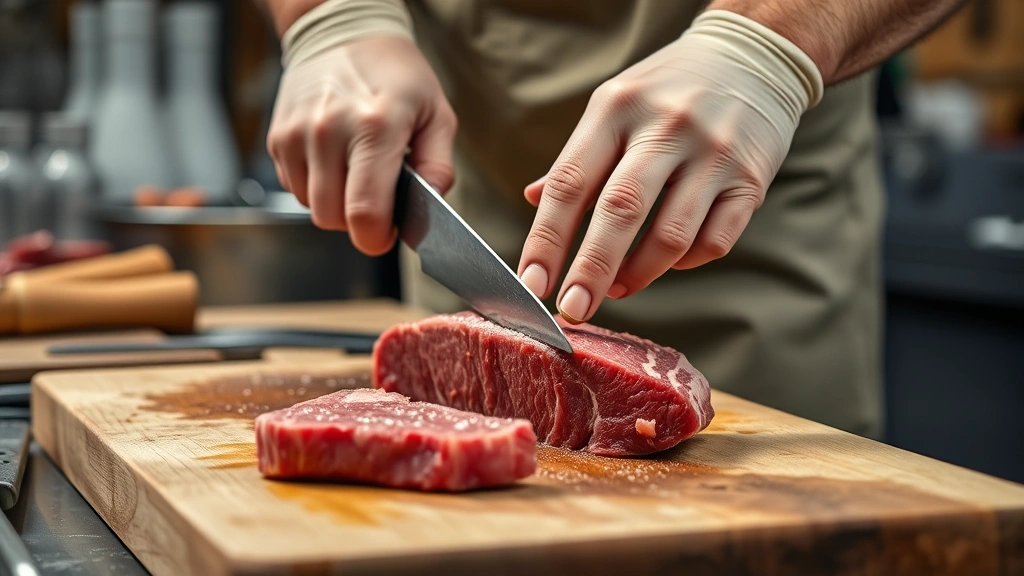
Here’s where most beginners go wrong: they cut jerky too thick or too thin without understanding how it affects timing. Slice against the grain for tender jerky that’s easier to chew. For standard jerky, aim for 1/8 to 1/4 inch thick. Anything thinner than 1/8 inch dries too fast and can become brittle. Anything thicker than 1/4 inch takes forever and risks uneven drying—the outside hardens while the inside stays moist.
Think of it like this: thinner strips dry faster because moisture has less distance to travel. A 1/8-inch strip might be done in 4 to 5 hours. A 1/4-inch strip needs 7 to 8 hours. The difference is exponential, not linear. If you’re making jerky for the first time, stick to 3/16 inch—it’s the sweet spot that balances quick drying with that perfect chewy texture most people crave.
Temperature Control Explained
Temperature is non-negotiable when you’re drying meat. You need high enough heat to kill bacteria and dry the jerky, but not so high that you cook it. The USDA recommends reaching an internal temperature of 160°F during the drying process. Most dehydrators set at 160°F to 165°F achieve this safely.
Lower temperatures—say 135°F to 145°F—take longer (10 to 12 hours or more) but produce a softer, chewier result. Higher temperatures—175°F to 190°F—finish faster (3 to 4 hours) but risk creating a tougher, less flavorful jerky. If your dehydrator has variable temperature control, start at 160°F and adjust based on results. Keep a thermometer handy to verify your equipment is actually hitting the temperature it claims.
The Bend Test Method
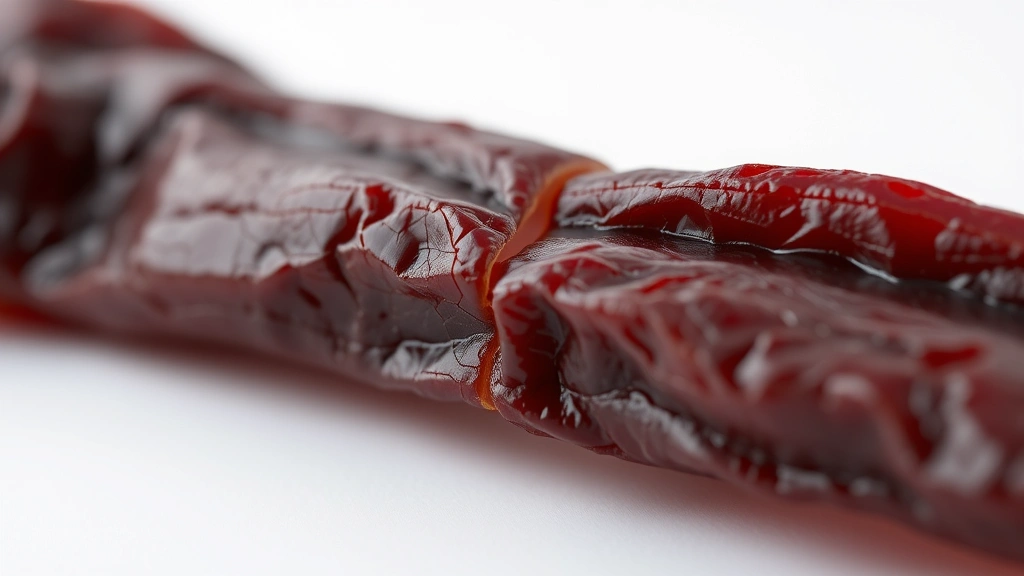
Forget guessing. The bend test is your best friend for determining doneness. Here’s how it works: pull a strip from the dehydrator and let it cool for a minute—hot jerky bends easily and will give you a false reading. Once cool, try bending it sharply. Properly dried jerky should crack slightly or break cleanly when bent. There should be no moisture visible inside the crack.
If the strip bends without cracking, it’s not done yet. Put it back in and check again in 30 to 60 minutes. If it shatters like a potato chip, you’ve overdone it—it’ll be tough and lose flavor. The goal is that middle ground where it cracks but doesn’t shatter. Do the bend test on multiple strips from different parts of your dehydrator, since hot spots can cause uneven drying.
Marinade Impact on Time
Here’s something people don’t talk about enough: marinades affect drying time. A wet marinade adds moisture that needs to evaporate. If you marinate jerky for 12 to 24 hours (standard practice), pat it dry thoroughly before loading the dehydrator. Pat it down with paper towels—seriously, get it as dry as you can. This simple step can cut your drying time by 30 to 60 minutes.
Thicker marinades or brines with sugar take longer to dry because the sugar absorbs and holds moisture. If you’re using a sweet marinade, expect to add 1 to 2 hours to your drying time. Vinegar-based marinades dry faster. The takeaway: marinate aggressively for flavor, but don’t skip the patting step. It’s the difference between 5 hours and 7 hours.
Storage and Shelf Life
Once your jerky passes the bend test, it’s not quite time to celebrate. Proper storage depends on how dry it really is. Jerky that’s dried correctly can last 1 to 2 weeks at room temperature in an airtight container, or up to 2 to 3 months in the refrigerator. In the freezer, it lasts 6 months or longer.
The key is moisture content. Jerky that’s too moist (still bends without cracking) will develop mold within days. Jerky that’s perfectly dry (cracks when bent) is shelf-stable. If you’re unsure, store it in the fridge. This gives you a safety margin while you learn what properly dried jerky feels like. After a few batches, you’ll develop an intuition for it.
Common Timing Mistakes
Most jerky disasters come from timing errors. The most common mistake is stopping too early. People see their jerky looking done on the outside and pull it out, only to find it’s still moist inside. This leads to spoilage and wasted meat. If you’re unsure, keep going. Overdrying is better than underdrying when it comes to food safety.
Another mistake is assuming all dehydrators are the same. They’re not. A $40 dehydrator from a big-box store dries differently than a $200 model. Do a test batch and take notes. Write down the time, temperature, and meat thickness. Next batch, you’ll know exactly what to expect. Also, don’t cram your dehydrator. Overcrowding blocks airflow and extends drying time by hours. Leave space between strips.
Frequently Asked Questions
How long does jerky take in a standard dehydrator?
Most jerky takes 4 to 8 hours in a dehydrator set to 160°F to 165°F. Thinner strips finish faster (4 to 5 hours), while thicker cuts need the full 7 to 8 hours. Always use the bend test to confirm doneness rather than relying on time alone.
Can I dehydrate jerky in an oven instead?
Yes. Set your oven to 160°F to 170°F, crack the door open 2 to 3 inches, and expect 6 to 12 hours depending on thickness. Rotate your baking sheets every 2 to 3 hours for even drying. Ovens are less efficient than dehydrators, so plan for longer times and more monitoring.
What temperature kills bacteria in jerky?
The USDA recommends reaching an internal temperature of 160°F during the drying process to kill pathogens. Most dehydrators set at 160°F to 165°F achieve this safely. Don’t go below 155°F for food safety, especially with ground meat jerky.
Why is my jerky still moist after drying?
Either your temperature was too low, your drying time was too short, or your strips were too thick. Check your dehydrator with a thermometer to confirm it’s hitting the right temperature. Next batch, increase drying time by 1 to 2 hours. Also, make sure you’re patting marinaded jerky dry before loading it.
How do I know when jerky is perfectly done?
Use the bend test. Cool a strip for a minute, then bend it sharply. Properly dried jerky should crack or break cleanly with no visible moisture inside. If it bends without cracking, it needs more time. If it shatters like a chip, it’s overdone.
Does jerky thickness change drying time much?
Absolutely. A 1/8-inch strip might dry in 4 to 5 hours, while a 1/4-inch strip needs 7 to 8 hours. Thickness affects drying time exponentially because moisture has to travel further. Aim for consistent 3/16-inch slices for predictable results.
Can I speed up jerky drying?
You can increase temperature slightly (to 170°F), but don’t go higher without risking food safety or texture. Thinner slices dry faster. Patting marinaded jerky dry before loading saves 30 to 60 minutes. Don’t overcrowd your dehydrator—airflow is everything. Beyond these, patience is your only option.


