
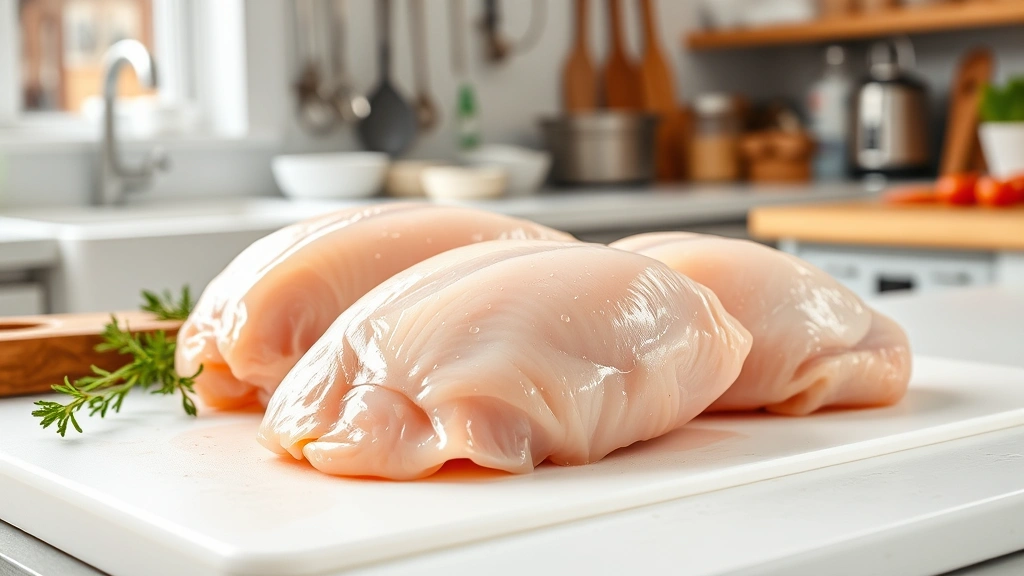
Knowing how long to defrost chicken safely is one of those kitchen skills that separates the prepared cook from the panicked one staring at a frozen bird at dinnertime. Whether you’re planning ahead or dealing with last-minute dinner decisions, understanding your defrosting options—and the science behind them—keeps your chicken safe to eat while getting dinner on the table in reasonable time.
Table of Contents
Refrigerator Method: The Safe Choice
The refrigerator is your best friend when it comes to defrosting chicken safely. This method is endorsed by the USDA and food safety experts because it keeps chicken in the danger zone (40°F or below) where bacteria growth stays minimal. Plan ahead though—this isn’t quick.
A whole chicken takes about 24 hours for every 4-5 pounds. So a typical 5-pound bird needs roughly 24-30 hours. Chicken breasts or thighs defrost faster, typically 12-24 hours depending on thickness. Ground chicken defrosts even quicker at 8-12 hours. The key is patience and planning your meals the night before.
Once defrosted in the fridge, you’ve got about 1-2 days to cook it before bacteria multiply to unsafe levels. This is why many home cooks use the refrigerator method—it gives you a comfortable window to work with, similar to how how long do potatoes take to boil gives you flexibility in meal prep timing.
Cold Water Method: Faster Results
When you need defrosted chicken in hours instead of a full day, the cold water method works surprisingly well. Seal your chicken in a leak-proof bag and submerge it in cold water. Change the water every 30 minutes to keep it cold and speed up thawing.
Timing depends on portion size. A whole chicken takes 2-3 hours, while chicken breasts or thighs take 1-2 hours. Ground chicken defrosts in 30-60 minutes. The constant water changes are crucial—they remove the insulating layer of cold water around the chicken and let warmer water circulate, speeding the process without pushing the chicken into the danger zone.
The cold water method is USDA-approved and safe when done correctly. It’s your go-to when you forgot to defrost but still want to cook safely. The science behind temperature control matters as much as knowing how long to steam broccoli for the perfect texture.
Microwave Defrosting: Quick & Risky
Microwaves can defrost chicken in 5-30 minutes depending on wattage and portion size, but this method comes with a serious caveat: uneven heating. Some parts of your chicken cook while others stay frozen, creating pockets where bacteria can thrive before you cook it through.
If you go the microwave route, use the defrost setting (usually 30% power) and rotate the chicken frequently. Check it every few minutes. Cook the chicken immediately after—don’t let it sit. The USDA allows this method, but only if you’re cooking the chicken right away. It’s your last-resort option, not your preferred method.
Cooking From Frozen: Emergency Option
Yes, you can cook chicken straight from frozen. It’s safe, though it takes longer. Add roughly 50% more cooking time compared to thawed chicken. A frozen chicken breast might take 20-30 minutes to bake at 375°F instead of 12-15 minutes when thawed.
Use a meat thermometer—the only way to know when frozen chicken is truly done. The internal temperature must reach 165°F at the thickest part. Cooking from frozen works for baking, boiling, and slow cooking, but isn’t ideal for pan-searing or grilling where you want a nice crust.
Complete Defrosting Timeline
Refrigerator Method:
- Whole chicken (4-5 lbs): 24-30 hours
- Whole chicken (6-8 lbs): 36-48 hours
- Chicken breasts: 12-24 hours
- Chicken thighs: 12-18 hours
- Ground chicken: 8-12 hours
Cold Water Method:
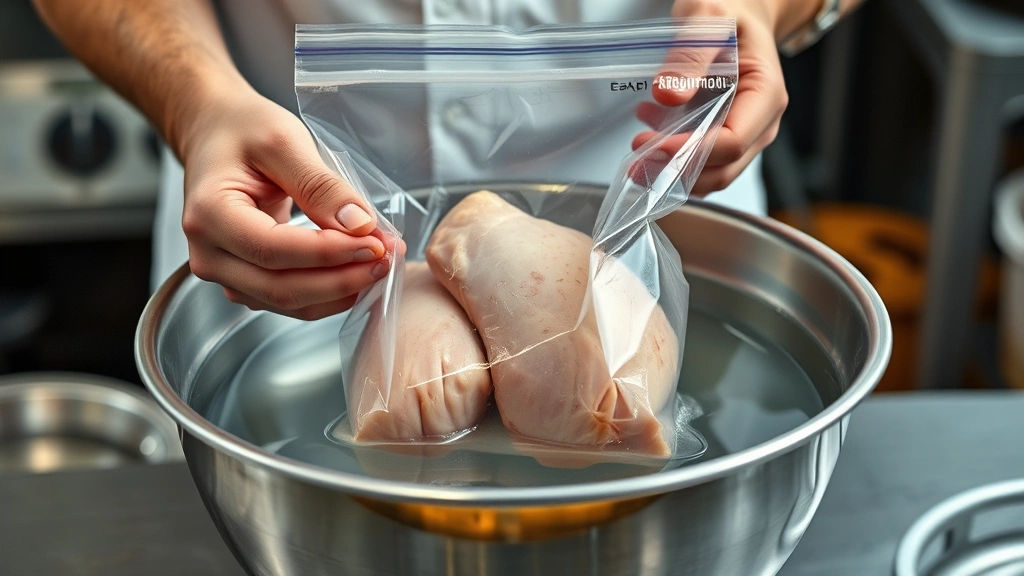
- Whole chicken: 2-3 hours (change water every 30 min)
- Chicken breasts: 1-2 hours
- Chicken thighs: 1-2 hours
- Ground chicken: 30-60 minutes
Microwave Defrost:
- Whole chicken: 20-30 minutes
- Chicken breasts: 5-10 minutes
- Ground chicken: 3-5 minutes
These times vary based on your specific microwave’s wattage and your freezer’s temperature. Think of it like planning how how long does it take wood glue to dry—environmental factors matter.
Bacteria Safety: What You Need
The danger zone for bacterial growth is 40°F to 140°F. Bacteria like Salmonella and Campylobacter double every 20 minutes in this range. This is why defrosting methods matter—they keep chicken cold enough to minimize bacterial multiplication.
Never defrost chicken on the counter at room temperature. Never defrost it in hot water. Both methods let bacteria flourish to dangerous levels. The USDA is clear: stick to refrigerator, cold water, or microwave methods only.
Once cooked, chicken is safe at any temperature, but the defrosting phase is where you need discipline. Cross-contamination matters too—keep raw chicken separate from other foods, use dedicated cutting boards, and wash your hands thoroughly.
Signs Your Chicken Is Ready
Defrosted chicken should feel completely soft to the touch with no ice crystals. There shouldn’t be any hard, frozen spots. For whole chickens, check the thickest part of the thigh—it should bend easily and feel pliable.
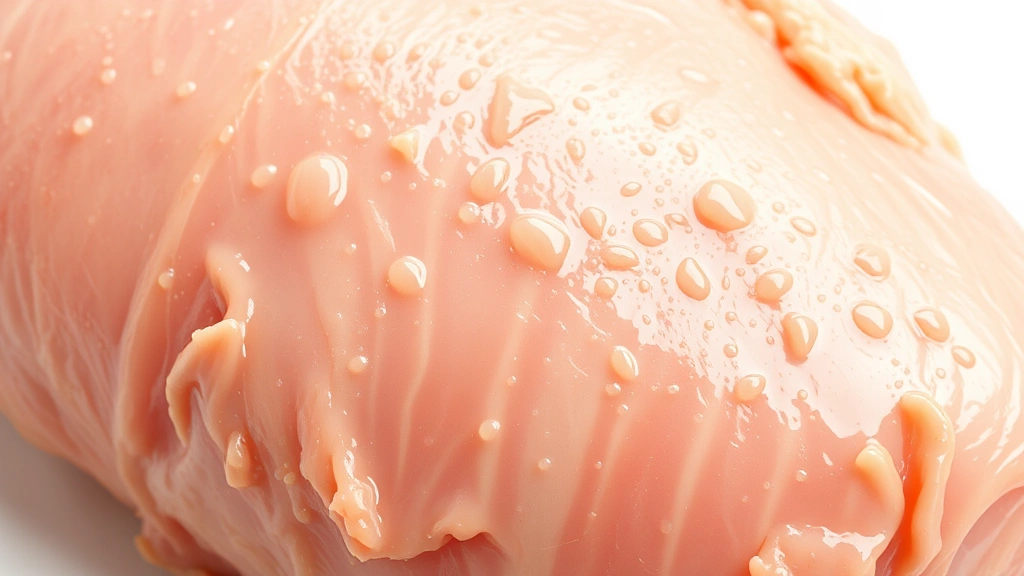
The surface might feel slightly damp, which is normal. If you see discoloration or smell anything off, don’t cook it—bacteria may have grown excessively. Properly defrosted chicken should smell fresh and neutral, similar to how you’d check how long do potatoes take to grow by checking for visible sprouting.
For cold water defrosting, squeeze the bag gently—if it still feels hard in the center, keep going. The edges will thaw first, so don’t judge by appearance alone.
Common Defrosting Mistakes
Mistake #1: Counter Defrosting This is the biggest one. Room temperature is bacteria’s playground. Your chicken can reach unsafe bacterial levels in 2-3 hours.
Mistake #2: Hot Water Defrosting Some people think warm water speeds things up. It does, but it also creates a bacterial explosion. Stick to cold water only.
Mistake #3: Forgetting to Change Water With the cold water method, stagnant water becomes an insulating layer. Your chicken stops thawing efficiently.
Mistake #4: Refreezing Without Cooking Once defrosted, you can’t refreeze raw chicken without cooking it first. You can refreeze cooked chicken, but raw defrosted chicken must be cooked within 1-2 days.
Mistake #5: Not Using a Thermometer When cooking from frozen or just-defrosted chicken, internal temperature is the only reliable indicator of doneness. Don’t guess—measure. Check out cajun alfredo sauce recipe for ideas on what to do with your perfectly defrosted chicken.
Frequently Asked Questions
Can I defrost chicken in the sink?
Only with the cold water method, and only if you change the water every 30 minutes. A sink of stagnant water is just as dangerous as the counter. Use a leak-proof bag and cold running water or frequent water changes.
How long can defrosted chicken stay in the fridge?
Once fully defrosted, chicken stays safe in the refrigerator for 1-2 days. Mark the date you defrosted it so you don’t lose track. If you won’t cook it within that window, cook it first then refrigerate or freeze the cooked chicken.
Is it safe to cook partially frozen chicken?
It’s safe if you cook it thoroughly to 165°F internal temperature. It’s not ideal because uneven thawing means uneven cooking, but it’s not dangerous if you use a thermometer and cook completely through.
Can I defrost chicken in the oven?
No. The oven will cook the outside while the inside stays frozen. Use only refrigerator, cold water, or microwave methods.
What’s the fastest safe way to defrost chicken?
Cold water method with frequent water changes. A whole chicken defrosts in 2-3 hours, and it’s USDA-approved. The microwave is faster but riskier due to uneven heating.
Does defrosted chicken cook faster?
Yes, thawed chicken cooks faster than frozen because heat penetrates evenly. Expect 20-30% faster cooking times with thawed chicken compared to cooking from frozen.
Can I defrost chicken in a slow cooker?
Not recommended. Slow cookers don’t heat quickly enough to move chicken through the danger zone safely. Use traditional defrosting methods, then cook in the slow cooker.
Is it better to defrost chicken breasts or a whole chicken?
Chicken breasts defrost faster (12-24 hours in the fridge vs. 24-30 hours for a whole chicken). Choose based on your meal plan and available time. Both are equally safe when defrosted properly.
Final Thoughts
Knowing how long to defrost chicken properly separates safe home cooking from risky shortcuts. Your best bet is always the refrigerator method—it’s slow but gives you flexibility and keeps bacteria growth minimal. When time is tight, the cold water method works great if you stay disciplined about changing water every 30 minutes.
Microwave defrosting and cooking from frozen are options, but they require more attention and care. Use a meat thermometer, keep raw chicken separate from other foods, and never defrost on the counter or in hot water.
Plan ahead when possible. A thawed chicken in your fridge gives you options and peace of mind. Your family’s food safety is worth the extra planning.


