
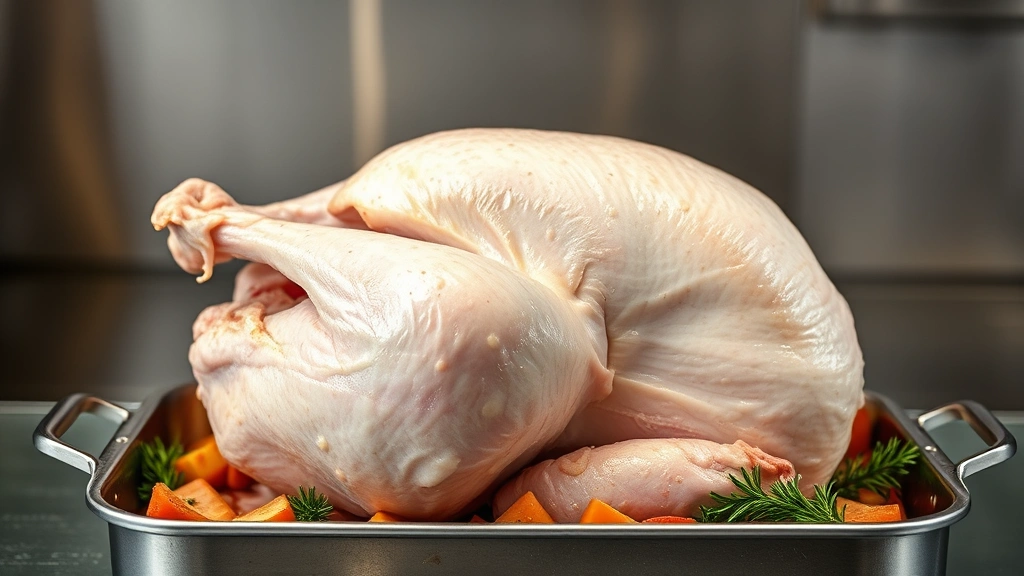
Knowing how long to defrost a turkey is crucial for food safety and meal planning during the holidays. Whether you’re prepping for Thanksgiving or Christmas dinner, understanding the proper thawing methods can mean the difference between a delicious bird and a food safety disaster. Let me walk you through everything you need to know to thaw your turkey safely and efficiently.
Table of Contents
Refrigerator Method: The Safe Choice
The refrigerator method is hands-down the safest way to thaw your turkey. This slow, cold process keeps the bird at a safe temperature throughout, preventing bacterial growth that happens when meat sits in the danger zone (40°F to 140°F). Here’s the reality: you need about 24 hours of thawing time for every 4-5 pounds of turkey.
So if you’ve got a 16-pound bird, you’re looking at roughly 3-4 days in the fridge. Plan accordingly—don’t wait until Wednesday night if you’re cooking on Thursday! The beauty of this method is that it requires zero effort on your part. Just pop that frozen turkey in a shallow pan (to catch any drips), place it on the bottom shelf of your fridge, and let time do the work.
One pro tip: use a meat thermometer to verify doneness later. This is the same approach recommended by food safety experts at major institutions.
Cold Water Method: Faster Results
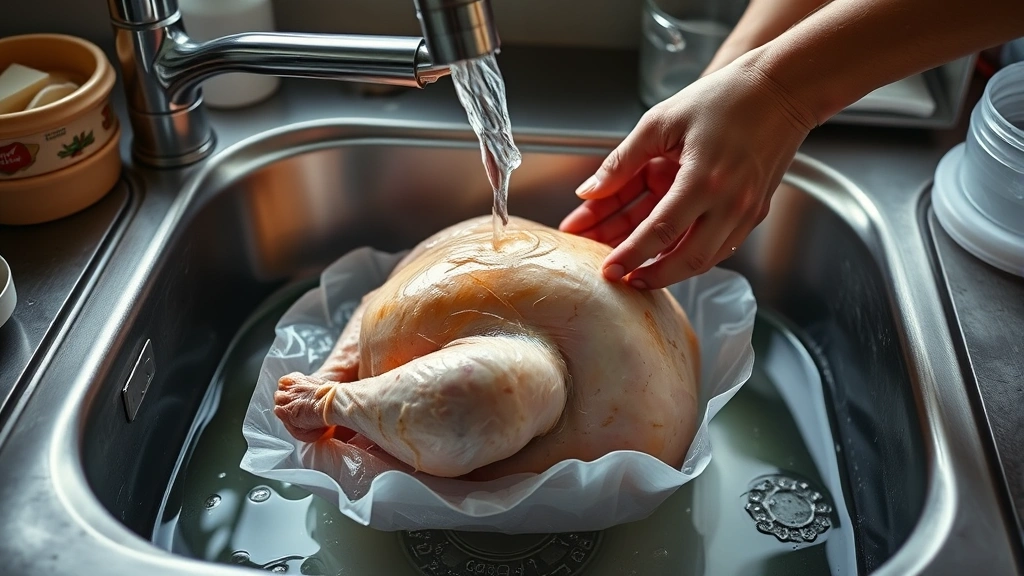
When you’re short on time, the cold water method can cut your thawing time to just 2-3 hours for a typical turkey. Fill your sink or a large cooler with cold water, submerge the turkey in its original packaging, and change the water every 30 minutes. This keeps the turkey cold enough to prevent bacterial growth while actively thawing it.
The math here is simple: allow 30 minutes of thawing time per pound. A 12-pound turkey needs about 6 hours; a 20-pounder needs roughly 10 hours. You’ll need to stay engaged with this method—those water changes are non-negotiable. The cold water prevents the outer portions from reaching unsafe temperatures while the interior thaws.
This method works great if you’re hosting a dinner party and need to get organized quickly. Just make sure your sink is clean and the turkey stays fully submerged throughout the process.
Defrost Time Calculator
Let me break down the timing for you based on weight:
Refrigerator Method (24 hours per 4-5 lbs):
8-12 lbs: 1-2 days
12-16 lbs: 2-3 days
16-20 lbs: 3-4 days
20-24 lbs: 4-5 days
24+ lbs: 5-6 days
Cold Water Method (30 minutes per lb):
8-12 lbs: 4-6 hours
12-16 lbs: 6-8 hours
16-20 lbs: 8-10 hours
20-24 lbs: 10-12 hours
24+ lbs: 12+ hours
Write these numbers down and stick them on your fridge. Seriously. I’ve seen too many holiday dinners nearly derailed because someone guessed at thawing time. Check out Grandma’s Recipe Box: Summer Potluck for complementary side dish timing if you’re planning the full meal.
Temperature Matters Most
This is where food safety gets real. The danger zone for bacterial growth is 40°F to 140°F. Your turkey needs to stay below 40°F during the entire thawing process. That’s why the refrigerator method is so reliable—your fridge maintains that temperature automatically.
With the cold water method, you’ve got to stay vigilant. If the water gets warm, bacteria can multiply rapidly on the turkey’s surface. Change that water every 30 minutes without fail. Some folks use ice to keep the water cold, which works great if you’ve got the freezer space.
Never, and I mean never, thaw a turkey on the counter at room temperature. The USDA is crystal clear on this: it’s a food poisoning waiting to happen. The outer layers reach unsafe temperatures long before the center thaws.
Common Thawing Mistakes
I’ve watched people make these errors repeatedly, and they’re all preventable:
Mistake #1: Underestimating Time Most folks think thawing takes a day or two, then panic when their turkey is still frozen solid. Use those calculators above and add an extra day just to be safe.
Mistake #2: Thawing in Warm Water This is the fastest way to grow bacteria. Warm water thaws the surface quickly while the center stays frozen, creating a perfect breeding ground for pathogens.
Mistake #3: Thawing Unwrapped If you’re using the cold water method, keep that turkey in its original packaging. It prevents contamination and keeps the meat from absorbing excess water.
Mistake #4: Refreezing Without Cooking Once thawed in the refrigerator, you can refreeze raw turkey. But if you’ve used the cold water method, you need to cook it immediately—no refreezing allowed.
Mistake #5: Ignoring the Drip Pan Thawing turkey leaks, and you don’t want that contaminating your fridge. Always use a shallow pan underneath.
Emergency Thawing Options
Sometimes life happens and you forgot about that frozen bird until the last minute. If you’ve got a few hours, the cold water method is your friend. But if you’re truly desperate, there’s one more option: thawing in the oven.
Set your oven to 70°F (the lowest temperature most ovens go), place the turkey on a roasting pan, and leave the oven door cracked open. This takes about 8 hours for a 12-pound turkey. It’s not ideal because you’re using energy and the results are less predictable, but it beats serving frozen turkey.
The microwave method exists, but I don’t recommend it for whole turkeys—it tends to cook the outer portions while the center stays frozen. If you absolutely must use a microwave, do it in small sections and cook immediately afterward.
What To Do After Thawing
Once your turkey is thawed, you’re not done planning. A thawed turkey in the refrigerator will keep for 1-2 days before cooking. Don’t let it sit longer than that—bacteria can still grow slowly at cold temperatures.
Check the inside of the turkey for ice crystals. If you find any, let it thaw a bit longer. You want it completely soft throughout. Pat it dry with paper towels before cooking—this helps with browning and crispiness.
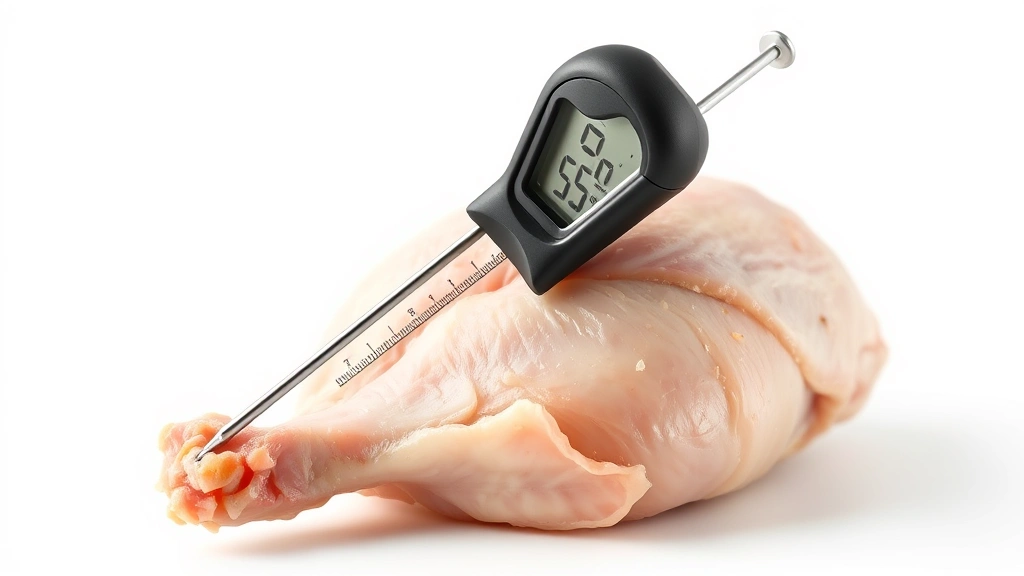
For timing your actual cooking, plan on about 13 minutes per pound at 325°F for a stuffed turkey, or 12-13 minutes per pound for an unstuffed bird. Use a meat thermometer to verify the thickest part of the thigh reaches 165°F.
Storage Safety Rules
Once thawed, treat that turkey like any other raw meat. Keep it on the bottom shelf of your fridge so drips don’t contaminate other foods. Store it in a shallow pan with sides to contain any liquid.
If you’re preparing side dishes ahead of time, check out How to Use a Pizza Stone for making ahead-friendly breads, or Beans and Greens Recipe for a make-ahead vegetable dish that pairs perfectly with turkey.
Don’t wash the raw turkey—this actually spreads bacteria around your sink. Just pat it dry when you’re ready to cook. Wash your hands, cutting boards, and utensils thoroughly after handling raw poultry.
Leftover cooked turkey keeps for 3-4 days in the fridge or up to 3 months in the freezer. Store it in airtight containers and label with the date.
Frequently Asked Questions
Can I thaw a turkey in the oven?
Yes, but it’s not ideal. Set your oven to the lowest temperature (usually 70°F), crack the door open, and allow 8+ hours for a 12-pound bird. This method uses energy and gives less predictable results than refrigerator or cold water thawing. Only use it as a last resort when you’re truly short on time.
What if my turkey is still partially frozen when I need to cook it?
You can still cook it, but add 50% more cooking time. Use a meat thermometer to ensure the thickest part of the thigh reaches 165°F. This is safe as long as you’re cooking it through completely. Just don’t partially cook it and finish later—that’s a food safety hazard.
Can I refreeze a thawed turkey?
If thawed in the refrigerator, yes—you can refreeze it. If thawed using the cold water method, you must cook it immediately. Never refreeze turkey that’s been thawed at room temperature.
How do I know when my turkey is fully thawed?
It should feel completely soft with no ice crystals inside. Check the thickest parts of the thighs and the inside cavity. A meat thermometer helps too—thawed turkey should read at least 40°F throughout.
Is it safe to thaw turkey in cold water without changing it?
No. You must change the water every 30 minutes. Stagnant water warms up and bacteria can grow. This is non-negotiable for food safety.
What’s the fastest safe way to thaw a turkey?
The cold water method is fastest—about 30 minutes per pound. But you have to stay engaged, changing water every 30 minutes. It’s worth the effort if you’re short on time.
Can I thaw turkey in the garage or basement?
Only if it stays below 40°F consistently. In winter, this might work, but it’s risky. Stick with refrigerator or cold water methods where you have temperature control.
How long can I keep a thawed turkey before cooking?
1-2 days maximum in the refrigerator. After that, bacteria growth becomes a concern even at cold temperatures. Plan your thawing so cooking happens within 48 hours of complete thawing.
Final Thoughts
Getting how long to defrost a turkey right is one of those foundational cooking skills that prevents stress and keeps your family safe. The refrigerator method takes planning but requires zero effort. The cold water method takes active involvement but saves time. Either way, you’re making a smart choice that keeps food safety front and center.
Write down your thawing timeline, set phone reminders if you need them, and don’t wing it. A frozen turkey can’t make it to the table, and a turkey thawed dangerously can make your guests sick. Both outcomes are avoidable with a little planning.
For more holiday meal inspiration, explore Aglio Olio Recipe for a pasta side dish or How to Make Caramel Popcorn for a fun appetizer while you’re waiting for that turkey to thaw. Your holiday dinner will be delicious, safe, and stress-free.


