
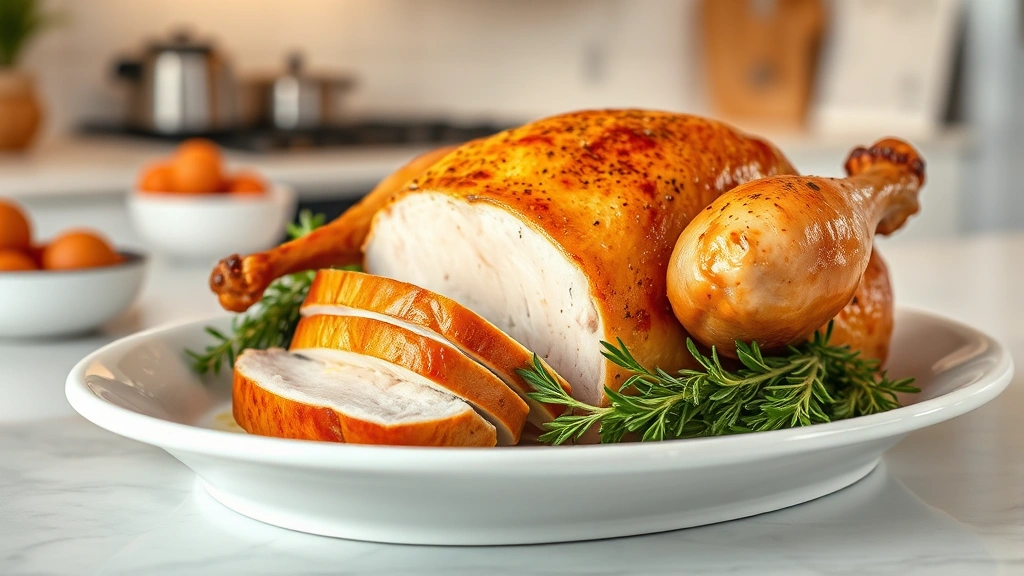
Figuring out how long to cook turkey breast in oven doesn’t have to be a guessing game that leaves you with either dry poultry or undercooked meat. Whether you’re prepping for a holiday feast or just want a protein-packed dinner, nailing the timing and temperature is what separates a mediocre turkey breast from one that’s juicy, tender, and absolutely delicious. I’ve roasted plenty of turkey breasts in my workshop kitchen, and I’m going to walk you through the exact process that works every single time.
Table of Contents
Cooking Time Basics
Here’s the straightforward answer: cook turkey breast for 20 minutes per pound at 325°F (163°C). So a 5-pound breast takes roughly 100 minutes, or about an hour and 40 minutes. For a 7-pound breast, you’re looking at 140 minutes, or just over two hours. This timing assumes you’re working with a bone-in breast, which is what most home cooks grab from the grocery store.
The key here is consistency. I always use a meat thermometer—not the pop-up kind that comes with some turkey breasts, but a good instant-read digital thermometer. It’s the difference between confidence and anxiety when you’re cooking something that costs this much money. The formula works because it accounts for the time needed for heat to penetrate the thickest part of the meat while allowing the exterior to brown nicely.
Temperature Guide
The USDA says turkey is safe to eat when it reaches 165°F (74°C) in the thickest part of the thigh, away from bone. That’s your target number. Don’t trust the color of the meat—I’ve pulled out turkey breasts that looked perfectly golden but were still undercooked in the center. The thermometer never lies.
For the oven itself, 325°F is the sweet spot. Some folks crank it to 375°F or 400°F to speed things up, and yeah, you’ll save 15-20 minutes, but you risk drying out the breast. Lower and slower wins this race. If you want to get fancy and achieve restaurant-quality browning, start at 450°F for the first 15 minutes to get a golden exterior, then drop it to 325°F for the remainder of cooking. This technique gives you the best of both worlds—crispy skin and juicy meat.
Prep and Seasoning
Before the breast hits the oven, you need to set it up for success. Pull it from the refrigerator about 30-45 minutes before cooking. Cold meat cooks unevenly. Pat it completely dry with paper towels—moisture is the enemy of browning.
Season generously inside and out. I use a simple combo of kosher salt, black pepper, garlic powder, and dried thyme. Don’t be shy. If you’re doing a bone-in breast, loosen the skin gently with your fingers and work some seasoning directly under there. You can also tuck fresh herbs like rosemary or sage under the skin for extra flavor. Brush the entire surface with melted butter or olive oil—this helps browning and keeps the meat from drying out.
Place the breast skin-side up on a roasting pan. If you have a roasting rack, use it. If not, just nestle it directly in the pan. Add about a half-inch of water or broth to the bottom of the pan. This creates steam that keeps the meat moist while the skin still browns.
Roasting Method
Once your oven hits 325°F, slide that turkey breast in and set a timer for the calculated time. For a 5-pounder, that’s 100 minutes. Don’t open the oven door constantly—every time you do, you release heat and add 5-10 minutes to the total cooking time.
About halfway through cooking, use a turkey baster or spoon to baste the breast with the pan juices. This step keeps the meat incredibly moist. If the skin is browning too quickly, tent it loosely with foil. You want golden brown, not charred.
The last 30 minutes of cooking, check your liquid level. If the pan is dry, add another quarter-cup of water or broth. This prevents the drippings from burning and gives you a base for gravy. Speaking of gravy, those browned bits in the pan are liquid gold. You’ll want to save them.
Checking Doneness
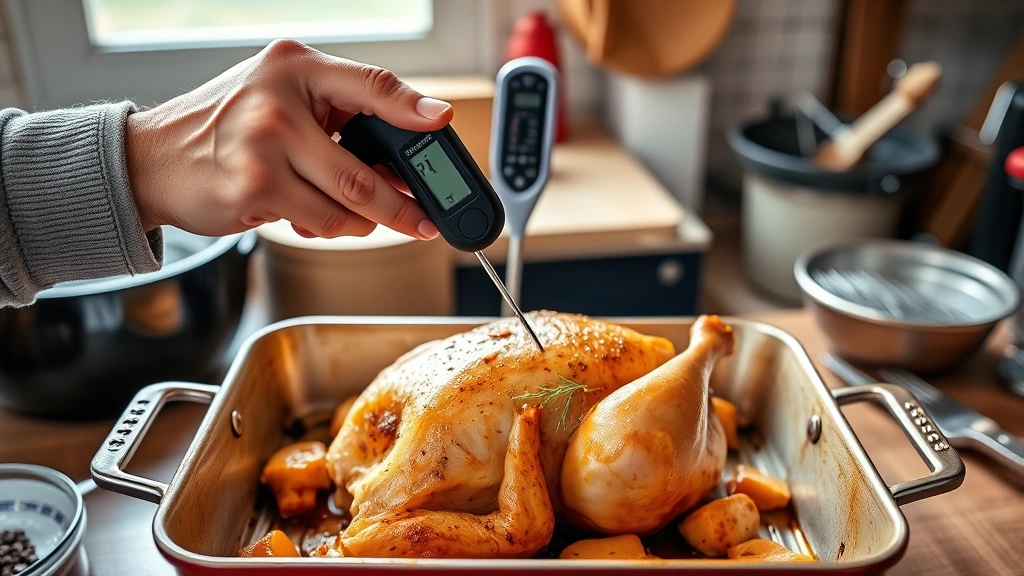
About 15 minutes before your timer goes off, grab that meat thermometer. Insert it into the thickest part of the breast, making sure it doesn’t touch bone. The reading should be 165°F (74°C) minimum. If you’re at 160°F, give it another 10 minutes and check again. Some people prefer 170°F for extra tenderness, but anything above 165°F is safe.
Pro tip: check in multiple spots. I check the thickest part of the breast, then the inside of the thigh where the breast meets the leg. If both read 165°F or higher, you’re golden. This is especially important if your turkey breast is an odd shape or size.
Resting Period
This step is non-negotiable if you want juicy meat. When you pull that breast from the oven, tent it loosely with foil and let it rest for 15-20 minutes. During cooking, the heat pushes all the juices toward the center of the meat. Resting allows those juices to redistribute throughout. If you slice immediately, all those juices run out onto the cutting board instead of staying in your turkey.
While it rests, you can make your gravy using those pan drippings. Heat the pan on the stovetop over medium heat, whisk in a couple tablespoons of flour or cornstarch mixed with cold water, and simmer for 5 minutes until it thickens. Taste and adjust seasoning. You’ll have restaurant-quality gravy without any extra work.
Troubleshooting Tips
Dry meat usually means overcooking. If you consistently end up with dried-out turkey, try reducing the oven temperature to 300°F and adding 10 minutes per pound. The slower cook gives the interior time to reach temperature before the exterior dries out. You could also try brining the breast for 8-12 hours before cooking—this changes the muscle structure to retain more moisture. A simple brine is just salt, sugar, and water.
If the skin isn’t browning enough, increase the oven temperature to 350°F for the last 15-20 minutes. The higher heat will darken the skin without overcooking the meat since it’s already near temperature.
Uneven cooking happens when the breast is thicker on one end. You can pound it gently with a meat mallet to even it out before cooking, or just rotate the pan halfway through roasting so the thicker end spends more time closer to the heating element.
Storage and Leftovers
Cooked turkey breast keeps in the refrigerator for 3-4 days in an airtight container. Slice it while it’s still warm for easier cutting, then store it with any pan juices or gravy. This keeps it moist as it cools. You can also freeze sliced turkey breast for up to 2-3 months. Wrap it tightly in plastic wrap and then foil to prevent freezer burn.
Leftover turkey is perfect for sandwiches, salads, soups, or that almond flour tortilla recipe if you’re going low-carb. It’s also fantastic shredded and mixed into a creamy pasta or used as a protein boost in stir-fries.
Frequently Asked Questions
Can I cook turkey breast at a higher temperature to save time?
Yes, you can cook at 375°F or even 400°F, but you’ll need to reduce the time to about 15-17 minutes per pound instead of 20. The tradeoff is less browning and a higher risk of drying out the meat. If you go this route, use a meat thermometer religiously and watch closely during the last 20 minutes.
What’s the difference between bone-in and boneless turkey breast?
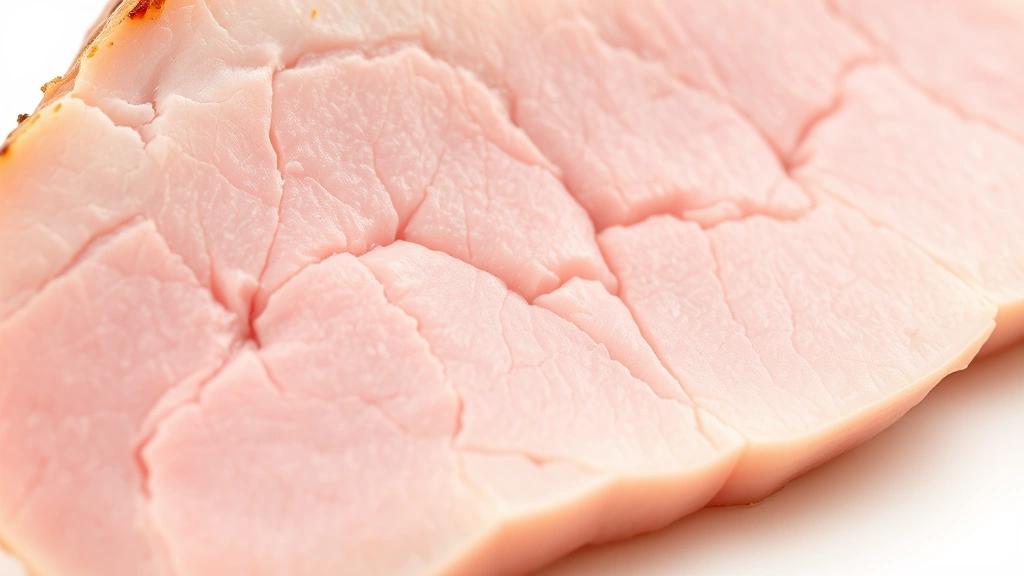
Bone-in breasts take the full 20 minutes per pound. Boneless breasts cook faster—about 15-18 minutes per pound—because heat penetrates more evenly. The bone acts as an insulator, so it takes longer for the center to cook. Always use a thermometer regardless of type.
Should I cover the turkey breast with foil while cooking?
Only if the skin is browning too quickly. Most of the time, you don’t need to cover it. If you do tent it with foil, remove it during the last 15-20 minutes so the skin can crisp up and brown properly.
Can I cook a frozen turkey breast without thawing?
Technically yes, but it’ll take about 50% longer—roughly 30 minutes per pound at 325°F. I don’t recommend this because it’s harder to cook evenly. Thaw it in the refrigerator for 24 hours first if you have the time.
Why is my turkey breast tough and stringy?
Overcooking causes this. Turkey breast has less fat than dark meat, so it dries out faster. Stick to 165°F-170°F maximum, and make sure you’re resting it properly. Brining also helps tremendously if you’re consistently having texture issues.
Can I use a slow cooker instead of the oven?
You can, but the skin won’t brown. Cook on high for 4-5 hours or low for 8-10 hours depending on size. It’s convenient but won’t give you that beautiful golden exterior that makes turkey special.
Final Thoughts
Cooking turkey breast in the oven is straightforward once you know the formula: 20 minutes per pound at 325°F, check with a meat thermometer for 165°F doneness, and rest it before slicing. That’s the core technique that works every time. Everything else—the seasoning, the basting, the resting—just makes it better.
The biggest mistake people make is rushing. Don’t crank the heat trying to save 20 minutes. That’s how you end up with something that looks great but tastes like cardboard. Low and slow is your friend here. Use a good meat thermometer, trust the process, and you’ll have turkey breast that’s golden, juicy, and absolutely worth the effort. Whether you’re steaming crab legs for a seafood night or roasting turkey for a special meal, timing and temperature are everything in the kitchen.
For more detailed USDA food safety guidelines on poultry cooking, check out foodsafety.gov. Family Handyman also has great kitchen preparation guides, and Bob Vila offers excellent cooking technique articles that complement what we’ve covered here.


