
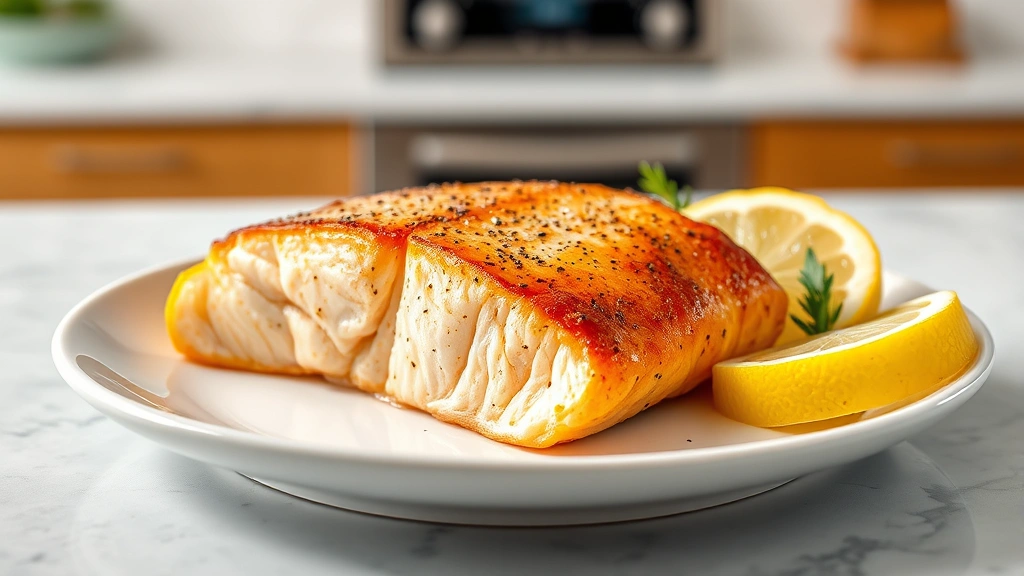
Getting the timing right when you’re learning how long to cook salmon at 375 degrees is the difference between a moist, flaky fillet and a dry, rubbery disappointment. I’ve spent years in the kitchen figuring out the exact formula, and I’m going to walk you through it like we’re standing at the stove together. The good news? It’s simpler than you think, and once you nail this technique, you’ll be making restaurant-quality salmon at home without breaking a sweat.
Table of Contents
Cooking Time Guide
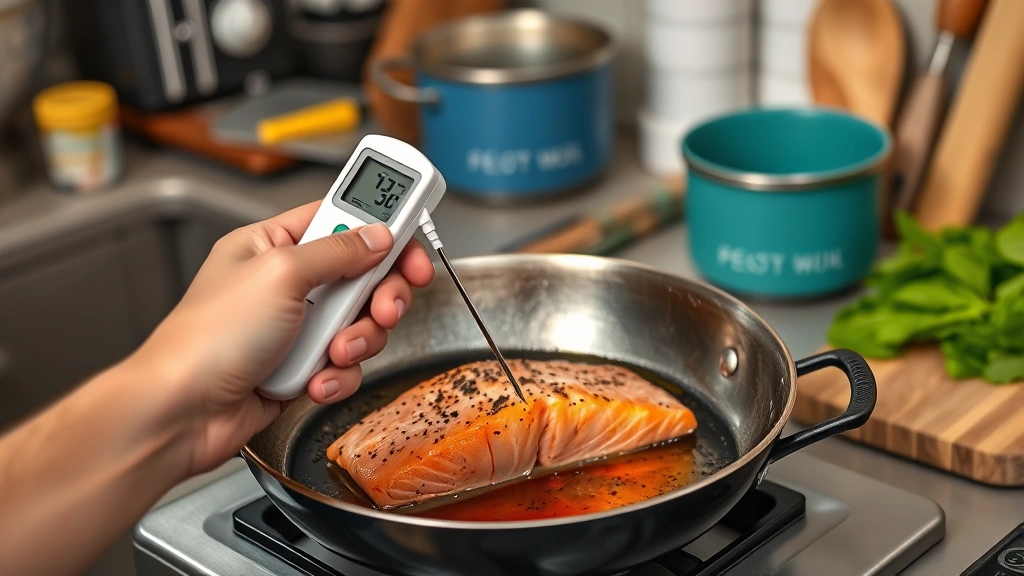
Here’s the baseline: at 375°F, you’re looking at 12 to 15 minutes for a standard 1-inch thick salmon fillet. But that number shifts depending on a few variables. If you’ve got a thicker cut—say 1.5 inches—add another 3 to 5 minutes. A thinner fillet, closer to 3/4 inch, might be done in just 10 to 12 minutes. The key is that internal temperature sweet spot: 145°F, which is the USDA standard for safe salmon consumption.
I always use an instant-read thermometer for this. Stick it horizontally into the thickest part of the fillet, and you’ll get an accurate reading in seconds. No guessing, no cutting into the fish and drying it out. That’s the pro move right there.
Thickness Matters Most
Salmon thickness is the single biggest factor affecting cooking time. Most grocery store fillets run between 3/4 and 1.5 inches thick, and that variation means everything. A thin fillet can go from perfect to overdone in about 60 seconds, while a thick steak-cut piece needs patience and careful monitoring.
Before you put anything in the oven, measure your salmon with a ruler or your finger. If you’re buying from a butcher counter, ask them to cut fillets to a consistent thickness—usually around 1 inch is ideal for even cooking. When thickness is uniform across the entire fillet, you eliminate hot spots and cold spots.
Prep Your Salmon Right
Your prep work makes or breaks this dish. Start by patting your salmon completely dry with paper towels. Moisture on the surface steams the fish instead of letting it cook properly. This is non-negotiable if you want that nice, slightly caramelized exterior.
Next, check for pin bones—those little needle-like bones running down the center of the fillet. You can feel them with your fingertip. Grab a pair of tweezers or needle-nose pliers and pull them out at a slight angle. It takes 30 seconds and makes eating the fish infinitely better. Then, bring your salmon out of the fridge 15 minutes before cooking. Cold fish straight from the refrigerator won’t cook evenly. Room temperature salmon cooks more consistently throughout.
Seasoning Strategy
Don’t overthink this. Salmon is a fatty fish with incredible flavor on its own. All you really need is salt, pepper, and maybe a squeeze of lemon. Season both sides generously about 10 minutes before cooking—this gives the salt time to penetrate the flesh and enhance the natural flavors.
If you want to get fancy, add a light brush of olive oil, some fresh dill, or a sprinkle of garlic powder. A thin lemon slice on top during cooking adds moisture and brightness. But honestly, salt and pepper are all you need. The fish should be the star, not the seasoning.
Checking for Doneness
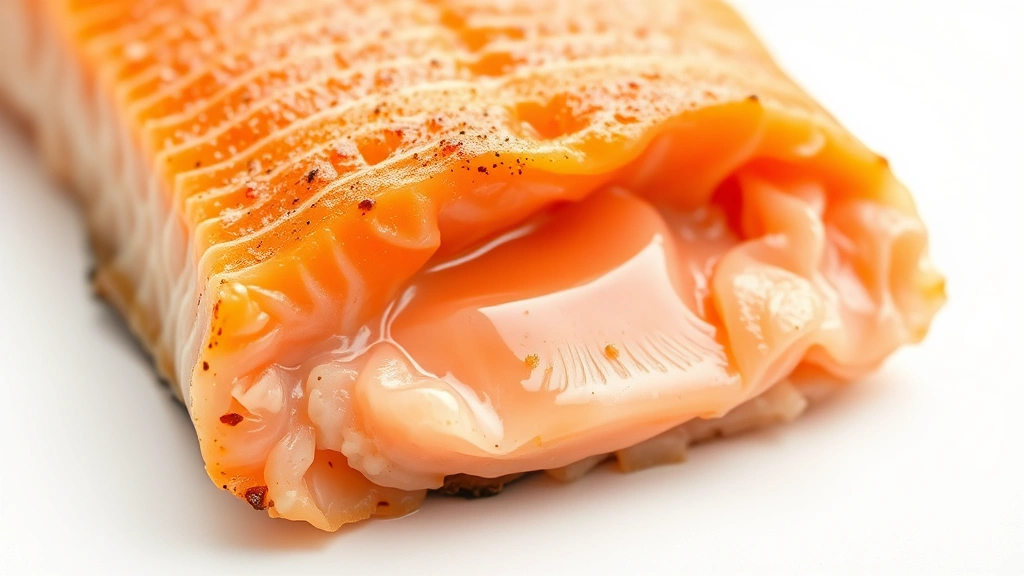
The thermometer is your best friend here, but if you don’t have one, look for visual cues. Cooked salmon should be opaque throughout with a slight pink center—not translucent. The flesh should flake easily when you press it with a fork, but it shouldn’t fall apart into mush.
Another trick: the salmon will start to release a white protein (albumin) when it’s nearly done. You’ll see little white beads on the surface. That’s your cue that you’re in the home stretch. Check the temperature at this point, and you should be right at or very close to 145°F.
Common Mistakes to Avoid
The biggest mistake I see is cooking salmon straight from the fridge. That temperature shock means the outside cooks way faster than the inside. You end up with an overcooked exterior and an undercooked center—the worst of both worlds.
Second mistake: not drying the fish properly. Moisture on the surface creates steam, which prevents browning and traps moisture inside in a bad way. Third: opening the oven door constantly to check on it. Every time you open that door, heat escapes and cooking time extends unpredictably. Set a timer, trust the process, and check once at the minimum time.
Pan vs Sheet Pan
You’ve got options here. A sheet pan with parchment paper is the easiest route—minimal cleanup, and the parchment prevents sticking. Just place your prepped salmon skin-side down (if it has skin), and you’re ready to go. The skin side actually protects the delicate flesh from drying out.
If you prefer a skillet, use an oven-safe one—cast iron or stainless steel work great. Start it on the stovetop over medium-high heat with a bit of oil. Get a quick sear on the skin side (about 2 minutes), then transfer the whole pan to the oven. That sear creates a flavor barrier and helps the fish cook more evenly. Both methods work; it’s about what you’re comfortable with.
Why Resting Matters
Here’s something most home cooks skip: let your salmon rest for 3 to 5 minutes after it comes out of the oven. This isn’t just for steak. The residual heat continues to gently cook the interior, and the juices redistribute throughout the fillet instead of running all over your plate.
Tent it loosely with foil to keep it warm. This short rest period is the difference between salmon that’s juicy and tender versus salmon that’s technically cooked but somehow still feels dry. It’s a small step that elevates the whole dish.
Frequently Asked Questions
Can I cook frozen salmon at 375?
Yes, but add about 50% more time. Frozen salmon needs roughly 18 to 22 minutes at 375°F. I’d recommend thawing it in the fridge overnight if you have the time—it cooks more evenly and tastes better. If you’re short on time, use the cold water method: seal the frozen fillet in a bag and submerge it in cold water for 30 minutes to an hour, changing the water every 15 minutes.
What if my salmon is really thick?
If you’ve got a salmon steak or a particularly thick fillet over 1.5 inches, you might need 18 to 20 minutes. The safest approach is always the thermometer. Don’t rely on time alone for thick cuts. You can also lower the temperature to 350°F and cook longer—this gives the interior more time to cook before the exterior overdoes.
Should I cover the salmon while cooking?
Not usually. An uncovered fillet cooks more evenly and develops better texture. The only exception is if you notice the top browning too quickly before the inside is done—then you can loosely tent with foil for the last few minutes. But start uncovered.
Is 145°F really the right temperature?
That’s the USDA standard for food safety. Some people prefer salmon slightly less done (140°F), and honestly, it’s safe at that temperature too if the fish is fresh and from a reputable source. But 145°F is the guaranteed safe zone. It’s also the point where the salmon is moist but fully cooked—not rubbery, not undercooked.
Can I cook salmon with other vegetables?
Absolutely. Sheet pan meals are perfect for this. If you’re doing healthy potato recipes alongside your salmon, toss some potatoes with oil and seasoning, spread them on the pan, and roast them at 375°F for about 20 minutes before adding the salmon. That way, everything finishes together. Asparagus, broccoli, and green beans work great too—add them in the last 12 to 15 minutes so they don’t overcook.
What’s the best way to season salmon?
Keep it simple: salt, pepper, and a squeeze of lemon juice. If you want more flavor, add fresh dill, garlic powder, or a light brush of honey mustard. Avoid heavy, wet marinades—they prevent the fish from cooking properly and can make the flesh mushy. Dry seasonings and light oils are your friends here.
Can I use this timing for salmon fillets with skin on?
Yes, the timing stays the same. Skin-on fillets actually cook slightly better because the skin protects the delicate flesh underneath. Place them skin-side down on your pan or sheet, and the skin acts as an insulator. It also gets crispy and delicious—don’t skip it.
Final Thoughts
Cooking how long to cook salmon at 375 is genuinely one of the easiest proteins to master once you understand the fundamentals. Bring it to room temperature, dry it thoroughly, season simply, use a thermometer, and let it rest. Those five steps are your foundation for perfect salmon every single time.
The beauty of this temperature is that it’s forgiving enough for beginners but precise enough for someone who cooks regularly. You’re not dealing with the high-heat intensity of a sear, and you’re not waiting around for low-and-slow cooking. It’s the Goldilocks zone of salmon preparation.
Try this method once, and you’ll have the confidence to cook salmon whenever you want. Pair it with healthy Instant Pot recipes for quick side dishes, or build a whole meal around it using best Dutch oven recipes for roasted vegetables. For more timing guidance on other proteins, check out our guides on how long to cook a spiral ham and how long to boil crab legs. Once you’ve got salmon down, you’ll be the person everyone asks for cooking advice.


