
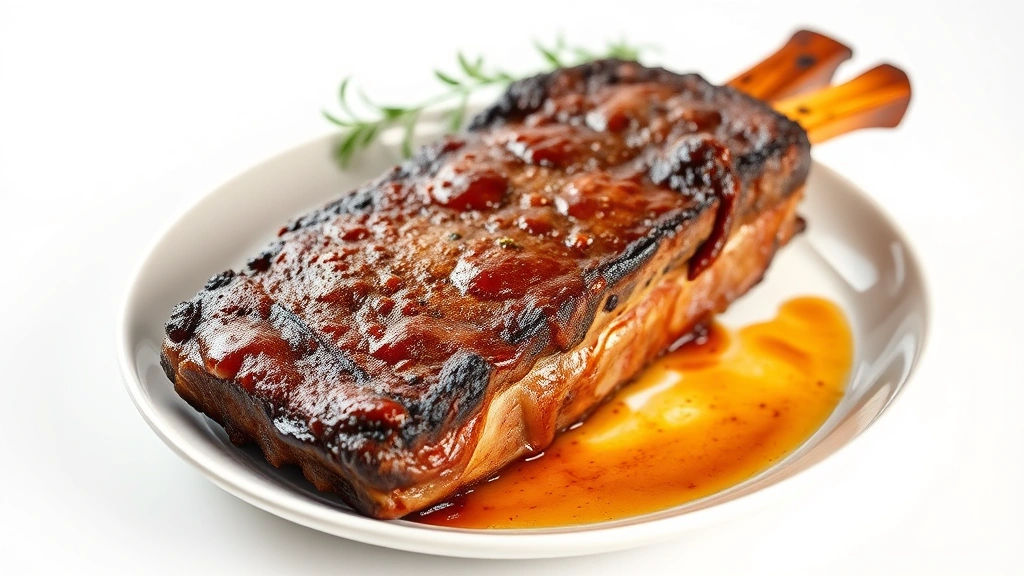
Learning how long to cook ribs in oven is one of those game-changing skills that’ll make you the hero of dinner night. Forget the myth that great ribs require hours of smoking or grilling—you can nail fall-off-the-bone ribs in your kitchen oven in about 2.5 to 3 hours, and I’m going to walk you through exactly how to do it.
Table of Contents
Choosing Your Rib Type
Before we talk timing, let’s get specific about what you’re working with. Baby back ribs (the smaller ones from the rib cage) typically need about 2.5 to 3 hours at 275°F. Spare ribs, which are larger and meatier, need closer to 3 to 3.5 hours. St. Louis-style ribs (trimmed spare ribs) fall somewhere in the middle at about 2.5 to 3 hours. Beef short ribs are the heavyweight champion—plan on 3 to 4 hours depending on thickness.
The difference matters because bone density and meat thickness vary. Thicker cuts need more time for collagen to break down into gelatin, which is what gives you that tender, juicy texture. When you’re shopping, ask your butcher about the specific cut—they’ll steer you right and might even trim them how you prefer.
Prep Work Matters Most
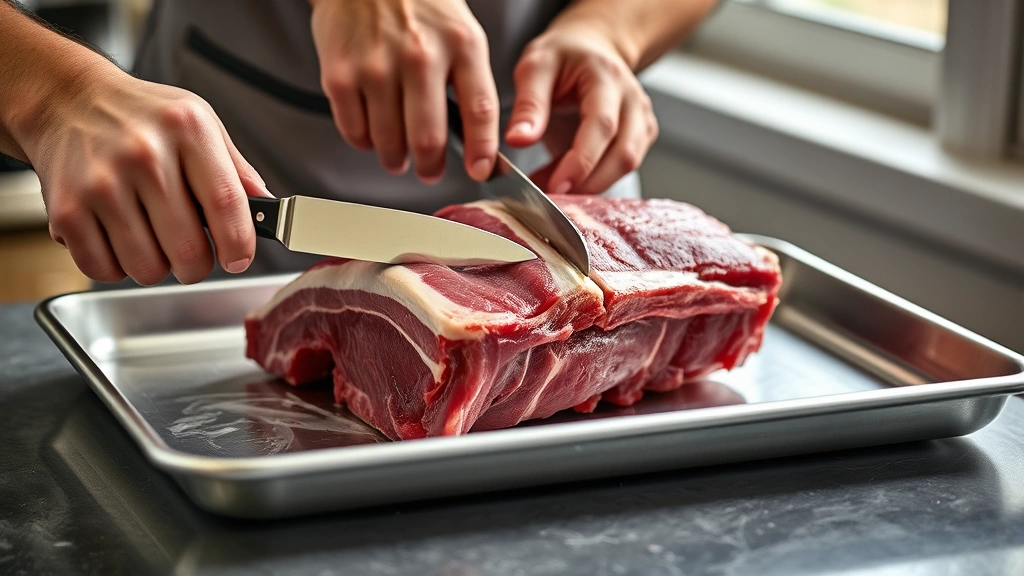
Here’s where most people slip up: they rush the prep. Start by removing the membrane from the back of the ribs. Flip them over, slide a butter knife under the thin silver skin, and peel it off. This isn’t optional—it prevents seasoning from penetrating and traps steam. Takes 30 seconds and makes a huge difference.
Next, trim any excess fat, but leave a quarter-inch layer. That fat renders during cooking and keeps everything moist. Pat the ribs completely dry with paper towels. Moisture is the enemy of good browning and seasoning adhesion. If you have time, let them sit uncovered in the fridge for a few hours or overnight. This dries the surface further and helps the pellicle form—that tacky layer that holds seasoning like glue.
Temperature and Timing
The magic number for oven-cooked ribs is 275°F. This is hot enough to render fat and break down collagen without drying out the meat. Here’s the breakdown:
- Baby Back Ribs: 2.5 to 3 hours at 275°F
- Spare Ribs: 3 to 3.5 hours at 275°F
- St. Louis Style: 2.5 to 3 hours at 275°F
- Beef Short Ribs: 3 to 4 hours at 275°F
If you want faster results, bump the temp to 300°F and subtract about 20-30 minutes. If you prefer an even slower cook, 250°F works beautifully—just add another 30-45 minutes. The lower the temp, the more tender the result, but you’re trading time for texture.
The Low-and-Slow Method
Preheat your oven to 275°F. While it heats, season your ribs generously on both sides. Use a dry rub—brown sugar, paprika, garlic powder, onion powder, salt, pepper, and a pinch of cayenne if you like heat. Don’t be shy. The seasoning creates a flavorful crust called the bark.
Line a large baking sheet with foil for easy cleanup. Lay the ribs meat-side up on the sheet. If they’re long, you can bend them slightly to fit. Cover the entire pan tightly with foil—this traps steam and moisture, which is exactly what you want for that tender result. Slide it into the oven.
Set a timer for 2 hours. When it goes off, carefully remove the foil (watch for steam), flip the ribs, and re-cover. This ensures even cooking and browning on both sides. Check your best fall recipes for side dishes while you wait.
Seasoning and Sauce Application
About 30 minutes before the ribs are done, remove the foil and brush on your sauce if you’re using one. This is where garlic butter sauce recipe techniques come in handy—you can apply a homemade glaze for extra depth. Return them uncovered to finish caramelizing the sauce.
If you’re not using sauce, the dry rub is plenty. The rendered fat and meat juices create their own glaze. Some folks do a hybrid approach: cook dry, then finish with sauce in the last 15 minutes. This gives you bark, moisture, and caramelized glaze all at once.
Pro tip: make your sauce in advance. Most barbecue sauces benefit from sitting overnight—the flavors meld and deepen. You’re just warming and applying it, not creating it on the fly.
Testing for Perfect Doneness
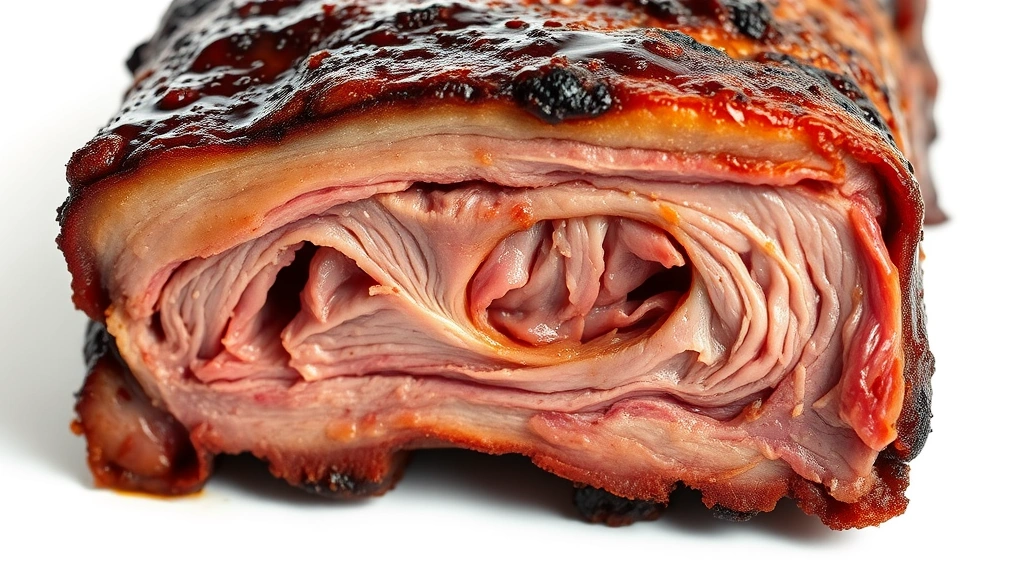
The bend test is your friend. Grab a rib with tongs and bend it. When it’s done, the meat should bend easily and nearly break apart, but the bone should still be intact. If it’s completely floppy, you’ve gone a bit too far, but it’s still delicious.
The toothpick test works too: a sharp knife or toothpick should slide through the meat with almost no resistance. Internal temp should hit 190-203°F when you probe the thickest part of the meat (not touching bone). That temperature range is where collagen has fully converted to gelatin.
Don’t rely solely on time. Every oven runs different, and rib thickness varies. Use time as a guide, but trust the physical tests. You’re looking for that sweet spot between tender and not falling apart.
Resting and Serving
This step gets skipped too often. Remove the ribs from the oven and let them rest for 10 minutes loosely tented with foil. This allows the muscle fibers to relax and reabsorb juices. You’ll cut into them and find them juicier than if you slice immediately.
Cut between the bones with a sharp knife. Serve with coleslaw, dinner recipes for picky eaters sides like baked beans, or a fresh harvest bowl recipe for balance. Leftover ribs keep in the fridge for up to four days and reheat beautifully wrapped in foil at 300°F for about 15 minutes.
Common Mistakes to Avoid
Not removing the membrane is mistake number one—you’ll get chewy, tough texture. Skipping the foil cover means dry ribs. Too high a temperature (above 325°F) dries out the meat faster than collagen breaks down. Too much sauce applied too early burns and tastes bitter.
Opening the oven door constantly kills your heat and extends cooking time. Trust your timer. Using ribs straight from the package without patting dry prevents proper seasoning adhesion and browning. Not testing for doneness and just going by time leads to either undercooked or mushy ribs.
One more: flipping too many times or too early. Flip once halfway through. That’s it. You’re not cooking a steak—you’re low-and-slow rendering fat and breaking down collagen. Constant flipping interrupts that process.
Frequently Asked Questions
Can I cook ribs at 250°F instead of 275°F?
Absolutely. You’ll get even more tender results, but add 45 minutes to an hour to your cooking time. The lower the temperature, the more time collagen needs to convert to gelatin. It’s worth it if you have the time.
Should I wrap ribs in foil the entire time?
Wrapping for the first two hours traps steam and keeps them moist. Unwrapping for the final 30-45 minutes lets the exterior dry out slightly and allows sauce to caramelize or bark to form. This hybrid approach gives you the best of both worlds.
What’s the difference between ribs that are “done” and ribs that are “fall-off-the-bone”?
“Done” means the meat is tender and pulls from the bone easily but the bone is still firmly attached. “Fall-off-the-bone” means the meat literally separates without effort. Both are delicious—it’s preference. Baby backs tend toward fall-off-the-bone faster; spare ribs stay firmer longer.
Can I cook ribs at a higher temperature to save time?
You can, but you sacrifice tenderness. At 325°F, you’re looking at about 1.5 to 2 hours, but the meat won’t be as tender. At 350°F, it’s even faster but starts getting tough. Stick with 275-300°F for best results. Patience pays off.
Do I need a meat thermometer?
It helps, but it’s not essential. The bend and toothpick tests work great. If you do use one, aim for 190-203°F in the thickest part of the meat, not touching bone. Instant-read thermometers are cheap and take the guesswork out.
Can I cook ribs covered the entire time?
Yes, but you won’t get any bark or caramelization on the surface. The meat will be incredibly tender and moist, but it’ll look pale and steamed. Most people prefer uncovering for the last 30-45 minutes to develop color and texture.
The Bottom Line
Mastering how long to cook ribs in oven comes down to three things: remove that membrane, keep them covered for most of the cook, and trust the physical tests over the clock. Aim for 2.5 to 3 hours at 275°F for most rib types, flip halfway through, and finish uncovered if you want sauce or bark. The result will be restaurant-quality ribs that’ll make everyone ask for your secret. Spoiler alert: there’s no secret. Just low heat, time, and paying attention to what the meat is telling you. You’ve got this.


