
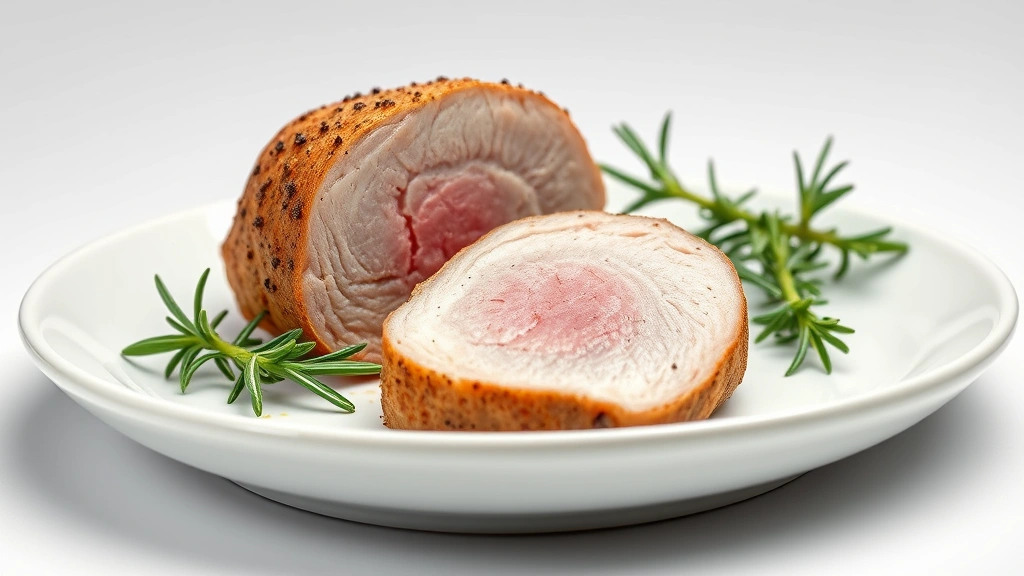
Learning how long to cook pork tenderloin is one of those kitchen skills that separates a dry, rubbery disaster from a tender, juicy masterpiece. The good news? It’s way simpler than most people think, and once you nail the timing and temperature, you’ll be cranking out restaurant-quality pork tenderloin at home like a pro.
Table of Contents
Cooking Time Basics
Here’s the straight answer: pork tenderloin cooking time typically ranges from 20 to 30 minutes in a 425°F oven, depending on the size of your cut. A standard 1-pound tenderloin usually hits the sweet spot in about 20-25 minutes, while a hefty 2-pound cut might need closer to 30-35 minutes. The key isn’t just the clock though—it’s hitting that perfect internal temperature of 145°F, which the USDA now recommends for food safety.
The reason pork tenderloin is so forgiving compared to other cuts is its shape and muscle structure. It’s lean, uniform, and cooks evenly when you treat it right. Unlike a thick steak, you don’t have to worry about a cold center and overcooked edges. Just watch your temperature, and you’re golden.
Temperature Matters Most
Forget the old myth about cooking pork until it’s gray. Modern pork is safe at 145°F with a three-minute rest. That’s medium doneness, and it’ll still be pink in the center—exactly what you want. Overcooked pork tenderloin becomes dry and loses all its charm.
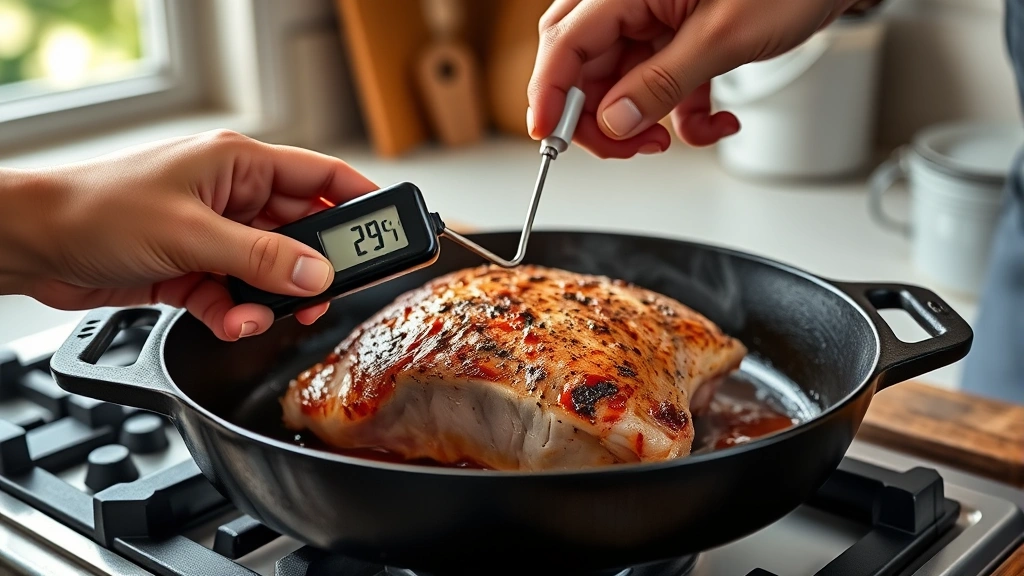
Use a reliable meat thermometer. Seriously. It’s the difference between nailing it and guessing. Insert the probe into the thickest part of the meat without touching bone, and you’ve got your answer. No thermometer? You’re flying blind, and that’s how mistakes happen. Grab a decent instant-read thermometer—they’re cheap and worth every penny. If you’re planning multiple cooking projects, check out our guide on how to unfreeze chicken for other protein prep tips.
Oven Roasting Method
This is the most reliable way to cook pork tenderloin, and it’s dead simple. Start by patting your tenderloin dry with paper towels—moisture is the enemy of browning. Season generously with salt and pepper (or your favorite rub) about 15 minutes before cooking. This lets the seasoning penetrate the meat.
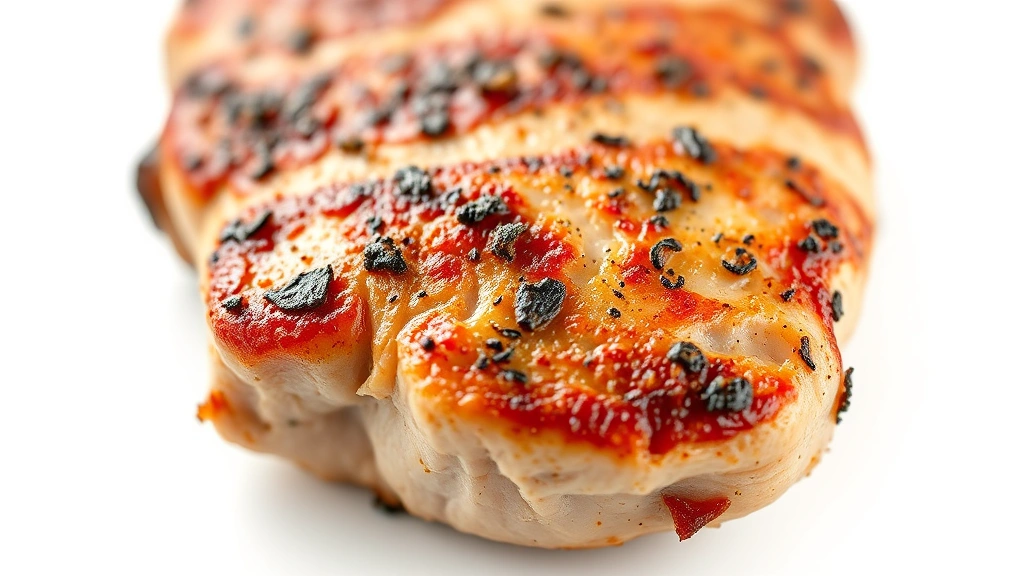
Heat your oven to 425°F. Sear the tenderloin in a hot oven-safe skillet with a bit of oil for 2-3 minutes per side until you’ve got a nice golden crust. Transfer the whole skillet to the oven and roast until your thermometer reads 145°F. Total oven time is usually 15-20 minutes depending on thickness. The initial sear locks in flavor and creates that restaurant-quality crust everyone loves.
Pan-Searing Technique
If you want maximum crust and control, do the entire job on the stovetop. Get your cast iron or heavy stainless steel skillet screaming hot—we’re talking until a drop of water dances across it. Pat your tenderloin completely dry, season it, then sear for 3-4 minutes per side over medium-high heat.
Once you’ve got a beautiful brown crust on all sides, reduce heat to medium and continue cooking, turning occasionally, until you hit 145°F internal temperature. This method takes about 15-20 minutes total and gives you more control than oven roasting. You’ll also develop fond on the bottom of the pan—that’s liquid gold for making a quick pan sauce.
Grilling Pork Tenderloin
Grilling is fantastic for pork tenderloin if you’ve got the heat dialed in. Preheat your grill to medium-high (around 400°F). Sear the tenderloin directly over the heat for 2-3 minutes per side to get color, then move it to indirect heat (the cooler side of the grill) to finish cooking through.
Total grilling time is usually 20-25 minutes. The indirect heat method prevents the outside from burning while the inside stays cold. Keep your lid closed during the indirect cooking phase, and check temperature frequently. The grill adds a smoky dimension that’s hard to beat, especially if you’re throwing together some campfire recipes or outdoor cooking projects.
The Resting Period
This step separates amateurs from people who actually know what they’re doing. Once your pork tenderloin hits 145°F, pull it off heat and let it rest for at least 5 minutes, ideally 10. Tent it loosely with foil if you want to keep it warm. During rest, carryover cooking brings the temperature up a few degrees while the muscle fibers relax and reabsorb moisture.
If you skip the rest and cut into it immediately, all those delicious juices run out onto the plate instead of staying in the meat. Your pork will be dry and disappointing. The rest is non-negotiable. Use those minutes to make a sauce, set the table, or grab a drink.
Checking for Doneness
The meat thermometer is your primary tool, but you can also use the touch method if you’ve got experience. Press the meat with your finger—it should feel firm but still have a slight give, similar to the fleshy part of your palm when you touch your thumb to your middle finger. This takes practice though, so stick with the thermometer if you’re not confident.
Another visual cue: when you slice into the meat, there should be just a hint of pink in the very center. It should look moist, not dry. If it’s gray throughout, you’ve overcooked it. If it’s still raw-looking in the center, you need more time. The color should be pale pink with clear juices.
Common Cooking Mistakes
The biggest mistake people make is cooking pork tenderloin too long because they’re paranoid about food safety. Modern pork is safe at 145°F. Cook it longer and you’re just punishing yourself with dry meat. Another common error is not letting the meat come to room temperature before cooking. Cold meat cooks unevenly, so take it out of the fridge 20-30 minutes before you start.
Skipping the sear is another rookie move. That golden crust isn’t just pretty—it’s flavor. Don’t put cold meat straight into a medium oven expecting results. You need that initial high heat to develop color and taste. Also, resist the urge to keep checking on it. Every time you open the oven or poke the meat, you’re disrupting the cooking process and losing heat. Trust your thermometer and leave it alone.
Seasoning and Flavor
Pork tenderloin is lean and mild, so it needs seasoning to shine. Salt and pepper are the baseline, but don’t stop there. A simple dry rub with garlic powder, smoked paprika, and a touch of cayenne works beautifully. Rosemary and thyme are classic pairings if you want an herb-forward flavor. Apply your seasoning 15 minutes before cooking so it has time to penetrate.
For a quick pan sauce, use the fond left in your skillet after searing. Deglaze with a splash of chicken broth or white wine, add a knob of butter, maybe some fresh herbs, and you’ve got something special. If you’re looking for more creative approaches to protein preparation, check out our budae jjigae recipe for international flavor inspiration, or explore butter beans recipe for complementary side dishes.
Frequently Asked Questions
How long does pork tenderloin take to cook at 375°F?
At a lower temperature like 375°F, expect 30-40 minutes for a standard 1-pound tenderloin. The lower heat means longer cooking time, but you’ll get a gentler cook with less risk of overcooking the outside while the inside catches up. You still need to hit 145°F internal temperature.
Can you cook pork tenderloin in a slow cooker?
Yes, but it’s not ideal. Slow cookers excel at tough cuts that need time to break down. Pork tenderloin is already tender, so slow cooking just dries it out. If you must use a slow cooker, wrap the tenderloin in foil and cook on low for 2-3 hours, but honestly, the stovetop or oven methods are far superior.
What’s the difference between pork tenderloin and pork loin?
Huge difference. Pork tenderloin is a small, lean, tender cut that cooks in 20-30 minutes. Pork loin is a larger, less tender cut that needs 25-35 minutes per pound. Tenderloin is the premium, quick-cooking cut. Loin is more economical but requires longer cooking and benefits from slower methods.
Is it safe to eat slightly pink pork?
Yes. The USDA updated guidelines to allow 145°F as safe for whole cuts of pork, which results in a slight pink color in the center. This is safe because bacteria live on the surface, not throughout the meat (unlike ground pork). A meat thermometer is your guarantee of safety.
How do you prevent pork tenderloin from drying out?
Don’t overcook it. Seriously, that’s 90% of it. The other 10% is letting it rest after cooking and not cutting into it immediately. Keep your target temperature at 145°F, use a thermometer, and rest for at least 5 minutes. Those three things will give you juicy, perfect pork every time.
Can you cook frozen pork tenderloin?
Not recommended. Cook from thawed for even, predictable results. Frozen meat cooks unevenly—the outside can overcook while the inside is still cold. Plan ahead and thaw in the refrigerator overnight, or use cold water thawing if you’re in a pinch. For detailed thawing techniques, check out our guide on how long does caulk take to dry for patience-based timing tips applicable to many kitchen tasks.
Final Thoughts
Mastering how long to cook pork tenderloin comes down to three things: hit 145°F internal temperature, don’t skip the rest, and trust your thermometer more than the clock. Every oven is different, every cut varies slightly in thickness, and every grill has hot spots. The thermometer is your only reliable guide.
Start with the oven roasting method if you’re new to cooking pork tenderloin. It’s forgiving, consistent, and hard to mess up once you understand the timing. Sear, roast, check temperature, rest, and slice. That’s it. Within a few tries, you’ll be nailing it every single time, and people will start asking you for your secret. The secret is just paying attention and not overthinking it.


