
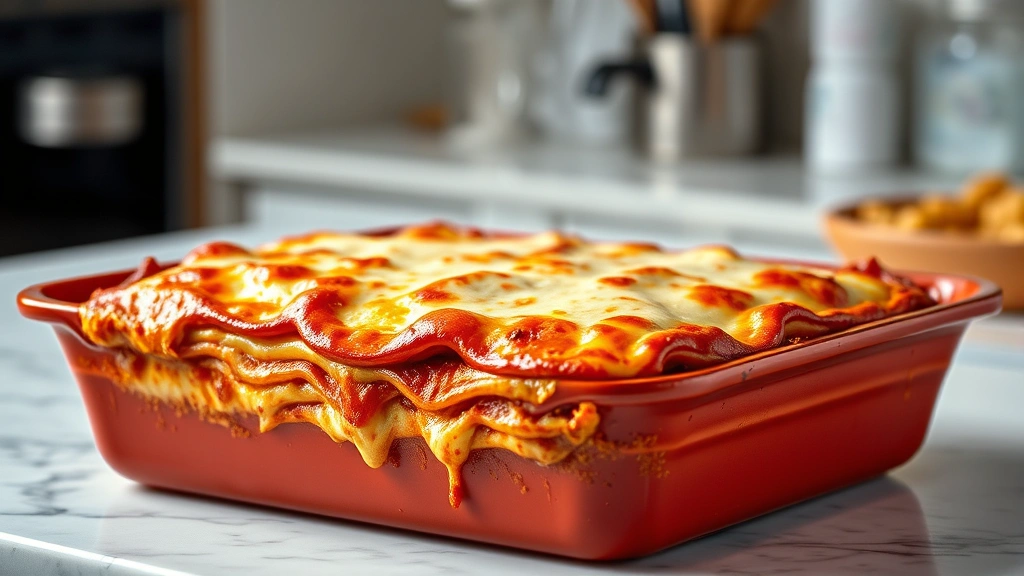
Figuring out how long to cook lasagna is one of those kitchen skills that separates a mushy mess from restaurant-quality results. The truth? It’s not just about throwing it in the oven and hoping for the best. Timing, temperature, and a few pro tricks will get you golden, bubbling lasagna every single time.
Table of Contents
Standard Cooking Time
Most traditional lasagna recipes cook at 375°F for 35-45 minutes. But here’s the catch—that’s for a room-temperature lasagna fresh from assembly. If you’ve been smart and prepped it ahead, stored it in the fridge overnight, or pulled it straight from the freezer, you’re looking at different timing entirely.
The baseline: 35-45 minutes at 375°F for a standard 9×13 pan of refrigerated lasagna. Add 10-15 minutes if it came straight from the fridge, and 50-60 minutes if frozen solid. The key is watching for visual cues, not just the clock.
Temperature Matters Most
Temperature is where most home cooks stumble. Too hot, and your top layer burns while the middle stays lukewarm. Too cool, and you’re waiting forever while the cheese never properly melts.
The sweet spot is 375°F. This allows the pasta to soften, sauce to heat through, and cheese to melt without scorching. Some recipes call for 350°F (adds 10-15 minutes) or 400°F (cuts time by 5-10 minutes). Stick with 375°F until you know your oven’s personality.
Pro tip: Use an oven thermometer. Most home ovens run 25-50 degrees off from what the dial says. That’s a game-changer for consistent results.
Fresh vs. Frozen Lasagna
This is where timing gets real. A lasagna assembled and cooked the same day needs less time than one that’s been chilling overnight. Here’s the breakdown:
- Room temperature (just assembled): 35-40 minutes
- Refrigerated (4+ hours or overnight): 40-50 minutes
- Frozen (solid, straight from freezer): 60-75 minutes, no thawing needed
Don’t thaw frozen lasagna at room temperature—it invites bacteria. Cook it straight from frozen or thaw it in the fridge overnight. When cooking from frozen, cover it with foil for the first 30 minutes to prevent the top from burning while the center catches up.
Signs It’s Actually Done
Forget the timer. These visual and tactile cues tell you when lasagna’s ready:
- Bubbling edges: The sauce should bubble vigorously around the perimeter. You’ll see it breaking through and bubbling up the sides.
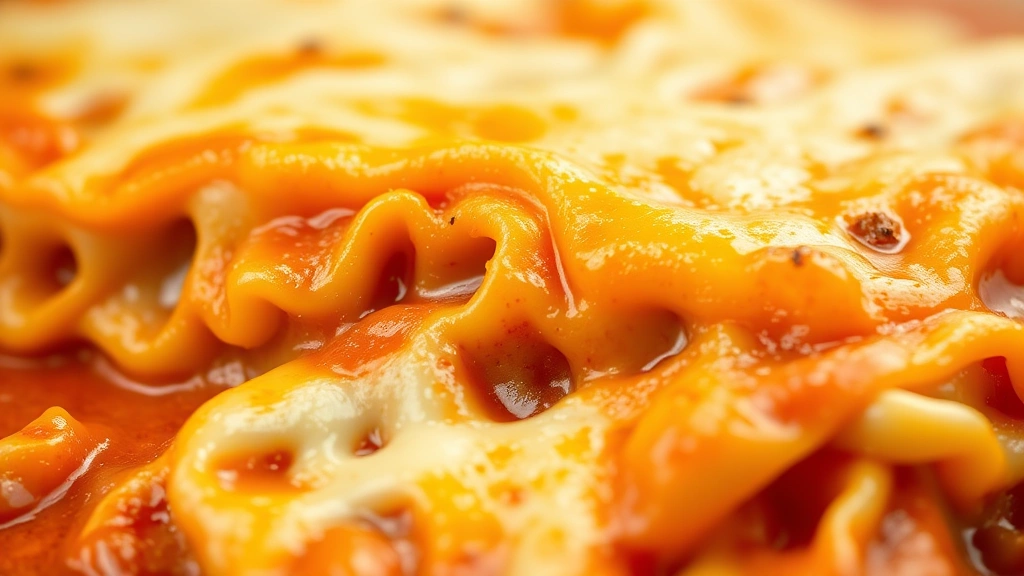
- Golden-brown cheese: The top layer should be golden, not pale yellow. If it’s still bright yellow, it needs more time.
- Knife test: A thin knife should slide through the layers with slight resistance. If it’s mushy, you’ve gone too far. If it’s tough, keep cooking.
- Internal temperature: The center should reach 165°F when measured with a meat thermometer (especially important if your lasagna contains meat).
The bubbling edge is your most reliable indicator. When you see that vigorous bubble action, you’re in the final minutes.
The Critical Resting Period
Here’s the move that separates amateurs from kitchen pros: let it rest for 15 minutes after pulling it from the oven. Cover it loosely with foil.
This resting period lets the layers set up so they don’t collapse when you cut into them. The cheese firms up, the sauce redistributes, and everything holds together. Cut into it too early and you get a soupy, sliding mess. Wait those 15 minutes and you get clean, gorgeous slices.
How Layering Affects Time
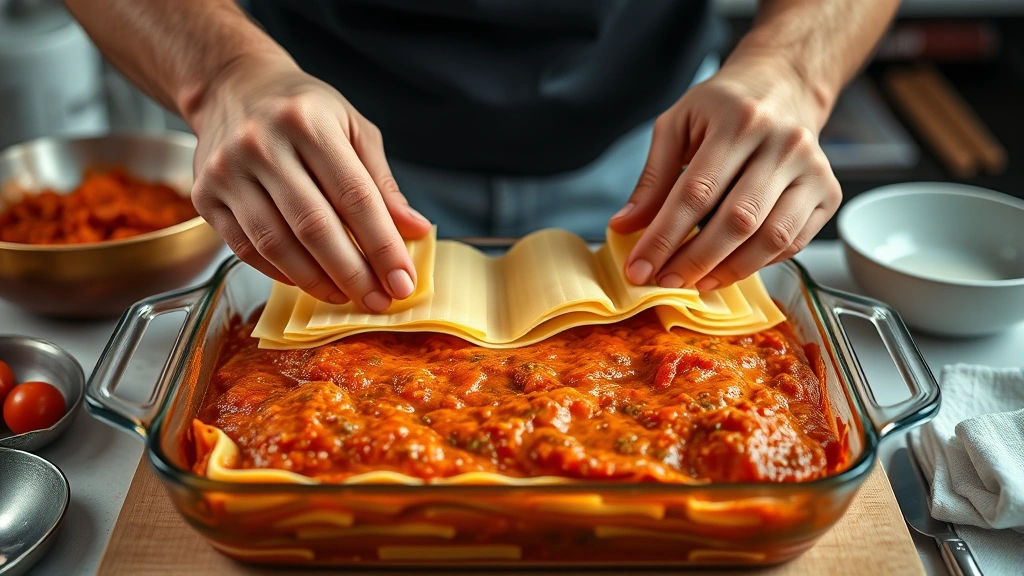
A thin, 2-layer lasagna cooks faster than a thick, 4-layer beast. Deeper pans also change the equation. Here’s how to adjust:
- Thin (2 layers, shallow pan): 30-35 minutes
- Standard (3-4 layers, 9×13): 40-45 minutes
- Deep (5+ layers, deep dish): 50-60 minutes
The center of a thick lasagna takes longer to heat through. If you’re making a deep lasagna, cover it with foil for the first 30 minutes, then uncover to let the top brown in the final 15-20 minutes.
Common Timing Mistakes
I’ve made all of these, so learn from my pain:
Cooking uncovered the whole time: The top burns before the middle is done. Cover with foil for the first 25-30 minutes, then uncover to brown.
Not checking for bubbling: That vigorous bubble at the edges is your green light. Ignore it and you’re guessing.
Skipping the rest: Cutting immediately gets you a sliding disaster. Those 15 minutes matter.
Using cold sauce: If your sauce came straight from the fridge, add 10 minutes to cooking time. Room-temperature sauce heats faster.
Overstuffing with cheese: Too much cheese on top insulates the layers below. Stick with a moderate layer—about ½ inch thick.
Altitude & Oven Adjustments
If you’re cooking above 3,000 feet elevation, water boils at a lower temperature, which affects cooking times. Increase your oven temperature by 15-25°F and expect to cook 5-10 minutes longer. Your pasta won’t soften as quickly at lower atmospheric pressure.
If your oven runs hot (and most do), drop the temperature 25°F and add 5-10 minutes. If it runs cool, raise it 25°F and reduce time by 5 minutes. That oven thermometer I mentioned? Now you see why it’s essential.
For complementary dishes, check out our guide on how to make gravy from drippings to pair with your lasagna dinner. If you’re planning a camping meal, our Dutch oven camping recipes might inspire your next outdoor lasagna adventure.
Frequently Asked Questions
Can I cook lasagna at 350°F instead of 375°F?
Yes, but add 15-20 minutes to the cooking time. Lower heat means slower cooking. You’ll still get great results—it just takes longer. The advantage is less risk of burning the top before the center cooks through.
How do I know if my lasagna is undercooked?
The pasta will feel firm or slightly hard when you cut through it, and the center won’t be hot to the touch. The sauce won’t bubble at the edges. If this happens, cover it and cook for another 10 minutes, then check again.
What if the top is browning too fast?
Tent it with foil. This reflects heat and slows the browning while the center catches up. Remove the foil in the last 10 minutes if you want the top to brown more.
Can I partially cook lasagna and finish it later?
Not recommended. Partial cooking creates a danger zone for bacteria growth. Either cook it fully or don’t cook it at all. If you need to pause, keep it in the fridge and start fresh.
Does lasagna cook faster in a glass or metal pan?
Glass conducts heat differently than metal. Glass pans cook slightly faster and brown the bottom more. If using glass instead of metal, reduce cooking time by 5 minutes and watch closely.
How long can lasagna sit before cooking?
Up to 24 hours in the fridge. Beyond that, the pasta starts absorbing too much moisture and gets mushy. For longer storage, freeze it instead.
Should I cover lasagna while it cooks?
Yes, for the first 25-30 minutes. This traps steam and prevents the top from burning before the center heats through. Uncover it for the final 15-20 minutes to brown the cheese.
For more inspiration on layered dishes, explore our focaccia sourdough recipe or try something different like our chop suey recipe. And if you’re looking for a lighter alternative, check out our cauliflower crust pizza recipe.
Final Word on Lasagna Timing
How long to cook lasagna comes down to temperature, layering, and watching for those key visual cues. Start at 375°F, cover for the first half, watch for bubbling edges, and always rest it 15 minutes before cutting. Master these fundamentals and you’ll nail it every time. The clock is just a suggestion—your eyes and a meat thermometer are your real guides.


