
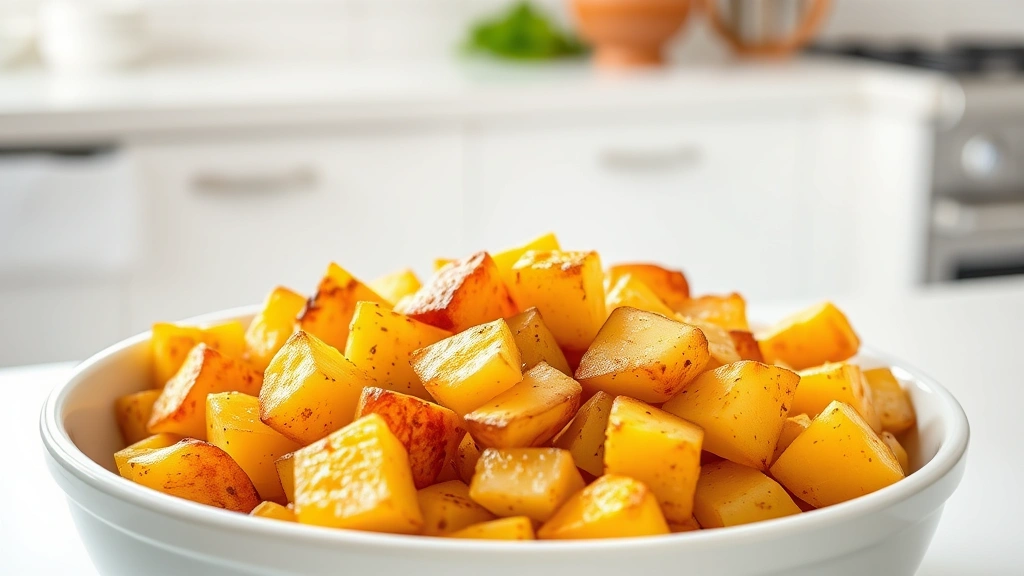
So you’re wondering how long to cook diced potatoes in oven? The short answer: 25-35 minutes at 400°F (200°C), depending on your dice size and oven personality. But stick with me, because nailing crispy-edged, fluffy-centered roasted potatoes is one of those kitchen skills that’ll make you look like you actually know what you’re doing.
Table of Contents
Basic Timing Guide
Here’s the real deal: roasting diced potatoes takes roughly 25-35 minutes at 400°F. I say “roughly” because every oven is different—some run hot, some run cold, and some have hot spots that’ll make you question your life choices. The key is understanding that size matters here. Quarter-inch dice cooks faster than half-inch cubes. Start checking around the 20-minute mark, and you’ll never be surprised by mushy potatoes again.
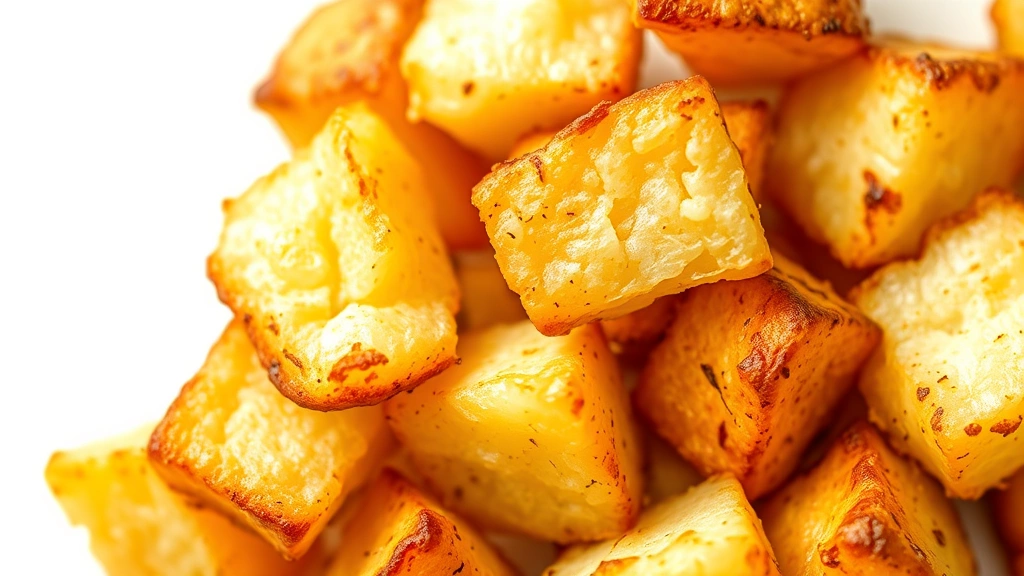
The golden rule I follow: potatoes are done when they’re golden brown on the outside and a fork slides through the center without resistance. No guessing, no poking at them every two minutes. Just set a timer, walk away, and come back when it goes off.
Prep Work Matters Most
Before you even think about oven time, let’s talk prep. This is where most people mess up. After you dice your potatoes, soak them in cold water for 15-30 minutes. Yeah, really. This removes excess starch and helps them crisp up instead of turning into mashed potato cubes. Pat them completely dry—and I mean completely. Moisture is the enemy of crispiness.
Toss your dried potatoes with olive oil (about 3 tablespoons per pound), salt, and pepper. Don’t be shy with the oil; you want them glistening. Spread them in a single layer on a baking sheet. Crowding the pan is the second-biggest mistake people make. Give them space to roast, not steam.
Temperature Sweet Spots
Temperature is your control knob for how long to cook diced potatoes in oven. Here’s what I’ve learned from countless batches:
- 375°F: 35-40 minutes. Lower heat means gentler cooking and less risk of burning the outside before the inside cooks. Good for when you’re doing other stuff and can’t hover.
- 400°F: 25-35 minutes. The sweet spot for most home cooks. You get decent browning and decent speed without babysitting.
- 425°F: 20-28 minutes. Higher heat means faster cooking and crispier edges, but you need to watch them. Burning happens quick here.
- 450°F+: 15-22 minutes. Restaurant-style speed, but only if your oven is accurate and your potatoes are smaller. This is where things go sideways fast.
I usually go with 400°F because it’s forgiving. You get good results without needing to check constantly or worry about charred corners.
Dice Size Impact
This is critical: dice size directly controls cooking time. A quarter-inch dice at 400°F? You’re looking at 20-25 minutes. A half-inch dice? More like 30-35 minutes. Three-quarter inch? You might be waiting 40-45 minutes, and honestly, at that point, you’re basically making roasted potato chunks, which is fine, but different.
My recommendation: aim for a consistent quarter-inch to three-eighths-inch dice. It’s the Goldilocks zone. Big enough that you won’t lose them to over-cooking, small enough that they cook through without taking forever. Use a sharp knife and take your time—uneven pieces cook unevenly, and that’s annoying.
Seasoning Strategy
Salt and pepper before roasting is the baseline. But here’s where you can get creative. I like adding garlic powder, paprika, or fresh rosemary to the oil before tossing. Some people swear by a little cayenne for heat. If you’re making these as a side for a specific dish—like the kind of vegetable-forward meal you’d find in our calabacitas recipe—match your seasoning to that vibe.
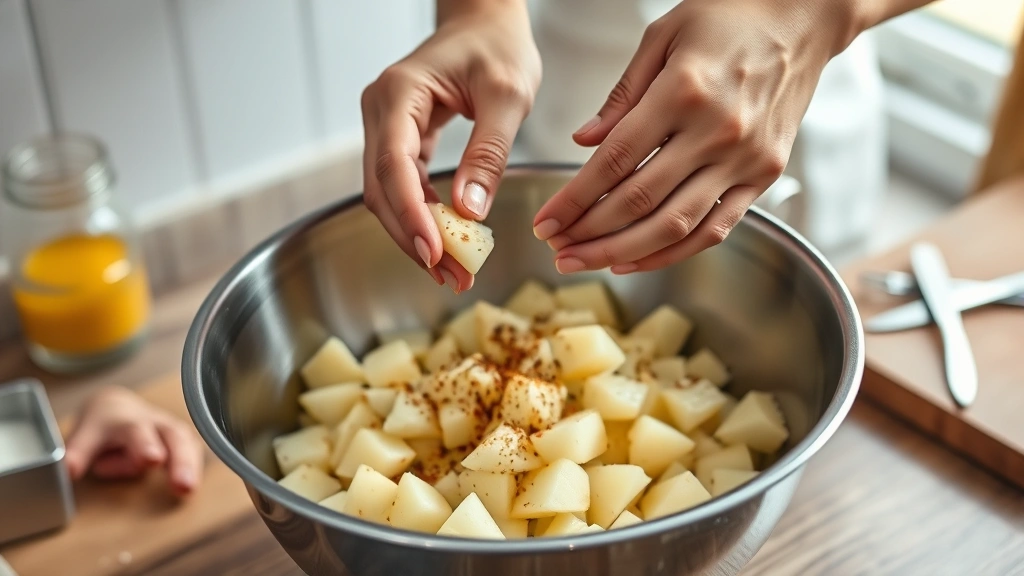
Pro tip: don’t add fresh herbs before roasting; they’ll burn. Toss them in after cooking. Garlic powder is your friend here because it won’t scorch like fresh garlic will.
Testing for Doneness
Around the 20-minute mark, start checking. Grab a piece from the edge of the pan (edges cook faster) and cut it open. The outside should be golden-brown and crispy. The inside should be soft and cooked through. If the outside looks good but the inside is still hard, give it another 5 minutes and check again.
The fork test works too: a fork should slide through the thickest piece without resistance. If you’re getting resistance, they need more time. If they’re falling apart, you’ve gone too far—but honestly, even slightly overcooked roasted potatoes are still pretty good.
Common Mistakes
Let me save you the headaches I’ve already had. First mistake: not drying the potatoes. Wet potatoes steam instead of roast. Second mistake: crowding the pan. They need air circulation. Third mistake: not using enough oil. You need that fat for browning and flavor. Fourth mistake: uneven sizing. Cut them consistent, or you’ll have some raw and some burnt.
Fifth mistake: checking too often. Every time you open that oven door, you lose heat and slow cooking. Set a timer, trust the process, and check once around the midpoint. Sixth mistake: using the wrong oven rack. Middle rack is your friend. Top rack gets too much direct heat; bottom rack doesn’t get enough air circulation.
Flavor Variations
Once you nail the basic technique, variations are endless. Try tossing finished potatoes with fresh parmesan and chives. Or go the guacamole route and serve them with a creamy avocado topping. Cajun spice blend gives them a kick. Truffle oil (added after cooking) makes them fancy. Smoked paprika and bacon bits turn them into a side dish that’ll steal the show.
The beauty of roasted diced potatoes is they’re a blank canvas. Match them to whatever you’re cooking. If you’re doing a summer cookout spread like our best summer recipes, keep them simple with just salt, pepper, and herbs. If you’re going rich and savory, load them up.
Storage Tips
Roasted potatoes keep in an airtight container in the fridge for about 4 days. They won’t be quite as crispy the next day, but they’re still good. Reheat them in a 375°F oven for about 10 minutes to restore some crispiness, or just eat them cold as a potato salad base.
You can also freeze them, though the texture changes slightly. Thaw in the fridge overnight and reheat before eating. They’re best fresh, but life happens, and leftover roasted potatoes are never a tragedy.
Frequently Asked Questions
Can I cook diced potatoes at a lower temperature for longer?
Yes. Lower temperatures like 350°F will work, but you’re looking at 45-60 minutes depending on dice size. The trade-off is less browning and crisping. It’s doable if you’re using your oven for something else anyway, but 400°F gives better results in less time.
Do I need to peel the potatoes?
Nope. Skin-on roasted potatoes are great—more texture and more nutrients. Peel them if you prefer the look or texture, but it’s not necessary. Either way works.
What type of potato works best?
Starchy potatoes like russets are ideal for roasting because they get fluffy inside and crispy outside. Waxy potatoes like red potatoes work too but stay firmer. Avoid new potatoes; they’re too watery. Yukon golds are a nice middle ground.
Should I stir the potatoes halfway through cooking?
Yes, actually. Stirring at the midpoint (around 15-17 minutes) helps them cook more evenly and brown on all sides. Just give them a good shake or stir, and they’ll thank you.
Can I add other vegetables to roast together?
Absolutely. Carrots, Brussels sprouts, and bell peppers all roast well with potatoes. Just cut them to similar sizes so everything cooks at the same rate. If you’re doing a mixed vegetable situation, check the pizza stone cooking guide for other oven techniques, or just keep everything on a regular baking sheet.
How much oil do I actually need?
About 2-3 tablespoons per pound of potatoes. Too little and they won’t brown properly. Too much and they get greasy. Start with 3 tablespoons per pound and adjust based on how you like them.
Why are my potatoes still raw inside after 35 minutes?
Your oven might run cool, or your pieces might be bigger than you think. Try increasing the temperature to 425°F or cutting them smaller next time. Also make sure they’re in a single layer, not piled on top of each other.
Final Thoughts
Roasting diced potatoes is straightforward once you understand the variables. Start with 400°F for 25-35 minutes, use quarter-inch to three-eighths-inch dice, and make sure everything’s dry before it hits the oven. Check around the 20-minute mark, and adjust from there based on your oven and how crispy you like things.
The technique is forgiving enough that you’ll get good results even if you’re not perfect. And honestly, slightly overcooked roasted potatoes are still better than undercooked ones. Build your confidence with the basics, then experiment with seasonings and add-ins. Before long, you’ll be making roasted potatoes that rival anything from a restaurant kitchen.


