
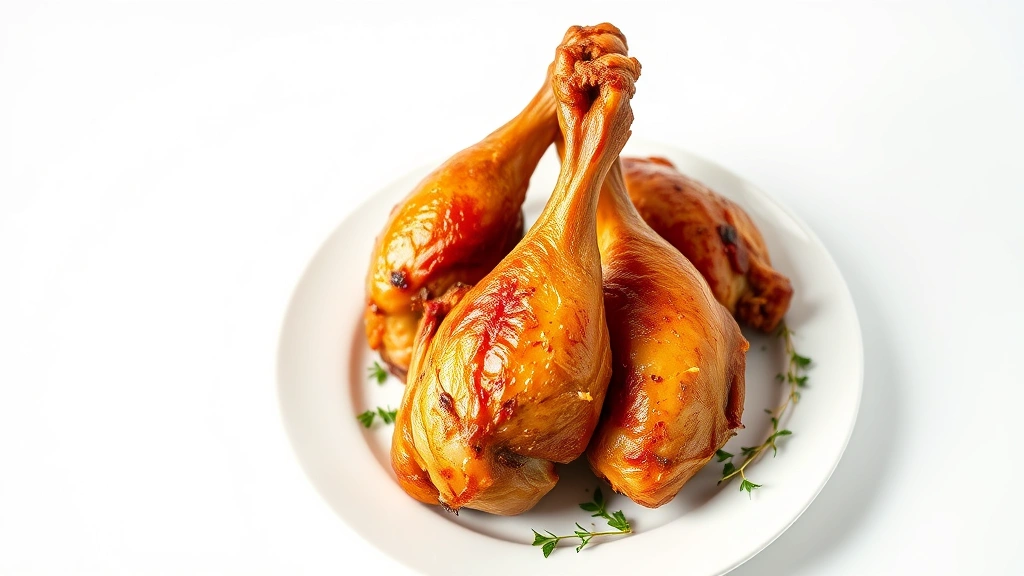
Figuring out how long to cook chicken legs in oven is one of those kitchen skills that separates dry, rubbery disasters from juicy, golden-brown perfection. Whether you’re roasting a batch for weeknight dinner or prepping for a crowd, nailing the timing and temperature makes all the difference. I’ve tested this enough times to know exactly what works, and I’m going to walk you through it like we’re standing in the kitchen together.
Table of Contents
Basic Cooking Time Guide
Let’s cut straight to it: chicken legs take about 45 to 50 minutes at 425°F (220°C). That’s your baseline. Now, this assumes you’re working with standard-sized chicken legs—the drumstick and thigh combo you’d find at any grocery store, weighing around 6 to 8 ounces each.
If you’re cooking at a lower temperature like 375°F (190°C), bump that time up to 55 to 60 minutes. Going hotter at 450°F (232°C)? You’re looking at 40 to 45 minutes. The golden rule is about 12 to 15 minutes per pound, but honestly, a meat thermometer beats the clock every single time.
I always arrange my chicken legs skin-side up on a rimmed baking sheet. Space them out so they’re not crowded—air needs to circulate around each piece for even cooking. Crowding them together steams the bottom instead of roasting it, and nobody wants steamed chicken skin.
Temperature Matters Most
Here’s where most home cooks go wrong: they either cook too low and slow, or they don’t preheat properly. Your oven needs to be fully preheated before those legs go in. I’m talking a solid 15 minutes at temperature.
425°F is my sweet spot because it gives you:
- Crispy, golden skin that actually sounds crunchy when you bite it
- Meat that stays juicy on the inside
- Even cooking without dry edges
- A shorter overall cooking time
The skin rendering—that’s the fat melting out—is what makes chicken legs taste incredible. At too low a temperature, you get flabby, pale skin. Too high, and you’ll char the outside before the inside cooks through. 425°F respects both the skin and the meat.
Prep Your Chicken Right
Dry chicken is cooked chicken that tastes like cardboard. Before anything else, pat your chicken legs completely dry with paper towels. This isn’t optional. Moisture on the surface prevents browning and keeps the skin from crisping up.
Bring them to room temperature if you’ve got 20 minutes to spare. Cold chicken takes longer to cook and cooks unevenly. Room temperature chicken cooks faster and more consistently.
Coat them lightly with oil—olive oil, avocado oil, or even just vegetable oil works. Don’t be shy about it. That oil is what creates the golden-brown crust. Salt and pepper them generously on all sides. I do this about 10 minutes before they go in the oven so the salt can start drawing out moisture (which then reabsorbs and seasons the meat).
If you’re doing a more elaborate seasoning situation, think about pairing with recipes like cheesy rice recipe or enoki mushroom recipe sides that complement roasted chicken beautifully.
Checking for Doneness
This is non-negotiable: use a meat thermometer. Stick it into the thickest part of the thigh without touching bone. You want 165°F (74°C) minimum for food safety. I actually like mine at 170°F (77°C) because the thigh meat benefits from that extra heat—it’s fattier than breast meat and actually tastes better slightly more cooked.
If you don’t have a thermometer, cut into the thickest part of the thigh. The juices should run clear, not pink. The meat should not look translucent or gray. If it does, it needs more time.
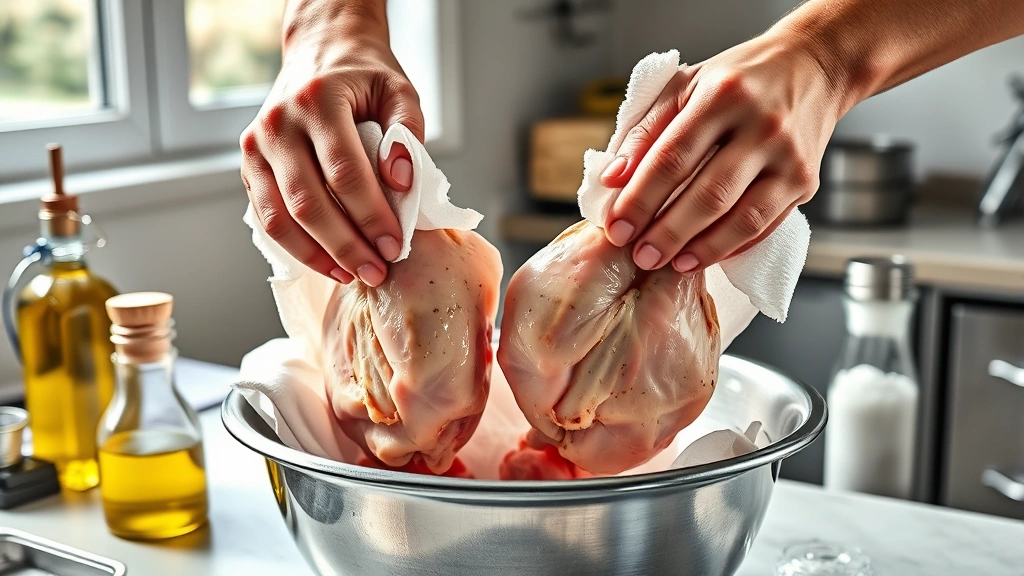
Visual cues matter too. The skin should be deep golden brown, almost caramel-colored in spots. If you see pale, white skin, those legs aren’t done yet.
Seasoning Strategies
Beyond basic salt and pepper, you’ve got options. Garlic powder, paprika, dried oregano, and cayenne work beautifully on chicken legs. I like mixing a teaspoon of smoked paprika with my salt and pepper for depth.
Fresh herbs are great too—thyme, rosemary, and oregano can go right on the chicken or scattered on the pan. They’ll char slightly and add incredible flavor.
If you want to get fancy, rub a paste of minced garlic, lemon zest, and herbs under the skin. You’ll need to loosen the skin carefully with your fingers, but it’s worth the effort. The paste seasons the meat directly and keeps it moist.
Consider complementary sides like bean sprouts recipe or creme fraiche recipe for sophisticated plating.
Common Mistakes to Avoid
Crowding the pan is the biggest one. I mentioned it before, but it bears repeating. Each leg needs space. If you’re cooking for a crowd, use two baking sheets instead of piling everything onto one.
Flipping them halfway through is something I don’t do. Skin-side up the whole time. Flipping just messes with the browning and creates more opportunities for the skin to stick.
Basting every five minutes is unnecessary and actually counterproductive—you’re letting heat escape and preventing skin from crisping. Leave them alone once they go in.
Not using a meat thermometer is basically gambling. I’ve seen people pull out chicken that looks golden but is still pink inside. The thermometer removes all doubt.
Cooking straight from the fridge is another common mistake. Cold chicken takes longer and cooks unevenly. Room temperature is your friend.
Resting Period is Key
Once your chicken legs hit 165°F, pull them out and let them rest for 5 to 10 minutes before serving. This isn’t just a suggestion—it’s how meat stays juicy.
When chicken cooks, the muscle fibers contract and squeeze out moisture. Resting gives those fibers time to relax and reabsorb some of that moisture. Cutting into hot chicken immediately releases all those juices onto your plate instead of keeping them in the meat.
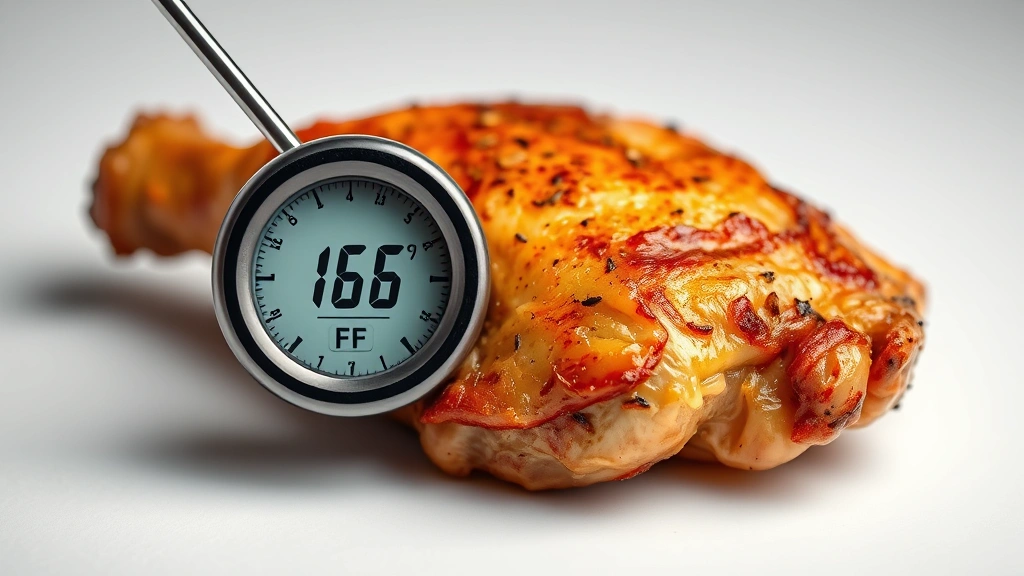
Tent the pan loosely with foil while resting. This keeps them warm without trapping steam that would soften the skin.
Storage and Leftovers
Cooked chicken legs keep in the fridge for 3 to 4 days in an airtight container. They’re fantastic cold the next day, perfect for salads or blackened mahi mahi recipe variations if you’re mixing proteins.
Freeze them for up to 3 months. Let them cool completely first, then store in a freezer bag with as much air pressed out as possible. Thaw overnight in the fridge before reheating.
To reheat, place them on a baking sheet at 350°F (175°C) for about 15 minutes until heated through. This keeps the skin from getting soggy like it would in the microwave.
Frequently Asked Questions
Can I cook chicken legs at a lower temperature for longer?
Absolutely. You can cook them at 375°F for 55 to 60 minutes or even 350°F for 65 to 75 minutes. The trade-off is that lower temperatures won’t give you that crispy, golden skin. If crispy skin isn’t your priority, lower temperatures work fine—just make sure they hit 165°F internally.
Why is my chicken skin not crispy?
Most likely causes: the chicken wasn’t dry before cooking, the temperature was too low, or you crowded the pan. Make sure you pat them completely dry, use at least 425°F, and give each leg breathing room. A light coating of oil helps too.
Can I cook chicken legs covered with foil?
You can, but I don’t recommend it for the whole cooking time. Foil traps steam and prevents skin from crisping. If the skin is browning too fast, tent it loosely with foil for the last 10 to 15 minutes, but keep the sides open for air circulation.
How do I know if chicken legs are done without a thermometer?
Cut into the thickest part of the thigh away from bone. Juices should run clear, and the meat should be opaque white or light tan throughout—no pink, no gray. The skin should be deep golden brown. If any part looks undercooked, give it more time.
Can I marinate chicken legs before cooking?
Yes, but pat them dry before roasting. Marinate for 2 to 8 hours in the fridge. Just remember that wet chicken won’t brown properly, so that drying step is crucial. If your marinade is oil-based, you might skip the extra oil coating before roasting.
What’s the difference between cooking chicken legs and thighs separately?
Drumsticks and thighs cook at slightly different rates. Thighs are thicker and take a bit longer. That’s why the chicken leg (thigh plus drumstick combo) is actually ideal—they’re designed to cook together. If you’re separating them, thighs might need an extra 5 to 10 minutes.
Wrapping It Up
Cooking chicken legs in the oven doesn’t require magic or fancy equipment—just understanding the basics. Preheat to 425°F, pat them dry, season generously, space them out, and use a meat thermometer to confirm doneness at 165°F. Rest them for 5 to 10 minutes, and you’ve got juicy, golden-brown chicken legs that’ll have everyone asking for seconds.
The timing might shift a bit based on your oven’s quirks and the exact size of your chicken legs, but this method is rock-solid. Once you nail it a couple of times, it becomes automatic. You’ll be the person who makes chicken legs that actually taste like something worth eating.


