
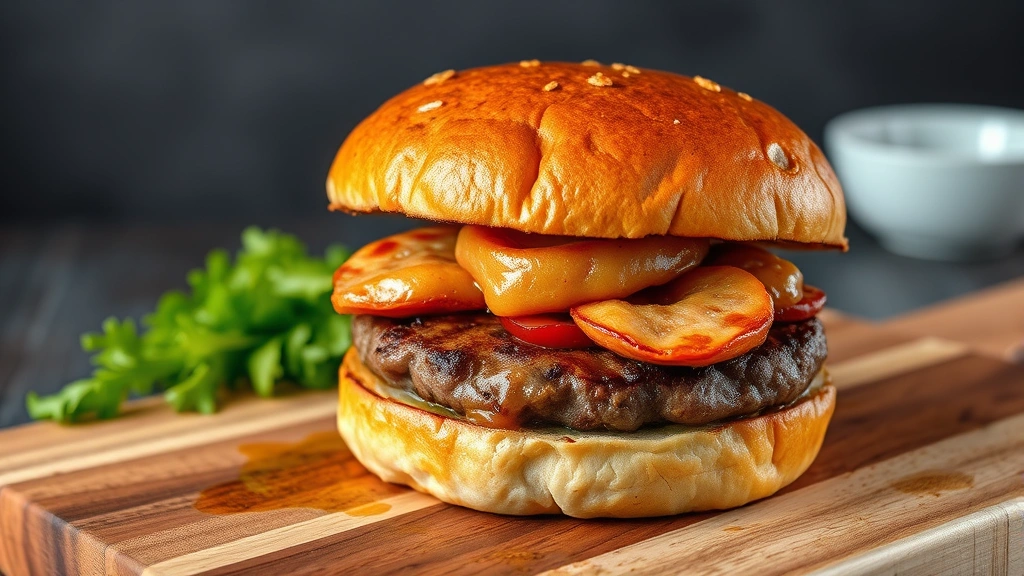
Knowing how long to cook burgers on grill is the difference between a juicy masterpiece and a dried-out puck. Most burgers hit their sweet spot in 3-4 minutes per side over medium-high heat, but the real magic happens when you understand the variables that affect cooking time. Temperature, patty thickness, grill type, and whether you’re working with beef, turkey, or plant-based alternatives all play a role in nailing that perfect cook.
Table of Contents
Burger Basics Matter
Before you even fire up the grill, understand what you’re working with. A proper burger starts with the right meat-to-binder ratio. You want ground beef that’s roughly 80/20 (80% lean, 20% fat) for the best flavor and juiciness. Too lean and your burger becomes a hockey puck. Too fatty and you’re dealing with flare-ups and excess grease.
Form your patties gently—overworking the meat creates a dense, tough burger. Make them about three-quarters of an inch thick for standard grilling, and always create a slight indent in the center with your thumb. This prevents the burger from puffing up like a balloon as it cooks. Season generously with salt and pepper right before grilling, not ahead of time, since salt draws out moisture.
Temperature and Heat Control
Your grill temperature is absolutely critical when determining how long to cook burgers on grill. Medium-high heat (around 375-400°F) is the sweet spot for most burger cooking. This temperature range gives you a nice crust on the outside while keeping the inside juicy.
If you’re using a charcoal grill, arrange coals so you have a hot zone and a cooler zone. This lets you sear the burger on the hot side, then move it to medium heat to finish cooking without burning the exterior. Gas grills make this easier—just adjust the burner knobs accordingly. Use an instant-read thermometer to verify your grill temperature before cooking. Don’t rely on the built-in thermometer; they’re notoriously inaccurate.
Exact Cooking Times Breakdown
Here’s the straightforward answer: standard three-quarter-inch thick burgers need about 3-4 minutes per side over medium-high heat. But let’s break this down by desired doneness:
Rare (130-135°F internal): 2-3 minutes per side. Honestly, most people skip rare for burgers due to food safety concerns with ground beef.
Medium-Rare (135-145°F): 3 minutes per side. This is where you get a slightly pink center with excellent juiciness. It’s the goldilocks zone for most burger lovers.
Medium (145-160°F): 3-4 minutes per side. No pink, but still moist. This is the USDA recommended safe temperature for ground beef.
Well-Done (160°F+): 4-5 minutes per side. Your burger will be fully cooked through, though it risks becoming drier.
These times assume you’re flipping once. Resist the urge to flip constantly—that’s amateur hour. Flip once, maybe twice max, and let the heat do its work.
Thickness Changes Everything
A half-inch thick smash burger cooks in about 2-3 minutes per side. A thick one-and-a-quarter-inch burger needs 4-5 minutes per side. Thickness directly impacts cooking time because heat needs to penetrate further into the meat.
Thinner burgers cook faster but dry out more easily. Thicker burgers stay juicier but risk charring the outside before the inside cooks through. That’s why the three-quarter to one-inch range is ideal—it balances cooking speed with moisture retention. If you’re making thicker burgers, consider starting on the hot side of the grill for 2 minutes to build a crust, then moving to medium heat to finish cooking through.
Different Meats Cook Differently
Ground beef isn’t your only option anymore. Different proteins require different approaches, and burger cooking times vary accordingly.
Ground Turkey: Turkey is much leaner than beef, so it dries out faster. Cook turkey burgers 4-5 minutes per side at medium heat (not medium-high). Turkey needs to reach 165°F internal temperature for food safety.
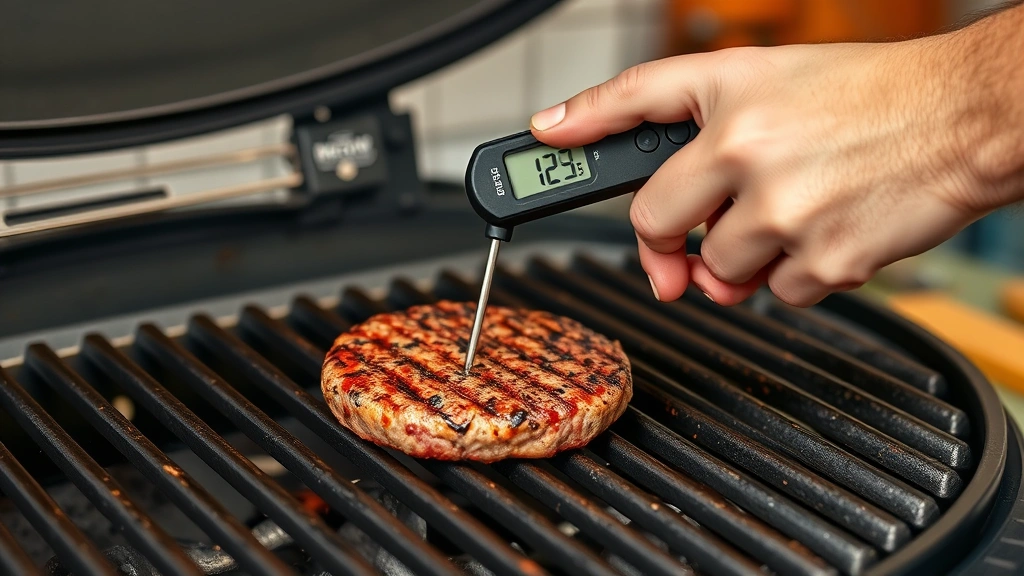
Ground Chicken: Similar to turkey, chicken burgers are lean and need careful attention. Stick to 4-5 minutes per side at medium heat, and don’t skip the thermometer check—165°F is the magic number.
Plant-Based Burgers: These vary wildly depending on the brand. Some are delicate and need gentle handling; others are sturdy. Most cook in 3-4 minutes per side at medium heat. Check the package instructions—they’re usually pretty specific.
Ground Lamb: Lamb burgers have more fat than beef, so they can handle medium-high heat. Aim for 3-4 minutes per side, and don’t cook past medium-rare or the flavor becomes gamey.
Testing for Doneness Right
The only accurate way to know when your burger is done is with an instant-read meat thermometer. Stick it horizontally into the thickest part of the patty, avoiding the indent you made. Don’t rely on color—that’s how you end up with overcooked or undercooked burgers.
If you don’t have a thermometer, the touch test works in a pinch. Press the burger with your finger: rare feels like the fleshy part of your palm below your thumb when your hand is relaxed; medium-rare feels like that same spot when your thumb and index finger touch; medium feels like thumb and middle finger touching. It takes practice, but it works.
Never cut into a burger to check doneness while it’s cooking. That releases juices and dries out your burger. Wait until it’s off the grill, then cut if needed.
Common Grilling Mistakes
The biggest mistake people make is pressing down on the burger with the spatula. This squeezes out all the flavorful juices and creates a dry burger. Let the heat do the work—hands off.
Flipping too often is mistake number two. Flip once, maybe twice. Every flip interrupts the crust-building process. You’re not making pancakes.
Not preheating the grill is mistake three. A cold grill means uneven cooking and no crust. Fire it up 10-15 minutes before cooking and let it reach proper temperature.
Seasoning too early is mistake four. Salt draws out moisture from the meat. Season right before the burger hits the grill, not 30 minutes ahead of time.
Finally, cutting into a burger while it’s cooking to check doneness ruins the whole thing. Use a thermometer or the touch test instead.
Pro Tips from the Grill
Here’s what separates backyard warriors from burger legends: butter. Brush a little compound butter on the bun in the last minute of cooking. Toast it face-down on the grill grates for 30 seconds. It’s a game-changer.
Let your burgers rest for 2-3 minutes after coming off the grill. This allows the juices to redistribute throughout the patty instead of running all over your plate. Wrap them loosely in foil to keep them warm.
Keep your grill grates clean. Use a grill brush before each cooking session. This prevents sticking and promotes even heat contact. Oil the grates lightly before cooking—use a paper towel dipped in high-heat oil.
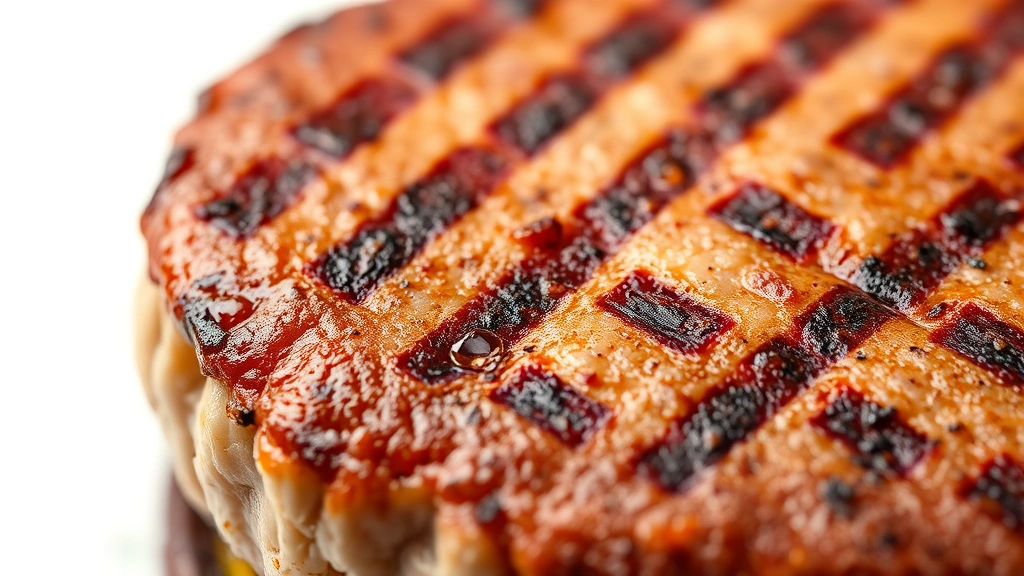
Consider reverse searing for thick burgers. Start them on the cooler side of the grill at lower temperature until they’re 5-10°F below target temperature, then sear them hard on the hot side for 30-60 seconds per side. This gives you a perfect crust and even doneness throughout.
Don’t forget the sides. Grilled vegetables like green beans cook alongside your burgers, and even creative appetizers can be prepped while the grill’s hot. Maximize your grilling time.
Use a meat thermometer religiously. Invest in a good instant-read model—it’s the single best tool for consistent results. Family Handyman has excellent thermometer recommendations if you need guidance.
Frequently Asked Questions
Can I cook burgers on a gas grill the same way as charcoal?
Mostly yes, but with slight adjustments. Gas grills heat more evenly and predictably, so you don’t need separate hot and cool zones as much. The cooking times remain the same—3-4 minutes per side for standard burgers—but you’ll have better temperature control with gas. Both methods work great; it’s more about personal preference and what you have available.
How do I prevent flare-ups when grilling burgers?
Flare-ups happen when fat drips onto hot coals or burners. Use 80/20 ground beef (not too fatty), don’t overload the grill, and have a cooler zone available. If flames do appear, move the burger to the cooler side temporarily. Keep a spray bottle of water nearby for emergency flare-ups, but use it sparingly—too much water creates steam and uneven cooking.
Is it safe to eat a burger with a pink center?
For ground beef, the USDA recommends cooking to 160°F internal temperature, which eliminates the pink. Ground beef is more prone to bacterial contamination than whole cuts because grinding spreads any surface bacteria throughout the meat. If you want medium-rare, use high-quality beef from a trusted source and cook to at least 145°F. Ground poultry always needs to reach 165°F for safety.
Why do my burgers always come out dry?
You’re likely overcooking them, pressing down with the spatula, or using meat that’s too lean. Use 80/20 beef, don’t flip constantly, skip the pressing, and use a thermometer to avoid overcooking. Also, let them rest for 2-3 minutes after cooking—this is crucial for retaining moisture.
How thick should burger patties be?
Three-quarter to one inch is the ideal range. This thickness allows for a nice crust while keeping the inside juicy. Thinner burgers dry out faster; thicker burgers risk charring outside before cooking through. If you’re making smash burgers, go half-inch thick and cook them hotter and faster.
Should I oil the grill grates before cooking burgers?
Yes, lightly oil them. Use a high-heat oil like vegetable or canola oil on a paper towel, then wipe the grates. This prevents sticking and helps create those beautiful grill marks. Do this after preheating and just before placing the burgers on the grill.
Can I prepare burger patties ahead of time?
You can form them a few hours ahead and refrigerate, but don’t season until right before cooking. Cold patties actually cook more evenly, so this is fine. However, don’t form patties more than a day ahead—the texture degrades. If you’re meal prepping, freeze formed patties and thaw them in the fridge the night before grilling.
Final Thoughts on Burger Timing
Mastering how long to cook burgers on grill comes down to understanding your specific variables: meat type, thickness, grill temperature, and desired doneness. Start with the 3-4 minute per side baseline for standard burgers at medium-high heat, but always verify with a meat thermometer. The difference between a mediocre burger and a legendary one often comes down to those few minutes on the grill and the restraint not to press, flip excessively, or overcook.
Get your technique dialed in, invest in a good thermometer, and you’ll be the grill master everyone wants at the backyard cookout. Check out Bob Vila’s grill recommendations if you’re thinking about upgrading your equipment, and don’t hesitate to experiment with different meat blends and seasonings once you’ve mastered the basics. Happy grilling.


