
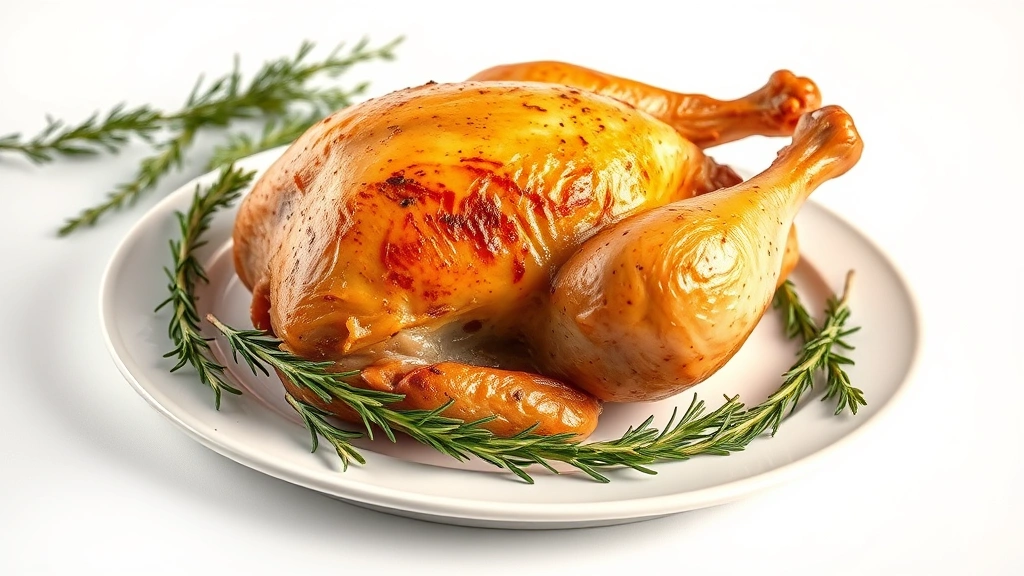
Figuring out how long to cook bone-in turkey breast in oven doesn’t have to be complicated—I’m going to walk you through the exact timing, temperature, and techniques that’ll get you a juicy, perfectly cooked turkey breast every single time. Whether you’re prepping for a holiday dinner or just want a protein-packed meal, this guide covers everything from prep work to that satisfying moment when you pull it out golden and steaming.
Table of Contents
Cooking Time & Temperature
Let’s get straight to the numbers: roast your bone-in turkey breast at 325°F (163°C) for approximately 13-15 minutes per pound. So if you’ve got a 4-pound breast, you’re looking at roughly 52-60 minutes in the oven. This low-and-slow approach keeps the meat tender while giving the skin that beautiful golden-brown finish.
The key here is consistency. Use an oven thermometer to verify your oven actually runs at the temperature you set—many home ovens are off by 25 degrees or more, which throws off your entire timeline. If your oven runs hot, you might finish 10-15 minutes earlier. If it runs cool, add extra time.
Prep Your Turkey Breast
Start by removing your turkey breast from the refrigerator 30-45 minutes before cooking. Cold meat doesn’t cook evenly—the outside will overcook while the inside stays raw. Let it sit on the counter until it reaches room temperature. This simple step makes a massive difference in how juicy your final product turns out.
Pat the skin completely dry with paper towels. Moisture is the enemy of crispy skin, so don’t skip this. If you want extra-crispy skin, rub it lightly with a paper towel every 20 minutes during cooking—sounds fussy, but it works.
Place the breast skin-side up in a roasting pan. If you don’t have a proper roasting pan, use a heavy baking sheet with raised edges. You want about a half-inch of space around all sides for air circulation.
Seasoning & Flavor Tricks
Here’s where you make this turkey breast sing. Mix together kosher salt, black pepper, garlic powder, dried thyme, and paprika—this simple blend works magic. Rub it under the skin and all over the surface at least an hour before cooking, or even the night before. Salt penetrates the meat and helps it retain moisture during cooking.
For extra flavor, slide fresh herbs like rosemary and sage sprigs under the skin. You can also stuff the cavity (if there is one) with halved lemons, onion quarters, or fresh herb bundles. These aromatics infuse the meat as it roasts.
Don’t forget about butter. Brush melted butter mixed with minced garlic over the skin every 20 minutes during cooking. This bastes the meat, keeps it moist, and builds flavor layers that’ll have everyone asking for your secret.
The Roasting Process
Pour about a cup of chicken broth or water into the bottom of your roasting pan—this creates steam that keeps the meat juicy and prevents the drippings from burning. Place your prepared turkey breast skin-side up on a roasting rack if you have one, or directly in the pan.
Slide it into your preheated 325°F oven. Set a timer for 20 minutes, then check on it. You’re looking for the skin to start turning golden. If it’s browning too fast, tent it loosely with foil. If it’s not browning enough after two-thirds of the cooking time, increase the heat to 375°F for the final 15-20 minutes.
Baste every 20-30 minutes with the pan drippings and that garlic butter mixture. This keeps the skin crispy and the meat underneath moist. It’s the difference between good turkey and restaurant-quality turkey.
If you’re cooking a larger breast (5+ pounds), you might need to cover it with foil for the first two-thirds of cooking to prevent over-browning while the inside catches up. Remove the foil for the final 20-30 minutes to crisp everything up.
Checking for Doneness
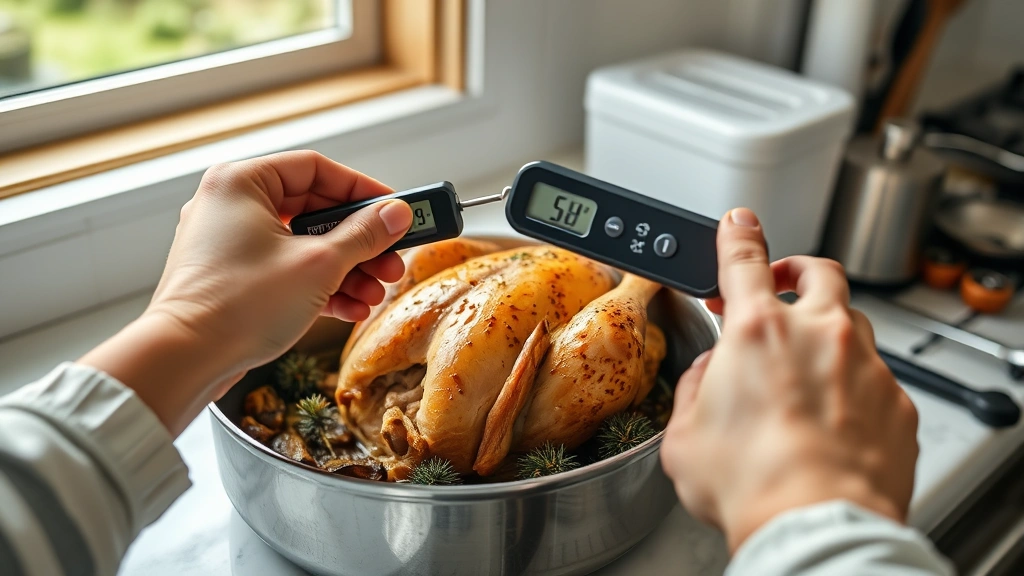
This is non-negotiable: use a meat thermometer. Insert it into the thickest part of the breast without touching bone—you’re aiming for an internal temperature of 165°F (74°C). This temperature kills any harmful bacteria while keeping the meat juicy. Overcooked turkey breast becomes dry and stringy, so hit 165°F and stop.
Check the temperature starting at about 80% of your estimated cooking time. Turkey breast cooks faster than a whole bird, so it’s easy to overshoot. If you’re at 160°F, you’re close—give it another 5-10 minutes and check again.
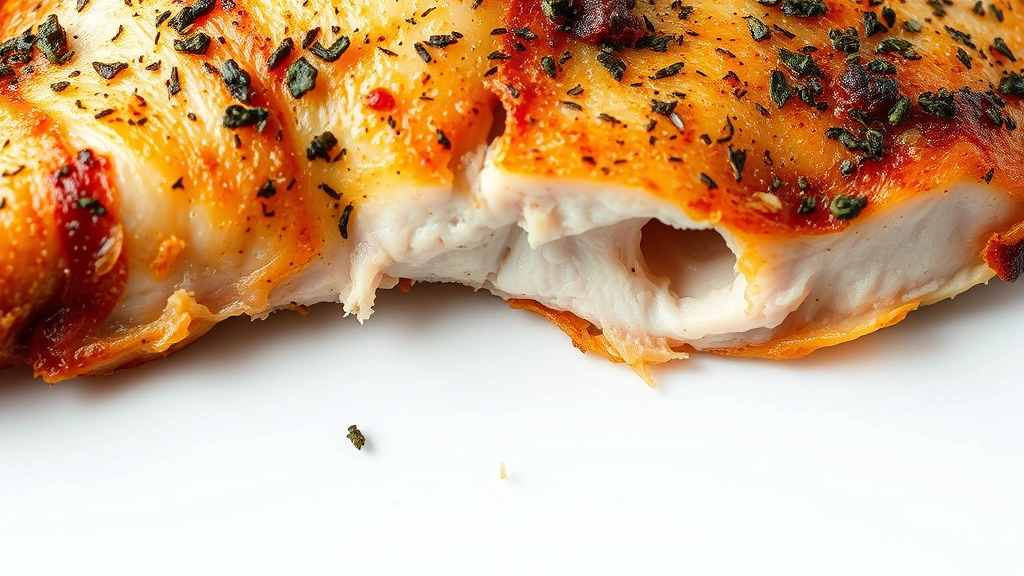
The skin should be deep golden brown, almost mahogany in spots. If it’s still pale when the internal temp hits 165°F, you can crank the heat to 425°F for 5-10 minutes to finish the browning, but watch it carefully so it doesn’t burn.
Resting & Carving
Remove the turkey breast from the oven and let it rest for at least 15-20 minutes before carving. This isn’t optional—resting allows the juices to redistribute throughout the meat instead of running all over your cutting board. Tent it loosely with foil to keep it warm.
While it rests, you can make pan gravy by deglazing your roasting pan with broth or wine, then simmering it with a bit of cornstarch slurry to thicken. This gravy captures all those flavorful browned bits stuck to the pan.
To carve, place the breast on a cutting board and slice perpendicular to the bone. You’ll get beautiful slices that look professional and cook evenly. Start by removing the meat from either side of the breastbone, then slice against the grain for maximum tenderness.
Common Cooking Issues
If your turkey breast is cooking unevenly—one side done, the other raw—rotate the pan halfway through cooking. Every oven has hot spots, and rotation compensates for this. It takes 10 seconds and solves most uneven cooking problems.
If the skin is burning but the inside isn’t done, tent it with foil and lower the oven temperature by 25 degrees. You can always finish the browning at the end, but you can’t un-burn the skin.
If you’re consistently getting dry turkey breast, you might be overcooking. Remember: 165°F internal temperature is the target, not 170°F or 175°F. Those extra degrees turn juicy meat into jerky. Also, try brining your turkey breast for 8-12 hours before cooking—this actually helps the meat retain moisture during cooking.
For complementary side dishes that pair beautifully with turkey, check out recipes like Almond Flour Bread Recipe for a unique stuffing alternative, or if you’re planning quick meals around your turkey leftovers, How to Make Ramen in the Microwave is a solid backup option.
Storage & Leftovers
Cool any leftover turkey breast to room temperature, then store it in an airtight container in the refrigerator for up to 4 days. Properly stored turkey stays moist and ready for sandwiches, salads, or quick weeknight proteins.
For longer storage, wrap individual portions in plastic wrap and freeze for up to 3 months. Thaw overnight in the refrigerator before reheating. Reheat gently in a 325°F oven with a bit of broth to restore moisture—high heat will dry it out further.
Leftover turkey makes incredible dishes. Shred it for Authentic Bolognese Recipe variations, use it in grain bowls, or simply slice it cold for protein-packed lunches. You can also make stock from the bones—simmer them with aromatics for 2-3 hours to create a rich, flavorful base for soups and sauces.
Frequently Asked Questions
How long does a 3-pound bone-in turkey breast take to cook?
A 3-pound bone-in turkey breast takes approximately 39-45 minutes at 325°F. Always use a meat thermometer to verify doneness—cooking time can vary based on your oven’s accuracy and the breast’s exact shape.
Can I cook bone-in turkey breast at a higher temperature?
You can cook it at 375°F for about 10-12 minutes per pound, but you’ll need to watch it closely and baste frequently to prevent the skin from burning. The lower 325°F temperature gives you more margin for error and more consistent results.
Should I cover the turkey breast while cooking?
Cover it with foil if the skin is browning too quickly, but uncover it for the final 20-30 minutes to crisp the skin. Most of the cooking time should be uncovered so the skin can brown properly.
What’s the difference between cooking bone-in and boneless turkey breast?
Bone-in breasts take slightly longer (13-15 min/lb) because the bone conducts heat more slowly than meat. Boneless breasts cook faster at about 12-13 minutes per pound. The bone also adds flavor to the meat and drippings.
Can I use a slow cooker instead of the oven?
You can, but you won’t get crispy skin. Cook on low for 4-5 hours for a 4-pound breast. The meat will be tender and juicy, but you’ll miss that golden exterior that makes roasted turkey special.
How do I know if my turkey breast is done without a thermometer?
Pierce the thickest part with a knife—the juices should run clear, not pink. However, this isn’t foolproof. A meat thermometer is the only reliable way to ensure food safety and prevent overcooking.
Final Thoughts
Cooking a perfect bone-in turkey breast comes down to three things: correct temperature (325°F), proper timing (13-15 minutes per pound), and a meat thermometer to verify doneness (165°F internal temp). Start with a well-prepped breast, season it generously, baste it regularly, and let it rest before carving. You’ll end up with juicy, flavorful meat that rivals any restaurant preparation.
The beauty of turkey breast is its versatility—it’s elegant enough for holiday dinners but practical enough for weeknight cooking. Once you nail this technique, you’ll find yourself making it regularly. Check out Air Fried Tofu Recipe for lighter protein alternatives, or explore other cooking methods to expand your kitchen skills.


