
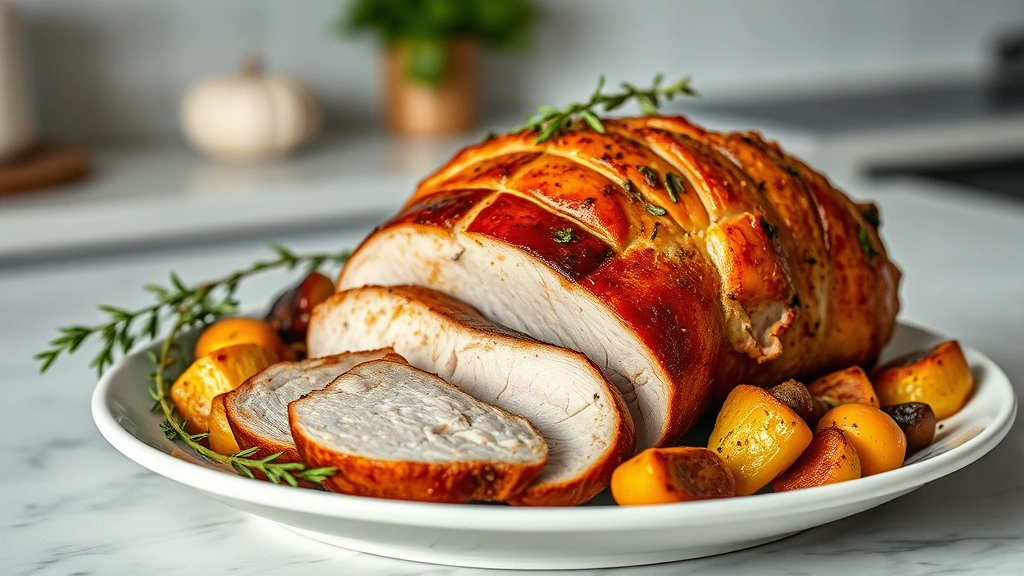
Knowing how long to cook a pork loin in the oven is the difference between a juicy, tender masterpiece and a dry, disappointing dinner. I’ve been cooking pork loins for years, and I’m going to walk you through exactly what you need to know to nail it every single time.
Table of Contents
Basic Cooking Time Guide
Let’s get straight to it. The standard rule for cooking a pork loin is 20 minutes per pound at 350°F. That’s your baseline. A 3-pound loin takes about 60 minutes. A 5-pound loin takes roughly 100 minutes, or just under two hours. But here’s the thing—this is just a starting point. Several factors will affect your actual cooking time, and I’ll break those down for you.
The beauty of this method is its consistency. I’ve used it hundreds of times, and it delivers results that are reliably perfect. However, you can’t just set it and forget it. You need to monitor the internal temperature, which is the real key to success.
Temperature Matters Most
Forget about cooking time alone. The actual internal temperature is what determines doneness, not the clock. Pork is safe to eat when it reaches 145°F internally, according to the USDA. This is lower than most people think, and it’s the secret to keeping your pork loin moist and tender.
Use an instant-read meat thermometer—it’s the single best tool you can own for cooking meat. Insert it into the thickest part of the loin, away from bone if there is one. When that thermometer hits 145°F, you’re done. Pull it out immediately. Every degree beyond that dries it out a little more.
I recommend getting a digital thermometer with a probe. Some models even let you set an alarm so it alerts you when the target temperature is reached. No guessing, no cutting into the meat to check (which lets juices escape), just accurate results.
Size and Weight Calculation
The weight of your pork loin is the most important variable. Here’s a quick reference table for planning your meal:
2-pound loin: 40-45 minutes at 350°F
3-pound loin: 60-75 minutes at 350°F
4-pound loin: 80-90 minutes at 350°F
5-pound loin: 100-120 minutes at 350°F
6-pound loin: 120-135 minutes at 350°F
These times assume a standard 350°F oven temperature. If you’re cooking at a higher temperature like 375°F or 400°F, reduce the time by about 10-15 minutes. The thicker and denser your loin, the longer it needs. Thinner cuts cook faster but can dry out more easily.
Preparation Steps First
Before you even think about the oven, prep work matters. Remove your pork loin from the refrigerator 30 minutes before cooking. This allows it to come closer to room temperature, which promotes even cooking throughout. Cold meat in the center while the outside cooks creates uneven results.
Pat the loin dry with paper towels. Moisture on the surface prevents browning. Season generously with salt and pepper at least 15 minutes before cooking—this gives the salt time to penetrate the meat. If you’re making a buttermilk ranch seasoning rub, apply it now too.
Optional but recommended: sear the loin in a hot oven-safe skillet for 2-3 minutes per side before transferring to the oven. This creates a flavorful brown crust and locks in juices. Use a cast iron skillet or stainless steel pan preheated until it’s smoking hot. This step isn’t necessary, but it elevates the final product significantly.
Checking for Doneness
Start checking the internal temperature at the 20-minute mark for smaller loins, or 30 minutes for larger ones. Insert your thermometer into the thickest part. As it approaches 145°F, check more frequently—every 5 minutes. The last few degrees happen fast, and you don’t want to overshoot.
Remove the loin when it hits exactly 145°F. It will continue cooking slightly as it rests, potentially rising to 150°F, which is still perfectly acceptable. If you pull it out at 150°F thinking you’re safe, it might hit 155°F after resting, and that’s when you start losing moisture.
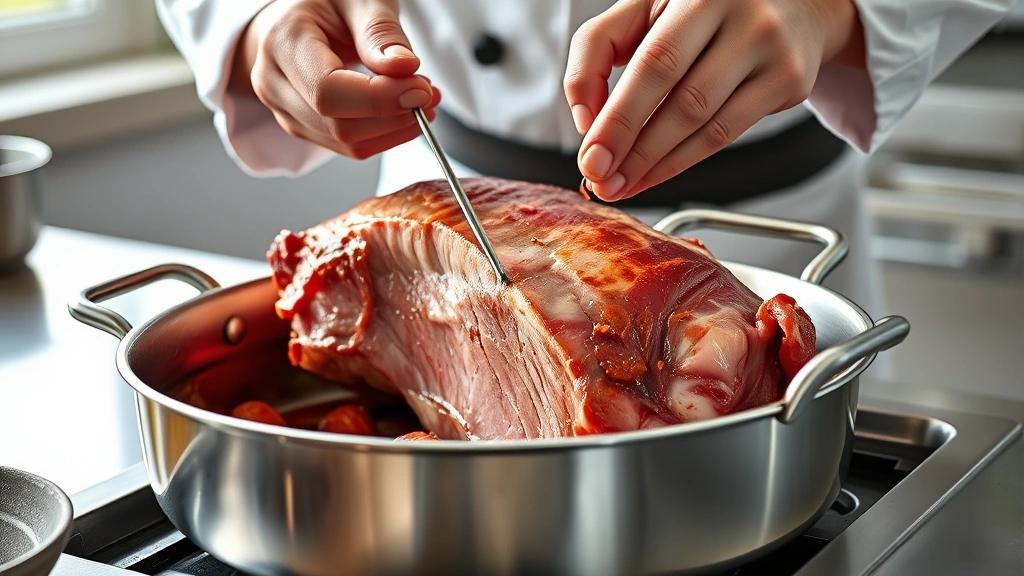
Never rely on color or texture alone. Pork can look done while still being undercooked, or look slightly pink and be perfectly safe. The thermometer is your only reliable guide.
Resting Period is Critical
This is where most home cooks fail. After removing the loin from the oven, tent it loosely with aluminum foil and let it rest for 10-15 minutes. This isn’t optional—it’s essential. During rest, the meat relaxes and reabsorbs its juices. If you slice immediately, those juices run all over your cutting board instead of staying in the meat.
Use this resting time to finish your side dishes. If you’re serving steamed broccoli or broccoli rabe, get those going now. By the time everything’s ready, your pork loin is perfectly rested and ready to slice.
Seasoning and Flavoring
Plain salt and pepper works fine, but pork loin is a blank canvas for flavor. Here are some approaches I use regularly:
Garlic and Herb: Mix minced garlic, fresh rosemary, thyme, and olive oil into a paste. Rub it all over the loin before cooking. The herbs infuse the meat beautifully.
Mustard-Based: Combine Dijon mustard, honey, and crushed garlic. Spread it over the loin. The mustard adds tang and the honey caramelizes slightly.
Asian-Inspired: Mix soy sauce, ginger, garlic, and a touch of sesame oil. This works especially well if you’re planning to serve it alongside traditional comfort dishes or trying something different.
Simple Dry Rub: Combine paprika, garlic powder, onion powder, black pepper, and salt. This creates a flavorful crust and is foolproof.
Common Mistakes to Avoid
I’ve made these mistakes, learned from them, and now I’m sharing so you don’t have to. First, don’t cook pork loin at too high a temperature trying to speed things up. High heat cooks the outside faster than the inside, leading to a burnt exterior and undercooked center. Stick with 350°F unless you’re searing first.
Second, don’t skip the resting period. I know you’re hungry, but those 10-15 minutes make a massive difference in juiciness. Third, don’t use a dull knife to slice. A sharp knife creates clean cuts without crushing the fibers and squeezing out juices.
Fourth, don’t cook pork loin straight from the freezer. Thaw it completely in the refrigerator first. Fifth, don’t cover it tightly with foil during cooking. A loose tent allows some steam to escape, which helps the exterior brown. Sixth, don’t assume all ovens are calibrated the same. Use an oven thermometer to verify your oven’s actual temperature.
Perfect Side Dishes
Pork loin pairs beautifully with various sides. Roasted vegetables like Brussels sprouts, carrots, and potatoes work wonderfully. You can roast them alongside the loin on a separate rack if your oven has the space. Season them with olive oil, salt, and pepper.
Creamy sides balance the richness of pork. A simple mashed potato or cauliflower mash complements the meat perfectly. If you’re looking for something lighter, steamed broccoli or roasted asparagus adds color and nutrition without heaviness.
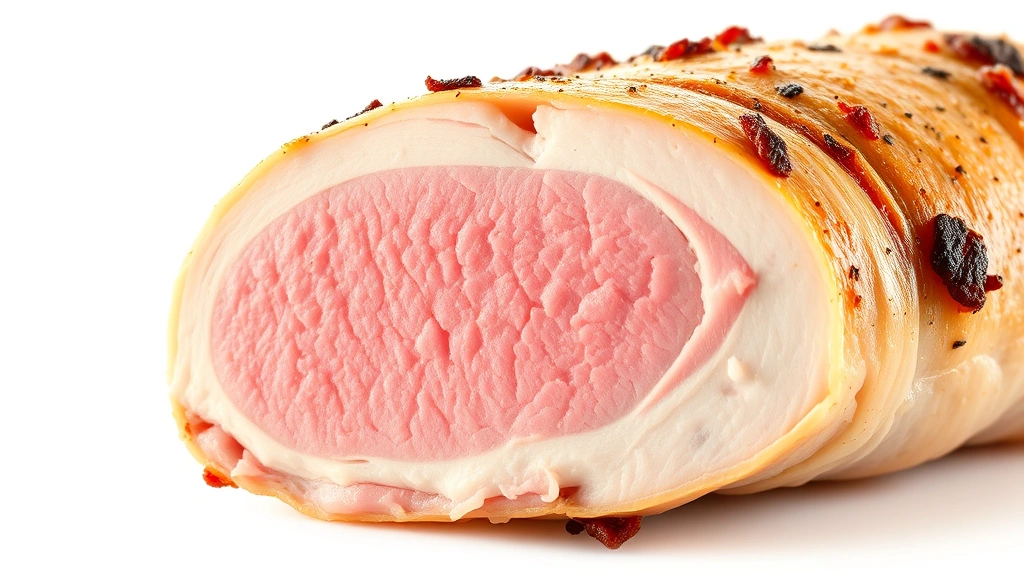
For sauce, pan drippings make an excellent base. After removing the loin, place your roasting pan on the stovetop over medium heat. Add a splash of broth or wine, scrape up the browned bits, and simmer for a few minutes. This creates a simple but elegant sauce. You could also serve it with something like ranch dressing as a dipping sauce if you’re feeling creative.
Storage and Leftovers
Pork loin keeps well in the refrigerator for 3-4 days. Slice it and store in an airtight container. It’s fantastic cold in sandwiches, sliced thin and served with mustard. You can also reheat it gently in a 300°F oven with a bit of broth to keep it moist. Microwave reheating tends to dry it out, so avoid that if possible.
Shredded leftover pork loin works in tacos, salads, or mixed into grain bowls. It’s also perfect for meal prep if you’re planning your week ahead. The fact that it keeps this well makes it an excellent choice for batch cooking.
Frequently Asked Questions
What’s the difference between pork loin and pork tenderloin?
Pork loin is larger and less tender, requiring the cooking method described here. Pork tenderloin is smaller, more tender, and cooks much faster—usually 15-20 minutes total. They’re different cuts and shouldn’t be confused. When recipes say “pork loin,” they mean the larger cut.
Can I cook pork loin at 325°F instead of 350°F?
Yes, absolutely. Lower temperatures cook more gently and evenly. At 325°F, add about 5-10 minutes per pound. The result is often slightly more tender, though it takes longer. This is a great option if you’re not in a hurry.
Is it safe to eat pork at 145°F?
Yes, completely safe. The USDA updated its guidelines years ago. Pork is safe at 145°F with a 3-minute rest. This temperature produces meat that’s still juicy and tender, unlike older recommendations for 160°F which often resulted in dry meat.
My pork loin is unevenly shaped. How do I cook it evenly?
Butterfly it or pound it to a more uniform thickness before cooking. Alternatively, tuck the thin end under itself and tie it with kitchen twine to create a more uniform shape. This ensures even cooking throughout.
Can I use a slow cooker instead?
Yes, you can cook pork loin in a slow cooker or crockpot. Cook on low for 6-8 hours or high for 3-4 hours, depending on size. The result is very tender but lacks the browned exterior you get from oven cooking. Some people sear it first, then slow cook it for the best of both worlds.
Why is my pork loin always dry?
Most likely causes: cooking to too high an internal temperature, not resting it afterward, or cooking at too high an oven temperature. Stick to 145°F, rest for 10-15 minutes, and use 350°F. These three things solve 95% of dry pork loin problems.
Do I need to add liquid to the roasting pan?
Not necessary, but optional. Adding a cup of broth or water to the bottom of the pan creates steam that can help keep the meat moist. However, if you’re searing the loin first and cooking at 350°F, you’ll get good results without added liquid. The loin’s own fat is usually sufficient.
Final Thoughts
Cooking a perfect pork loin comes down to three things: knowing the basic timing (20 minutes per pound at 350°F), using a meat thermometer to verify 145°F internal temperature, and always resting it for 10-15 minutes before slicing. Master these fundamentals and you’ll never serve a dry pork loin again.
The beauty of this cut is its versatility and reliability. Whether you’re cooking for a weeknight dinner or impressing guests, pork loin delivers consistently when you follow these guidelines. Start with a quality loin from your butcher, season it well, cook it properly, and you’re guaranteed success.
Remember: the thermometer is your best friend. Stop guessing, start measuring, and enjoy perfectly cooked pork loin every single time.


