
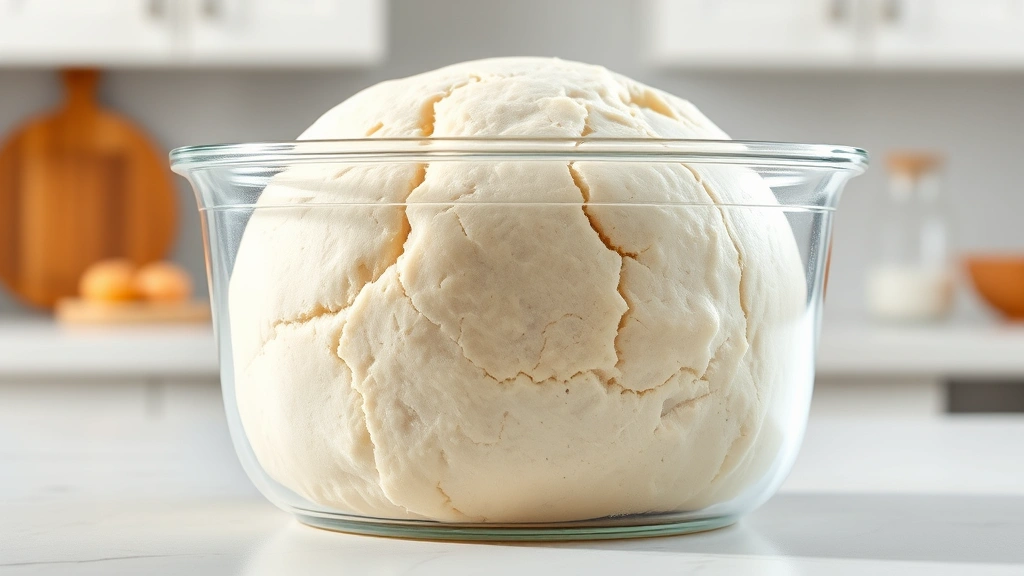
The question of how long to bulk ferment sourdough stumps even experienced bakers, because there’s no single answer—it depends on your kitchen temperature, starter strength, and how you like your crust and crumb. I’ve spent years dialing in bulk fermentation times, and I’m going to walk you through exactly what you need to know to nail it every single time.
Table of Contents
What Is Bulk Fermentation?
Bulk fermentation is that first long rise after you mix your dough and before you shape it. This is where the magic happens—your flour develops gluten networks, your starter eats the sugars and creates gas, and flavor compounds develop that make sourdough taste like, well, sourdough. Without proper bulk fermentation, you’re basically just making sandwich bread with a sourdough label.
Think of it as the foundation of your entire loaf. Skip this step or rush through it, and your crumb will be dense, your crust won’t have that shatter, and you’ll wonder why your homemade loaf doesn’t taste like the bakery version. The bulk ferment is typically 30% to 50% of your total dough development time, depending on conditions.
Temperature Matters Most
Here’s the real talk: temperature controls everything. A 68°F kitchen and a 78°F kitchen will produce completely different fermentation timelines for the exact same dough recipe. This is why some baker’s blogs say 4 hours and others say 8 hours—they’re not lying, they’re just in different climates.
In a warm kitchen (75-80°F), your bulk ferment might be done in 4-5 hours. In a cool kitchen (65-70°F), you’re looking at 6-8 hours or even longer. I keep a simple thermometer on my counter and jot down the temperature before I start mixing. It takes 10 seconds and saves you from guessing.
If your kitchen runs cold, don’t panic. You can use your oven with the light on, a proofing box, or even a cooler with warm water bottles to create a stable fermentation environment. The consistency matters more than the speed.
Reading Your Dough Signs
Forget the timer for a second. Your dough will tell you when it’s ready if you know what to look for. Here’s what I check:
Volume increase: Your dough should roughly double in size, maybe a bit more. I use a clear container and mark the starting level with a piece of tape on the side. When it hits that doubled mark, I start paying closer attention.
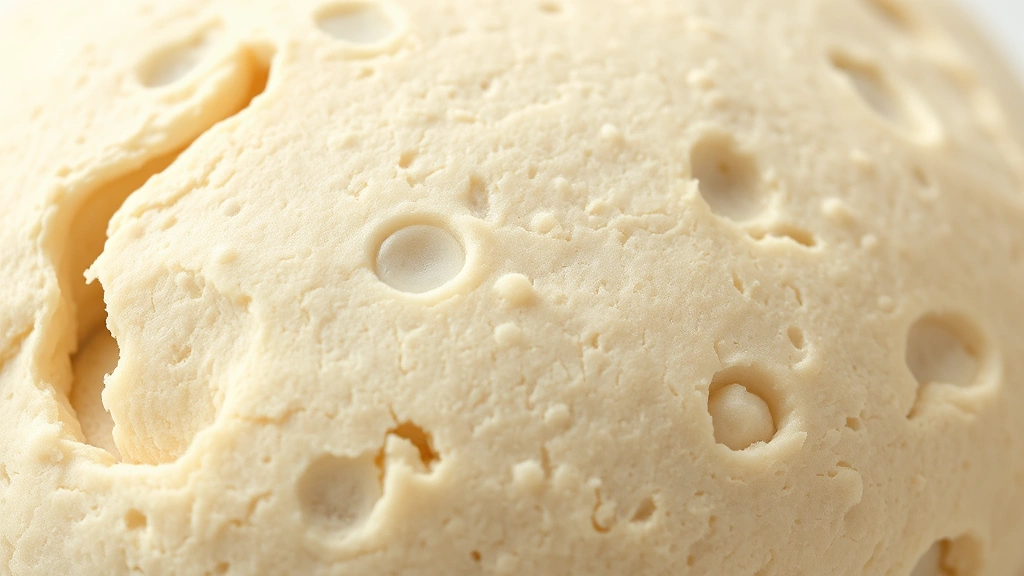
Surface texture: The dough surface should look slightly domed and puffy, not tight and smooth. You’ll see little bubbles visible on top if you look closely. This means fermentation is active.
Poke test: Wet your finger and gently poke the dough about half an inch deep. If it springs back slowly (takes 2-3 seconds to fully spring back), you’re in the sweet spot. If it springs back instantly, it needs more time. If it doesn’t spring back at all, you’ve overproofed it.
Jiggle factor: Pick up your container and give it a gentle shake. Properly fermented dough jiggles like jello, not like a brick. This tells you the gas has distributed throughout.
Standard Timing Guidelines
Let me give you the framework I use, and you can adjust from there based on your observations:
Warm kitchen (75-80°F): 4-5 hours bulk fermentation. This is fast, so check your dough at the 3-hour mark.
Room temperature (70-74°F): 5-6 hours bulk fermentation. This is the sweet spot for most home kitchens.
Cool kitchen (65-69°F): 6-8 hours bulk fermentation. You’ve got time, so don’t rush.
Cold kitchen (below 65°F): 8-12 hours or longer. Consider using a proofing environment or shifting to cold fermentation.
Start with these guidelines, but remember—they’re starting points, not gospel. Every starter is different, every flour hydration is different, and every kitchen has its quirks.
Cold Fermentation Option
Here’s my favorite trick for flavor and convenience: cold fermentation. After your bulk ferment is about 75-80% complete (dough has increased maybe 1.5x), pop it in the fridge overnight. This slows everything down dramatically and lets flavors develop for 8-16 hours while you sleep.
Cold fermentation also makes your dough easier to score and shape because it’s stiff and less sticky. The gluten has already developed, so you’re not sacrificing anything. Pull it out the next morning, let it come to room temperature for 30 minutes, and you’re ready to shape and final proof.
This method is perfect if you want fresh sourdough for breakfast but don’t want to wake up at 5 AM to manage fermentation. I do this almost every weekend.
Common Bulk Fermentation Mistakes
Using cold starter: If your starter came straight from the fridge, it’ll ferment slower. Feed it and let it become active (bubbly and risen) before mixing into your dough. This usually takes 4-8 hours depending on room temperature.
Ignoring room temperature: This is the number one mistake I see. People follow a recipe that says 6 hours, but their kitchen is 10 degrees colder than the recipe author’s kitchen. Then they’re shocked when their dough is underproofed.
Overproofing: Leaving dough too long makes it weak and gassy. It’ll spread instead of rise in the oven, and you’ll get a flat loaf with a thick bottom crust. The poke test prevents this—trust it.
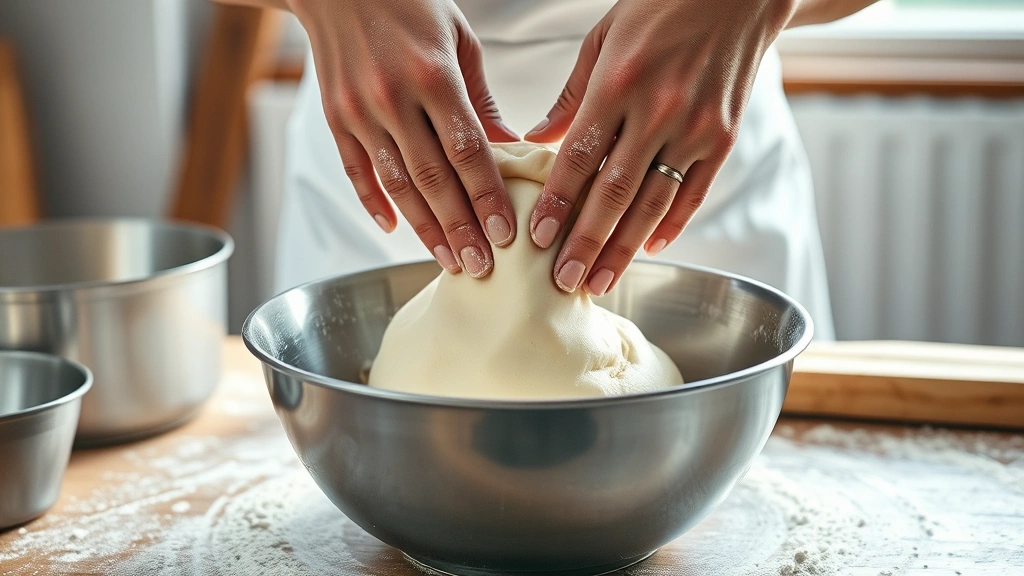
Not mixing properly: If your dough isn’t well-developed before bulk fermentation starts, no amount of time will fix it. Do your stretches and folds in the first 2 hours of bulk fermentation. This builds strength and helps gas distribution.
Adjusting for Your Kitchen
You need to think like a scientist here. Track your variables and results. Keep a simple notebook or notes app with:
• Date and room temperature
• Starter age and activity level
• Bulk fermentation start time and end time
• Final dough appearance
• Oven spring and final loaf quality
After three or four bakes, patterns emerge. You’ll see that your dough needs exactly 6.5 hours at your kitchen’s typical temperature, or that your starter needs to be fed 6 hours before mixing, not 8. This data is gold—it removes all the guesswork.
If you’re doing fermented projects in your kitchen, temperature consistency becomes even more critical. Your sourdough and any other ferments benefit from stable conditions.
Troubleshooting Fermentation Issues
Dough fermented too fast: Your kitchen is warmer than expected, or your starter was more active. Next time, reduce starter percentage (use less), use cooler water, or shift to cold fermentation. You can also do your bulk ferment in a cooler spot like a basement.
Dough fermented too slowly: Your kitchen is cooler, or your starter needs feeding more frequently. Use warmer water next time, increase starter percentage slightly, or create a warmer fermentation environment. A proofing box costs $30-50 and solves this permanently.
Dough smells like acetone or paint thinner: This means it’s overproofed or your starter is hungry. Don’t use it for this loaf—feed your starter and try again tomorrow. This smell indicates the dough has broken down.
Dough is sticky and won’t hold shape: You’ve probably overproofed it. The gluten has relaxed too much. Next time, shorten your bulk fermentation by 30 minutes based on your poke test observations.
For more information on fermentation timing and techniques, check out resources from King Arthur Baking Company, which has extensive sourdough guides backed by professional bakers.
Frequently Asked Questions
Can I bulk ferment sourdough overnight?
Yes, absolutely. This is cold fermentation. Do about 75-80% of your bulk fermentation at room temperature (3-4 hours), then refrigerate for 8-16 hours. The flavor actually improves because the dough develops slowly and steadily. This is my preferred method.
What happens if I bulk ferment too long?
Overproofed dough becomes weak and gassy. It won’t rise much in the oven, you’ll get a flat loaf, and the crumb might be too open or irregular. The dough might also smell sour or like acetone. Use the poke test to avoid this—don’t rely solely on time.
Does bulk fermentation time affect flavor?
Absolutely. Longer fermentation (especially cold fermentation) develops more flavor complexity and sourness. Shorter fermentation gives you a milder, more subtle sourdough taste. If you want tangier bread, extend your bulk fermentation or use cold fermentation. If you prefer mild flavor, shorten it.
Can I bulk ferment in the fridge from the start?
You can, but I don’t recommend it. Your dough needs some room-temperature fermentation first to develop gluten strength and get gas distribution started. A cold dough from the start ferments so slowly that you might need 24+ hours, and the results are inconsistent. Do 3-4 hours at room temperature, then refrigerate.
How do I know if my starter is ready for bulk fermentation?
Your starter should be bubbly, risen noticeably, and smell active (pleasantly sour, not like paint thinner). If you’ve just fed it, wait 4-8 hours until it peaks—that’s when it’s most active. If it’s sluggish, feed it again and wait another 4-8 hours. A weak starter makes bulk fermentation take much longer.
Should I do stretch and folds during bulk fermentation?
Yes, definitely. In the first 2 hours of bulk fermentation, do 4-6 sets of stretch and folds (or coil folds if you prefer) spaced about 30 minutes apart. This builds gluten strength, helps gas distribute evenly, and reduces your total bulk fermentation time. After 2 hours, let it rest without folding.
What’s the difference between bulk fermentation and final proof?
Bulk fermentation is the first long rise with the whole dough mass together. Final proof (or second proof) happens after you shape the dough and lasts 2-4 hours at room temperature, or 8-16 hours in the fridge. Bulk fermentation develops flavor and strength; final proof is the last rise before baking.
The Bottom Line
How long to bulk ferment sourdough depends on your kitchen temperature first, everything else second. Start with 5-6 hours at room temperature, use the poke test to check readiness, and adjust based on what you observe. Track your results, and you’ll develop an intuition for your specific kitchen within a few bakes.
Temperature control is your biggest lever—if you’re struggling with consistency, invest in a simple kitchen thermometer and a warm spot (or proofing box for cold kitchens). Cold fermentation is your secret weapon for flavor and convenience, and it works in any kitchen.
Stop worrying about hitting a specific number of hours. Instead, trust your eyes, your fingers, and the poke test. Your dough will tell you when it’s ready. For additional baking science and techniques, Serious Eats offers excellent deep dives into fermentation chemistry that’ll level up your understanding.
Now get in there and bake something delicious.


