
Knowing how long to boil potatoes is one of those kitchen fundamentals that separates mushy disasters from perfectly tender spuds. Whether you’re making mashed potatoes, potato salad, or just need a quick side dish, nailing the timing is everything. I’ve burned through enough pots of water and overcooked batches to share what actually works in real kitchens, not just fancy cookbooks.
The truth? It’s not rocket science, but it does depend on a few factors—potato size, type, and whether you’re starting with cold or hot water. Stick with me, and you’ll nail it every single time.
Table of Contents
Boiling Time Basics
The standard answer is 15-20 minutes for medium potatoes, but that’s only half the story. Most home cooks either undershoot and end up with crunchy centers or overshoot and get that mealy, waterlogged mess. The real trick is understanding what’s happening in the pot.
When you drop potatoes into boiling water, the heat starts breaking down the starches from the outside in. You’re not looking for the potato to dissolve—you want the flesh to become tender while the structure stays intact. That sweet spot usually hits somewhere between 15-20 minutes for medium-sized potatoes, but here’s the catch: it depends on how you start the cooking process.
Potato Size Matters Most
This is where most people go wrong. Throwing a mix of potato sizes into one pot guarantees some will be done while others are still crunchy. Cut your potatoes to uniform size before cooking—that’s the real pro move.
Small potatoes (1-2 inches): 10-15 minutes. These are perfect for potato salads and side dishes. They cook fast because there’s less mass to heat through.
Medium potatoes (2-3 inches): 15-20 minutes. This is your standard timing. Most recipes assume this size, and it’s what you’ll get at most grocery stores.
Large potatoes (3+ inches): 20-25 minutes. If you’re dealing with russets or other large varieties, give them extra time. Cut them in half to speed things up—you’ll drop the time to 15-18 minutes.
Whole baby potatoes: 10-12 minutes. These little guys cook incredibly fast because they’re basically all surface area relative to their mass.
The key is consistency. If you’re boiling potatoes for Dutch oven recipes or any other dish, cut everything to roughly the same size. A 2-inch potato and a 4-inch potato will never finish at the same time—one will be mush while the other is still firm.
Cold Water vs Hot Water Start
This decision affects your timing and the final texture. Both methods work, but they produce slightly different results.
Starting with cold water: Place potatoes in a pot, cover with cold water, bring to a boil, then cook for the times listed above. This method gives you more even cooking throughout because the potatoes gradually heat up. It takes about 5-10 minutes just to reach a boil, so your total time is usually 20-30 minutes from start to finish. This works great for mashed potatoes because you get a creamier texture.
Starting with hot water: Bring water to a rolling boil first, then carefully add potatoes. This method is faster overall—about 15-20 minutes from the moment potatoes hit the water. The potatoes cook faster on the outside, which can give you a firmer texture. This is my go-to for potato salads because the exterior sets up nicely while the inside stays creamy.
Pro tip: If you’re making air fryer vegetable recipes that include potatoes, par-boil them for just 5-8 minutes in hot water first. This gives you a head start so they finish at the same time as other vegetables.
Potato Varieties & Timing
Different potato types have different starch contents and densities, which affects cooking time.
Russet potatoes: 15-20 minutes for medium chunks. These are starchy and dense, so they take a bit longer. They’re ideal for mashed potatoes because they break down into a fluffy texture.
Red potatoes: 12-15 minutes. These have thinner skins and less starch, so they cook faster. They hold their shape better, making them perfect for potato salads and stews.
Yukon Gold: 12-15 minutes. These buttery-textured potatoes cook quickly and have a naturally creamy consistency. They’re fantastic for calico beans recipe variations that include potatoes.
Fingerling potatoes: 10-12 minutes. These small, elongated spuds cook fast and look great on a plate. They’re perfect for roasting or boiling whole.
Waxy vs starchy: Waxy potatoes (red, fingerling) cook faster and hold their shape. Starchy potatoes (russet) cook slightly slower and break down more easily.
Testing for Doneness
Timing is a guide, not a guarantee. Actual doneness depends on your stove, pot size, water temperature, and altitude. Always test before draining.
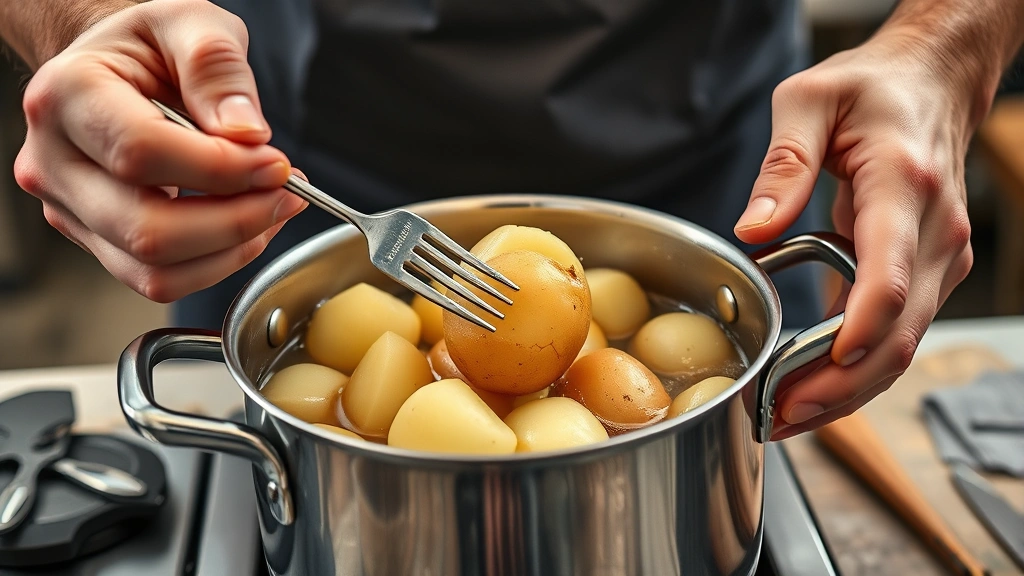
The fork test is your best friend here. Grab a fork and pierce the largest potato. If the fork slides through with minimal resistance, you’re done. There should be just a tiny bit of firmness in the very center—not crunchy, but not mushy either.
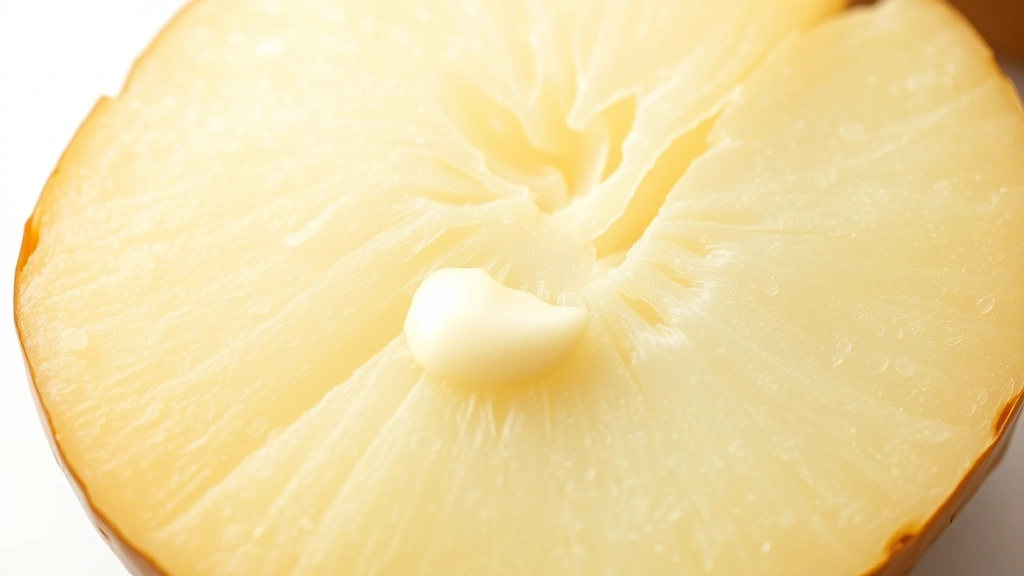
Another method: pull out a potato with a slotted spoon and let it cool for 10 seconds. Cut it in half. The inside should be uniformly tender with no white or hard center. If you see a white ring in the middle, it needs another 2-3 minutes.
Don’t rely solely on visual appearance. Potatoes can look cooked on the outside while still being firm inside. That’s why the fork test matters—it tells you what’s actually happening inside the potato.
Common Boiling Mistakes
I’ve made all of these, and they’re easy to avoid once you know what to watch for.
Overcrowding the pot: Too many potatoes means the water temperature drops and recovery time increases. This extends cooking time and creates uneven results. Use a pot that’s large enough so potatoes are covered by about 2 inches of water with room to move around.
Not salting the water: Salt your water like you’re seasoning pasta—it should taste like the sea. This seasons the potatoes from the inside out and raises the boiling point slightly, which actually helps them cook more evenly.
Cutting potatoes too small: I get it—you want them to cook faster. But cutting them into tiny pieces means they fall apart in the water. Aim for consistent 2-3 inch chunks.
Leaving them unattended: Potatoes can go from perfect to mush in 2-3 minutes. Set a timer and actually check them. This isn’t the time to scroll through your phone.
Starting with cold water for speed: If you’re in a hurry, start with hot water. Starting with cold water and expecting fast results is like waiting for paint to dry—it takes longer than you think.
Speed Up the Process
Sometimes you need potatoes faster. Here are actual shortcuts that work.
Cut them smaller: Uniform 1-inch cubes instead of 2-inch chunks will shave 5-7 minutes off your time. Just watch carefully so they don’t fall apart.
Use hot water: Starting with boiling water instead of cold saves about 10 minutes overall because you skip the preheat phase.
Use a pressure cooker: High-pressure cooking gets potatoes done in 5-8 minutes. This is a game-changer if you’re doing this regularly.
Peel before boiling: Peeled potatoes cook 2-3 minutes faster than unpeeled because there’s less insulation. The downside is you lose some nutrients and they absorb more water.
Start with younger potatoes: New potatoes cook faster than storage potatoes because they have less starch and thinner skins.
Storage & Make-Ahead Tips
Boiled potatoes are fantastic for meal prep. You can cook them ahead and use them throughout the week for various dishes like butter beans recipe combinations or baby broccoli recipe variations.
Refrigerator storage: Cooked potatoes last 3-4 days in an airtight container. Keep them in their cooking water if you want them extra moist, or drain them completely if you prefer them drier.
Freezing: Boiled potatoes don’t freeze well because the texture becomes grainy. However, if you’re planning to mash them or use them in soups, freezing works fine. Freeze them on a baking sheet first, then transfer to freezer bags.
Reheating: Microwave works, but boiling them again for 2-3 minutes is better. You get better texture and they reabsorb some moisture.
Make-ahead strategy: Cook potatoes the night before for potato salad. They’ll absorb dressing better when they’re cool, and the flavors develop overnight. For dishes like fajita marinade recipe variations with potatoes, cook them ahead and reheat just before serving.
Frequently Asked Questions
Why are my boiled potatoes watery?
Watery potatoes usually mean you either overcooked them (they absorbed too much water) or you’re storing them in their cooking water. Drain them completely after cooking and store in an airtight container. If they’re already watery, pat them dry with paper towels before using.
Can I boil potatoes without peeling them?
Absolutely. Unpeeled potatoes take 2-3 minutes longer but retain more nutrients and flavor. The skin also prevents them from absorbing too much water. Peel them after cooking if you prefer—the skin comes off easily.
What’s the difference between boiling and steaming potatoes?
Steaming takes about 20-25 minutes for medium potatoes and produces drier, fluffier results. Boiling is faster and better for potato salad because the potatoes absorb more moisture and dressing. Choose based on your final dish.
How do I know if potatoes are done without a fork?
Use a sharp knife instead. It should slide through the thickest potato with almost no resistance. You can also try breaking one in half—if it breaks cleanly and the inside is uniformly soft, you’re good.
Why do some potatoes cook faster than others in the same pot?
Size inconsistency is the main culprit. Even if you think they’re the same size, small variations matter. Also, potatoes near the heating element cook faster than those in the middle of the pot. This is why stirring occasionally and cutting to uniform size both help.
Can I add potatoes to boiling water at different times?
You can, but it’s annoying. If you must, add smaller potatoes to boiling water first, then add larger ones a few minutes later. This is more work than just cutting everything to the same size from the start.
What’s the best water-to-potato ratio?
Cover potatoes with about 2 inches of water. This ensures even cooking and prevents the water from boiling off before potatoes are done. Too much water just takes longer to boil; too little and you might run out mid-cooking.
Do I need to add anything to the boiling water besides salt?
Salt is all you need for basic boiled potatoes. Some people add a bay leaf or rosemary for flavor, which is fine. Avoid adding oil—it prevents proper seasoning absorption and makes the water greasy.


