
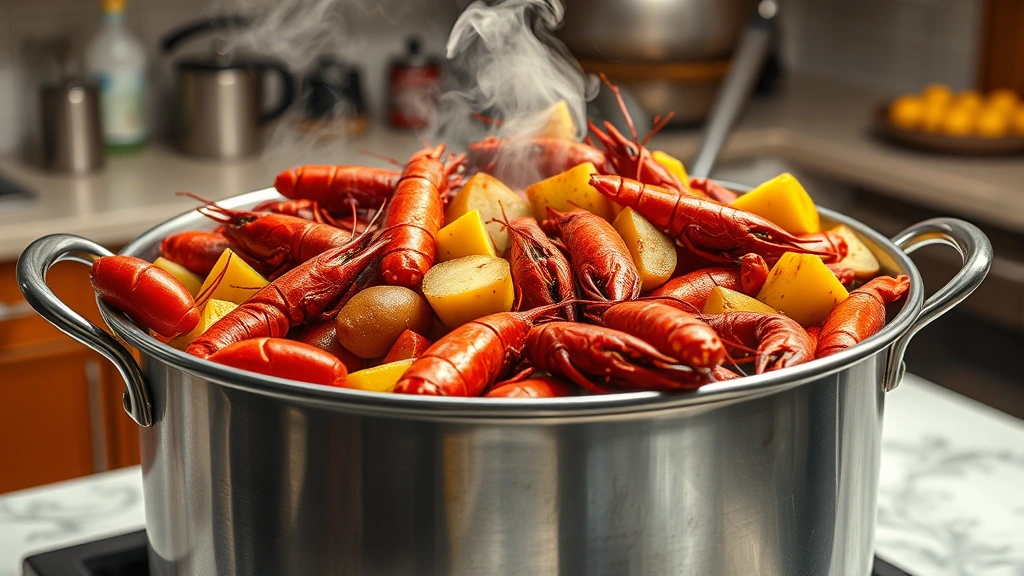
Getting how long to boil crawfish right is the difference between tender, succulent meat and rubbery disappointment. I’ve boiled thousands of pounds of crawfish over the years, and the timing is absolutely critical. In this guide, I’ll walk you through exactly how long your crawfish need in the pot, what factors affect cooking time, and how to nail it every single time.
Table of Contents
Basic Boiling Time
The standard boiling time for crawfish is 15 to 20 minutes from the moment the water returns to a rolling boil after you add them. This is your baseline, your anchor point. Most crawfish you’ll buy at a market or seafood stand will be medium-sized, and this timing works perfectly for them. I typically aim for 17 minutes—right in the sweet spot where the meat pulls cleanly from the shell without being tough.
Here’s the workflow: bring your seasoned water to a hard boil, add crawfish, wait for the water to return to boiling (usually 2-3 minutes), then set your timer for 15-20 minutes. When that timer goes off, you’re ready to drain and soak.
Size Matters Most
This is where most people go wrong. Crawfish size varies wildly depending on the season and source. Small crawfish (what we call “peewees”) need only 12-15 minutes. Medium crawfish, the most common size, need 15-20 minutes. Large crawfish and jumbo crawfish can need 20-25 minutes to ensure the meat cooks through completely.
The way to judge size: if the crawfish is roughly the size of your thumb, it’s small. Palm-sized is medium. Anything bigger than your fist is getting into jumbo territory. When you’re buying crawfish, ask your vendor about the sizing—they’ll tell you what you’re getting, and you can adjust your timing accordingly. This single factor probably accounts for 80% of boiling failures.
Water Temperature Impact
Not all boils are created equal. If you’re boiling at sea level with standard tap water, your water will reach 212°F and your timing is straightforward. But if you’re at elevation—say, cooking in Denver or in the mountains—your water boils at a lower temperature, and crawfish take longer to cook. At 5,000 feet elevation, add 5-10 minutes to your cooking time.
The water needs to maintain a rolling boil throughout cooking. If you’re using a pot that’s too small or your heat is too low, the water temperature drops when you add cold crawfish, and it takes longer to recover. Use a pot that’s at least 5-6 gallons for a standard batch, and keep your burner on high heat. The water should be vigorously boiling, not just simmering.
When to Add Seasoning
This connects directly to your timing strategy. Add your seasoning—whether it’s store-bought crawfish boil seasoning, Old Bay, or a homemade mix—to the water before it boils. I typically use about 2-3 tablespoons of seasoning per gallon of water. Let that seasoning bloom in the water for a few minutes before adding crawfish. The spices infuse into the water, and when you add the crawfish, they absorb those flavors throughout the 15-20 minute cook.
Some folks add potatoes, corn, and sausage to the same pot. If you’re doing a traditional crawfish boil with vegetables, add those items 10 minutes before the crawfish goes in. This way, everything finishes at roughly the same time. Your timing for the crawfish themselves doesn’t change, but you’re coordinating the overall meal timing.
Testing for Doneness
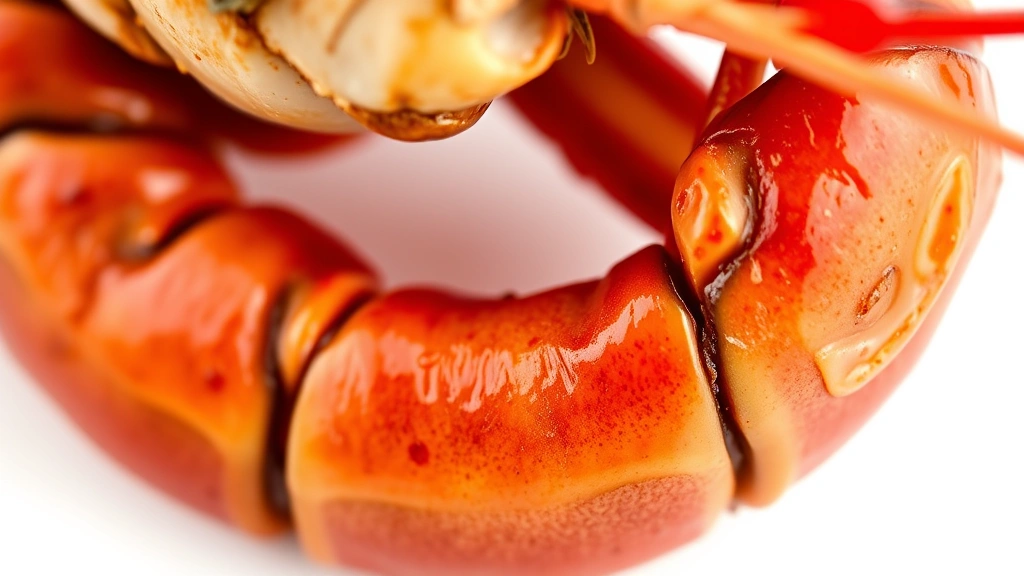
The most reliable test is the tail curl. A properly cooked crawfish has a tail that curls tightly underneath its body. If the tail is still straight or only slightly curved, it needs more time. Pull one crawfish out at the 15-minute mark and check it. If the tail isn’t curled, give it another 3-5 minutes and check again.
The meat color is your secondary indicator. Raw crawfish meat is grayish-white. Cooked crawfish meat is opaque white with a slight pink tint. Crack open a tail and look at the meat. If it’s still translucent, keep cooking. When it’s fully opaque, you’re done.
The easiest test once you’ve done this a few times is the “pull test.” The meat should pull cleanly from the shell with gentle pressure. If it’s still stuck or tears, it needs more time. If it practically falls out, you might have overcooked it slightly—though honestly, overcooked crawfish is still edible, just not as tender.
Soaking After Boiling
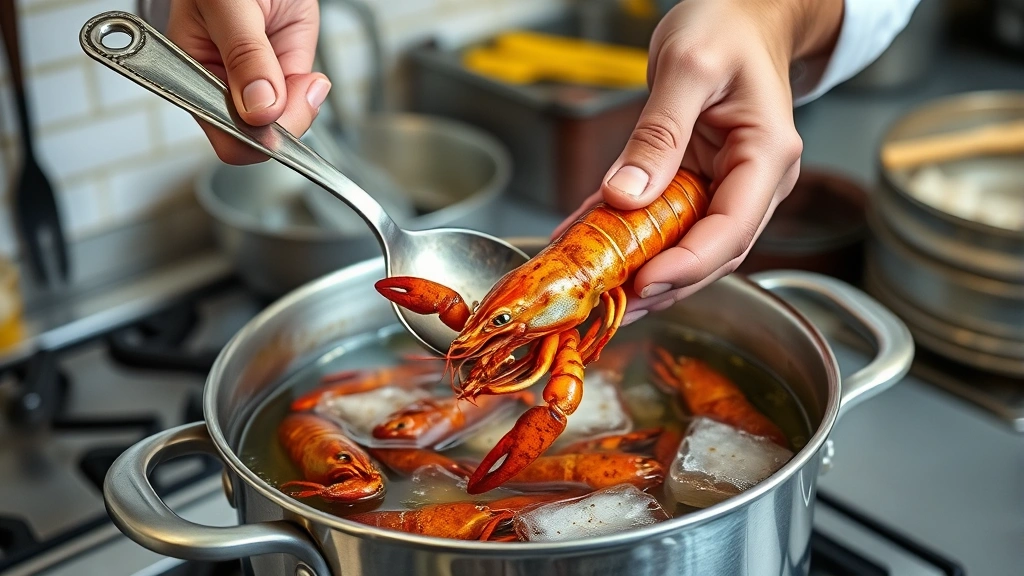
Here’s the secret that separates good crawfish from great crawfish: the soak. When your timer goes off, don’t immediately dump them into a colander. Instead, turn off the heat and let them sit in the hot water for another 5-10 minutes. This is called “soaking,” and it allows the meat to finish cooking gently and absorb more seasoning flavor.
During this soak, the crawfish are still in the seasoned water, but they’re not over the direct heat. The residual heat continues cooking them gently. I typically soak for 8 minutes, then drain. This extra step takes your timing from 15-20 minutes to 20-30 minutes total, but the result is noticeably better.
Avoiding Common Mistakes
The biggest mistake is overcrowding the pot. If you cram too many crawfish into your water, the temperature drops dramatically when you add them, and it takes forever to come back to boil. You end up cooking for 25-30 minutes when you should only need 20. Use a pot that’s large enough—if you can’t stir the crawfish easily, your pot is too small.
Another common error is not starting with enough water. You need at least 3-4 inches of water above the crawfish. If your water level is too low, some crawfish will be exposed to steam rather than boiling water, and they’ll cook unevenly. Aim for a 5-6 gallon pot with a full gallon of water per 2-3 pounds of crawfish.
Don’t forget to account for dead crawfish before cooking. Any crawfish that don’t move when you pick them up should be discarded—they were dead before cooking, and they’ll affect your water quality and potentially your health. Live crawfish should move their legs and antennae.
Cooking Multiple Batches
If you’re cooking for a crowd, you’ll likely do multiple batches. Here’s the timing strategy: after you drain the first batch, bring the water back to a rolling boil before adding the second batch. This usually takes 5-7 minutes. Your timing for the second batch is exactly the same as the first—15-20 minutes from when the water returns to boil.
The water gets richer and more flavorful with each batch, which is actually a good thing. Your second and third batches will taste better than the first. However, if you’re doing more than 4-5 batches, change out your water. The sediment builds up, and the flavor becomes muddy rather than clean and bright.
Keep the first batch warm while you’re cooking the second. Transfer them to a cooler or large pot with a lid. They’ll stay hot for 30-45 minutes, and you can serve everything together.
Storage and Reheating
Cooked crawfish keep in the refrigerator for 3-4 days. Store them in an airtight container. When you’re ready to eat leftovers, you have a couple options. You can reheat them in boiling water for 3-5 minutes—just enough to bring them back to temperature without overcooking them further. Or you can eat them cold, which is actually delicious if you’re making crawfish salad or using them in a recipe like canned crab meat recipes that work equally well with crawfish.
You can also freeze cooked crawfish for up to 3 months. Freeze them in their shells in an airtight freezer bag. When you thaw them, do it slowly in the refrigerator overnight, then reheat gently. Frozen crawfish work great for soups, stews, and dishes where you’re pulling the meat out anyway.
Frequently Asked Questions
Can you boil crawfish too long?
Yes, you can. If you boil them for more than 25-30 minutes, the meat becomes tough and rubbery. The sweet spot is 15-20 minutes of active boiling, plus the soak. Once you hit 25+ minutes, you’re pushing it.
What’s the difference between boiling and steaming crawfish?
Boiling submerges them in seasoned water for direct heat cooking. Steaming uses a steamer basket above the water, and crawfish cook in the steam. Steaming typically takes 20-25 minutes and produces a slightly different texture—often a bit more tender. Both methods work; boiling is more traditional for large quantities.
Should crawfish be alive when you boil them?
Yes, absolutely. Live crawfish should be cooked the same day you buy them. They should move their legs and antennae. Dead crawfish can harbor bacteria and will affect the taste and safety of your boil. If a crawfish doesn’t move when you pick it up, throw it out.
How do you know if crawfish are done without cutting them open?
The tail curl is your best indicator. A properly cooked crawfish has a tight, curled tail. You can also gently pull on a leg—if it separates easily from the body, they’re done. The color change from grayish to opaque white is another good sign, but the tail curl is most reliable.
Can you use frozen crawfish for boiling?
You can, but fresh is better. If you’re using frozen crawfish, thaw them in the refrigerator first, then boil them using the same timing—15-20 minutes. Frozen crawfish sometimes have a slightly softer texture than fresh, but they’re still delicious.
What’s the best pot size for boiling crawfish?
A 5-6 gallon stainless steel pot is ideal. Avoid aluminum pots, as the acidic seasonings can react with the metal. Make sure your pot is tall enough that the water doesn’t boil over, and wide enough that you can stir the crawfish easily.
Do you need a special crawfish boil seasoning?
No, but it helps. You can use store-bought crawfish boil seasoning, Old Bay seasoning, or make your own with cayenne pepper, paprika, garlic powder, onion powder, thyme, and bay leaves. The key is using enough seasoning—2-3 tablespoons per gallon of water.
Final Thoughts
Mastering how long to boil crawfish comes down to three things: knowing your crawfish size, maintaining a proper boil, and using the tail curl test. Start with 15-20 minutes of boiling time, add 5-10 minutes of soaking, and you’ll nail it consistently. Size is your biggest variable—small crawfish need less time, jumbo crawfish need more. Once you’ve done it a few times, you’ll develop an intuition for it.
The beauty of crawfish boiling is that it’s forgiving once you understand the basics. Even if you’re off by a couple minutes, you’re still getting a delicious meal. But nail that timing, and you’re getting restaurant-quality crawfish at home. That’s the difference between a good crawfish boil and one people are still talking about weeks later.
If you’re planning a bigger seafood gathering, check out our boiling crab recipe for timing on other shellfish. And if you’re cooking outdoors over a camp stove, our Dutch oven camping recipes have some great techniques for outdoor cooking. For side dishes and complete meal planning, our healthy dinner recipes for 2 and easy Asian recipes offer great complementary flavors to crawfish boils.


