
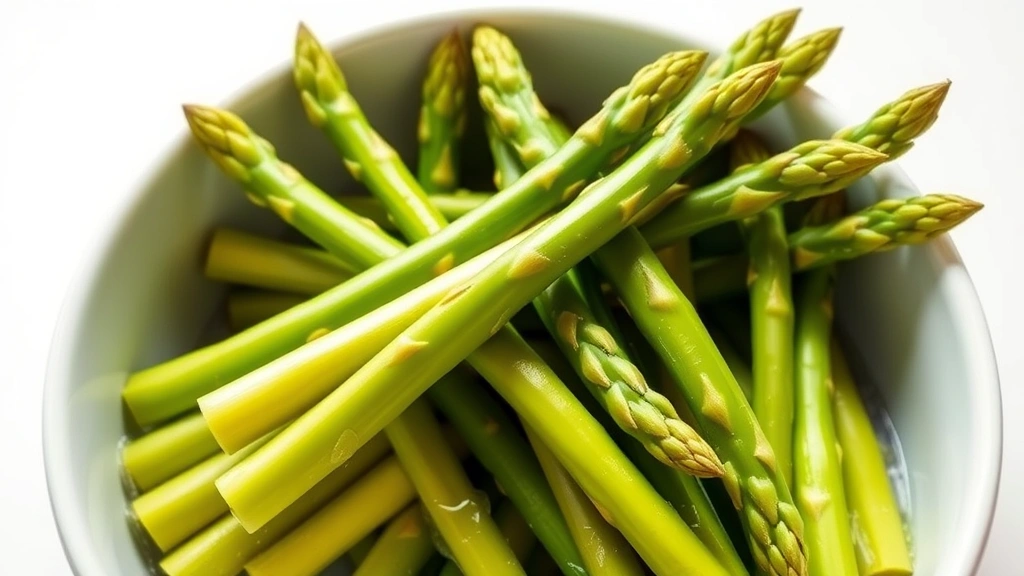
Knowing how long to boil asparagus is one of those kitchen skills that separates mushy disappointment from perfectly crisp-tender spears. Get it right, and you’ve got a side dish that’s restaurant-quality. Get it wrong, and you’re eating vegetable mush. The good news? It’s dead simple once you understand the variables at play.
Table of Contents
Boiling Time Basics
Here’s the straight answer: thin asparagus takes 3-4 minutes, medium spears need 4-5 minutes, and thick stalks require 5-7 minutes in boiling water. That’s it. The window is tight, but not impossible to hit. Most home cooks overthink this and end up with sad, limp vegetables that taste like nothing. The trick is understanding that asparagus is mostly water—it cooks fast, and there’s almost no margin for error once you hit that pot.
The reason timing varies so much comes down to one thing: heat transfer. Thinner spears have less mass, so heat penetrates them quickly. Thick spears are denser and take longer for the heat to reach the center. It’s basic physics, and it’s why you can’t just follow one universal timer.
Fresh vs Frozen Asparagus
Fresh asparagus boils faster than frozen. Fresh spears typically need 3-5 minutes depending on thickness. Frozen asparagus has already been partially cooked during the blanching process before freezing, so it only needs 2-3 minutes in boiling water. If you throw frozen asparagus in for the full fresh-asparagus time, you’ll end up with mush.
There’s also a mental shift to make here: frozen asparagus is already cooked. You’re really just reheating it and bringing it back to a pleasant texture. Don’t treat it like raw produce. Thaw it first if you have time—it’ll give you better control over the final texture and helps you avoid that watery, soggy outcome.
Thickness Matters Most
This is where most people go wrong. They grab a bunch of asparagus without looking at the actual thickness of the spears. You’ll get thin, medium, and thick spears all mixed together in one bunch. Here’s what to do: sort them by thickness before cooking. Put the thick ones in first, wait a minute, then add the thin ones. This way, everything finishes at roughly the same time.
Thin asparagus (pencil-thin or thinner than a drinking straw): 3-4 minutes max. These are delicate and will turn to mush if you’re not careful. Medium asparagus (about the thickness of a pencil): 4-5 minutes. This is the sweet spot for most store-bought asparagus. Thick asparagus (thicker than a pencil): 5-7 minutes. These are hearty and can handle longer cooking without falling apart.
Water and Salt Prep
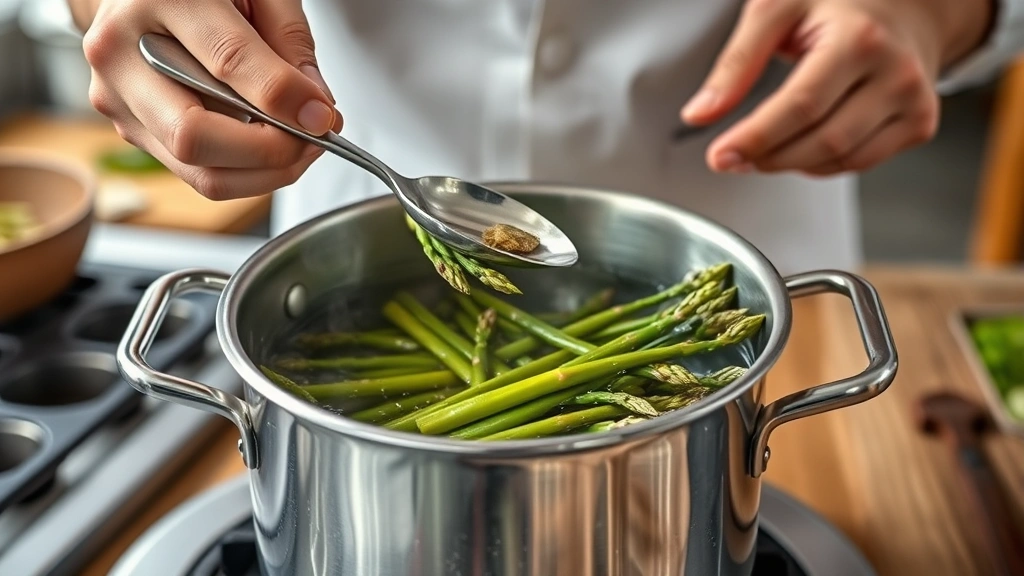
Use a large pot with plenty of water—you want at least 4 quarts for a pound of asparagus. The water should come to a rolling boil before you add anything. Don’t drop cold asparagus into lukewarm water and expect good results. You need that aggressive, rolling boil to start the cooking process immediately and set the bright green color.
Salt the water generously—we’re talking 1-2 tablespoons per gallon. The water should taste like the ocean. This isn’t just flavor; salt raises the boiling point slightly and helps vegetables cook more evenly. It also helps maintain that vibrant green color you’re after. If you use bland water, you’ll get bland-tasting asparagus that looks dull.
Trim the woody ends before cooking. Bend each spear near the bottom—it’ll naturally snap where the tender part starts and the woody part ends. Don’t use a knife and guess; let the asparagus tell you where to cut.
Testing for Doneness
The fork test is your friend here. About 30 seconds before your target time, pull out one spear and let it cool for a few seconds. Poke it with a fork near the tip—it should have some resistance but yield easily. If the fork slides through like butter, you’ve gone too far. If it feels like you’re stabbing a wooden stick, give it another minute.
The tip should bend slightly when you hold it up but not flop over completely. You’re looking for that sweet spot between crisp and tender. This is called “al dente” in cooking terms, and it’s what separates good cooking from mediocre.
Color is also a clue. Bright, vibrant green means you’re in the zone. Dull or olive green means you’ve overcooked it. The color change happens fast—sometimes in just 30 seconds—so watch carefully during those final moments.
Ice Bath Finishing Trick
This is the pro move: have a bowl of ice water ready before you start cooking. The second your asparagus hits that perfect doneness point, fish it out with a slotted spoon and plunge it into the ice bath. This stops the cooking immediately and locks in that bright green color and crisp-tender texture.
Leave it in the ice bath for about a minute, then drain it well. This technique is called “shocking” the vegetables, and it’s why restaurant asparagus looks and tastes so much better than home-cooked versions. You can do this with green beans and broccoli too—same principle applies.
Common Cooking Mistakes
The biggest mistake is overcrowding the pot. If you cram too much asparagus in at once, the water temperature drops, and everything steams instead of boils. Cook in batches if you have a lot. Give the water time to come back to a rolling boil between batches.
Another killer: not salting the water enough. Bland water makes bland asparagus. There’s no way around this. Season aggressively from the start.
Cooking everything together without sorting by thickness is also a common trap. You’ll end up with some spears perfectly done and others either raw or mushy. Take 30 seconds to sort them—it’s worth it.
Finally, leaving asparagus in the pot after it’s done is asking for trouble. The residual heat keeps cooking it even after you’ve removed the pot from the stove. Pull it out when it’s perfect, not when you think it might be close.
Storing Boiled Asparagus
Boiled asparagus keeps in the fridge for about 3-4 days in an airtight container. Store it in a paper towel-lined container to absorb excess moisture. If you’ve shocked it in an ice bath and drained it well, it’ll last longer and taste fresher.
You can also freeze boiled asparagus for up to 8 months. Spread it on a baking sheet, freeze it solid, then transfer to a freezer bag. This way, you’ve got ready-to-eat asparagus for quick dinners. Just reheat gently in the microwave or a warm pan—don’t boil it again or you’ll lose all that texture work you did.
Quick Recipe Ideas
Boiled asparagus is incredibly versatile. Toss it with butter and lemon juice for a classic side dish. Add it to pasta with garlic and olive oil. Chop it up and add it to easy dinner recipes or healthy dinner recipes for two. Wrap it in prosciutto and bake it. Use it in salads, grain bowls, or frittatas.
The point is that perfectly cooked asparagus is a blank canvas. It takes on whatever flavors you pair it with. Get the cooking right, and you’ve got a vegetable that’s actually worth eating instead of something you choke down because you feel obligated.
Frequently Asked Questions
Can I boil asparagus without trimming the ends?
Technically yes, but you’ll be eating woody, bitter stalks. Trim the ends—it takes 30 seconds and makes a huge difference in eating quality.
What if my asparagus spears are really thick?
Go to the 6-7 minute range, but check at 5 minutes with the fork test. You might also consider splitting thick spears lengthwise so they cook more evenly.
Can I add asparagus to other boiling vegetables?
Not really, unless you’re careful about timing. Asparagus cooks so fast that it’ll be done before potatoes or carrots. Cook asparagus separately or add it at the very end.
Is boiling the best way to cook asparagus?
Boiling is fast and reliable, but roasting and grilling also produce excellent results. Boiling is best when you want crisp-tender texture with minimal effort.
Why does my boiled asparagus smell weird?
Asparagus contains sulfur compounds that become more noticeable when cooked. This is normal and harmless. If the smell is overpowering, you might have overcooked it.
Can I reuse the boiling water?
Yes, that asparagus water is full of nutrients. Use it as a base for vegetable broth or soup.
Final Word
Boiling asparagus perfectly isn’t rocket science—it’s just about respecting the ingredient and paying attention for a few minutes. Start with salted boiling water, sort your spears by thickness, pull them out at the right moment, and shock them in ice water if you want restaurant-quality results. You’ll go from guessing and hoping to consistently nailing it every single time. That’s the difference between cooking and just heating up food.


