
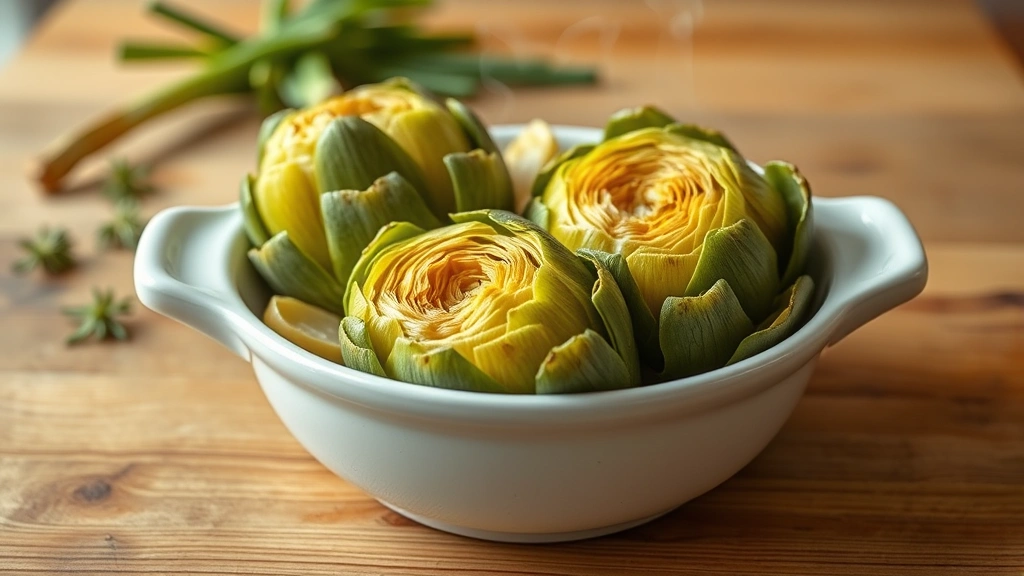
Learning how long to boil artichokes is one of those kitchen skills that seems intimidating until you actually do it—then you realize it’s dead simple. I’ve cooked hundreds of these spiky vegetables, and the timing comes down to size, freshness, and whether you like them tender or with a little bite. Let me walk you through exactly what you need to know to nail it every single time.
Table of Contents
Boiling Time Basics
Here’s the straightforward answer: most medium-sized artichokes take 25 to 45 minutes to boil until tender. Small ones finish in about 20 minutes, while large globe artichokes can push 50 minutes or beyond. The variation matters because you’re cooking from the outside in, and those tightly packed leaves take time to soften.
The key is that you’re not just softening the exterior—you’re making the entire choke edible from leaf tip to heart. Think of it like steaming vegetables: patience pays off. I usually start checking around the 25-minute mark by tugging on a leaf. If it pulls off easily and the flesh is tender, you’re golden.
Prep Before Boiling
Don’t skip this step. Rinse each artichoke under cold running water and rub it between your hands to remove any dirt trapped between the leaves. Use a sharp knife to cut off the top quarter-inch of the artichoke—this removes the pointy tips that’ll stick you.
Next, trim the stem. Cut about a half-inch from the bottom, then peel away the tough outer layer of the stem with a vegetable peeler or knife. The stem is actually delicious once you get past that fibrous exterior, so don’t waste it. If you want, cut the artichoke in half lengthwise to expose the fuzzy choke center, which helps water penetrate faster. This can cut boiling time by 5 to 10 minutes.
Size Matters: Timing
This is where precision helps. I always sort artichokes by size before boiling because it prevents some from turning to mush while others stay tough.
Baby artichokes (2-3 inches): 15-20 minutes. These little guys are tender all the way through, leaves and all. They’re perfect if you’re in a hurry.
Small artichokes (3-4 inches): 20-30 minutes. Still quick, and you get more edible flesh than the babies.
Medium artichokes (4-5 inches): 30-40 minutes. This is the standard size you’ll find at most markets. This is what I cook most often.
Large artichokes (5+ inches): 40-50 minutes or longer. These are impressive but require patience. Worth it for the massive hearts though.
Water & Salt Setup
Fill a large pot with enough water to cover the artichokes by about 2 inches. I use a pot that’s at least 6 quarts for four medium artichokes. Bring the water to a rolling boil before adding anything.
Add salt—about 1 tablespoon per gallon of water. This seasons the artichokes from the inside out and raises the boiling point slightly, which actually helps them cook more evenly. Some cooks add lemon juice or a bay leaf for flavor, which I do sometimes. A squeeze of fresh lemon brightens the taste and prevents browning.
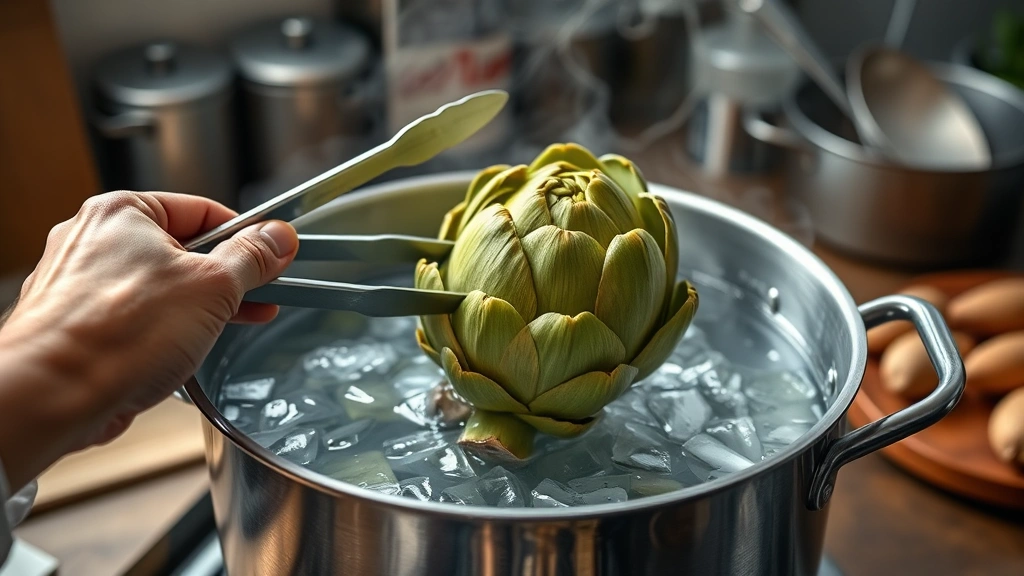
Once the water’s boiling hard, carefully place the artichokes in stem-side down. They’ll bob around at first. Keep the heat at a steady rolling boil—not a gentle simmer. You want active bubbles moving through the pot the whole time. If the water drops below a boil, your timing gets unpredictable.
Testing for Doneness
Start testing around the minimum time for your artichoke size. The most reliable test is the leaf pull. Using tongs or a fork, gently tug on an outer leaf near the middle of the artichoke. If it comes off cleanly and the tender flesh at the base is soft enough to scrape with your teeth, you’re done.
A second test: pierce the base of the artichoke with a sharp knife. It should slide through with minimal resistance, similar to testing a baked potato. The heart at the center should feel tender but not mushy.
Don’t rely on color alone. Artichokes don’t change much visually during boiling, and that’s misleading. The leaf test is your friend here.
Common Mistakes
I’ve made all of these, so learn from my pain. The biggest mistake is boiling on too low heat. Artichokes need that active boil to cook evenly. A gentle simmer leaves the outer leaves tender while the heart stays tough.
Overcrowding the pot is another trap. If you stack artichokes on top of each other, the ones on top steam instead of boil, and they cook unevenly. Give them room to move.
Boiling without salt makes them taste bland and slightly bitter. Don’t skip the salt. And if you’re adding lemon, add it to the water, not directly to the artichoke—direct contact can discolor the cut surfaces.
Finally, don’t let them sit in the hot water after they’re done. Once they’re tender, drain them immediately and let them cool on a clean kitchen towel. Leaving them in hot water turns them mushy and waterlogged.
Storage & Leftovers
Cooked artichokes keep in the refrigerator for up to 4 days in an airtight container. I store them stem-side up on a paper towel to prevent them from getting slimy. They’re fantastic cold straight from the fridge with a little mayo or aioli for dipping.
You can also reheat them gently in the microwave (about 2 minutes for a medium artichoke) or in a steamer basket over simmering water. The steamer method is better if you want to avoid them getting waterlogged. For similar steaming techniques, check out our guide on how long to steam broccoli, which uses similar timing principles.
If you’re batch cooking for the week, boiling artichokes is actually a smart move. They’re ready to eat as a snack, throw into salads, or use in crockpot recipes for warm dips and sides. The hearts freeze well too—just let them cool completely, pat dry, and freeze in a single layer before transferring to a freezer bag.
Serving Ideas
The classic approach is melted butter with a pinch of salt and fresh lemon. That’s it. That’s the whole meal for me sometimes. But you’ve got options.
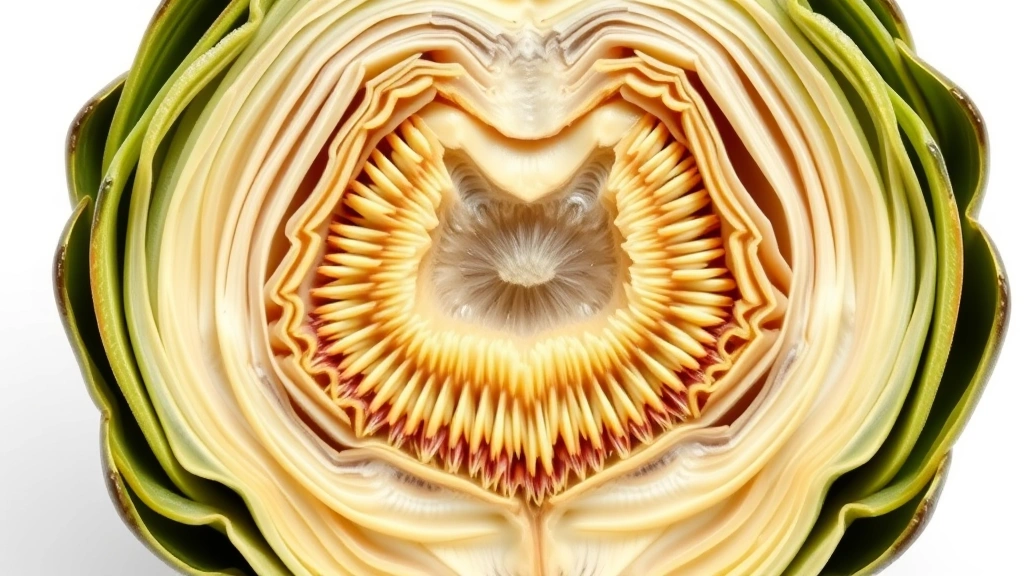
Make a quick aioli by mixing mayo, minced garlic, lemon juice, and salt. Dip each leaf in it as you work your way through the artichoke. When you hit the fuzzy choke center, scrape it away with a spoon, and you’ll find the heart—the best part—underneath. Season it with salt, pepper, and a touch of garlic.
Cold artichokes are underrated. Chill them completely and serve with a vinaigrette or Greek yogurt dip. They’re great in grain bowls, chopped into salads, or as part of an antipasto spread.
If you’re cooking in bulk, you might also enjoy exploring how to clean stainless steel appliances to keep your kitchen looking sharp after all that cooking. And when cleanup time rolls around, knowing how to clean washing machine helps with getting artichoke stains out of kitchen towels.
Frequently Asked Questions
Can you boil artichokes in a pressure cooker?
Yes, and it’s much faster. In an Instant Pot or similar pressure cooker, medium artichokes take about 15 minutes under high pressure, plus the time to come to pressure. The texture is slightly different—a bit softer—but still delicious. Follow your cooker’s manual for liquid amounts.
Why are my boiled artichokes tough?
Usually because the water wasn’t at a rolling boil, or you didn’t boil them long enough. Artichokes are dense and need sustained heat. Also check that you’re not crowding the pot. If the water temperature drops too much, cooking becomes uneven.
Do you cut artichokes before boiling?
You can, but you don’t have to. Cutting them in half lengthwise speeds up boiling by 5-10 minutes and exposes the fuzzy center, which some people prefer. If you keep them whole, just trim the top and stem, and they’ll cook fine—it just takes a few minutes longer.
What’s the difference between boiling and steaming artichokes?
Boiling is faster (25-45 minutes), while steaming takes 30-50 minutes but preserves flavor slightly better. Steaming also works well if you want to cook them ahead and reheat. The texture is nearly identical if you nail the timing either way.
Can you eat the artichoke stem?
Absolutely. The stem is tender and flavorful once you peel away the tough outer layer. Many people discard it, which is a shame. Peel it with a vegetable peeler, boil it with the rest of the artichoke, and enjoy it just like the leaves.
How do you know when the heart is cooked?
The heart is the prize inside. Once you’ve removed all the leaves and scraped away the fuzzy choke part with a spoon, you’ll see the pale, tender heart. It should be soft enough to cut with a fork. If it’s still tough, the artichoke needs more time.
Final Thoughts
Boiling artichokes isn’t complicated once you understand that timing depends on size and that you need a rolling boil to cook them evenly. Start with medium-sized artichokes if you’re new to this—they’re forgiving and cook in a reasonable timeframe. Test for doneness by pulling a leaf, and don’t stress about perfection. Even slightly overcooked artichokes are delicious.
The real skill is tasting them fresh, hot, and dipped in melted butter. That’s when you’ll understand why people have been growing and cooking artichokes for thousands of years. Once you master the basics, you’ll find yourself boiling them regularly.


