

Figuring out how long to bear pain is one of those practical questions that doesn’t have a one-size-fits-all answer, but understanding the timeline can help you make smarter decisions about treatment, rest, and when to call a professional. Whether you’re dealing with acute injury pain, chronic discomfort, or post-procedure soreness, knowing what to expect helps you stay sane and avoid unnecessary panic.
Table of Contents
Acute vs. Chronic Pain Timelines
Let’s start with the basics. Acute pain—the kind you get from a fresh injury, surgery, or sudden strain—typically follows a predictable arc. Most acute pain peaks within the first 24-48 hours, then gradually improves over days to weeks. This is your body’s natural inflammatory response doing its job, and it’s actually a good sign that healing is happening.
Chronic pain, on the other hand, sticks around for more than 12 weeks and doesn’t follow the same neat timeline. It’s messier, more complex, and requires a different mindset entirely. The good news? Understanding this distinction helps you set realistic expectations and avoid the mental trap of thinking something’s wrong if pain doesn’t vanish on schedule.
The Critical First 72 Hours
The first three days after an injury or procedure are absolutely crucial. This is when swelling peaks, inflammation is at its worst, and your pain levels are typically highest. During this window, your job is damage control: ice, elevation, compression, and rest—the classic RICE protocol that’s been proven effective for decades.
Don’t be alarmed if pain feels worse on day two or three compared to day one. Swelling often peaks around 48 hours post-injury, which can actually increase discomfort temporarily. This is normal. Stick with your pain management routine, keep the area immobilized if needed, and resist the urge to “test” the injury by moving it around.
Recovery Phases Explained
After those first 72 hours, pain typically follows three distinct phases:
Phase 1 (Days 3-14): Swelling begins subsiding, but pain remains significant. You’re still in the acute phase. Continue conservative treatment, but you can start gentle movement if approved by your doctor. This is when many people make the mistake of overdoing it because they feel slightly better.
Phase 2 (Weeks 2-6): Pain decreases noticeably, though it may still spike with activity. Healing tissue is fragile here. Gradually increase movement and activity, but don’t rush. This phase requires patience—pushing too hard now can set you back weeks.
Phase 3 (Weeks 6-12+): Most acute pain resolves, though residual discomfort may linger. This is when how long it takes to become a pharmacist becomes relevant if you’re considering professional pain management consultation. You’re building strength and function back, but tissue is still healing internally.
When to Seek Professional Help
Not all pain requires a doctor’s visit, but certain situations demand immediate attention. If pain is severe enough that you can’t function, accompanied by numbness, tingling, or loss of function, you need professional evaluation. Same goes for pain that worsens after the first week instead of improving, or pain that doesn’t respond to standard over-the-counter pain relief after 10 days.
Think of it this way: your body gives you pain signals for a reason. Sharp, shooting pain that radiates, severe swelling that doesn’t reduce, or pain accompanied by fever or infection signs—these aren’t things to tough out at home. Trust your instincts. If something feels seriously wrong, get it checked.
Pain Management Strategies That Work
Effective pain management isn’t about toughing it out—it’s about smart strategy. Over-the-counter options like ibuprofen and acetaminophen work best when taken consistently rather than waiting until pain peaks. Taking medication every 6-8 hours prevents pain from escalating, rather than playing catch-up once you’re already miserable.
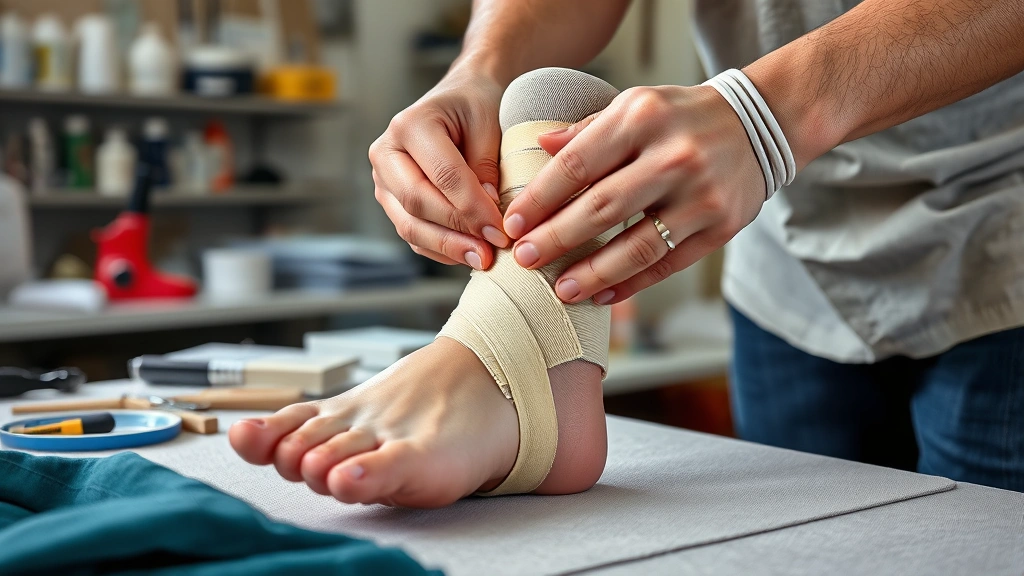
Physical modalities matter too. Ice works best for the first 48-72 hours to reduce swelling. Heat becomes more helpful after that initial window when inflammation has peaked. Compression wraps, elevation, and gentle movement accelerate healing. Many people find that combining these approaches—say, ice plus ibuprofen plus rest—works better than any single strategy alone.
Don’t overlook psychological approaches either. Distraction, breathing techniques, and mindfulness reduce perceived pain intensity. Your brain’s interpretation of pain signals matters as much as the signals themselves. This is why people in focused activities sometimes don’t notice injuries until afterward—their attention is elsewhere.
Returning to Normal Activities
This is where patience separates smart recoverers from those who re-injure themselves. A common mistake is returning to full activity the moment pain subsides. Pain reduction doesn’t mean full healing—tissue is still fragile.
Use the “10% rule” as a guideline: increase activity intensity or duration by only 10% per week. If you were walking 10 minutes before injury, increase to 11 minutes the following week. This gradual progression prevents setbacks and builds strength safely. Similar to how how long it takes to get your state return requires patience and proper process, recovery requires respecting timelines.
Listen to your body’s feedback. Some soreness during activity is normal—that’s muscle working. Sharp pain, increased swelling, or pain that persists for hours after activity means you’ve done too much. Back off and try again next week.
Managing Long-Term Discomfort
If pain persists beyond 12 weeks, you’re dealing with chronic pain, which requires a different approach entirely. Chronic pain isn’t just about the physical injury anymore—it involves nervous system changes, psychological factors, and lifestyle adaptations.
Effective chronic pain management typically combines multiple strategies: physical therapy to maintain function, psychological approaches like cognitive behavioral therapy, medications prescribed by specialists, and lifestyle modifications. The goal shifts from “eliminate pain” to “manage pain and maintain quality of life.” This mindset shift is crucial because chronic pain rarely disappears completely, but it can become manageable and less intrusive.
Regular movement becomes essential rather than optional. Paradoxically, staying active within your limits helps chronic pain more than rest does. Gentle exercise, stretching, and functional training prevent the deconditioning that often makes chronic pain worse.
Building Mental Resilience
Pain isn’t just physical—it’s psychological too. How you think about pain affects how much you experience it. Catastrophizing (assuming the worst), rumination (dwelling on pain), and fear-avoidance (avoiding activity due to pain fear) all intensify perceived pain and slow recovery.
Building resilience means developing realistic expectations, maintaining perspective, and staying engaged with life despite discomfort. This isn’t about “mind over matter”—it’s about managing the psychological components that amplify physical pain. Techniques like mindfulness meditation, journaling, and talking with others who’ve recovered successfully all help build this resilience.
Consider that how to change smoke alarm battery requires following proper steps systematically—similarly, mental resilience is built through consistent practice of healthy psychological strategies.
Red Flags You Can’t Ignore
Certain pain patterns demand immediate medical attention. Severe pain that comes on suddenly, pain accompanied by chest tightness or difficulty breathing, pain with fever or signs of infection, numbness that spreads, or pain following trauma that causes loss of consciousness—these aren’t situations for home management.
Also watch for pain that doesn’t follow the expected timeline. If acute pain is worsening after two weeks instead of improving, if swelling increases rather than decreases, or if you develop new symptoms, something else may be happening. Trust these signals.

Pain that prevents sleep night after night, pain causing depression or anxiety, or pain that makes you unable to perform basic self-care also warrants professional evaluation. These situations benefit from comprehensive medical assessment and may involve specialists.
Frequently Asked Questions
How long should I expect acute pain to last?
Most acute pain from injury or surgery peaks within 24-48 hours, then gradually improves over 1-4 weeks depending on injury severity. Significant improvement usually occurs by week 2-3, though complete healing takes longer. If pain isn’t improving after 2 weeks, seek professional evaluation.
Is it normal for pain to increase on day two or three?
Yes, absolutely. Swelling often peaks around 48 hours post-injury, which can temporarily increase pain even though healing is progressing normally. Continue your pain management routine and don’t interpret this as a setback. It’s part of the normal inflammatory response.
When should I switch from ice to heat?
Ice works best for the first 48-72 hours to reduce swelling and numb pain. After that window, heat becomes more beneficial for muscle tension and stiffness. Some people find alternating ice and heat helpful. Listen to what feels better—your body usually knows.
Can I take pain medication indefinitely?
Over-the-counter pain relievers can be used short-term safely, but prolonged use requires medical guidance. Chronic pain management typically involves multiple strategies beyond medication alone. Consult your doctor about safe long-term pain management if you’re dealing with persistent discomfort.
What’s the difference between pain and healing soreness?
Healing soreness feels like muscle fatigue or mild aching during activity that resolves quickly afterward. True pain is sharp, shooting, or persistent, and worsens with activity. If you’re unsure, err on the side of caution and reduce activity until you’re confident it’s normal healing soreness.
How do I know if I’ve re-injured myself?
Re-injury typically causes sudden sharp pain, increased swelling, or a feeling that something “gave way.” If pain spikes after activity and doesn’t resolve within an hour or two, you’ve likely overdone it. Rest the area and avoid that activity level for another week or two.
Is pain medication necessary for recovery?
Not always, but it often helps. Pain medication allows you to rest more comfortably and move gently for rehabilitation. However, pain medication isn’t a substitute for proper rest and treatment. Use it as a tool to support recovery, not as a way to push through serious injury.
The Bottom Line
Understanding how long to bear pain helps you make smarter decisions about your recovery. Acute pain typically improves significantly within 2-4 weeks, though complete healing takes longer. The first 72 hours are critical—focus on rest, ice, compression, and elevation. Pain that doesn’t follow expected timelines or worsens after the first week needs professional evaluation.
Recovery isn’t a straight line. Expect ups and downs, but the overall trend should be improvement. Use pain as information rather than something to fight. Gradually increase activity following the 10% rule. If pain persists beyond 12 weeks, shift your focus to chronic pain management strategies that combine physical, psychological, and lifestyle approaches.
Most importantly, trust your body’s signals. Mild discomfort during healing is normal; severe pain or pain that doesn’t improve is not. When in doubt, get professional evaluation. Your job is supporting healing, not proving how tough you are.


